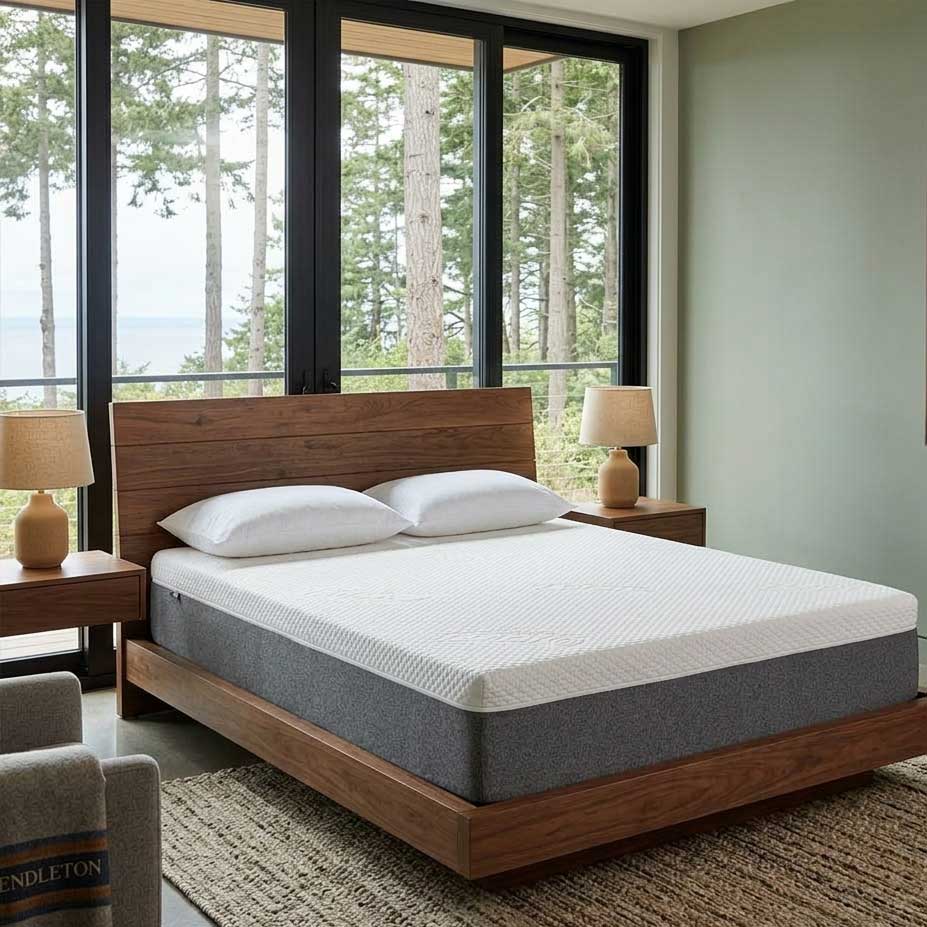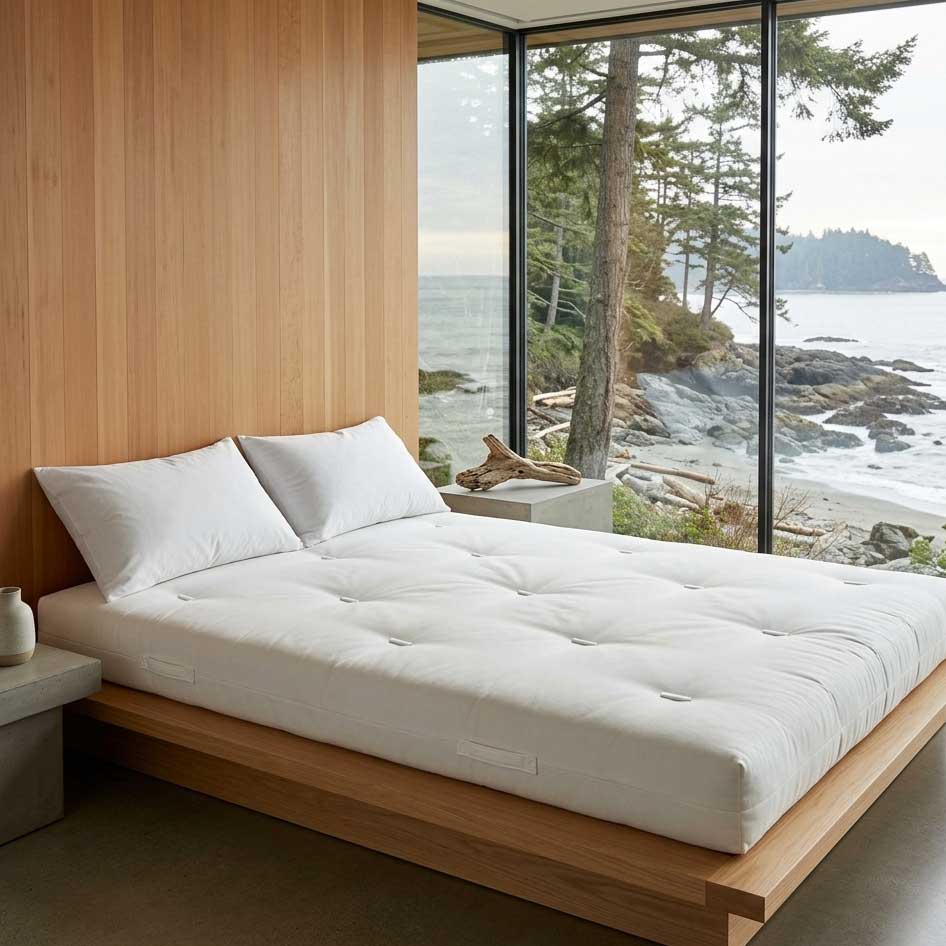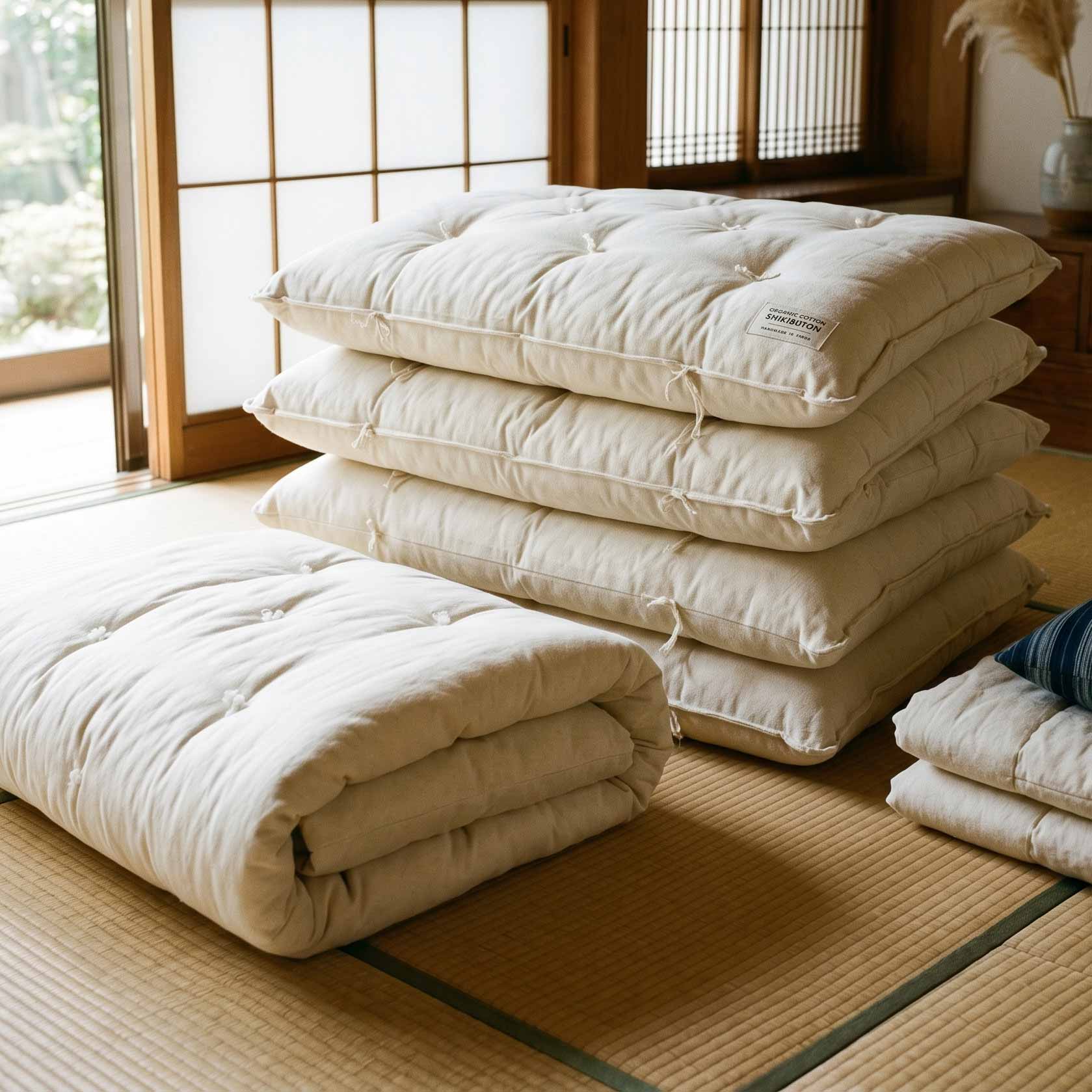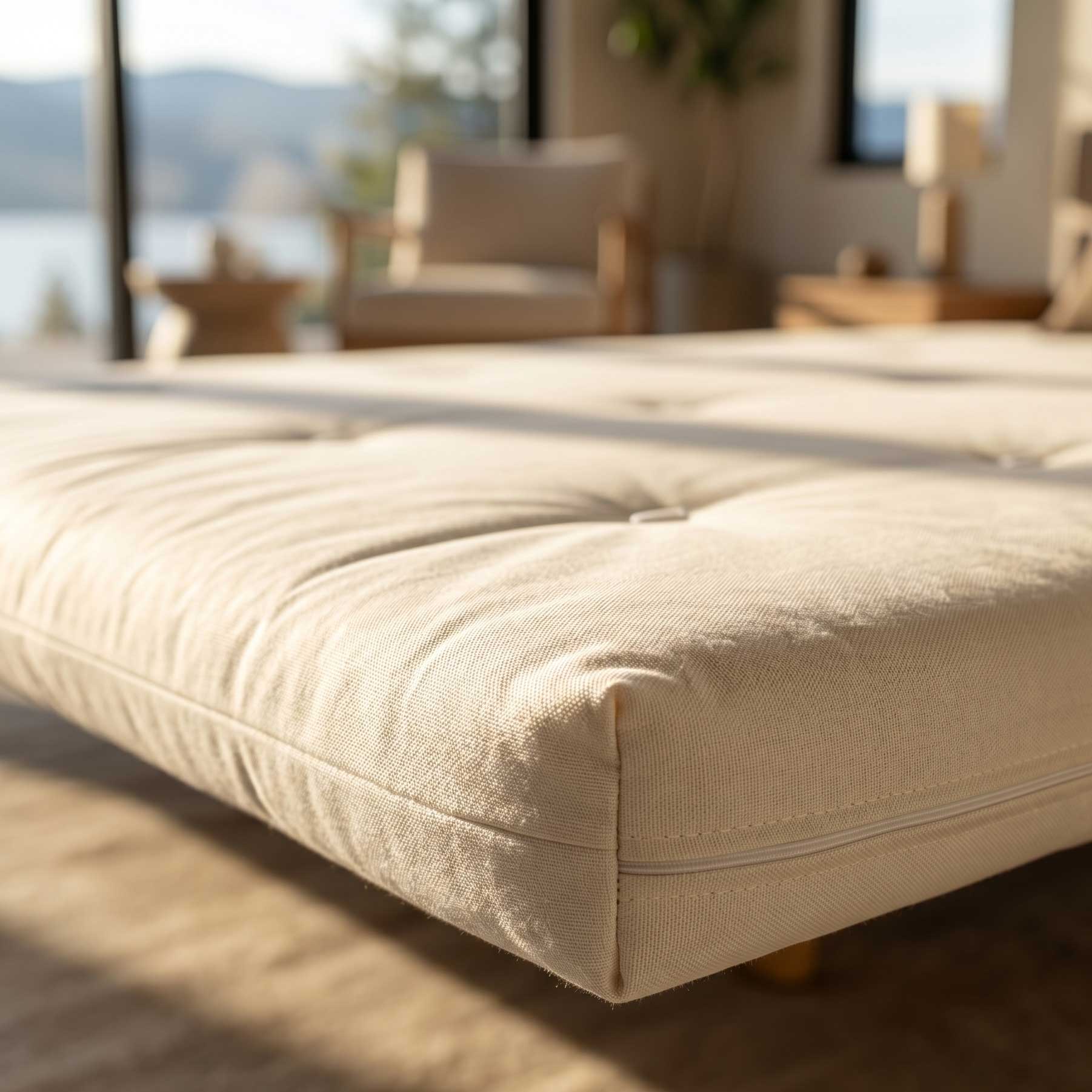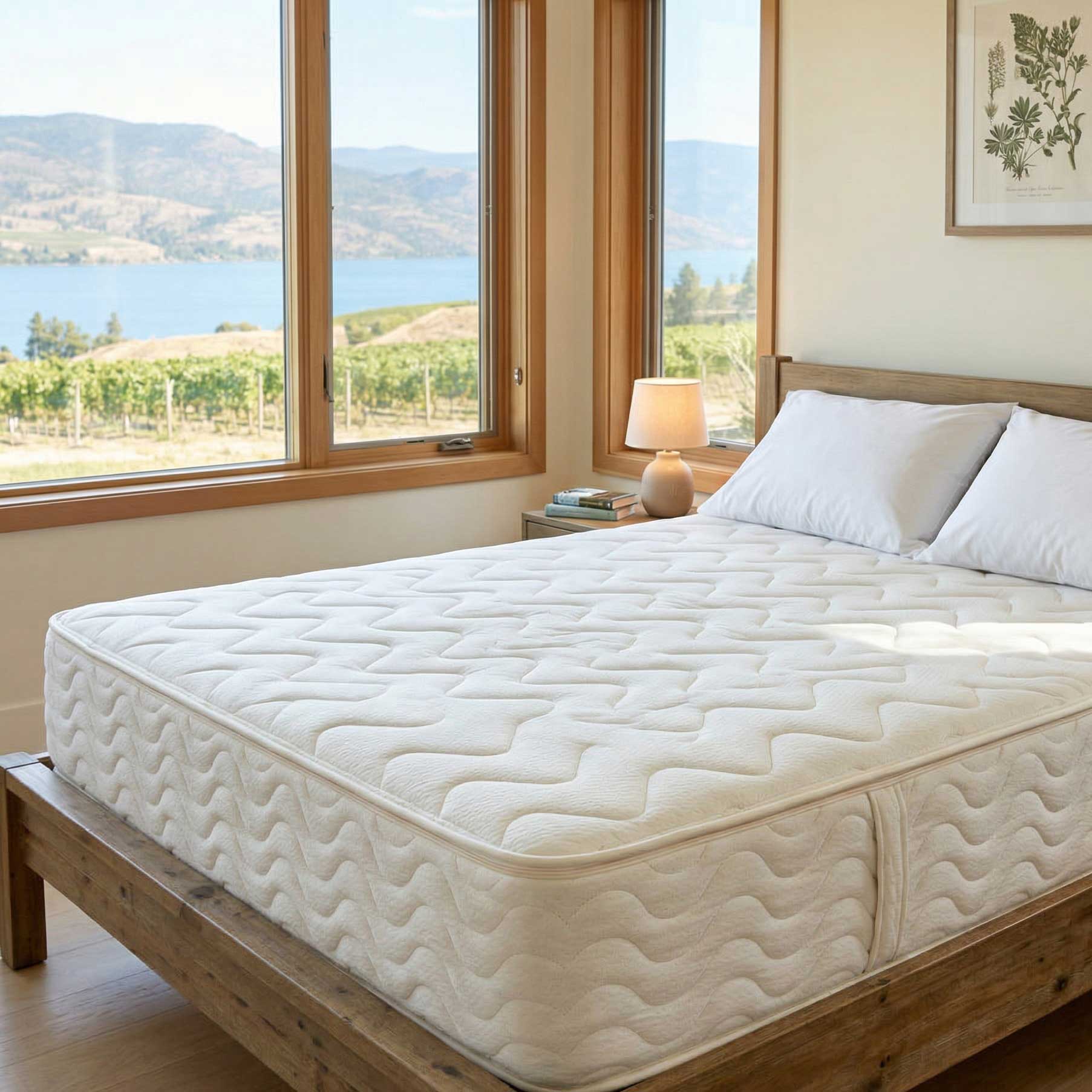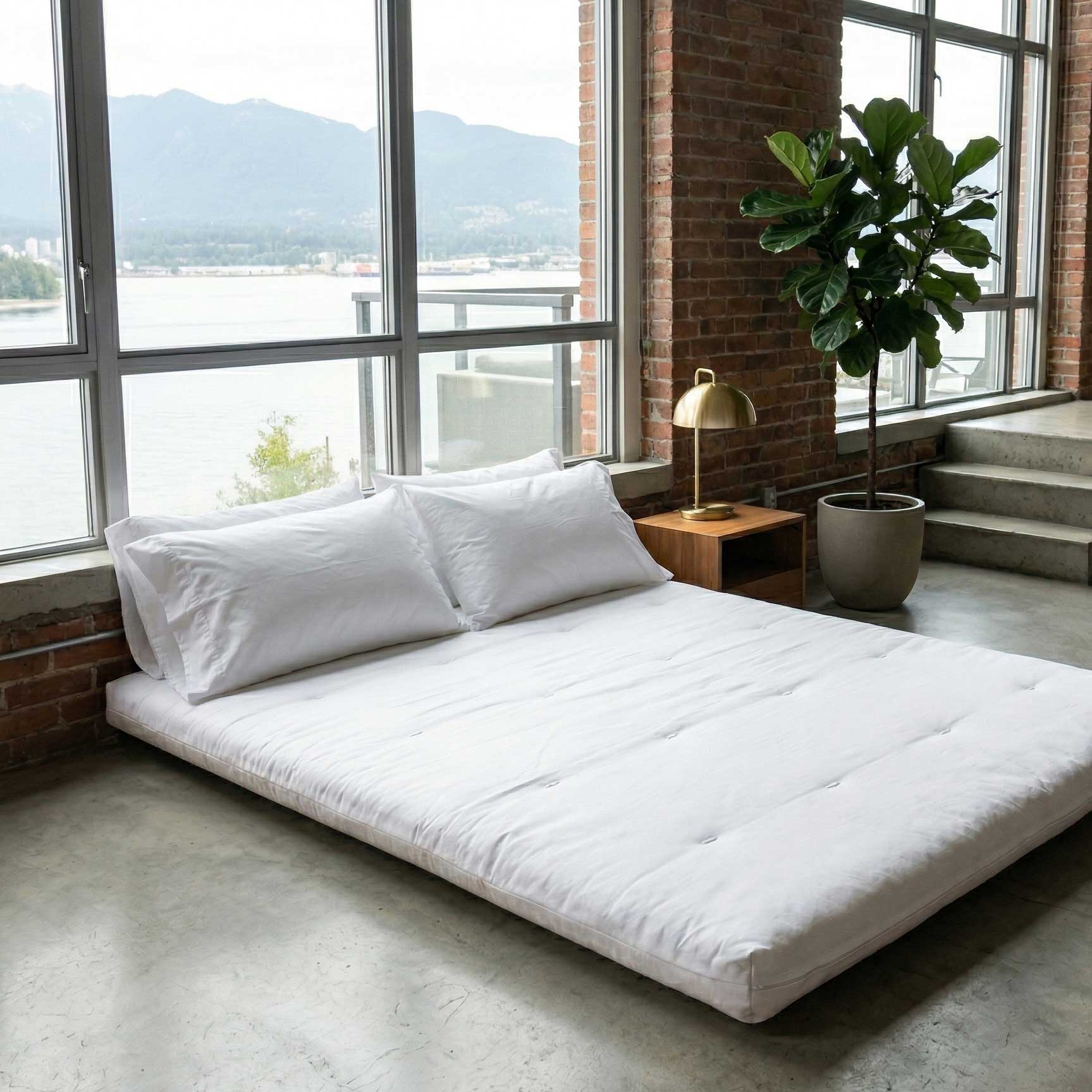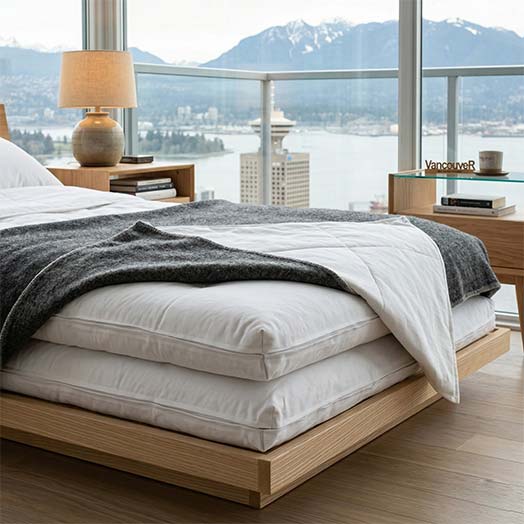
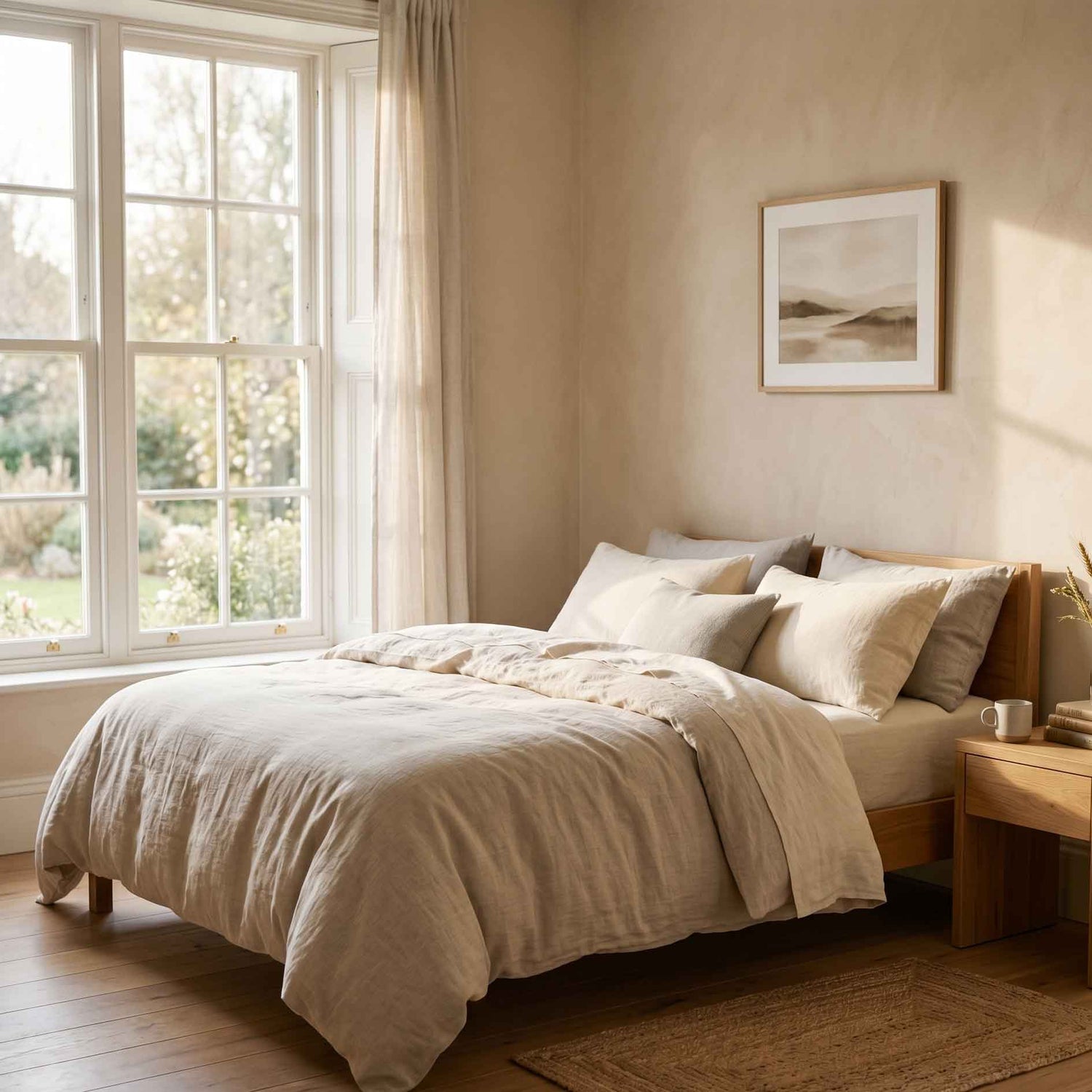
The slow bedroom trend is a measurable shift in how Canadians are approaching sleep spaces: fewer decorative layers, less visual noise, and a deliberate prioritisation of the things that actually affect sleep quality. Interior design searches for 'quiet bedroom' and 'sleep-first bedroom' have increased significantly since 2024. The mattress, not the decor, becomes the investment.
This is distinct from minimalism as an aesthetic. The slow bedroom is not about white walls and empty surfaces. It is about editing the room down to things that serve the function of sleep, then choosing those things carefully. The duvet that actually regulates temperature. The pillow that fits the way you sleep. The mattress built from materials that do not off-gas into the room you spend a third of your life in.
What the Trend Is a Response To
The maximalist bedroom dominated interior design content for most of the previous decade. Stacked throw pillows, layered textiles, gallery walls that extended into the sleeping area, decorative lighting that created mood but not necessarily darkness. The bedroom became an extension of the living space, photographed and styled as much as it was slept in.
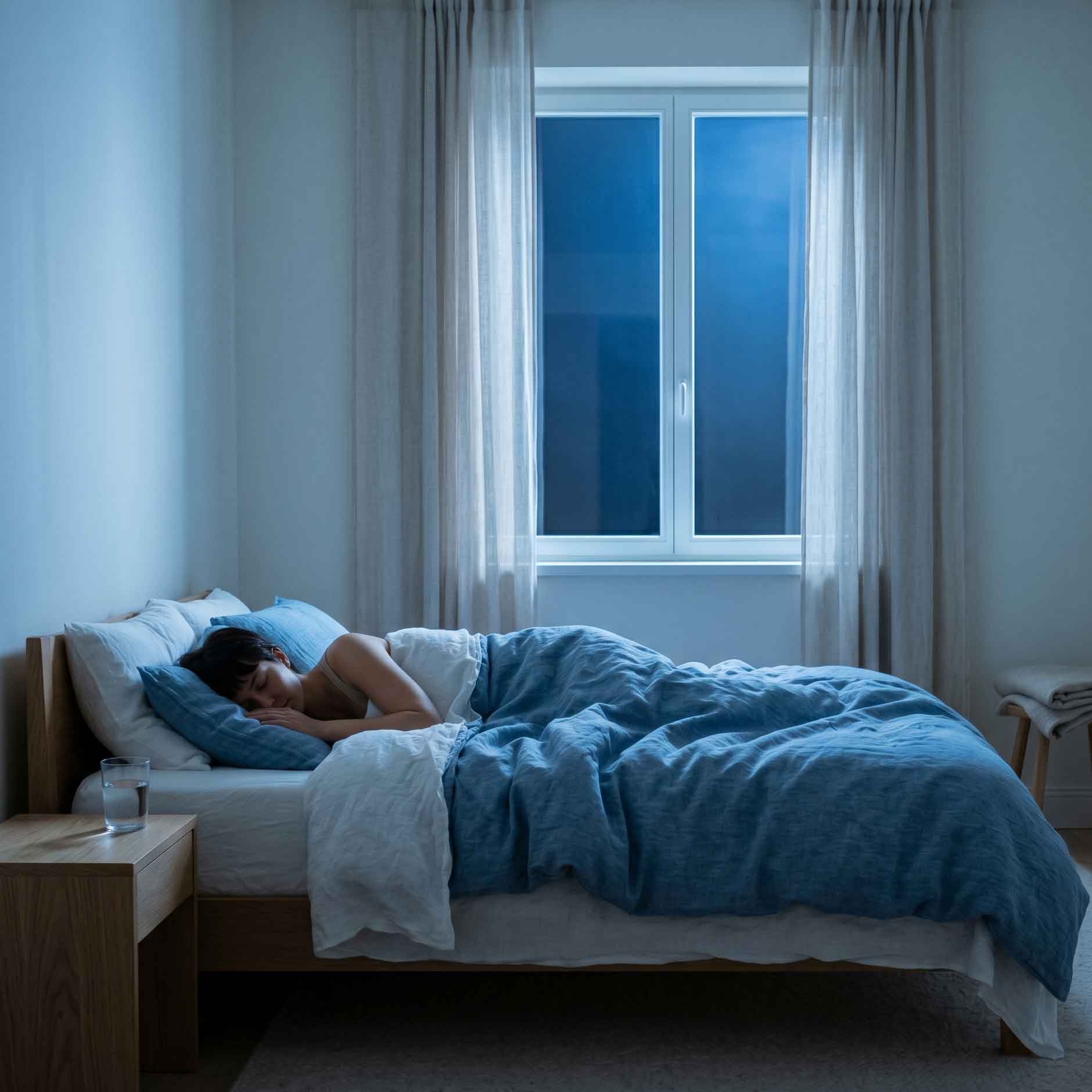
The slow bedroom trend is a direct counter to that. Research into sleep environment consistently finds that visual complexity in the bedroom correlates with higher pre-sleep cognitive arousal: the brain continues processing the environment rather than winding down. A room with fewer visual demands on the eye is simply easier to fall asleep in. This is not a design opinion. It is how the nervous system responds to its surroundings.
The practical driver is also real. After several years of significant inflation and economic uncertainty in Canada, discretionary spending has shifted. Canadians are buying fewer things and expecting more from each purchase. A bedroom built around one well-chosen mattress, one good pillow, and quality bedding that will last is a more sustainable approach than cycling through cheaper versions of the same things.
The Mattress as the Centrepiece
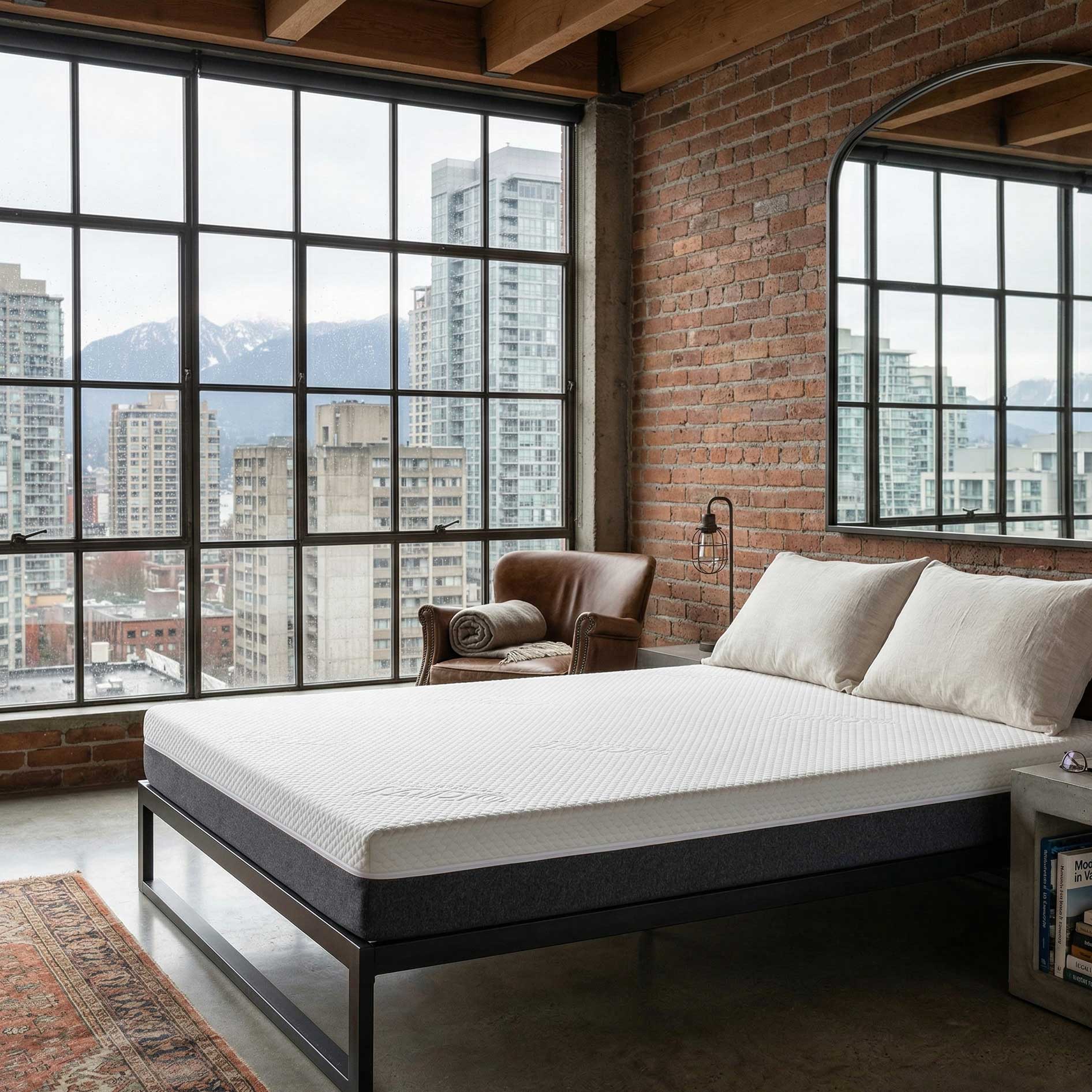
In the slow bedroom framework, the mattress is not background infrastructure. It is the primary object in the room, chosen with the same deliberateness that a sofa or dining table gets in other spaces. This shift in thinking changes what people look for when they buy.
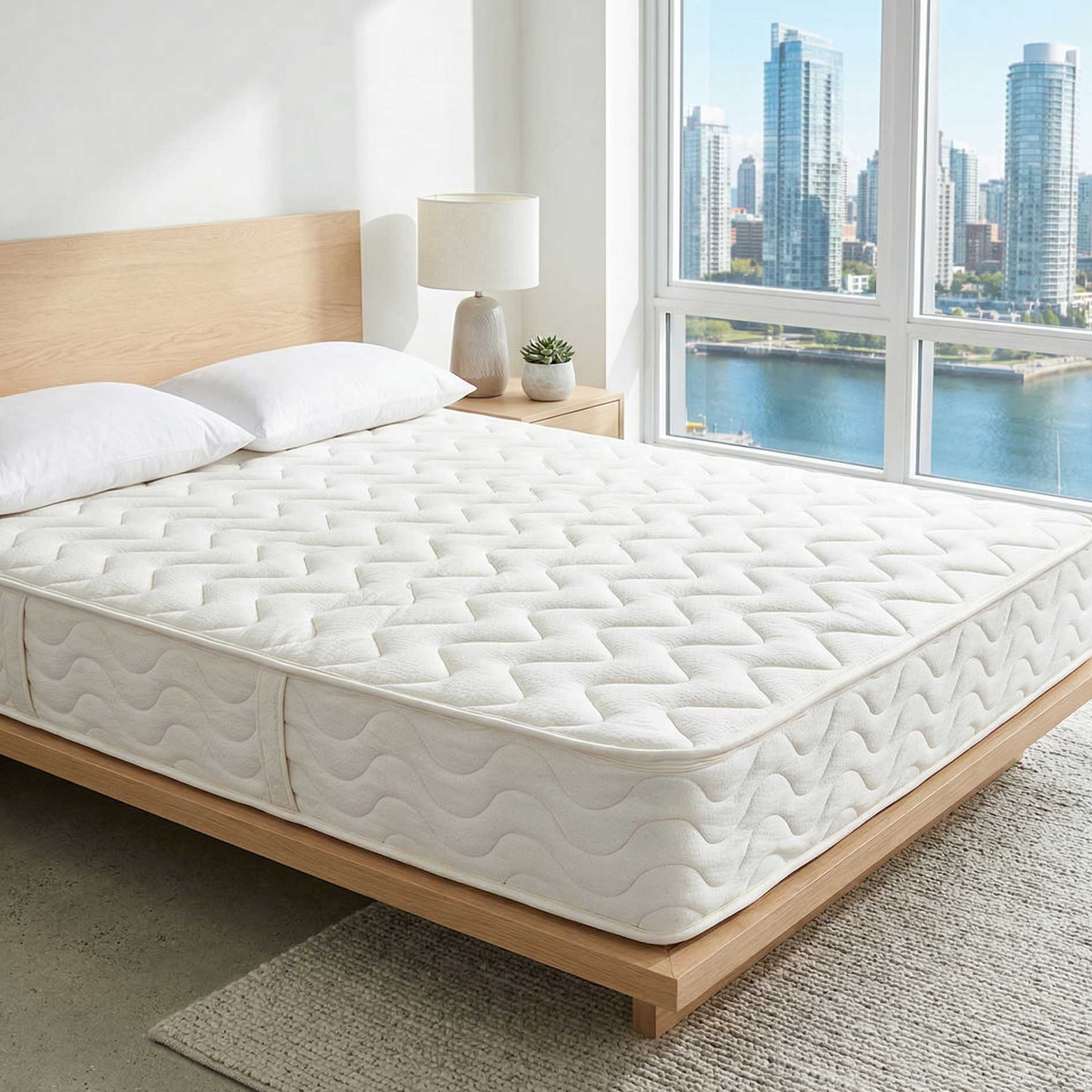
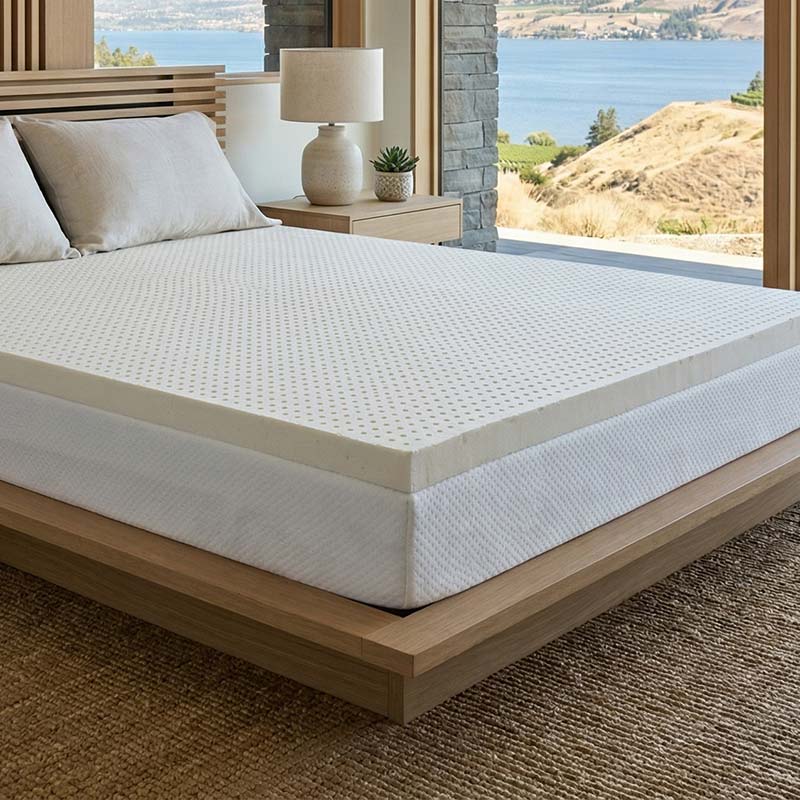
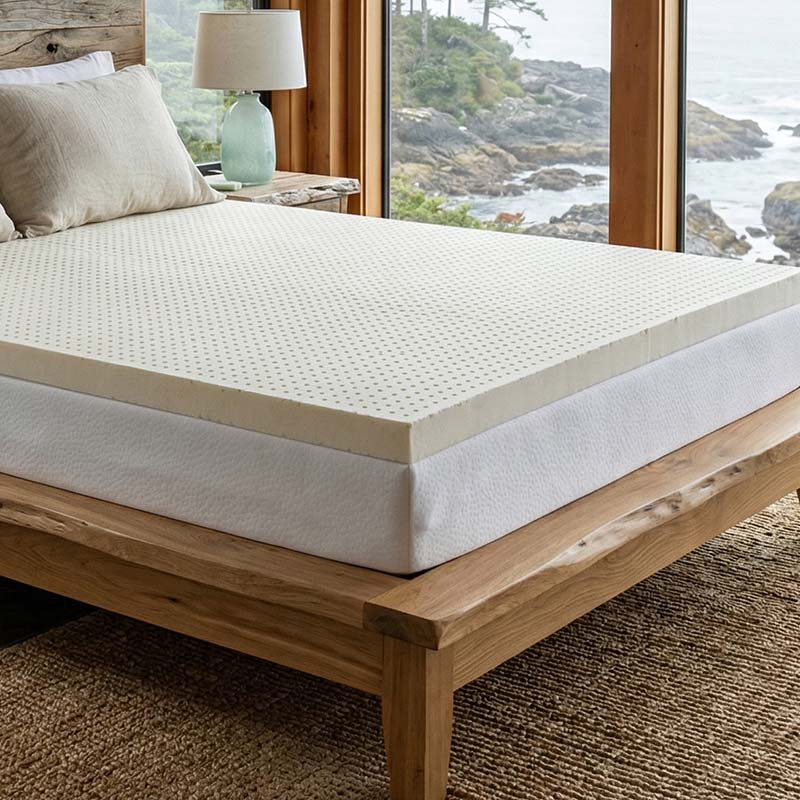
Natural latex has become a stronger part of this conversation because it fits the slow bedroom logic directly. It is a material that lasts: a well-maintained latex mattress holds its support and comfort for 15 to 20 years, which means one good decision rather than a replacement cycle. It is made from a renewable agricultural product rather than petroleum-derived foam. And it is repairable in a way that conventional mattresses are not, with modular builds that allow individual layers to be exchanged if comfort preferences change over time rather than discarding the whole mattress.
The certifications matter in this context too. GOLS-certified organic Dunlop latex is independently verified to pass stringent air quality standards. For a room where the goal is to sleep well and wake up feeling rested, not to inhale the off-gassing of a new synthetic foam mattress for the first six months, that verification is relevant.
The Natural Materials Shift
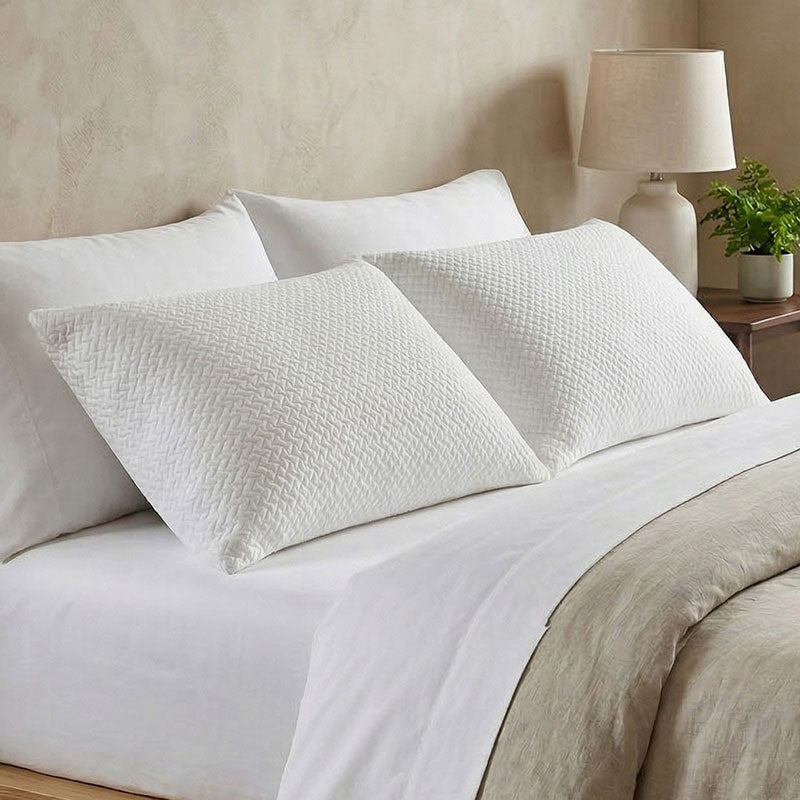
The slow bedroom trend has also driven a renewed interest in natural textiles. Linen, organic cotton, and wool are consistently outperforming synthetic bedding alternatives in Canadian consumer searches over the past two years. The reasons are practical as much as philosophical: natural fibres regulate temperature and moisture more effectively than polyester, they age gracefully rather than pilling or degrading, and they are compostable at end of life.
Wool has had a particular resurgence. Its ability to absorb and release moisture without feeling wet, to regulate body temperature across seasons, and to maintain loft over years of use makes it well-suited to the slow bedroom approach. It is also the reason wool is used as a mattress cover material: it performs the same function against the body that a good wool blanket does, regulating rather than insulating.
The overlap between the slow bedroom trend and the natural materials trend is not coincidental. Both are responses to the same underlying question: what in this room is actually helping me sleep? Everything else is an answer to a different question.
What a Slow Bedroom Actually Looks Like
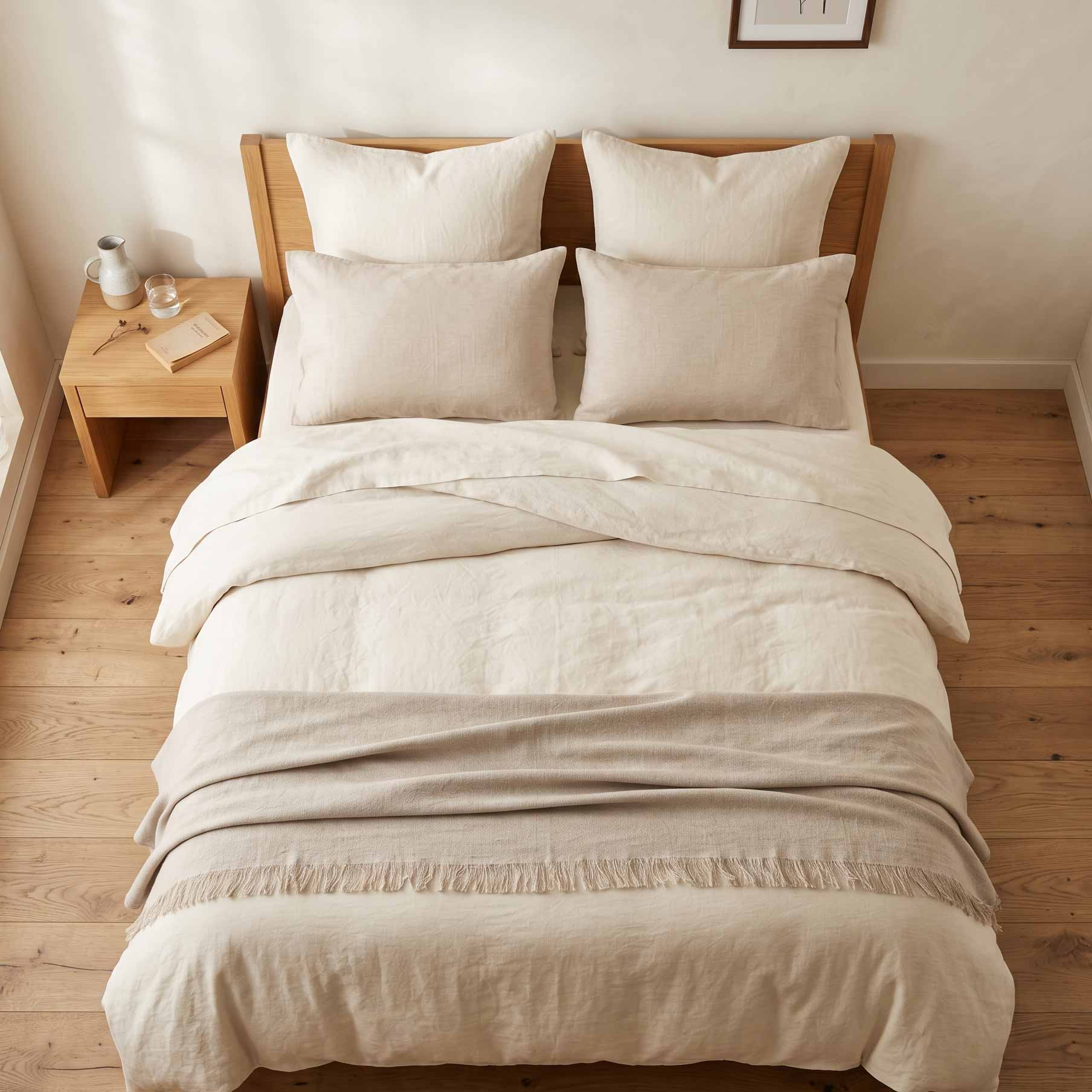
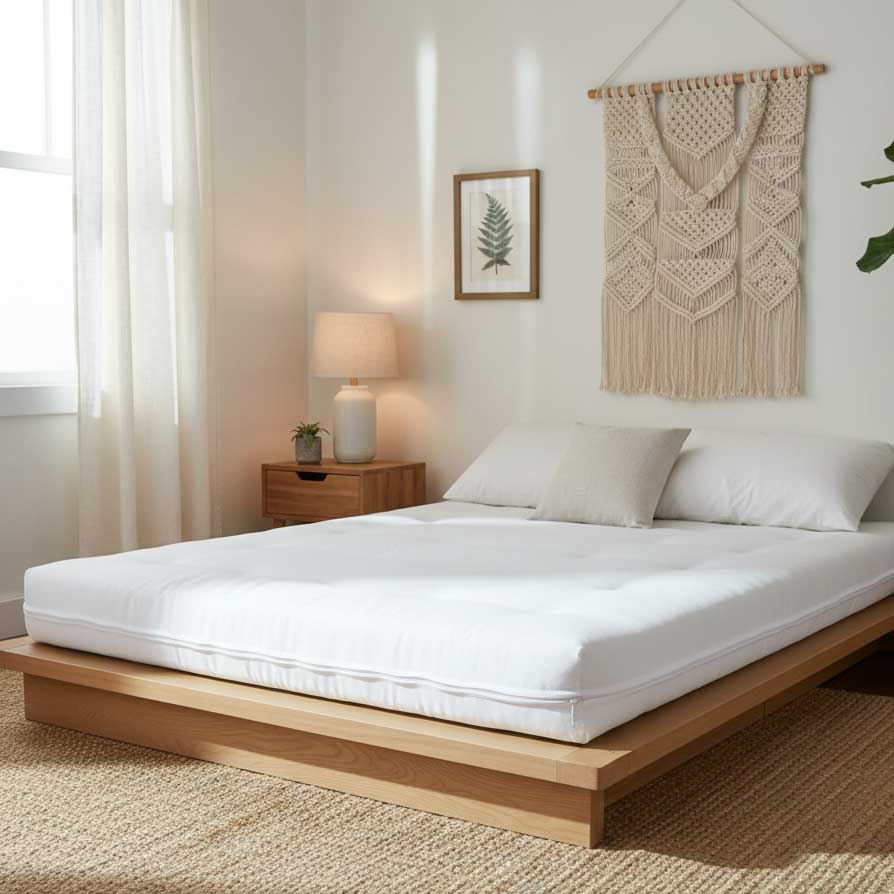
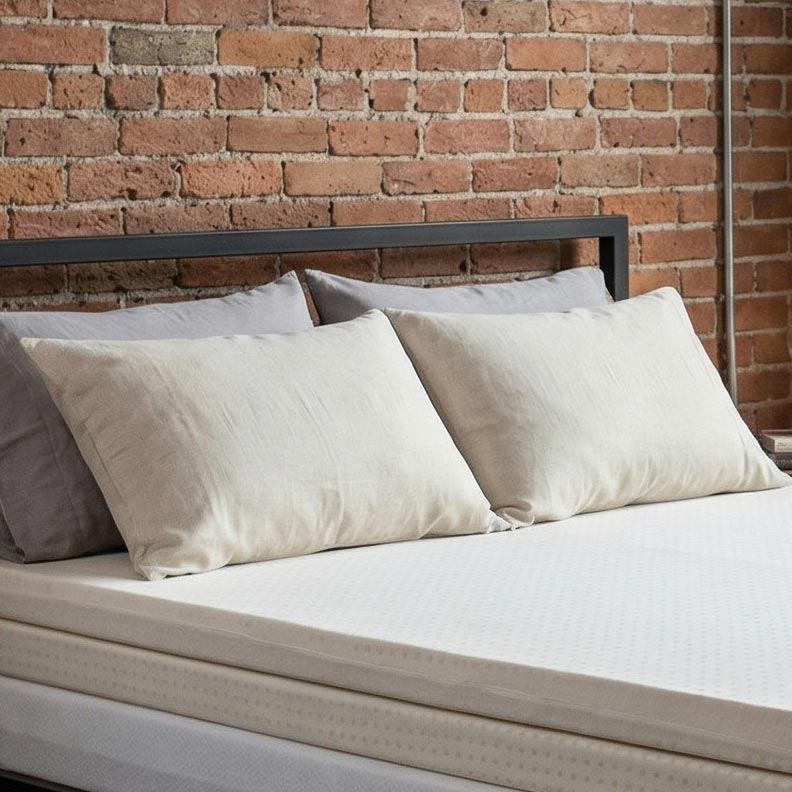
In practice, a slow bedroom tends to share a few characteristics. The colour palette is neutral and low-saturation, not because neutrals are trendy but because they are visually quiet. The window treatment prioritises darkness over style. The surfaces are clear, or nearly so. The bedding is high quality and limited in quantity: one good duvet rather than a stack of decorative throws.
The furniture is often older and better made, or deliberately chosen for longevity rather than trend. A solid wood bed frame rather than a flat-pack particle board one. A bedside table with enough storage to keep surfaces clear. A reading lamp rather than overhead lighting after dark.
And the mattress is the thing the room is built around. Not because it is the most visible element, but because it is the most functional one. Everything else in the slow bedroom supports sleep. The mattress is where sleep actually happens.
Frequently Asked Questions
How does the slow bedroom trend differ from minimalism?
Minimalism as an aesthetic prioritises visual emptiness and a reduced object count as an end in itself. The slow bedroom trend is function-driven: the question is not how few things can fit in the room, but which things actively contribute to sleep quality. A slow bedroom might have bookshelves, artwork, and warm textiles as long as each element serves the room's primary function. The distinction is editorial rather than reductive: keep what works, remove what does not, and invest in what remains.
Are natural fibre mattresses and bedding worth the higher cost for a slow bedroom?
Natural materials tend to have a higher upfront cost and a significantly longer useful life than synthetic alternatives. A GOLS-certified organic Dunlop latex mattress is expected to hold its support and comfort for 15 to 20 years, which changes the cost-per-year calculation substantially compared to a conventional foam mattress replaced every six to eight years. Organic cotton and wool bedding ages similarly: it becomes softer with washing rather than degrading, and lasts considerably longer than polyester alternatives. The slow bedroom approach is, by definition, a long-term investment framework.
Does the slow bedroom approach work in a small space?
It works particularly well in small spaces, where visual complexity has a more pronounced effect on how enclosed the room feels. A small bedroom with a clean palette, good light control, and a high-quality mattress as the centrepiece can feel more restful than a larger room with decorative layers competing for attention. The editing principle applies more directly in a smaller footprint: every item needs to earn its place. A natural latex mattress in a modular build is also well-suited to smaller rooms because individual layers can be adjusted over time without replacing the whole mattress or moving a large piece of furniture.
Sleep Majestic makes handmade organic latex mattresses in Delta, BC, with natural materials and modular builds designed to last. In-person and phone fittings available at 604-731-8226.