Walk through any older neighbourhood in Kelowna, Peachland, or Summerland and you'll find homes built for a different climate than the one the Okanagan has now. Many were constructed before the 1990s, when cross ventilation, deep eaves, and shade from mature trees were the standard approach to summer cooling. Central air conditioning was the exception, not the rule.
That design works when overnight lows drop enough to flush the heat out of the house before sunrise. It works less well when a string of 35°C days keeps the walls and roof absorbing heat faster than the cool evening air can pull it back out. By the time bedtime rolls around, upstairs rooms in particular are often still holding onto the day's heat, sometimes well past midnight.
This isn't a flaw in these homes. It's a mismatch between how they were built and how Okanagan summers have changed. Retrofitting central air is expensive and not always practical in a heritage or character home, which means a lot of Kelowna residents are managing summer heat with fans, blackout curtains, and whatever they can control inside the bedroom itself.
The Orchard and Vineyard Culture Behind the Valley
The Okanagan didn't become one of the country's most productive fruit and wine regions by accident. Cherries, apples, peaches, and grapes all demand patience: soil prepared years in advance, vines or trees that take seasons to mature, a harvest window that can't be rushed without losing quality. It's an agricultural culture built around doing things slowly and getting them right, not around speed.
That same temperament shows up in how people in the valley think about their homes. Character homes get restored rather than torn down. Local food and wine get talked about in terms of where they came from and how they were grown, not just how they taste. There's a regional instinct toward materials with a real origin story.
It's not a stretch to connect that instinct to how a mattress gets made. The same patience that goes into a Kelowna vineyard applies to growing cotton, tapping latex from a rubber tree, or raising sheep for wool. None of these materials can be rushed into existence the way a synthetic foam can.
What Latex and Cotton Have in Common With an Orchard
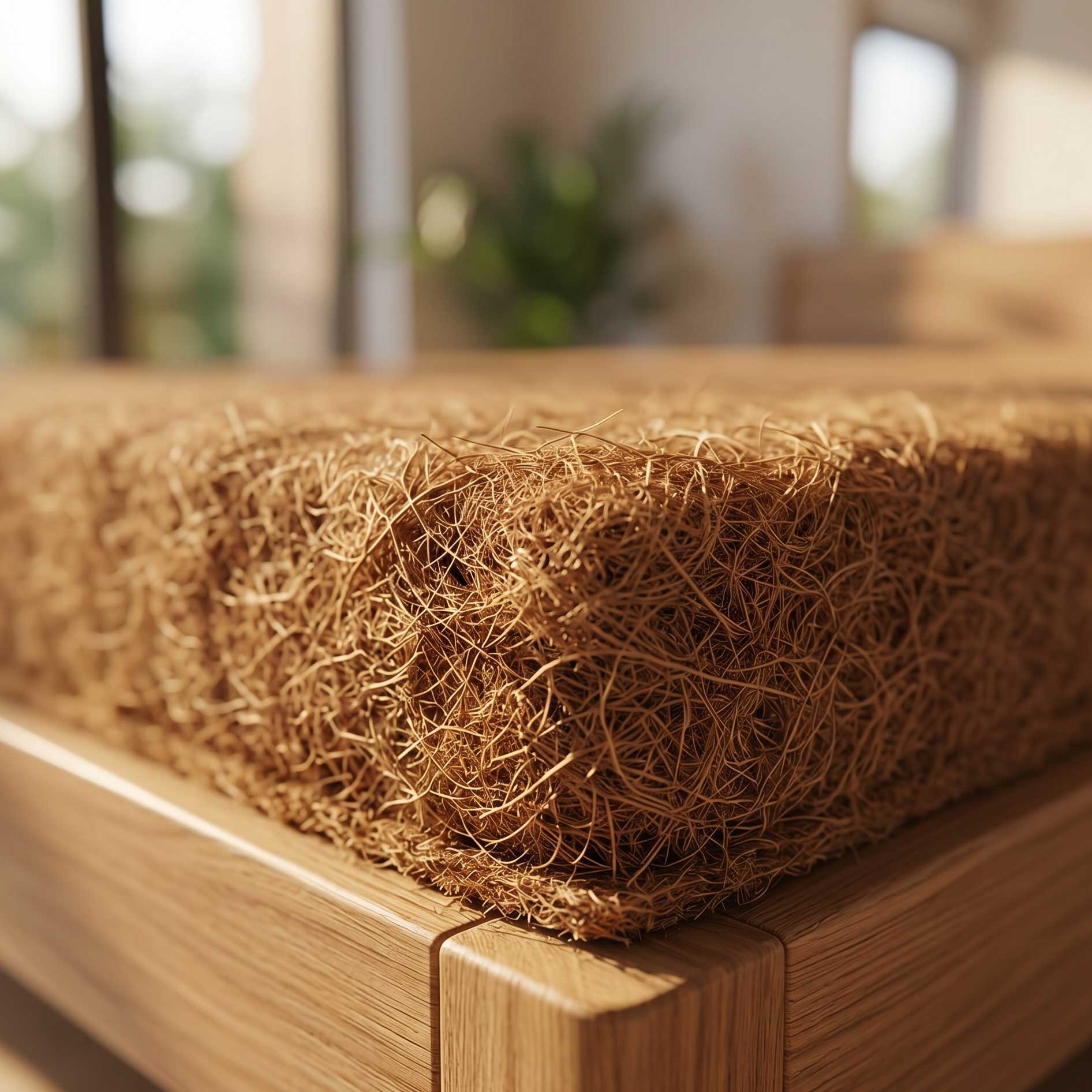
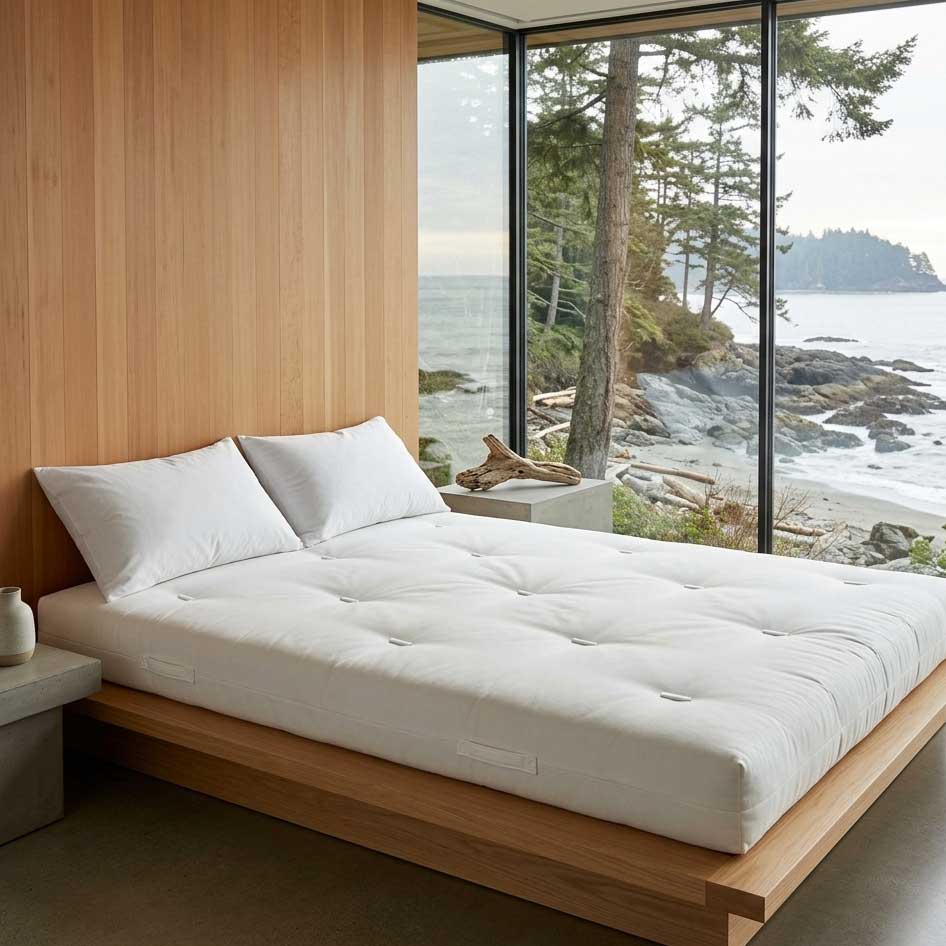
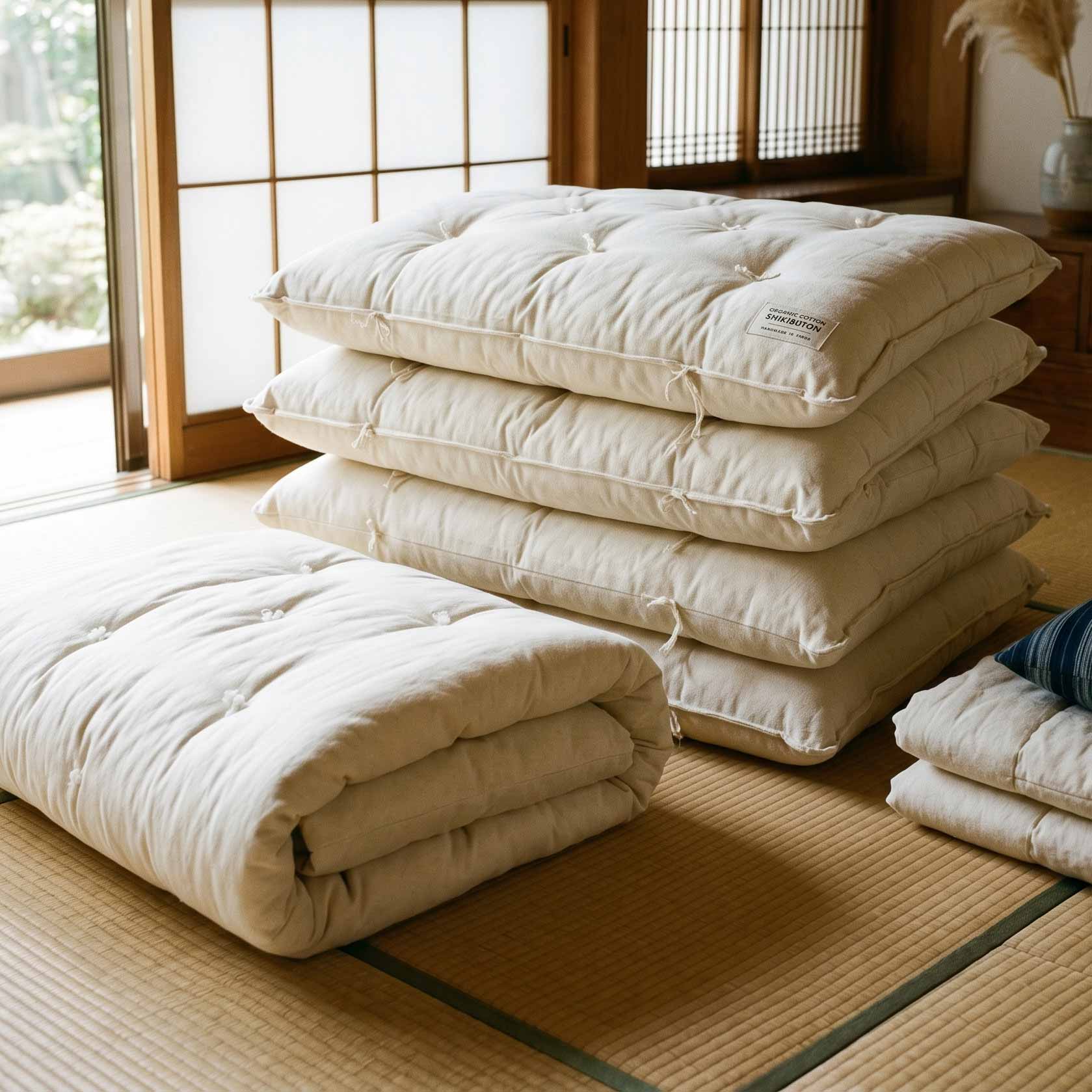
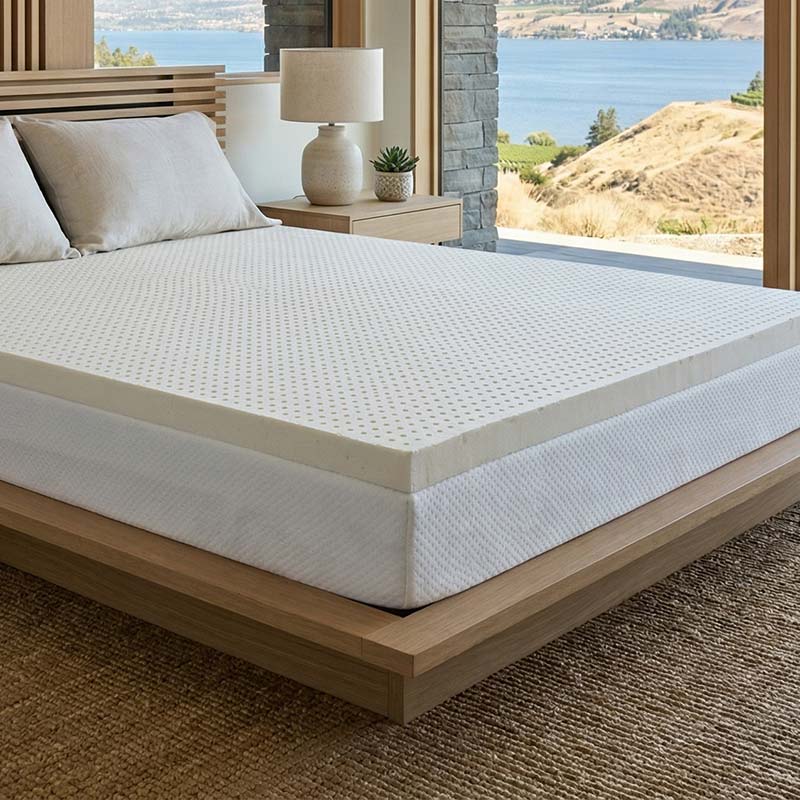
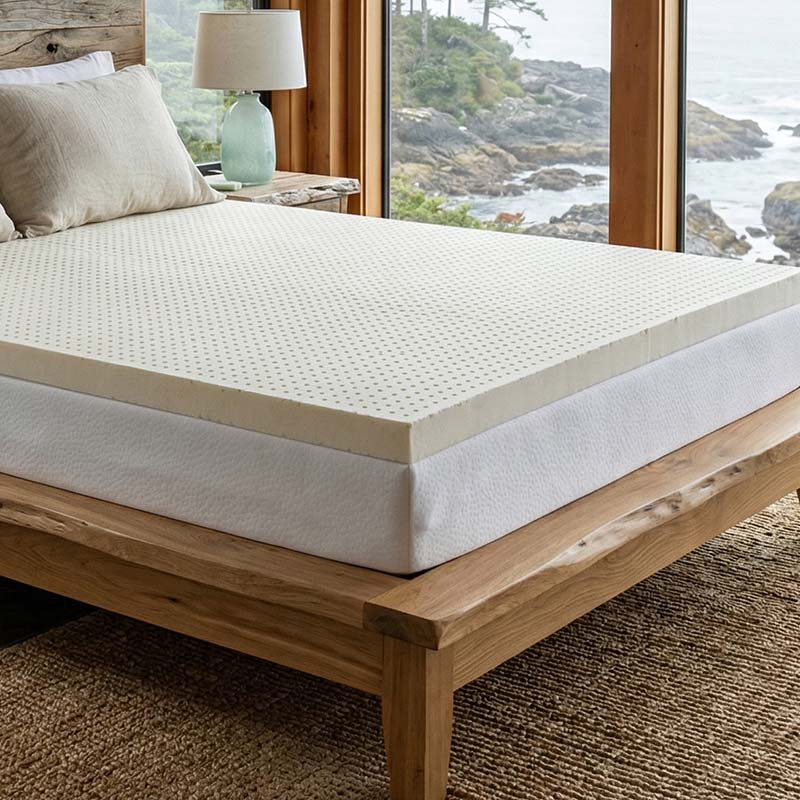
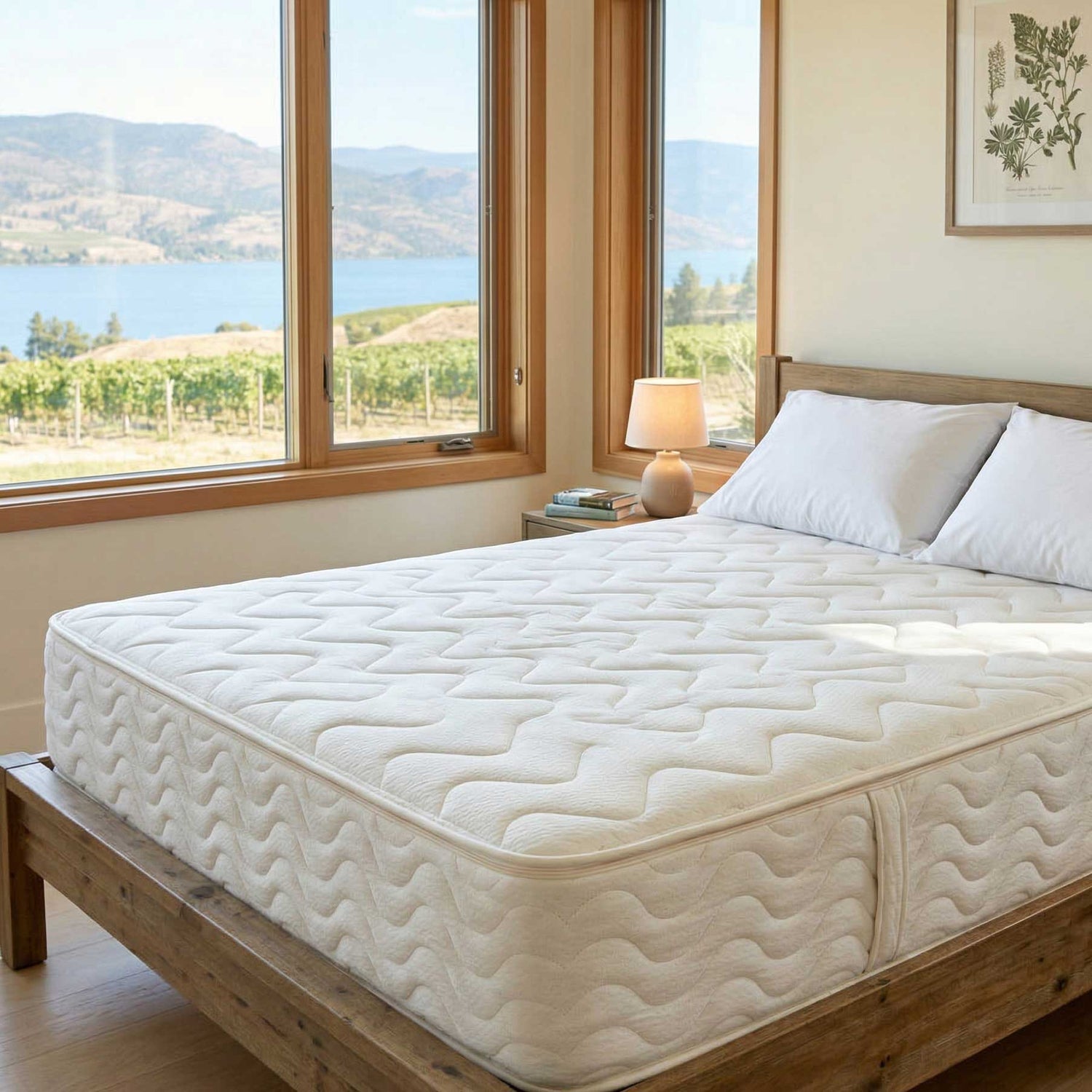
Organic Dunlop latex starts as sap tapped from a rubber tree, a process that doesn't harm the tree and can continue for decades from the same plant, not unlike how an Okanagan orchard produces fruit year after year from trees planted a generation earlier. The sap is then cured into latex foam rather than synthesized from petrochemicals in a lab. Raw cotton batting follows a similar logic: grown, harvested, and processed, not manufactured from scratch.
This agricultural origin matters for more than the story behind it. GOLS-certified organic Dunlop latex is among the most independently tested foam available, verified by GOLS, Eco-Institut, and Oeko-Tex for air quality. Like any natural material, latex does produce some odour and trace VOCs as it cures, but the testing behind GOLS certification exists specifically to confirm those levels fall well within strict air quality guidelines.
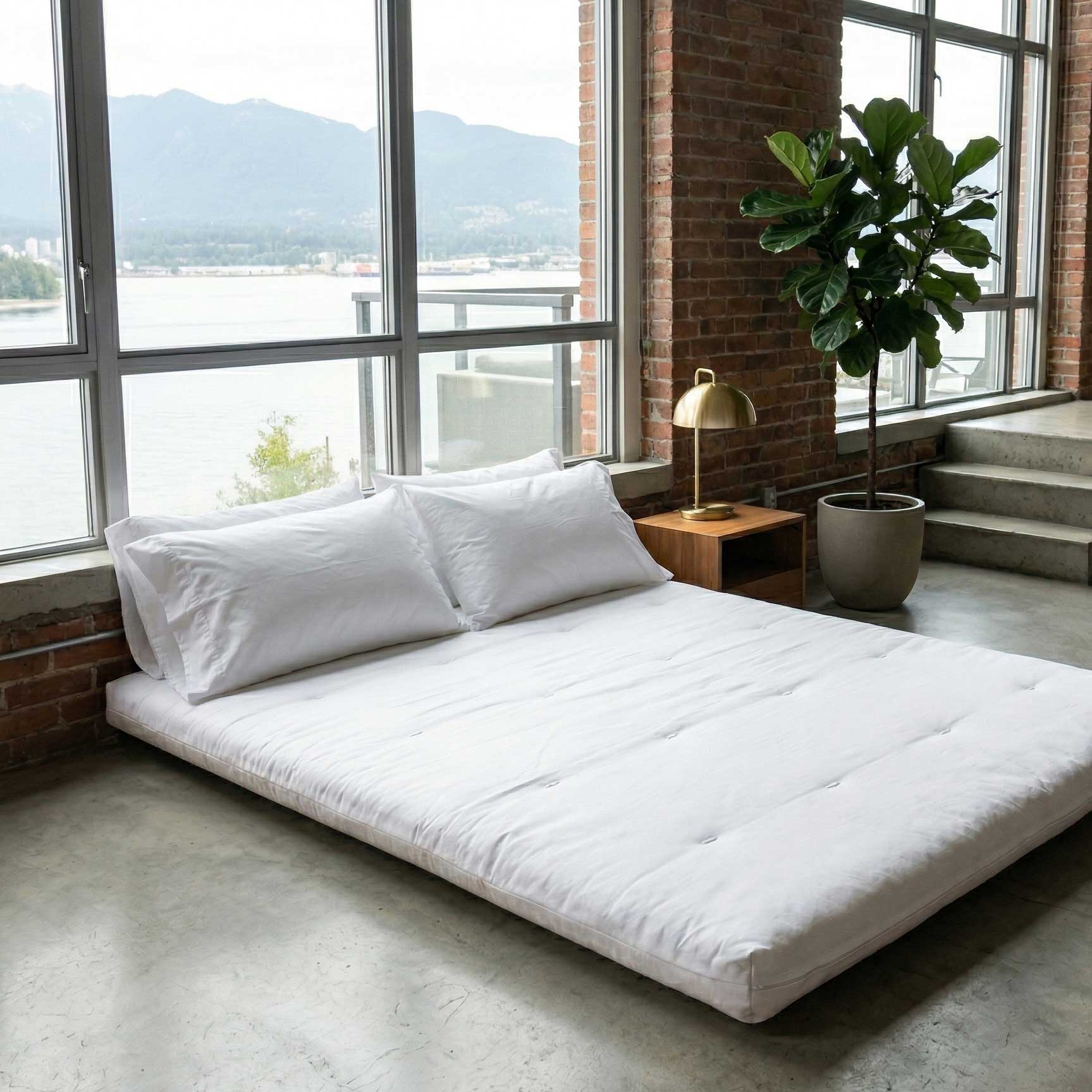
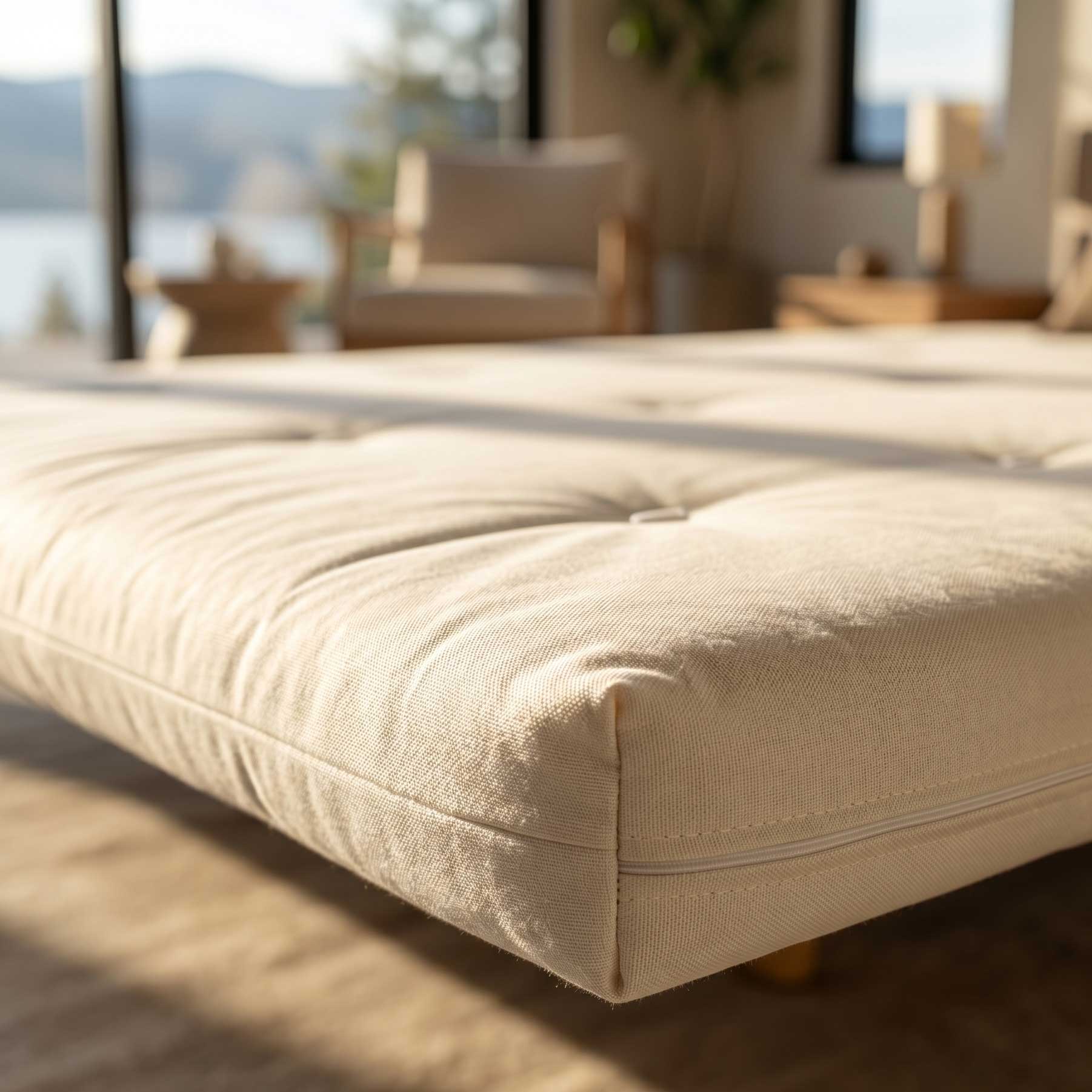
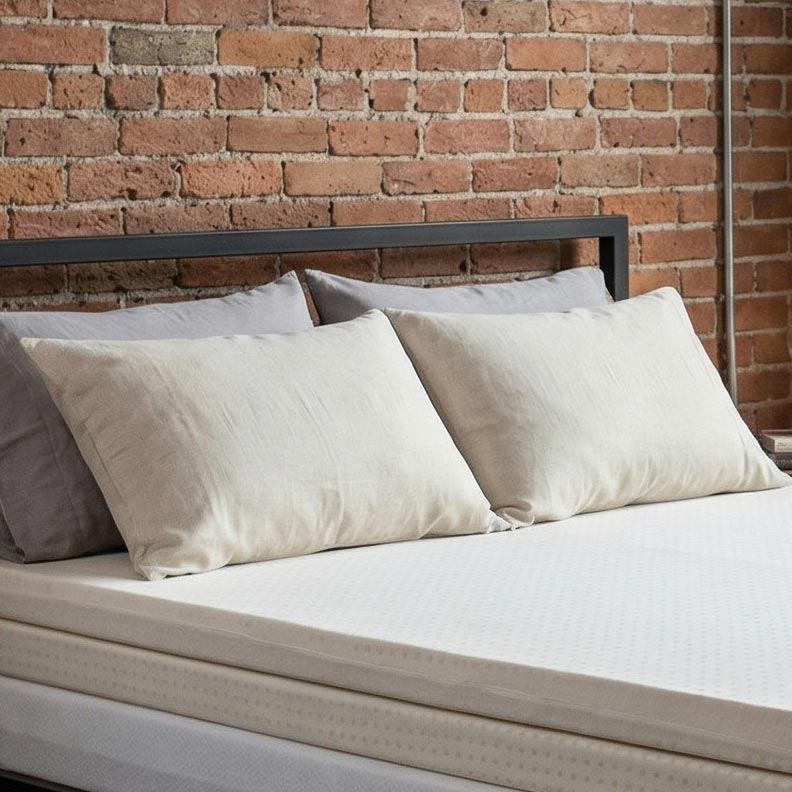
There's also a practical heat benefit. Latex has an open cell structure that allows air to move through the material rather than trap it against the body overnight, which matters more in a hot Okanagan bedroom than almost anywhere else in the province. Combined with a breathable cotton or Tencel cover, it gives the body somewhere for heat to go instead of holding it close to the skin.
Choosing a Mattress That Works With the Heat, Not Against It
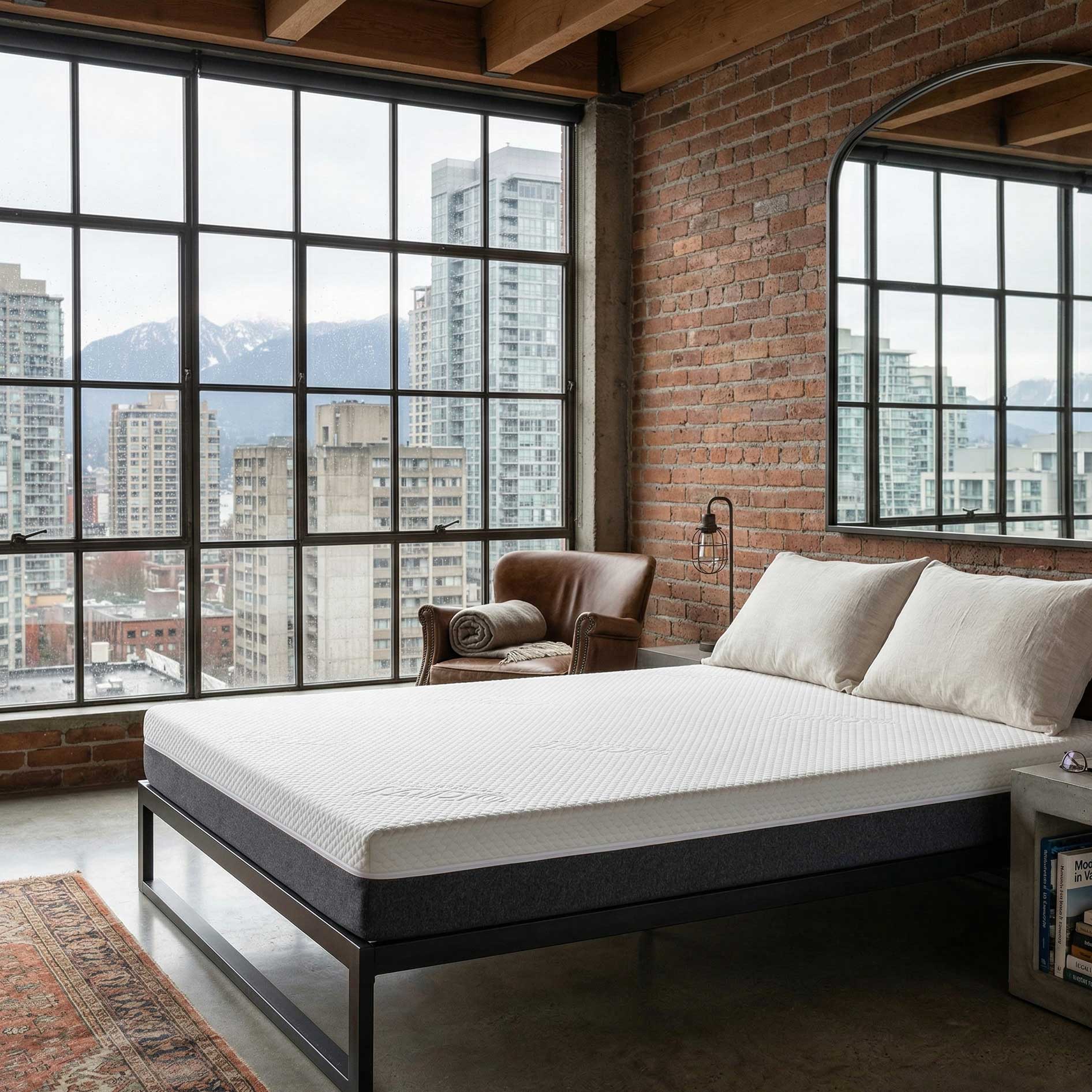
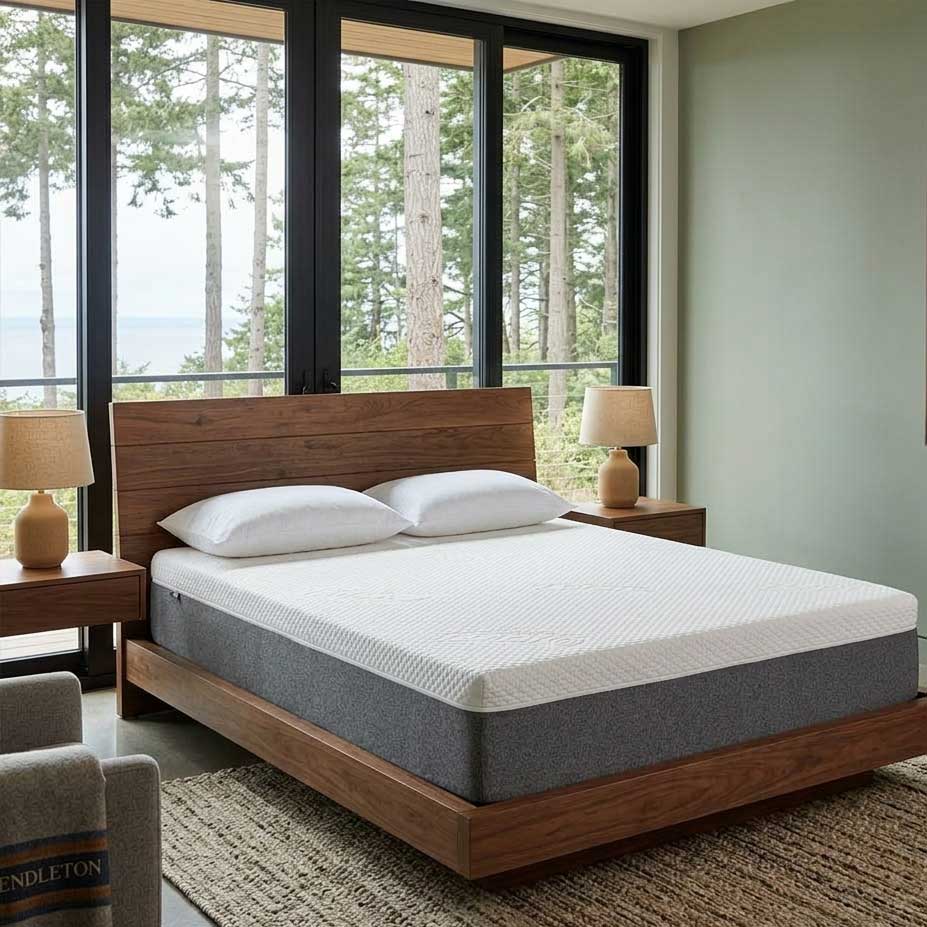
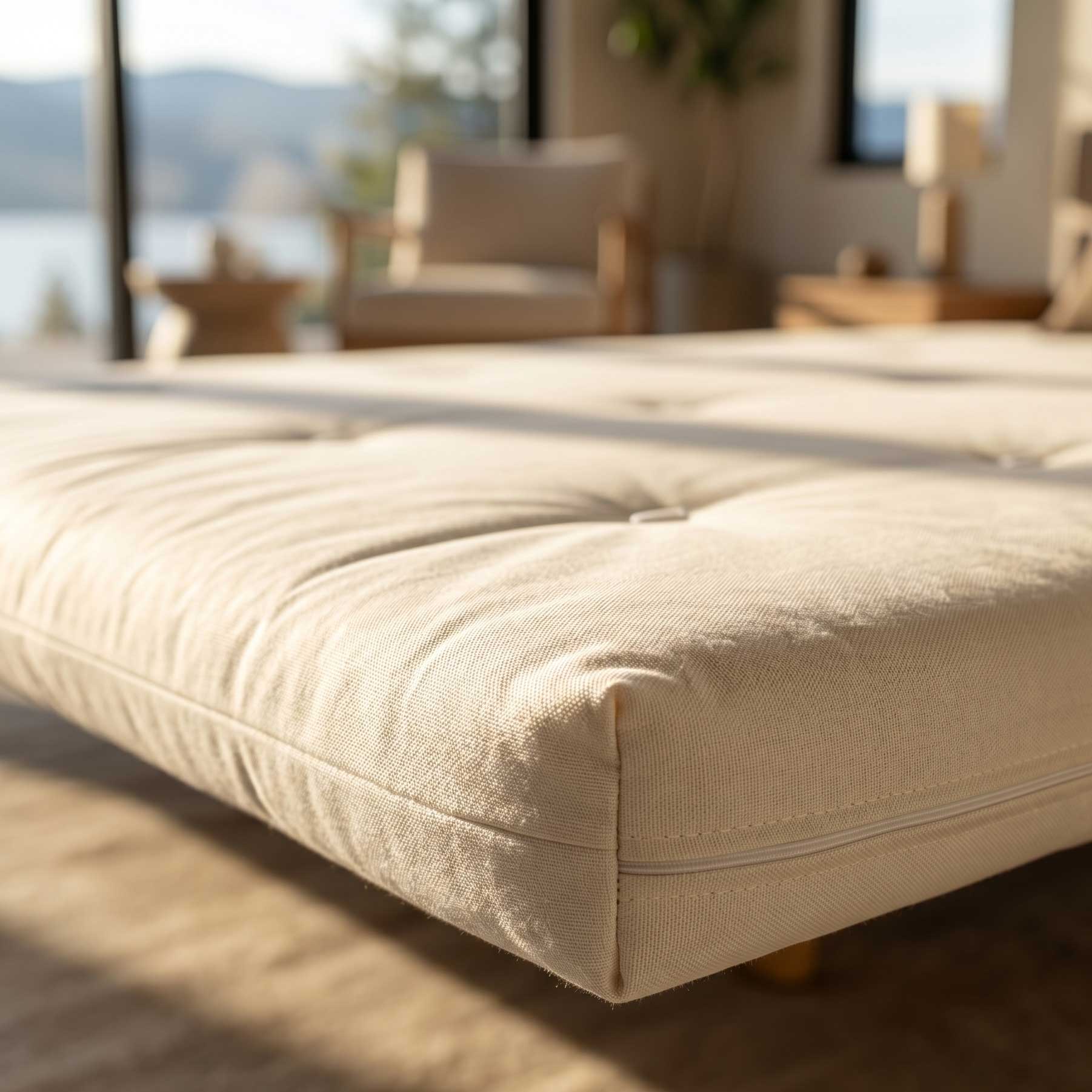
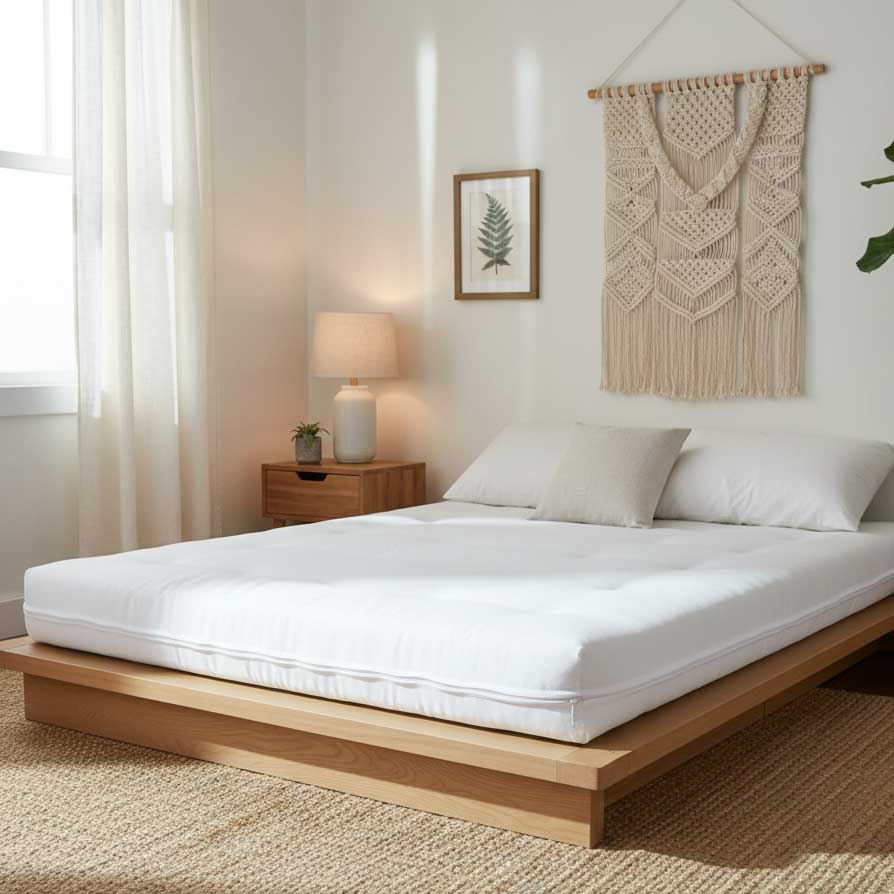
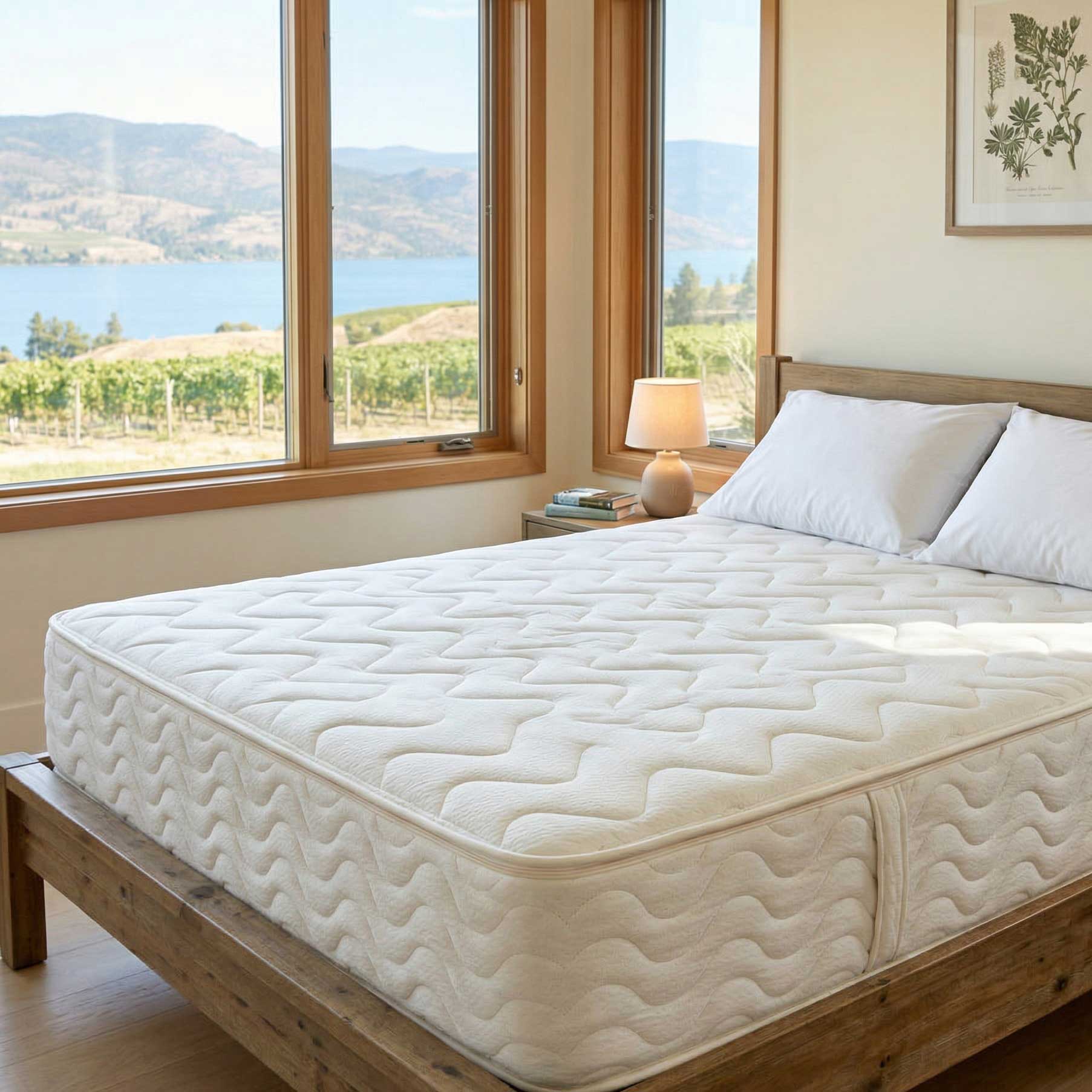
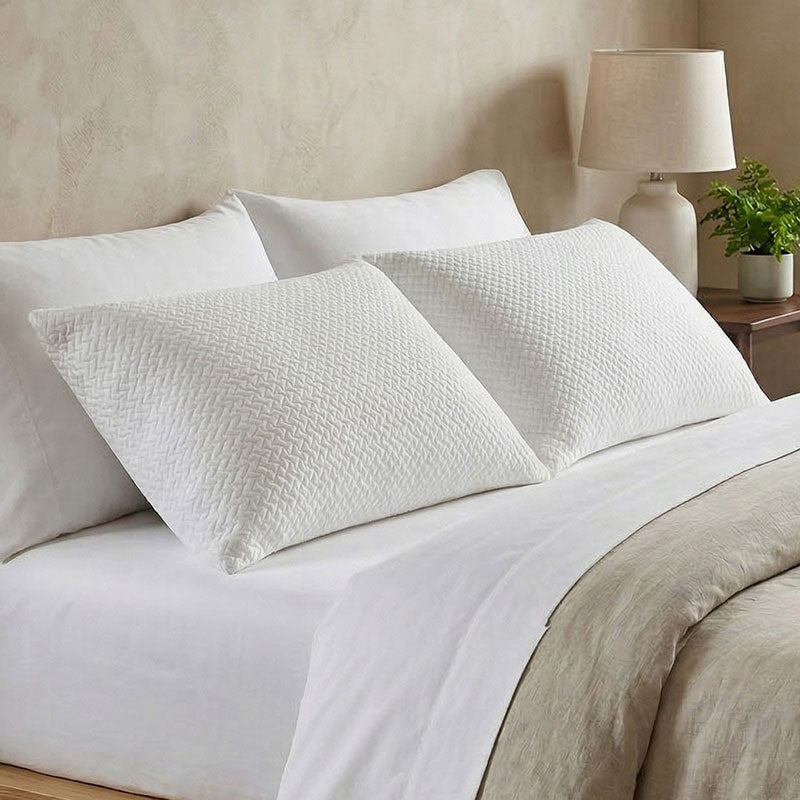
For anyone furnishing a bedroom in an older Kelowna or Okanagan home, a few practical choices make a real difference through July and August. A Tencel cover feels noticeably cooler to the touch than an Organic Cotton and Wool cover, which makes it worth considering for a south-facing upstairs bedroom specifically, even though the cotton and wool option has its own benefits in winter.
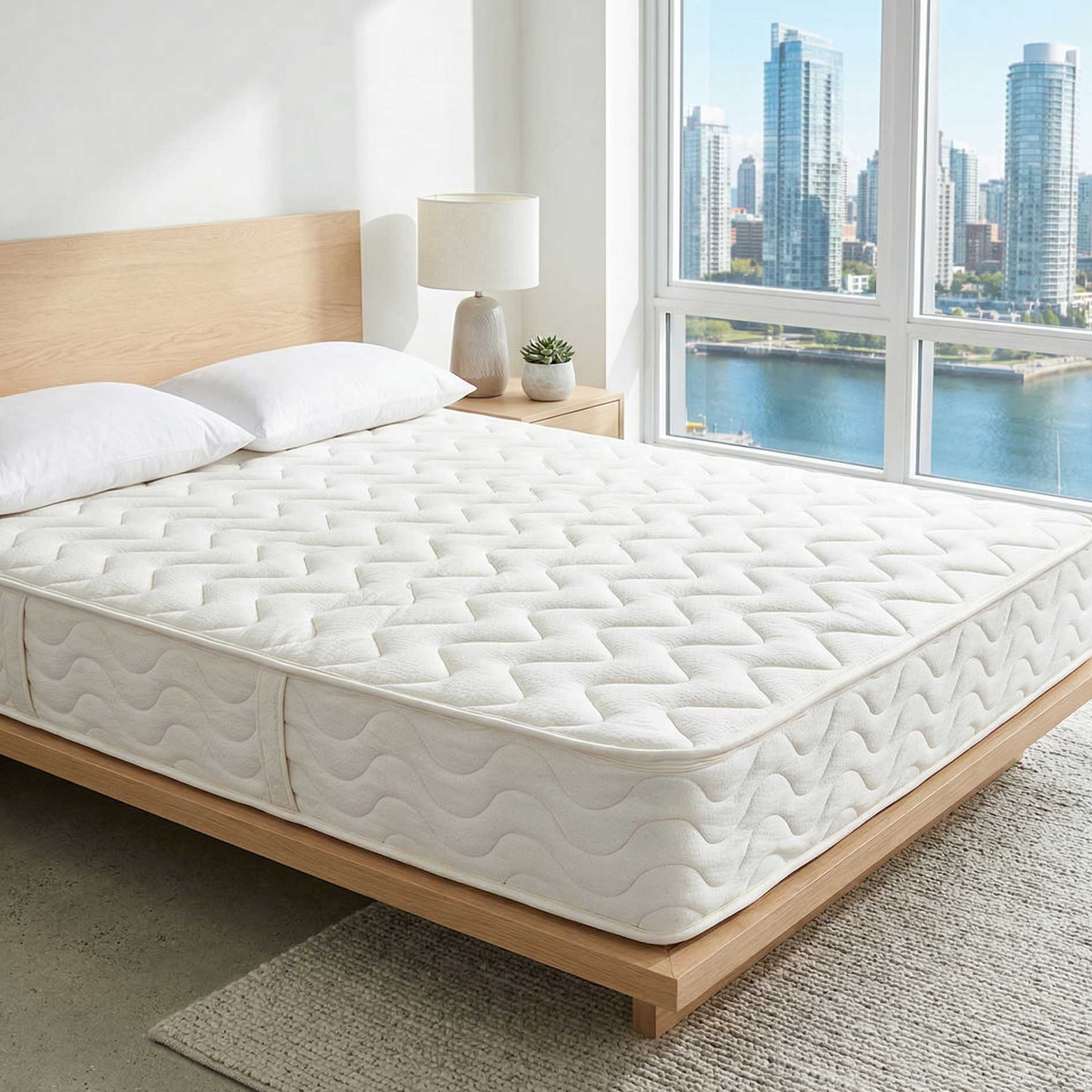
Firmness and layer configuration matter too, separate from temperature. A Soft or Medium comfort layer in Talalay latex tends to feel different against the skin than a denser Dunlop layer, and either can be adjusted later if the feel isn't quite right. Bed frame choice plays a role as well: a slatted foundation with enough airflow underneath supports the mattress properly and helps prevent heat and moisture from building up underneath it, which matters in a warm climate.
None of this replaces an actual cooling system, but it removes one of the more controllable sources of trapped heat in the room, which counts for something on a 2 a.m. Okanagan night in August.
Frequently Asked Questions
Why do older Kelowna and Okanagan homes get so hot at night in summer?
Many character homes in the Okanagan were built before central air conditioning was standard, relying instead on cross ventilation and shade from mature trees. Thick stucco or wood construction holds heat absorbed during the day and releases it slowly overnight, which keeps upstairs bedrooms warm well past midnight. An organic latex mattress with a breathable cotton or Tencel cover won't fix the room, but it removes one source of trapped heat.
Does a latex mattress sleep hotter than other mattress types?
Organic Dunlop latex has an open cell structure that lets air move through the material instead of trapping it against the body, supporting natural temperature regulation through the night. Cover choice plays a role too: a Tencel cover feels cooler to the touch than an Organic Cotton and Wool cover, which matters more in a hot Okanagan bedroom than in a cooler climate.
What does the Okanagan's agricultural history have to do with mattress materials?
Latex, cotton, and wool are all agricultural products grown and processed with the same patience the Okanagan applies to orchards and vineyards. Organic Dunlop latex comes from rubber tree sap, tapped without harming the tree, then cured rather than chemically synthesized. That slower, agricultural process is part of why GOLS-certified latex passes some of the strictest independent air quality testing available.
Sleep Majestic makes handmade organic latex mattresses in BC and ships across Canada, including to the Okanagan. Phone fittings are available if you want to talk through firmness and cover options before ordering, at sleepmajestic.com/pages/delta-latex-mattress-store or 1-866-590-2228.