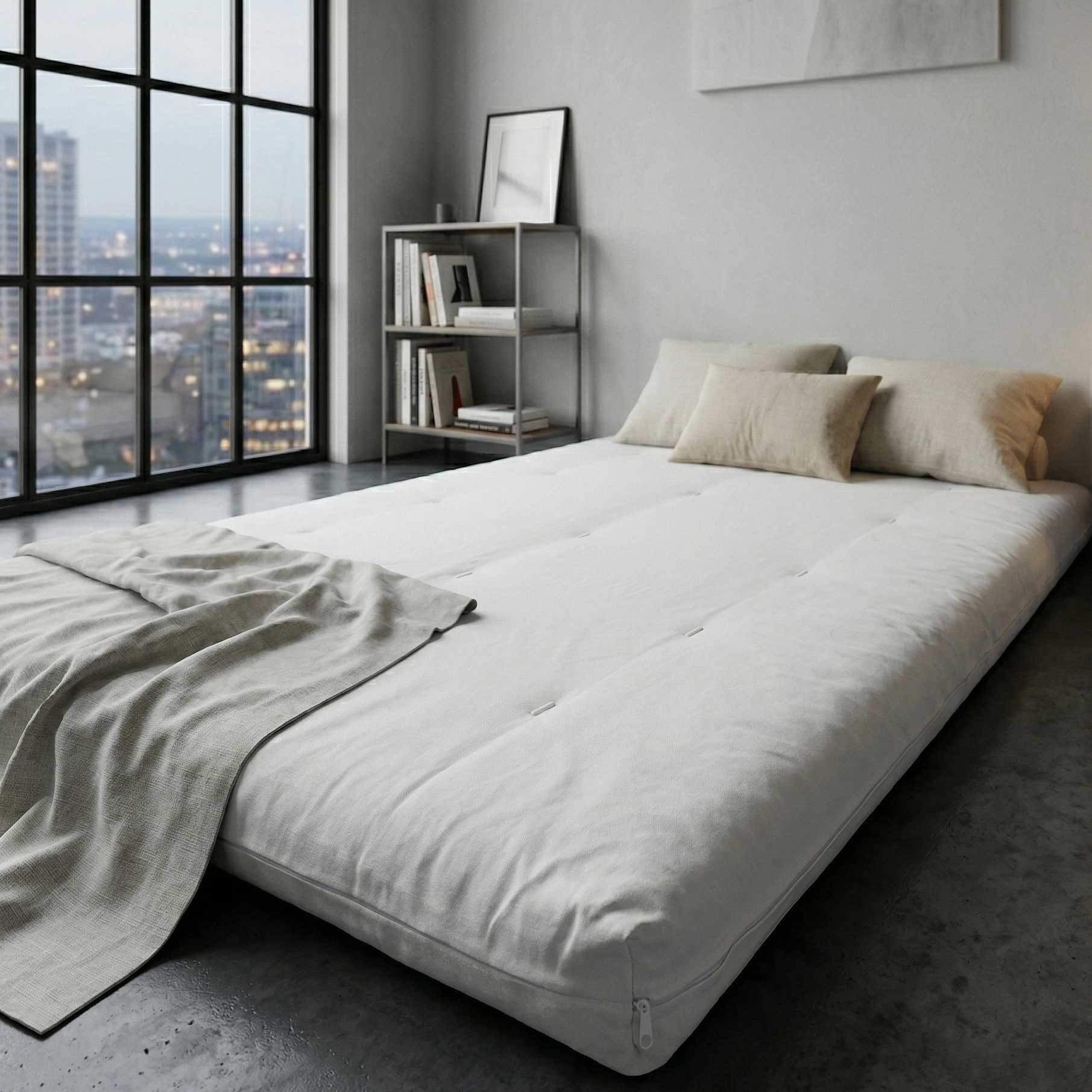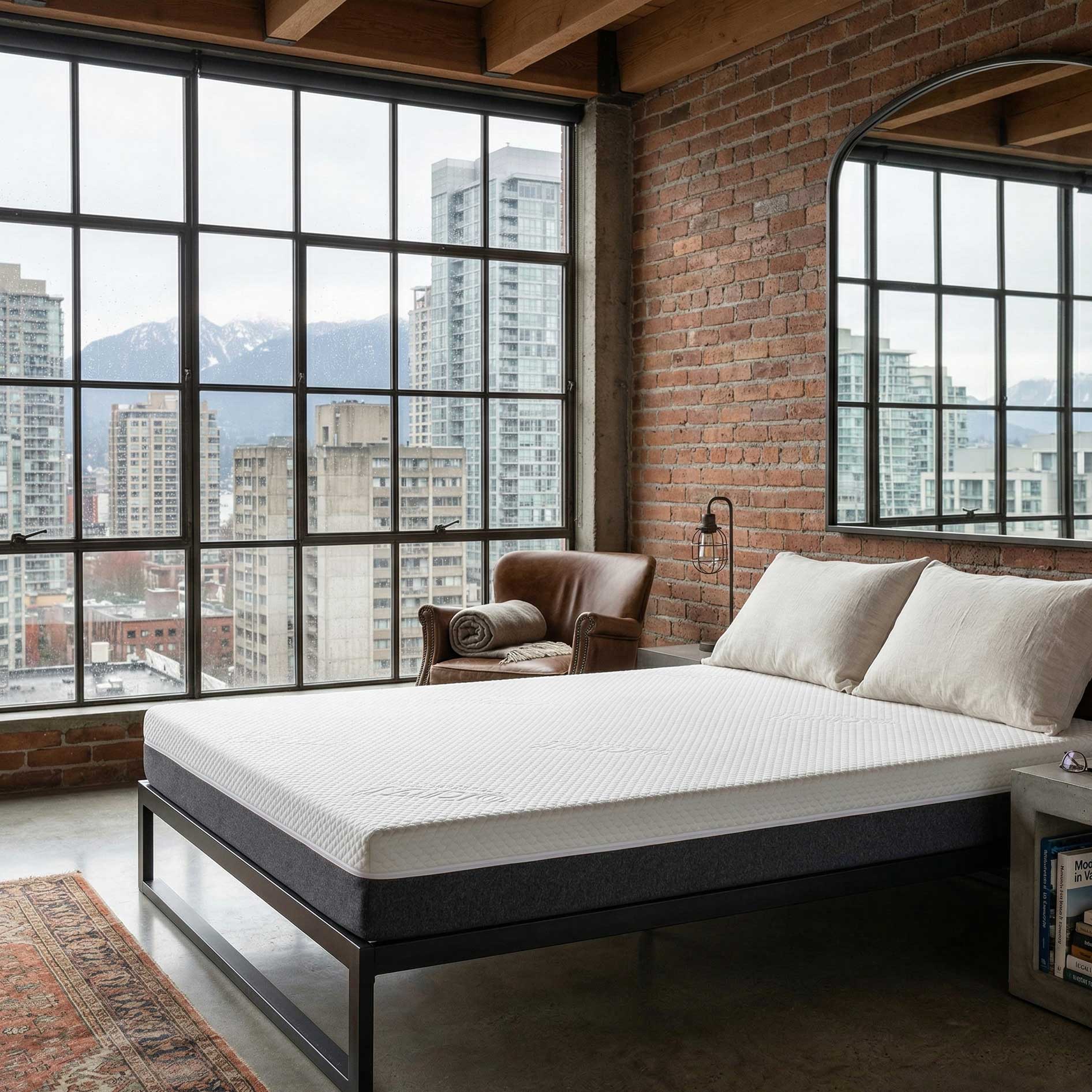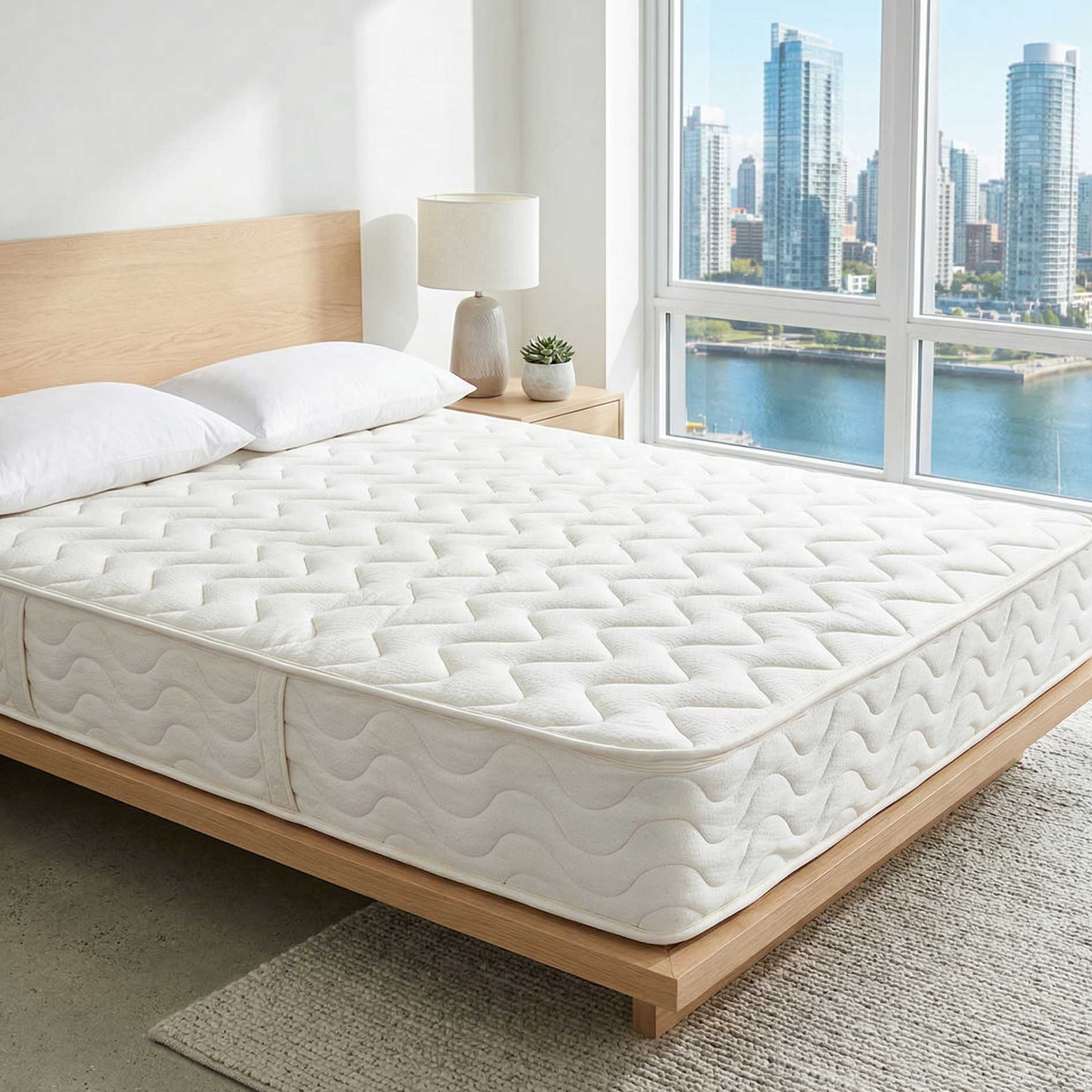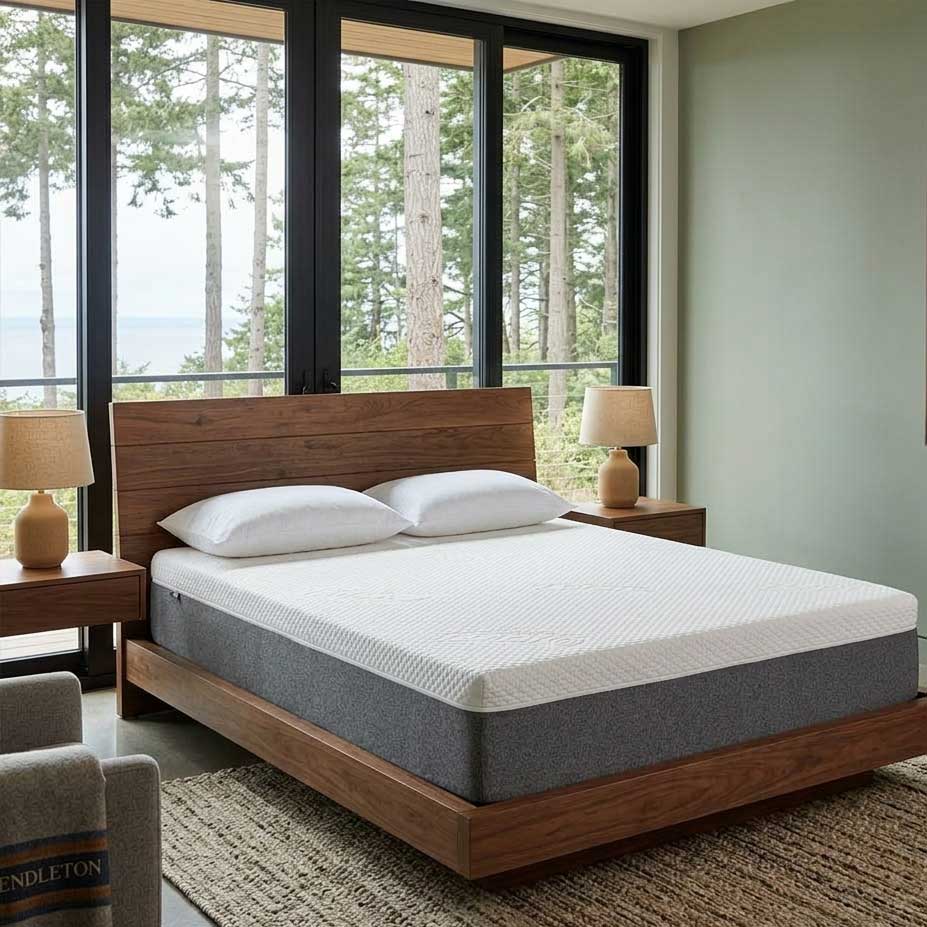

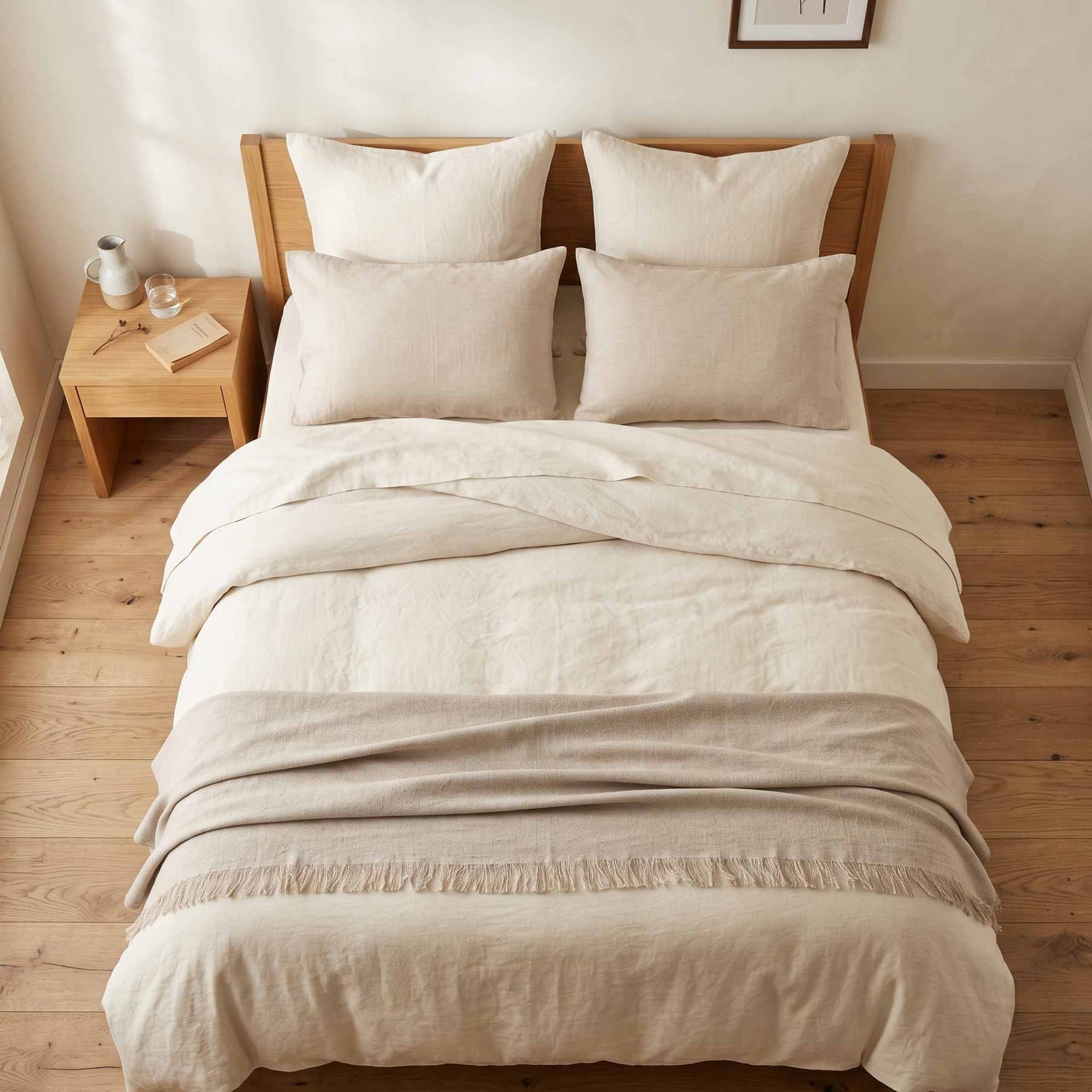
A national Leger survey from March 2026 found that 41% of Canadians are getting less than the recommended seven hours of sleep per night. That's not a bad week. That's a chronic deficit that compounds over time, affecting cognition, metabolism, cardiovascular health, and immune function. Sleep debt isn't a metaphor. It's a measurable state, and most people carrying it have been doing so long enough that they no longer notice.
The Numbers Are Not Improving
Statistics Canada data puts roughly one in three Canadian adults below the seven-hour threshold on a regular basis. Among working-age adults between 25 and 64, the rate is higher. The economic cost of insufficient sleep in Canada has been estimated at over $500 million annually in direct healthcare costs alone, with depression and type 2 diabetes as the two most expensive associated conditions.
Most people know they're not sleeping enough. The problem isn't awareness — it's the assumption that the solution is behavioural. Go to bed earlier. Put the phone down. Take a supplement. These things can help at the margins, but they don't address the environment where sleep either happens or doesn't.
The bedroom is where sleep debt is paid back, or where it keeps accumulating. And for most Canadians, the bedroom hasn't been set up with that in mind.
What the Bedroom Is Actually Doing to Your Sleep
Three physical factors in the sleep environment have the most documented impact on sleep quality: temperature, pressure, and noise. Noise is the hardest to control. Temperature and pressure are entirely within reach.
Body temperature drops naturally as you fall asleep — a process called thermoregulation. If your sleep surface traps heat, that process is disrupted. Most conventional mattresses are made from closed-cell polyurethane foam, which retains body heat because there's nowhere for it to go. The result is a sleep surface that gets warmer through the night, not cooler. You may not wake up, but your sleep cycles are shallower than they would otherwise be.
Pressure is the other variable. When a sleep surface doesn't conform to the body's contours, pressure builds at contact points — shoulders, hips, knees. The body responds by shifting position. Each shift interrupts the sleep cycle. Over a full night, a mattress that creates pressure points produces measurably more fragmented sleep than one that distributes weight evenly.
Why Natural Latex Addresses Both Problems
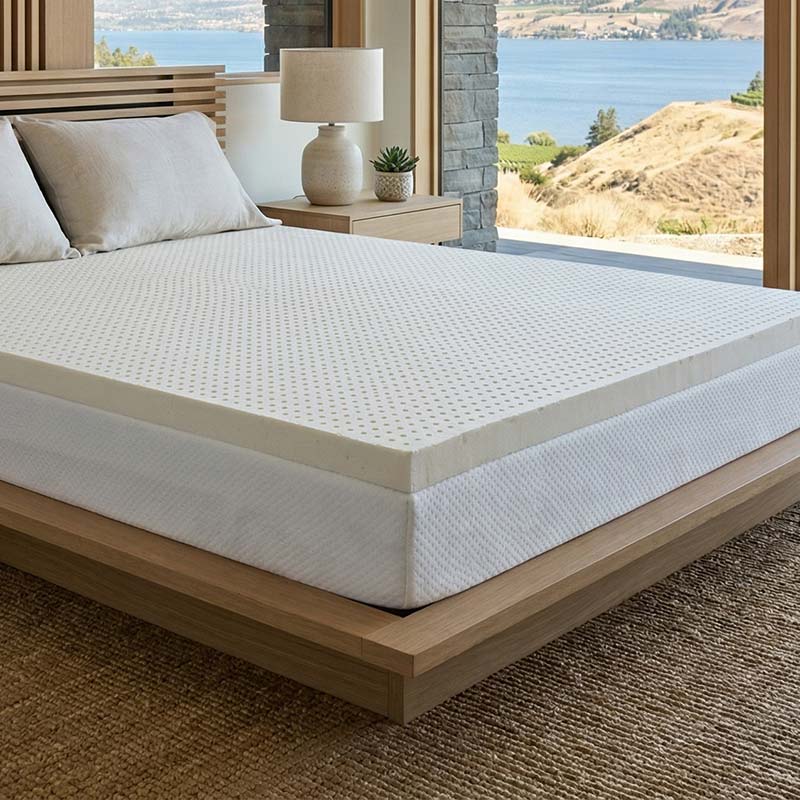
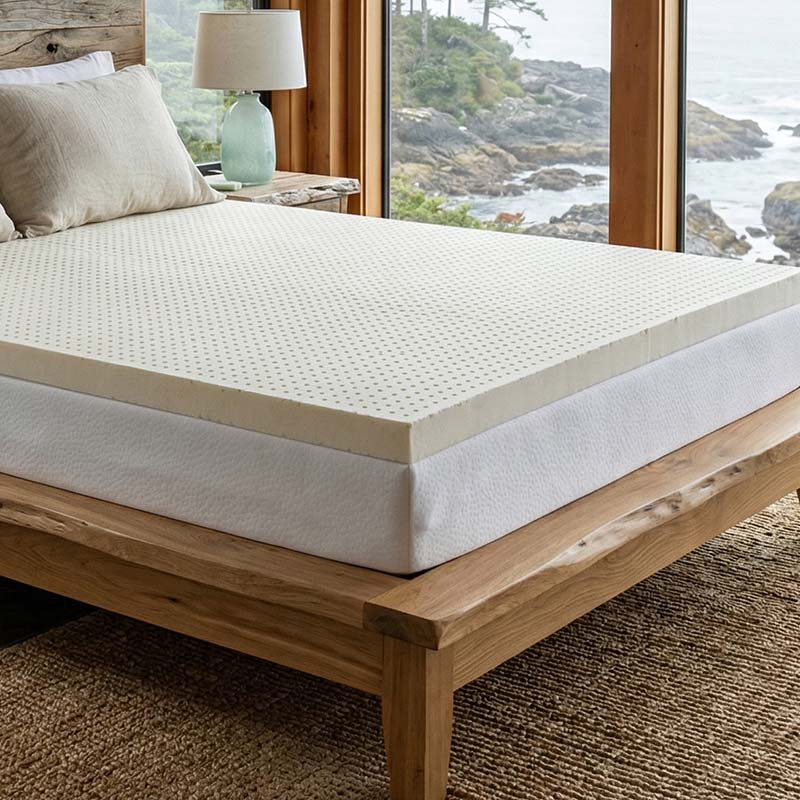
Natural latex has two properties that are relevant here. First, it has an open cell structure — the material is full of interconnected air pockets that move air as the sleeper moves, which helps dissipate body heat rather than retain it. This is a physical property of the material, not a marketing claim, and it's most noticeable in warmer months when body heat has nowhere to go on a conventional foam surface.
Second, latex responds to pressure rather than resisting it. When weight is applied, latex compresses at the point of contact and supports the areas around it. This reduces pressure at the hips and shoulders for side sleepers, and provides even support across the lumbar region for back sleepers. The result is fewer position changes through the night, which means more time in deeper sleep stages.
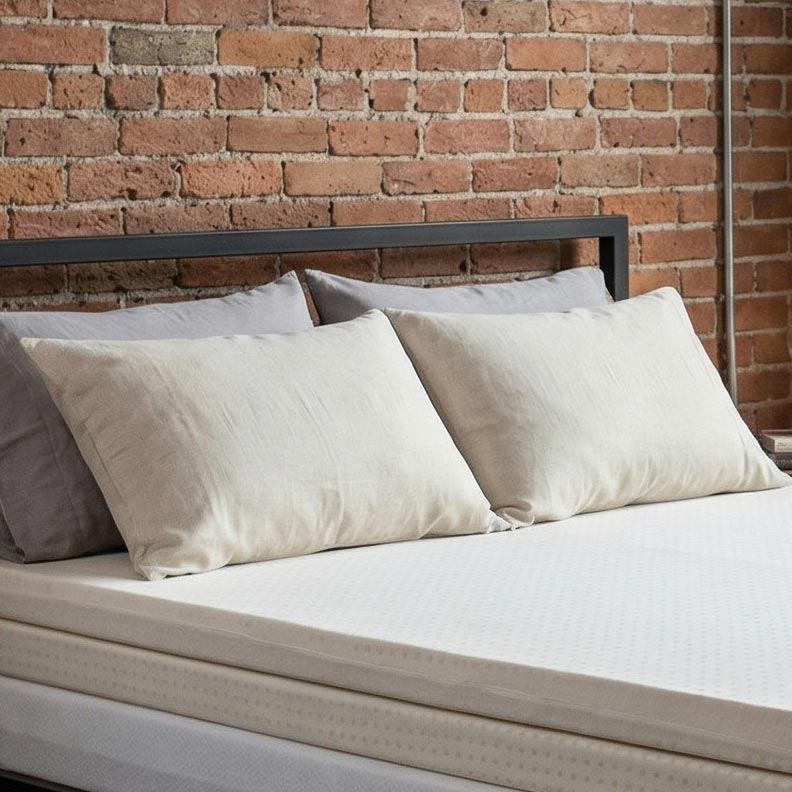
The firmness of the latex determines how pronounced each effect is. Softer latex compresses more readily, which benefits side sleepers with more surface area in contact with the mattress. Firmer latex provides more resistance, which benefits back and stomach sleepers who need lumbar support without sinking. A GOLS-certified organic Dunlop latex mattress is available in multiple firmness configurations specifically to match different sleep positions — not as a customisation feature, but because different bodies genuinely need different surfaces.
The One Investment That Actually Moves the Number
The Canadian Chiropractic Association identifies sleep surface and bedroom environment as among the most modifiable factors for improving sleep quality. Most of the other interventions people try — supplements, apps, white noise machines — operate at the margins of a system that's fundamentally constrained by what you're lying on.
This isn't an argument to ignore everything else. Consistent sleep timing matters. Light exposure matters. Caffeine timing matters. But if the surface you're sleeping on is creating heat and pressure throughout the night, none of those other adjustments will fully compensate.
Forty-one percent of Canadians in sleep debt is a systemic problem with a lot of contributing factors. But the bedroom is the one place where an individual has direct, practical control over the conditions. Starting there isn't defeatist — it's sensible.
Frequently Asked Questions
Can you actually recover from chronic sleep debt by sleeping more on weekends?
Research suggests you cannot fully recover from chronic sleep debt through weekend catch-up sleep. A 2003 Penn study found that restricting sleep to six hours per night for two weeks produced cognitive impairment equivalent to two full nights without sleep, and subjects didn't perceive their own impairment. Consistent nightly sleep is the only effective solution. Improving the sleep environment — particularly temperature regulation and pressure relief — makes it easier to achieve and maintain that consistency.
How does a mattress affect sleep quality beyond just comfort?
A mattress affects sleep quality through two physical mechanisms: heat retention and pressure. Closed-cell foam retains body heat, which disrupts thermo-regulation during sleep and produces shallower sleep cycles. Surfaces that don't conform to the body create pressure at contact points, causing frequent position changes that interrupt sleep stages. Natural latex addresses both through its open cell structure and pressure-responsive compression, producing measurably more continuous sleep than most conventional foam mattresses.
What firmness of latex mattress is best for reducing sleep disruption?
Firmness selection depends primarily on sleep position. Side sleepers need a softer latex surface — typically a Soft Talalay comfort layer or a multi-layer Dunlop system — that compresses at the shoulder and hip to reduce pressure. Back sleepers do well with a Medium or Firm organic Dunlop layer that supports the lumbar curve without allowing the hips to sink. Stomach sleepers specifically need an Extra-Firm Dunlop core to prevent spinal misalignment. Getting the firmness right is the single most important factor in reducing overnight disruption.
Sleep Majestic makes handmade organic latex mattresses in Delta, BC, configured by sleep position and firmness preference. In-person and phone fittings are available here: Mattress Fittings