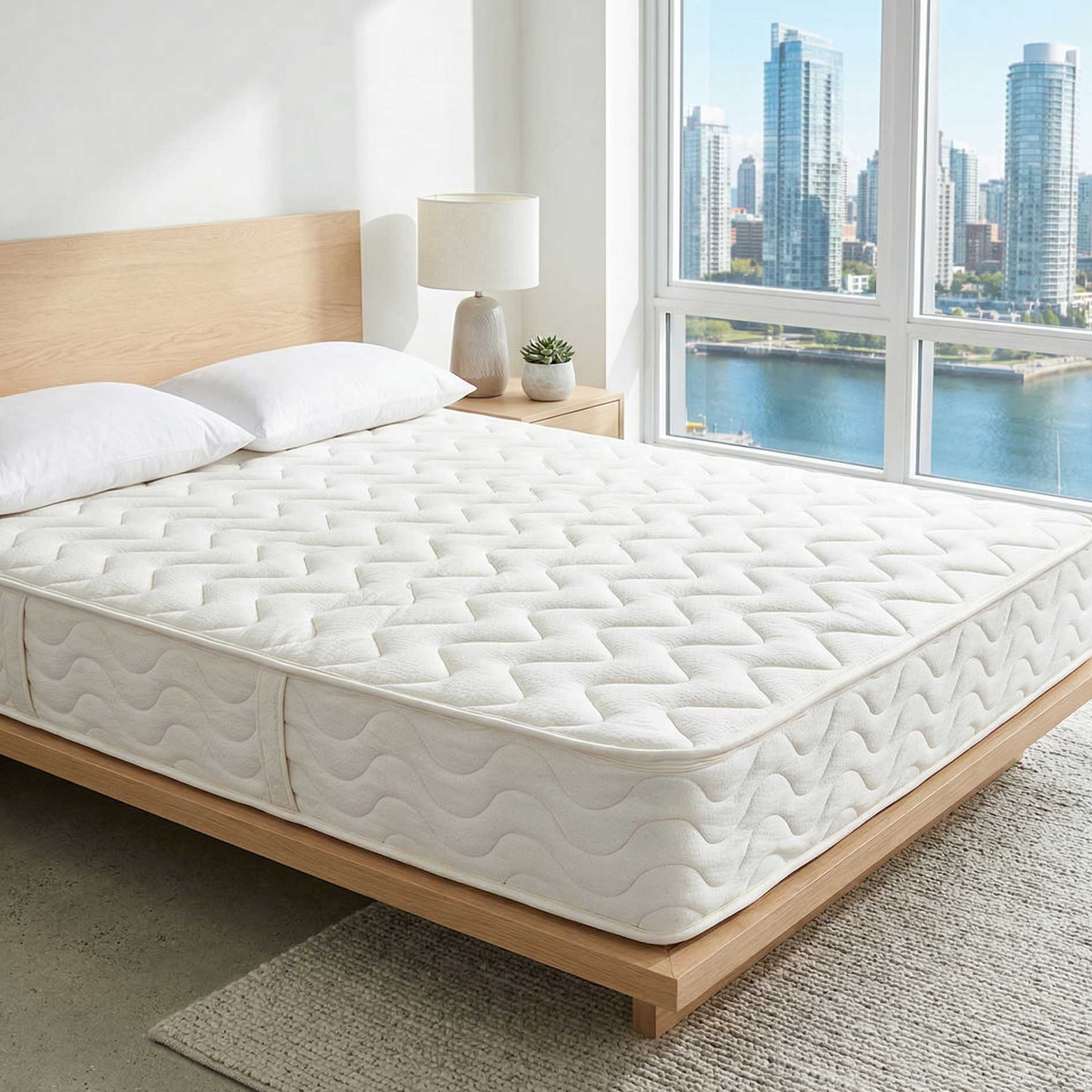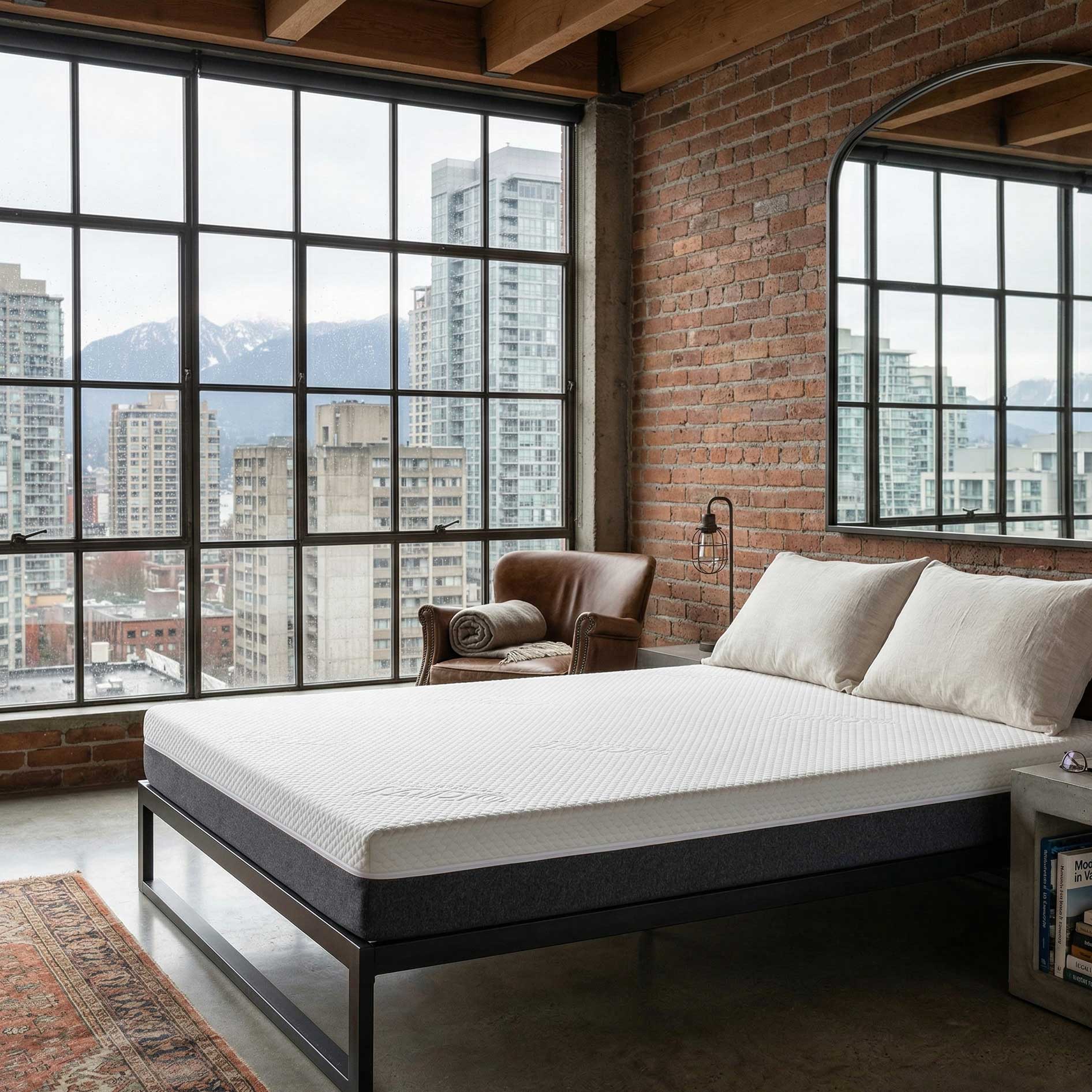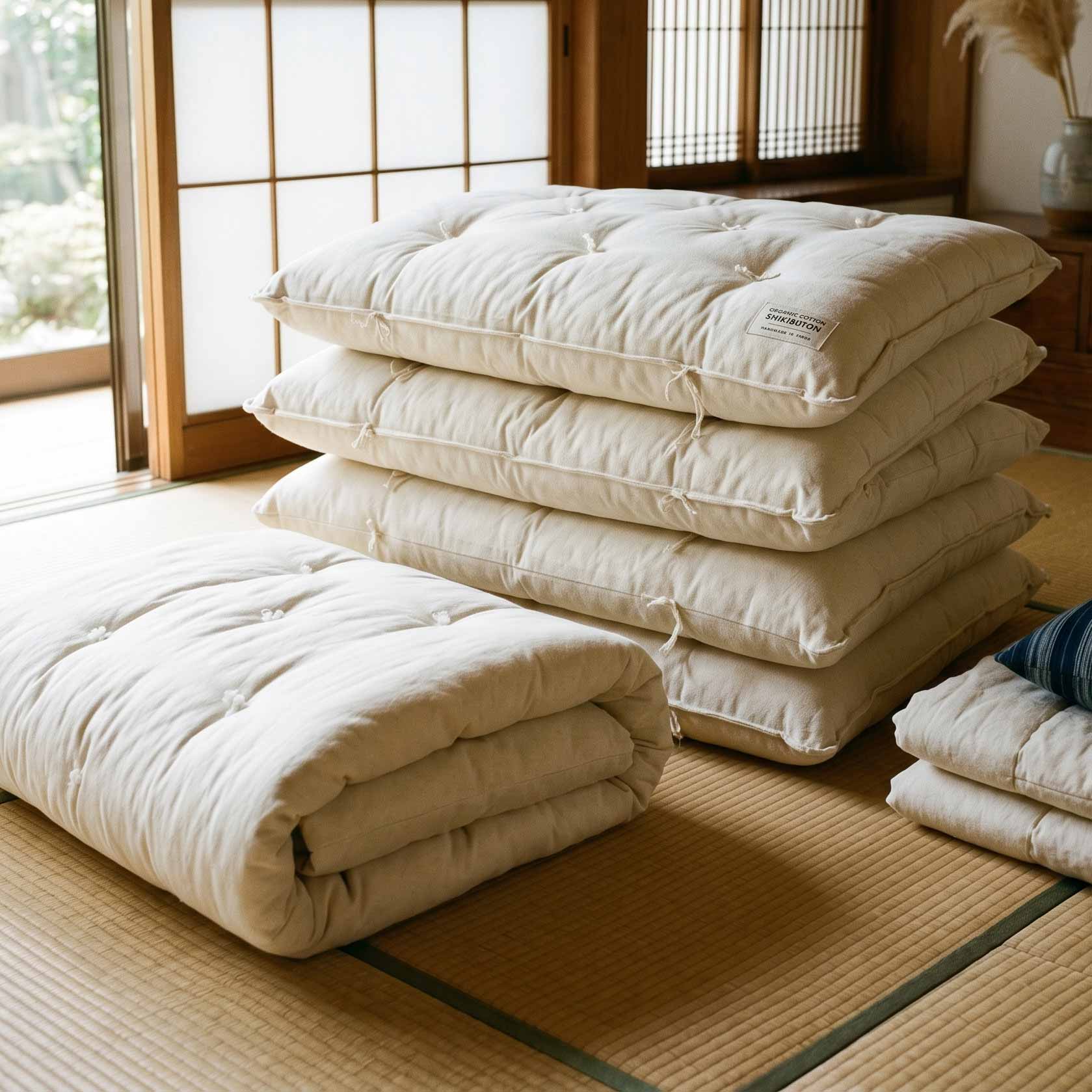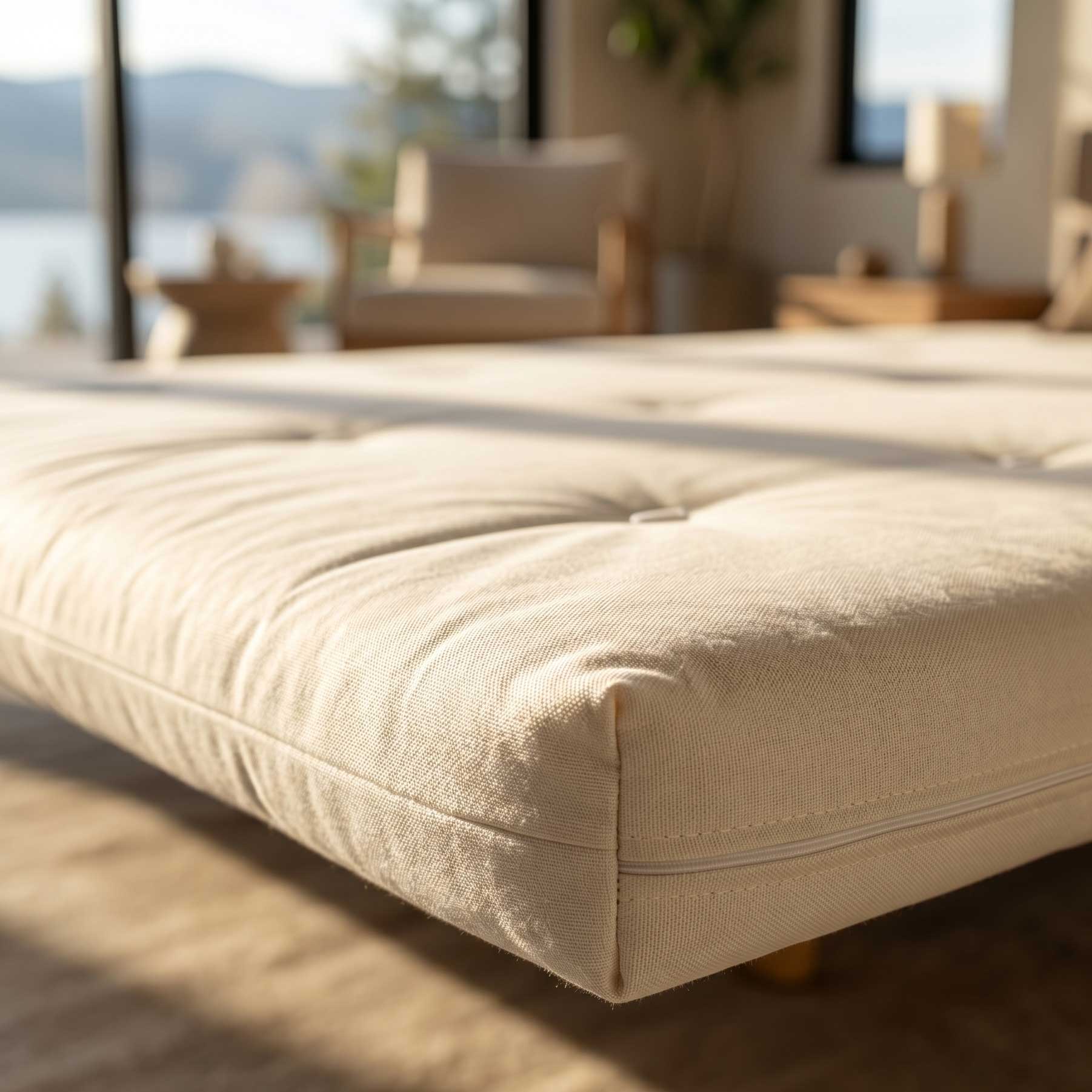



For most people, choosing a mattress comes down to preference. For people with hypermobility, it's a more functional question. Joints that move beyond their normal range need a sleep surface that actively holds them in a stable position through the night rather than one that allows them to drift. The wrong mattress doesn't just make sleep uncomfortable — it can mean waking up with a joint that has spent several hours in a position it shouldn't be in.
Hypermobility exists on a spectrum. For some people it's a minor trait with occasional joint discomfort. For others, particularly those with hypermobility spectrum disorder or hypermobile Ehlers-Danlos syndrome, it shapes almost every physical experience including sleep. This post is written for anyone in that range who has found standard mattress advice unhelpful, because the guidance that works for most sleepers is often the wrong starting point for hypermobile ones.
Nothing here is medical advice. For specific concerns about hypermobility and sleep, a physiotherapist or rheumatologist familiar with the condition is the right resource. What follows is practical information about how mattress materials and configuration affect the things hypermobile sleepers consistently report as problems.
Why Standard Mattress Advice Doesn't Quite Fit
The most common mattress recommendation for joint and back pain is to go softer. The logic is that a softer surface relieves pressure on sensitive areas. That holds for many conditions. For hypermobility, it tends to create the opposite problem.
When a mattress is too soft, the hips and shoulders sink more deeply into the surface. For a sleeper with stable connective tissue, the ligaments and joint capsules keep everything in place as the muscles relax. For a hypermobile sleeper, those passive restraints are looser than normal. Excessive sinking allows joints to drift past their stable range, which can cause subluxations, nerve compression, and pain that interrupts sleep or leads to stiffness on waking.
Too firm creates its own problem. A surface with no give concentrates pressure on bony prominences, which hypermobile individuals tend to be particularly sensitive to. The balance required is narrower than for most sleepers: firm enough to prevent excessive sinking, soft enough to cushion pressure points at the shoulder, hip, and knee.
Response Time Matters More Than It Sounds
One of the less obvious factors for hypermobile sleepers is how quickly a mattress responds when they change position. Most people shift position dozens of times during the night without waking. For a hypermobile sleeper, a mattress that is slow to respond can leave a joint briefly unsupported mid-movement, which is when subluxations are most likely to occur.
Memory foam has a characteristic delay. The material holds the impression of where you were before adjusting to where you are, which is part of what gives it its contouring feel. For many sleepers that's fine. For hypermobile joints in the middle of a position change, that brief lag removes support at the moment it's most needed.
Latex responds immediately. The open-cell structure and natural elasticity of latex mean it adjusts to the new position as soon as weight shifts onto it. There's no transition period where the joint is moving without the mattress yet catching up. This is consistently the property that physiotherapists and sleep specialists familiar with hypermobility point to when they recommend latex over foam for this group of sleepers.
Firmness Configuration for Hypermobile Sleepers
The general guidance for hypermobility is medium-firm to firm — a range that sits higher on the scale than most pain-related conditions. But body weight interacts significantly with how a given firmness feels in practice. Many hypermobile individuals carry lighter frames, which means they compress the mattress less than a heavier sleeper would. A firmness that provides adequate support for a 90-kilogram sleeper may feel very firm to someone at 55 kilograms.
For side sleepers with hypermobility, the shoulder and hip need cushioning without excessive sinking. A Medium Dunlop comfort layer on a Firm or Extra-Firm base tends to provide the right combination: enough give at the surface to relieve pressure at those points, with a base that doesn't allow the pelvis or shoulder to continue sinking past the comfort layer. The layer exchange program allows this to be adjusted after sleeping on the mattress, which is useful when the right balance isn't obvious from a showroom visit alone.
For back sleepers, the lumbar region is the key concern. Hypermobile lumbar joints can hyperextend on surfaces that are too soft, increasing lower back strain through the night. A Firm Dunlop base without a softer comfort layer is often the right choice here, providing consistent support across the full back rather than allowing any section to drop into the mattress. Extra-Firm Dunlop is worth considering for lighter back sleepers who find that even Firm configurations allow more sinking than they want.
Stomach sleeping is generally not recommended for hypermobile sleepers because it places the neck in rotation and extends the lumbar spine, both of which can be problematic when ligament restraint is reduced. For those who cannot sleep in another position, a thin and firm surface is better than anything with substantial comfort layers.
Why Dunlop Works Well for This Application
Within the latex category, Dunlop and Talalay process the same raw material differently. Dunlop produces a denser, more consistently supportive latex with a stable feel that doesn't compress as progressively as Talalay. Talalay is lighter and has a slightly more buoyant feel with greater variation in cell density through the layer.
For hypermobile sleepers, Dunlop's consistency is an advantage. The support engages at a predictable point rather than allowing gradual compression before the material firms up. In practical terms, this means the joint encounters resistance before it has moved far from neutral, which is what the application requires. A GOLS-certified organic Dunlop latex base provides that consistent support alongside independent verification of material quality.
Talalay in the comfort layer is a reasonable option for side sleepers who need surface pressure relief without changing the fundamental support structure. The DIY Dunlop Talalay configuration, with a Dunlop base and Talalay comfort layer, allows that combination — responsive cushioning at the surface and firm, immediate support beneath it.
The Hybrid Option for Heavier Hypermobile Sleepers
For hypermobile sleepers who are heavier or who need more structural support than a 100% latex configuration provides, the hybrid pocket coil and latex construction is worth considering. Pocket coils respond individually to weight distribution, which means the support adjusts to different zones of the body without one area affecting another. Combined with a latex comfort layer, the hybrid provides the immediate response characteristic of latex at the surface with a coil base that handles heavier loads and offers additional edge support.
Edge support is worth mentioning specifically. For people with joint instability, the act of sitting on the edge of the bed to stand up, or getting in and out of bed, places load on joints in positions they handle less well. A mattress that collapses at the edge under that load is a practical problem, not just a comfort one. Hybrid pocket coil constructions maintain better edge support than all-latex configurations, which is one reason the hybrid tends to come up for this application.
Bed Frame Compatibility
Whatever mattress configuration works for a hypermobile sleeper, the foundation needs to match. A latex mattress requires slats no more than 3 inches apart. Wider gaps allow the latex to deform between slats over time, which gradually undermines the support the mattress provides. A frame that starts out adequate can become a problem as the latex settles into uneven gaps.
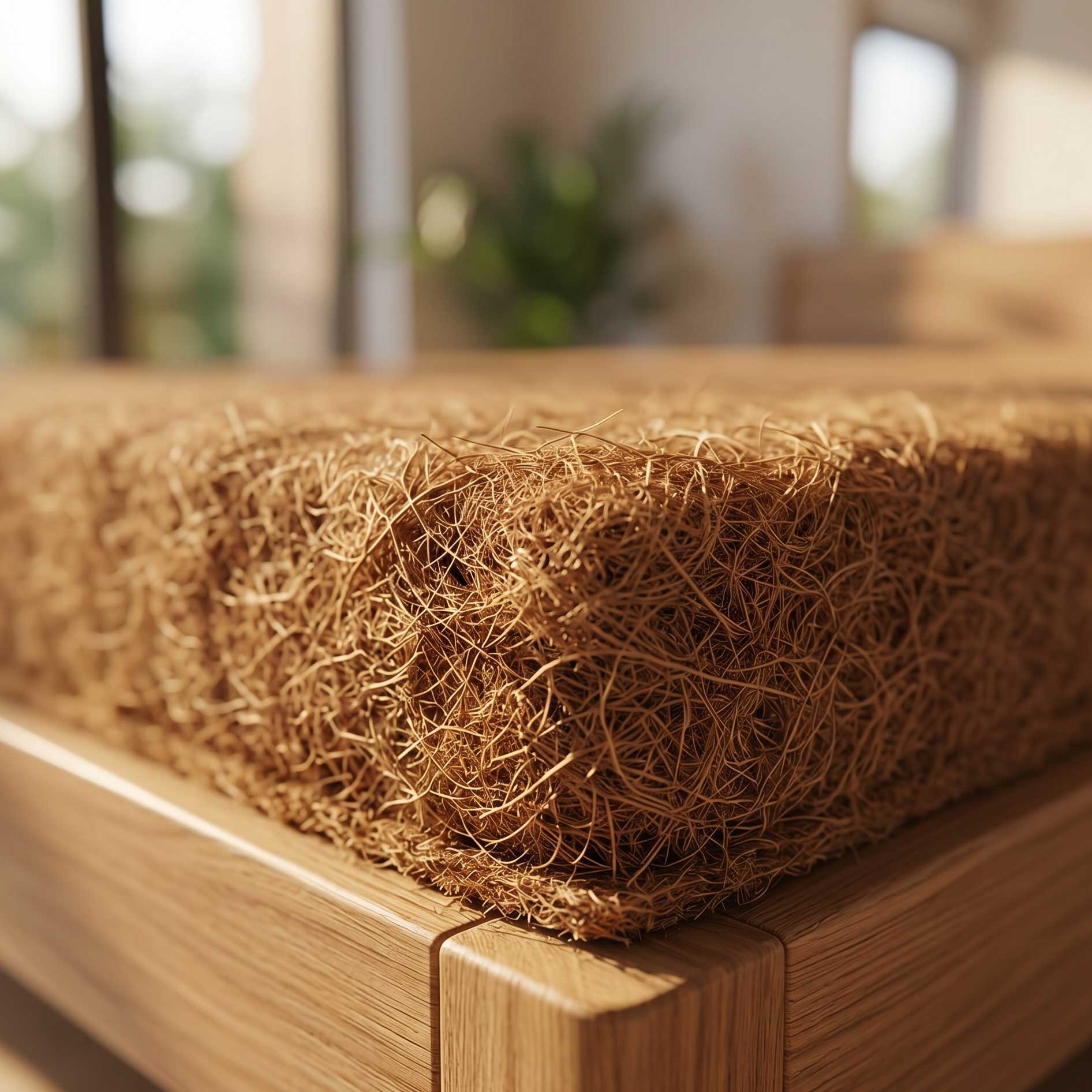
If the existing frame has wider slat spacing, a Coir Bunkie Board placed on top of the slats brings it up to the standard needed. This is a simpler fix than replacing the frame and preserves the mattress warranty. It's worth checking before the mattress arrives rather than after.
Sleep Majestic works through firmness configuration and layering during a fitting, including the specific considerations that apply to hypermobile sleepers. Book in person or by phone at sleepmajestic.com/pages/delta-latex-mattress-store or 604-731-8226.
Frequently Asked Questions
Why is latex recommended over memory foam for hypermobility?
Memory foam responds slowly. It holds the shape of where your body was before adjusting to a new position, which means there's a brief period mid-movement where a joint is shifting without the mattress yet providing support. For hypermobile joints, that lag is when subluxations are most likely to occur. Latex has an open-cell structure and natural elasticity that makes it respond immediately when weight shifts. Support engages as soon as the new position is taken, rather than seconds later. For sleepers who move frequently during the night, this difference in response time is one of the more practical reasons latex tends to be the better material for hypermobility.
What firmness of latex mattress works best for hypermobility?
Medium-firm to firm, sitting higher on the scale than most pain-related conditions call for. The reason is that a softer surface allows excessive sinking, which can push hypermobile joints past their stable range as muscles relax during sleep. The right firmness varies with body weight: lighter individuals compress the mattress less, so a firmness that provides adequate support for a heavier sleeper may feel too firm for them, and vice versa. Side sleepers generally need a Medium comfort layer over a Firm base for pressure relief at the shoulder and hip without excessive sinking. Back sleepers often do well on a Firm or Extra-Firm base without a soft comfort layer on top.
Does the layer exchange program work for someone trying to find the right firmness for hypermobility?
Yes, and it's particularly relevant for hypermobile sleepers because the right firmness balance is harder to determine from a single showroom visit than it is for most people. The program allows individual 2-inch or 3-inch comfort or transition layers to be swapped after sleeping on the mattress, without replacing the whole thing. If the initial configuration allows more sinking than expected, the comfort layer can be exchanged for a firmer one. This avoids the 20% restocking fee that applies to full returns and targets the specific layer that needs adjusting rather than starting over. The exchange is available on latex mattresses over 8 inches thick.