
Raw Cotton Batting: The Core of Every Futon
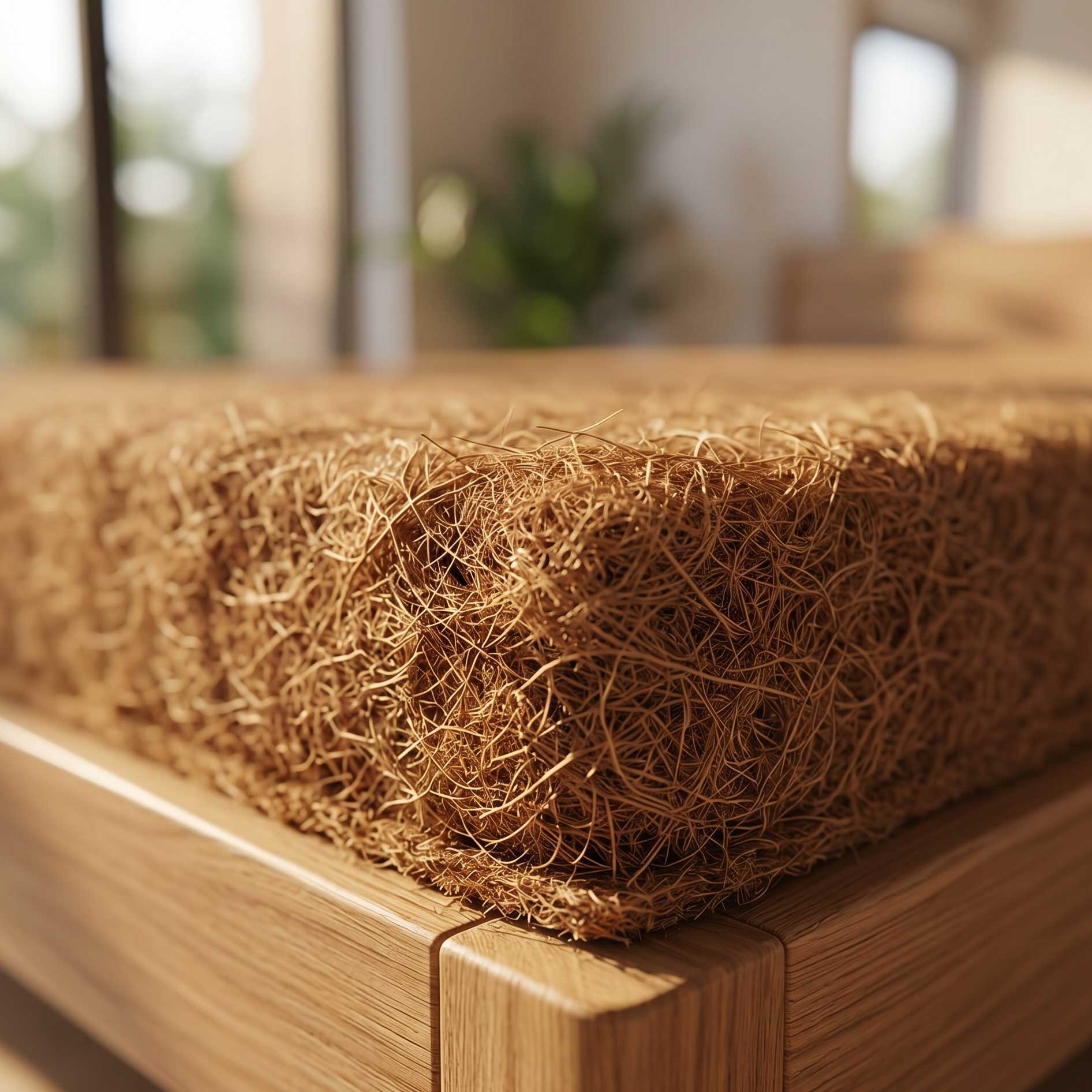
Every futon mattress starts with raw cotton batting, layered rather than poured or molded into shape. Raw batting, distinct from recycled or reprocessed cotton fill, retains more of its natural loft and resilience, which directly affects how the finished mattress feels and how long it holds its shape.
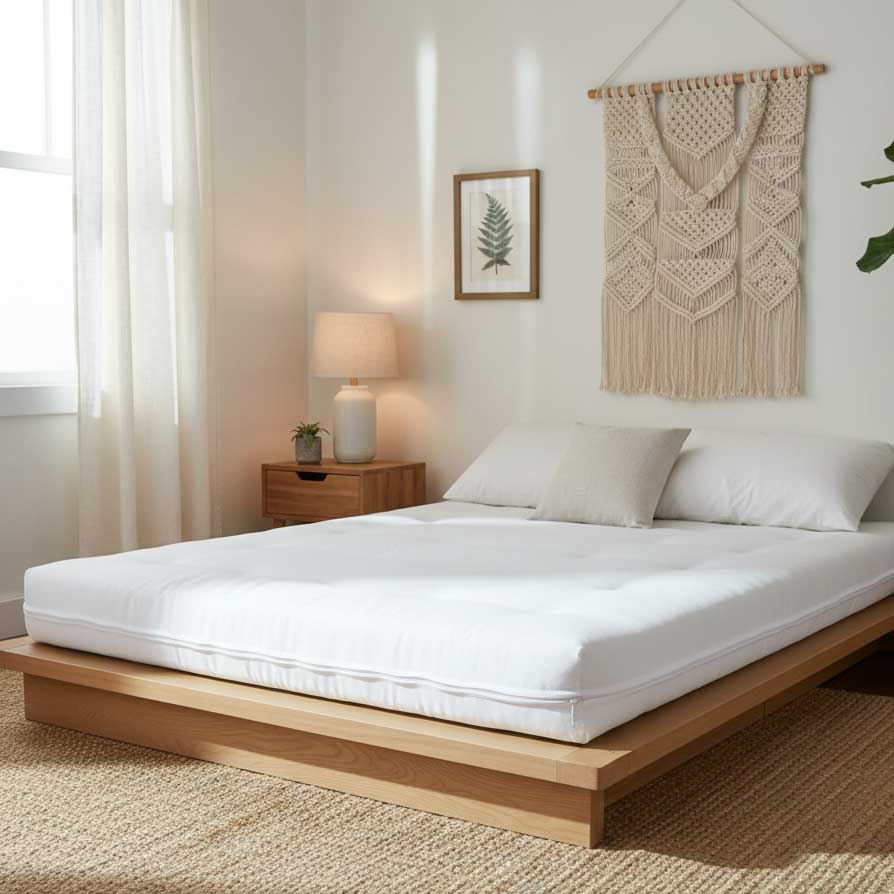
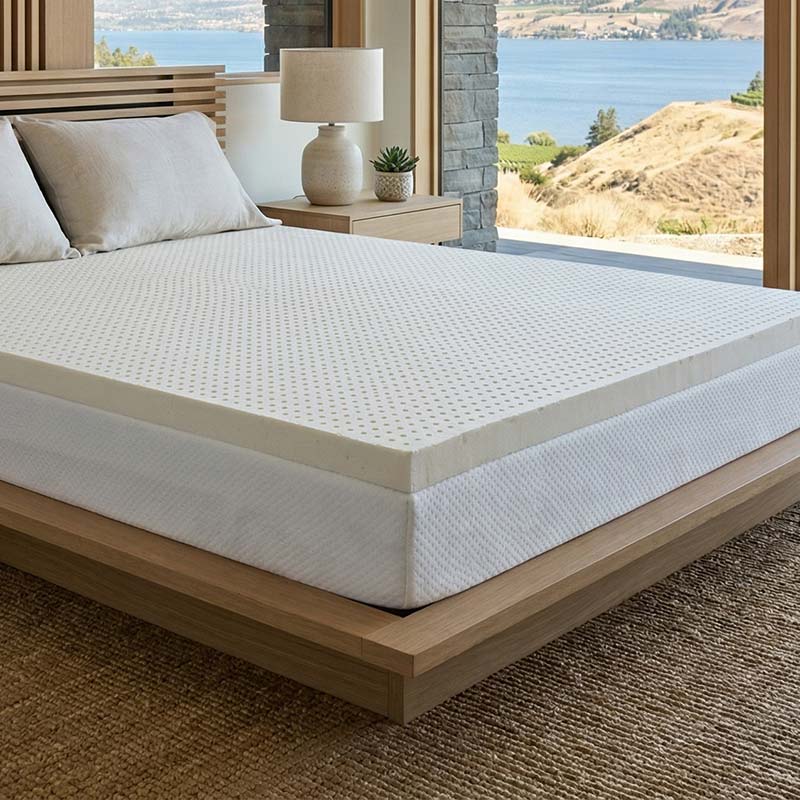
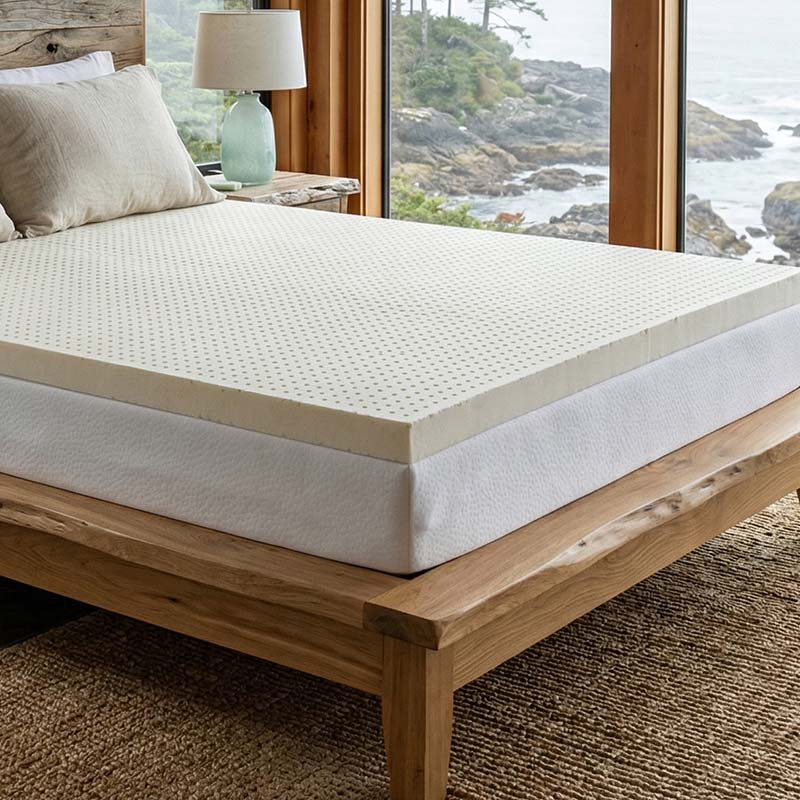
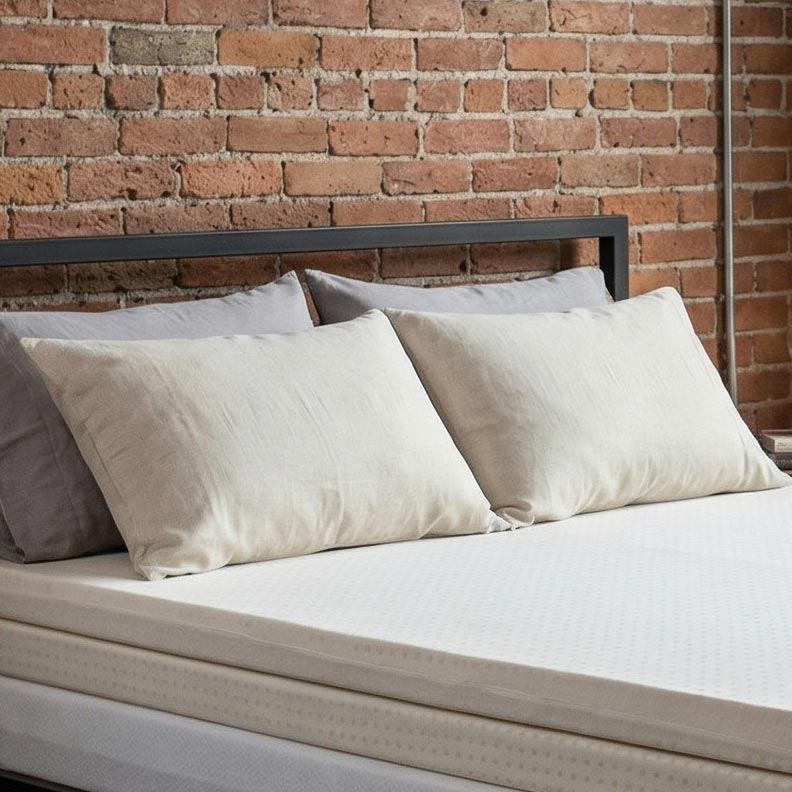
The Essential and Standard Futon Mattresses build up layers of cotton batting to create the full thickness of the mattress, with the layering pattern affecting firmness as much as the total amount of material used. The Eurotop Futon Mattress and Latex Shikibuton take this a step further, adding a 2-inch layer of GOLS-certified organic Dunlop latex on top of the cotton base for a different kind of comfort.
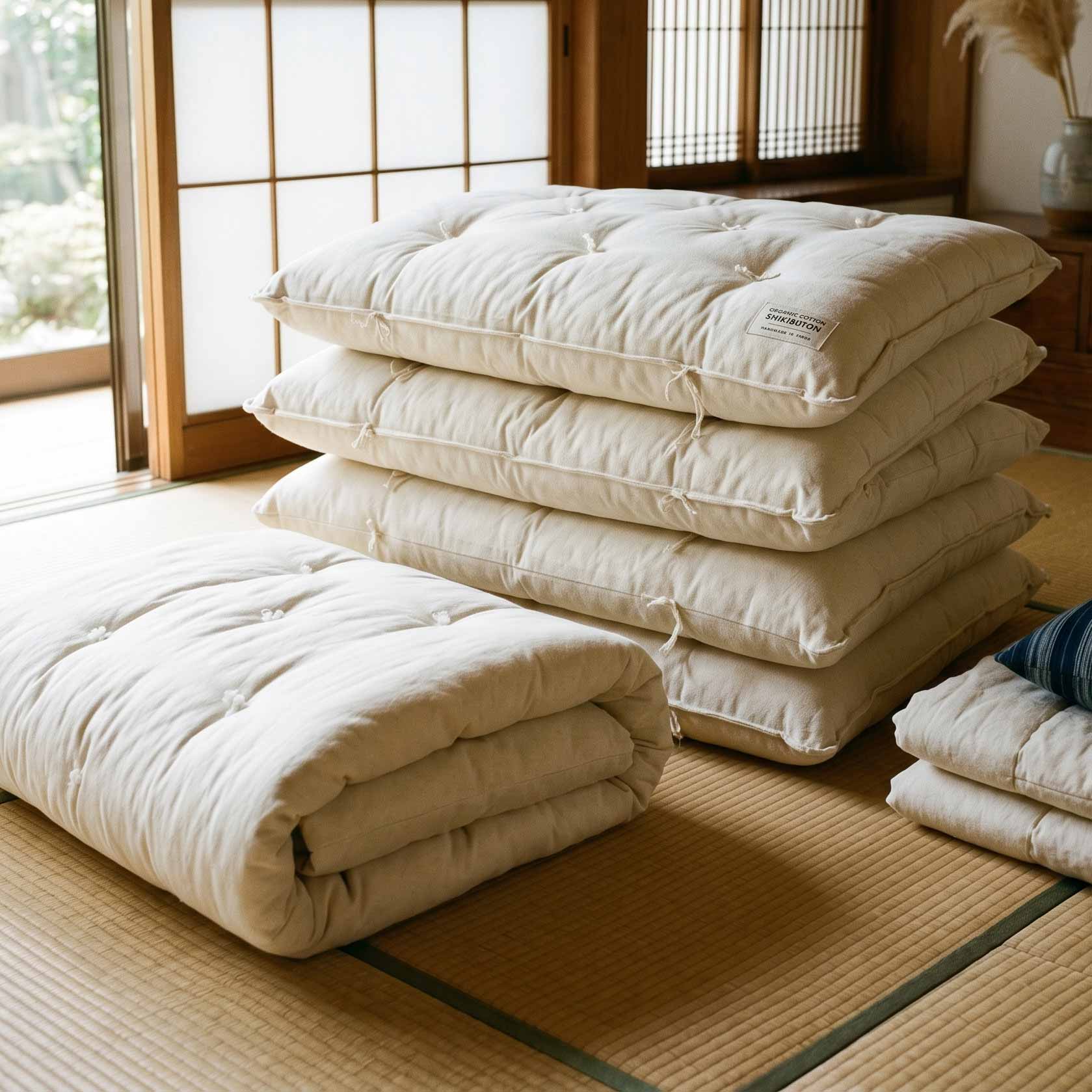
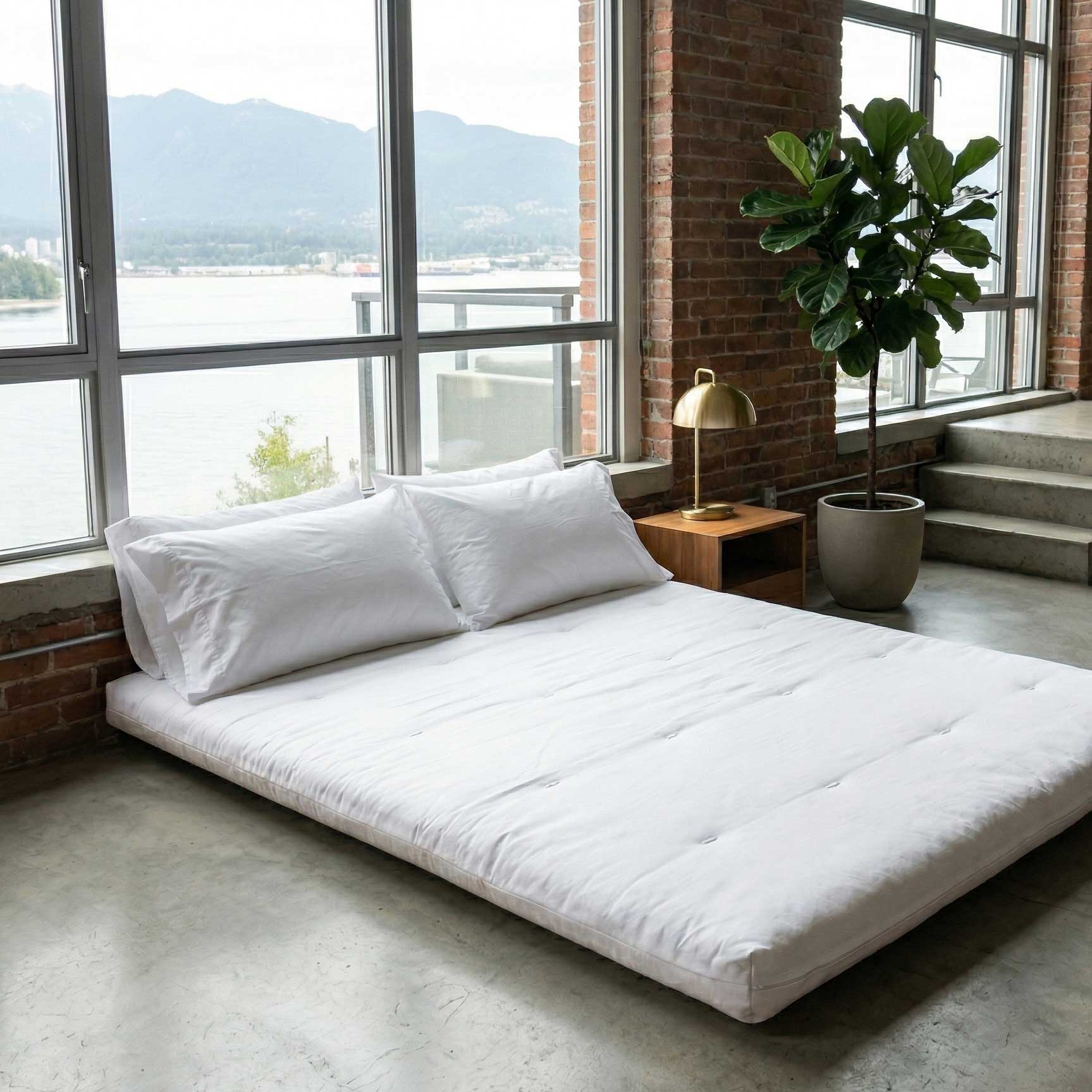
The Cotton Shikibuton, by contrast, stays entirely cotton, which is part of what makes it the most minimal and portable option in the floor mattress range. None of these constructions is more correct than the others. They're built for different uses, and the cotton batting underneath is the starting point for all of them.
Tufting: The Step That Actually Determines Quality
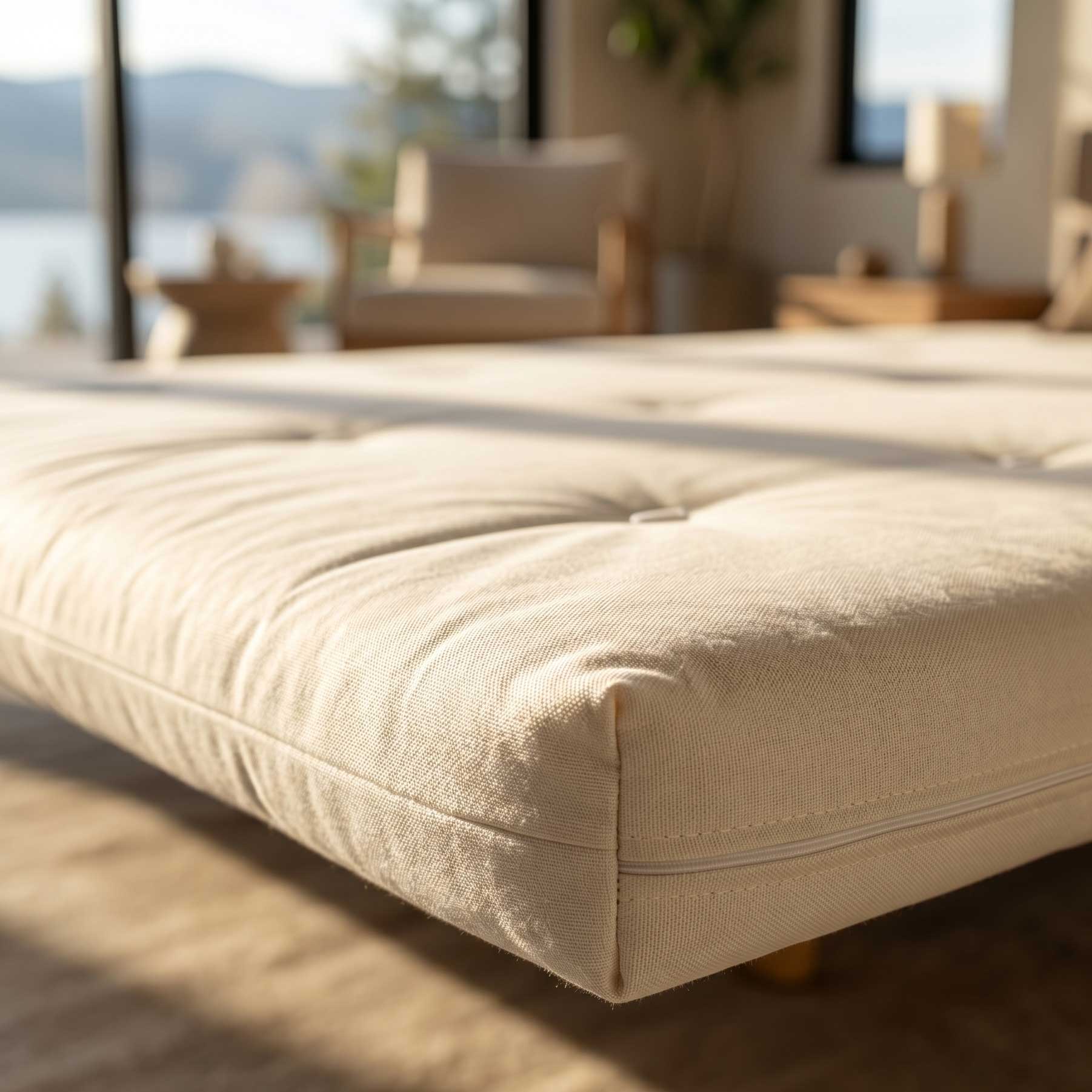
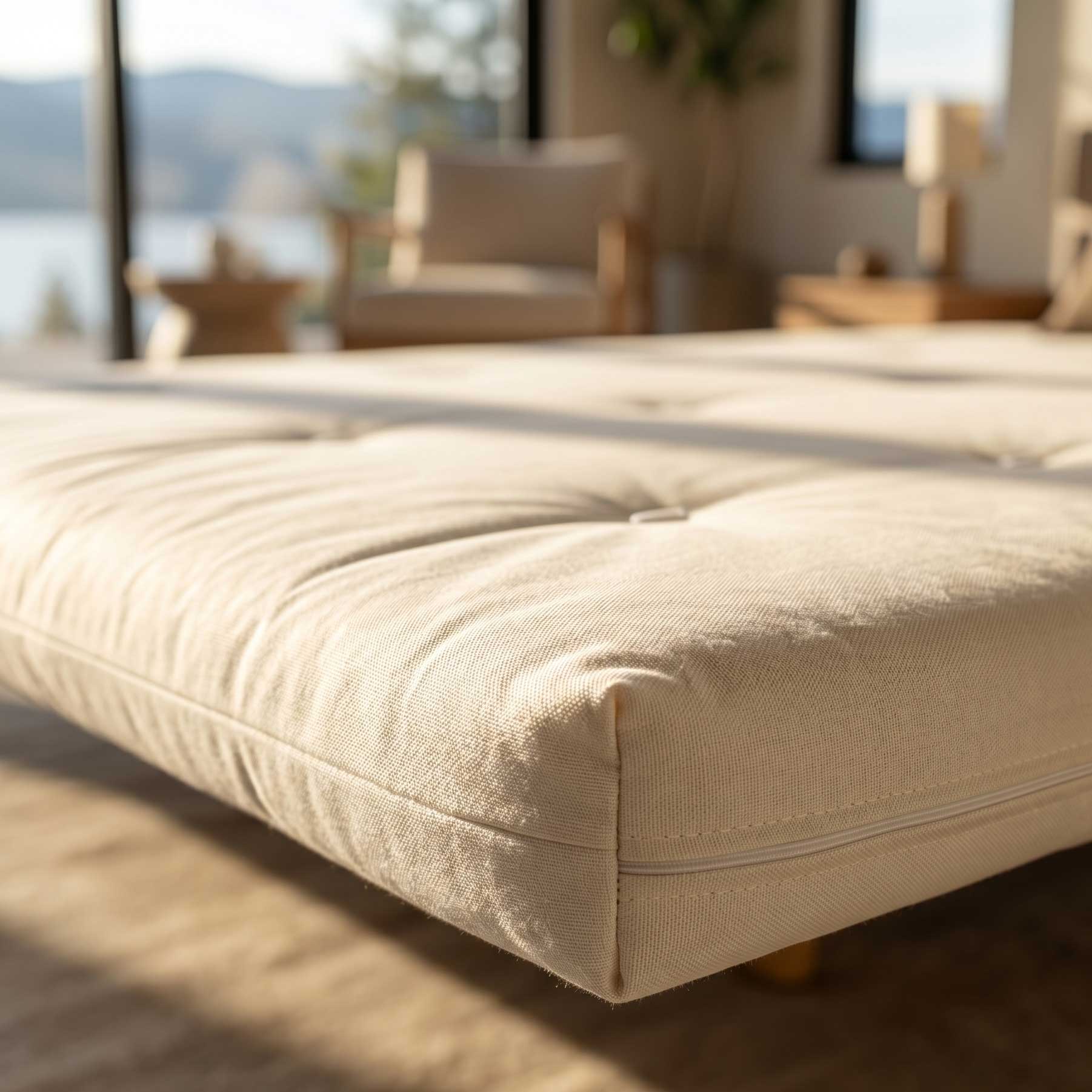
Tufting is the process of stitching through all the layers of a futon mattress at regular intervals, anchoring the cotton batting in place from top to bottom. Without it, cotton batting is just loose material sitting inside a cover, free to shift, clump, and migrate toward the edges every time someone sits or lies down on it.
A well-tufted futon mattress distributes a sleeper's weight evenly across the surface because the batting underneath can't bunch up in one spot and thin out in another. This is the single biggest factor separating a futon mattress that holds its shape for a decade from one that goes lumpy and uneven within a year, and it's also the part of construction that's hardest to evaluate from a photo or a spec sheet.
Mass-market futons often use minimal tufting, or space the stitching far enough apart that large sections of batting are left unanchored. It's a way to cut production time and cost, but it shows up quickly once the mattress is in regular use. Tighter, more consistent tufting takes longer to produce and costs more in labour, which is exactly why it's the detail worth asking about before buying a futon mattress, not after.
The Wool Wrap and Why It's There
Most futon mattresses sold in Canada meet federal fire safety standards using boric acid treatments or polyester fibre wraps layered into the construction. A wool wrap for natural fire protection takes a different approach, using wool's naturally fire-resistant properties as part of the cotton canvas cover system instead of a chemical treatment.
Wool earns its place in futon construction for a second reason beyond fire protection. It regulates temperature and wicks moisture the way it does in any wool product, which means a futon mattress with a wool wrap tends to feel less clammy during humid summer nights than one without it. The two functions, fire protection and moisture management, come from the same material doing double duty rather than two separate additions.
This is one of the clearer examples of construction choices that aren't visible from the outside of a finished mattress but matter once it's in regular use. A wool wrap doesn't change how a futon mattress looks or feels on day one. It changes how the mattress performs over the following several years.
The Cotton Canvas Cover and Final Assembly
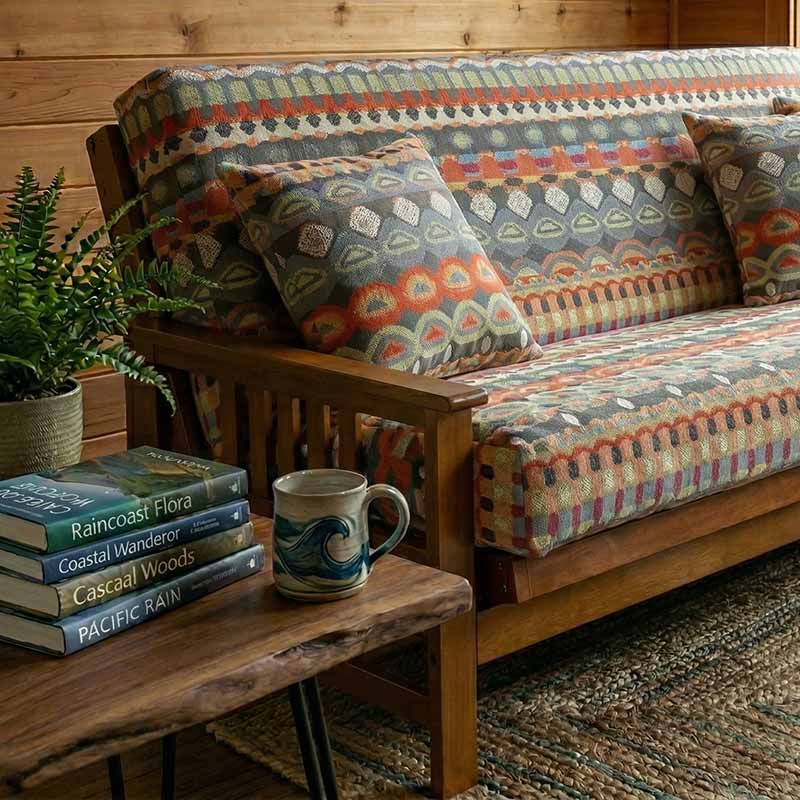
The cotton canvas cover is the last piece of futon construction, wrapping the tufted, wool-protected cotton batting into its finished form. A tightly woven canvas holds up to the kind of regular folding and use a futon mattress sees, particularly on a futon frame that gets converted between couch and bed configuration daily.
Even a well-built futon mattress will compress somewhat with regular use over time. This is normal for a cotton-based construction and isn't a sign of a defect. Rolling and flipping the mattress periodically redistributes the batting and helps maintain even loft, and proper tufting slows the rate of compression considerably compared to an untufted mattress.
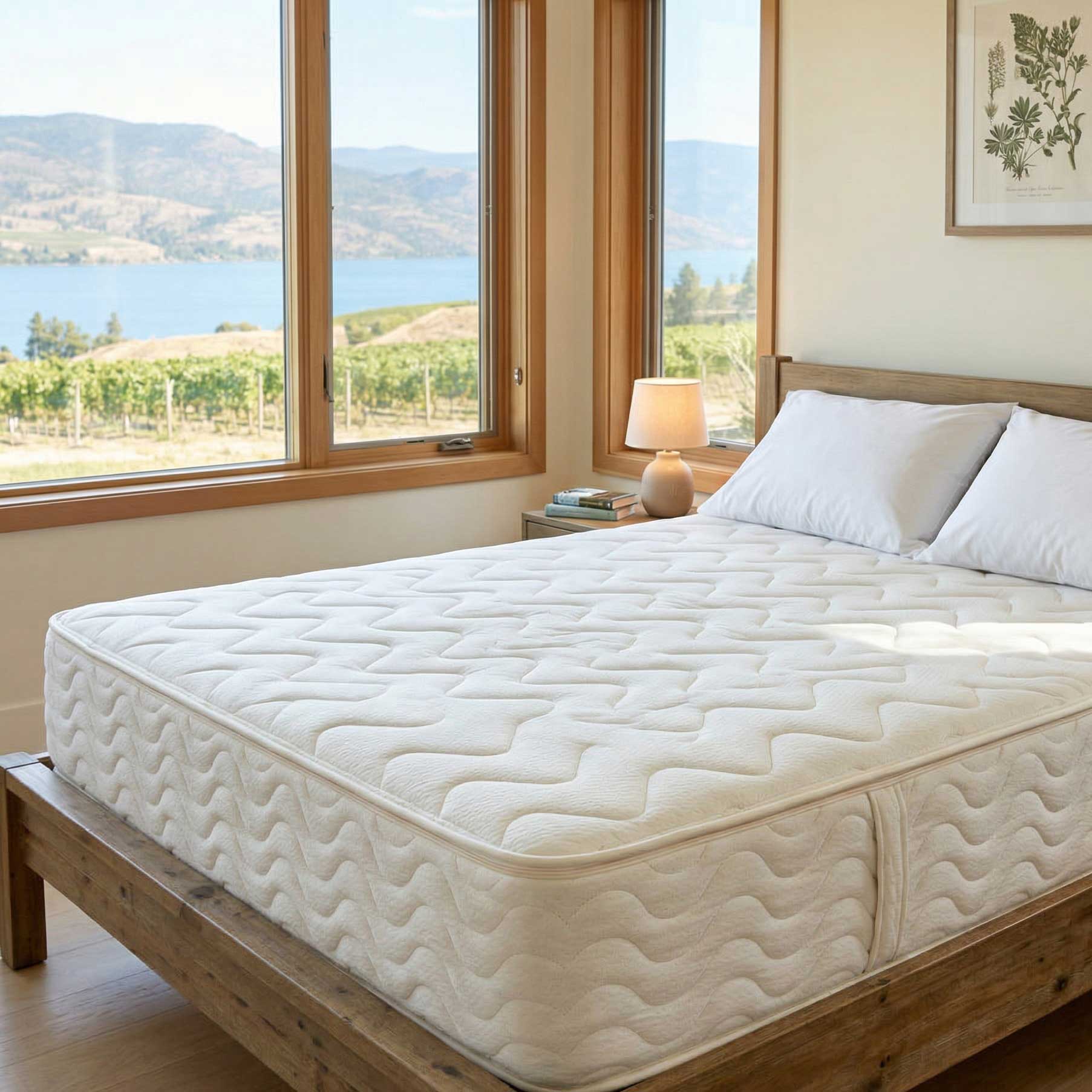
For the Eurotop Futon Mattress and Latex Shikibuton, a latex comfort layer sits on top of this entire cotton and wool construction, adding a different surface feel without changing anything about how the base is built. The latex layer is an addition to a well-constructed cotton core, not a replacement for one.
Frequently Asked Questions
Why is tufting important in a futon mattress?
Tufting is the stitching pattern that holds raw cotton batting in place inside a futon mattress, preventing it from shifting, clumping, or bunching with regular use. Without tufting, cotton batting compresses unevenly within months, creating soft spots and an uneven sleeping surface. A well-tufted futon mattress distributes pressure evenly and holds its shape for years rather than just a season or two.
Does a futon mattress get firmer or softer over time?
A cotton-based futon mattress naturally compresses with regular use, which can make it feel firmer in some areas and flatter overall if it isn't cared for. Rolling and flipping the futon mattress periodically redistributes the cotton batting and helps maintain even loft. This is normal wear for a cotton construction, not a sign of a defect, and proper tufting slows the process considerably.
Is wool in a futon mattress just there for warmth?
Wool inside a futon mattress serves two purposes, not one. It provides natural fire protection as part of the cotton canvas cover system, and it also regulates temperature and wicks moisture the way it does in any wool product. This dual role is why wool wrap remains the standard fire protection method instead of chemical treatments like boric acid or polyester fibre wraps.
Feeling the difference between a well-tufted futon and a mass-market one is hard to do from a product photo. Sleep Majestic keeps the full futon and shikibuton range on display in Delta, BC, six days a week by appointment, at sleepmajestic.com/pages/delta-latex-mattress-store or 604-731-8226.