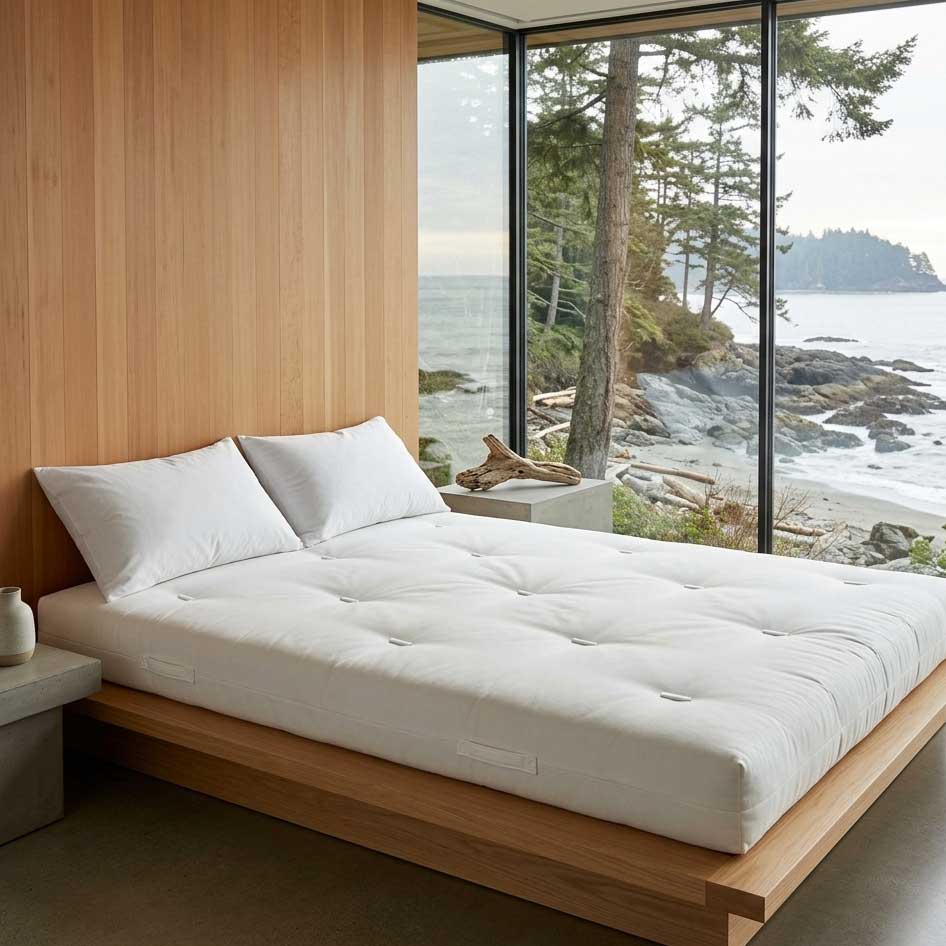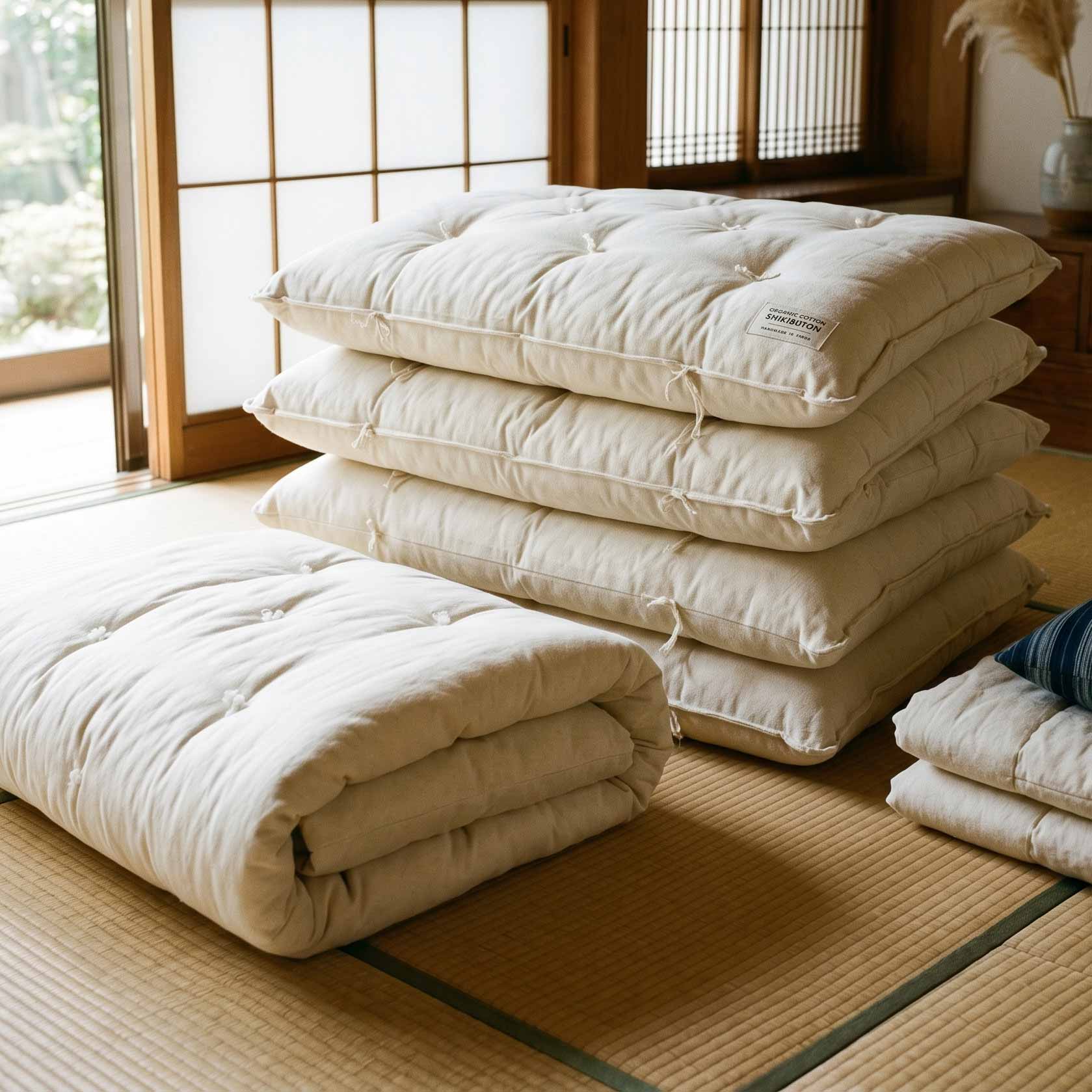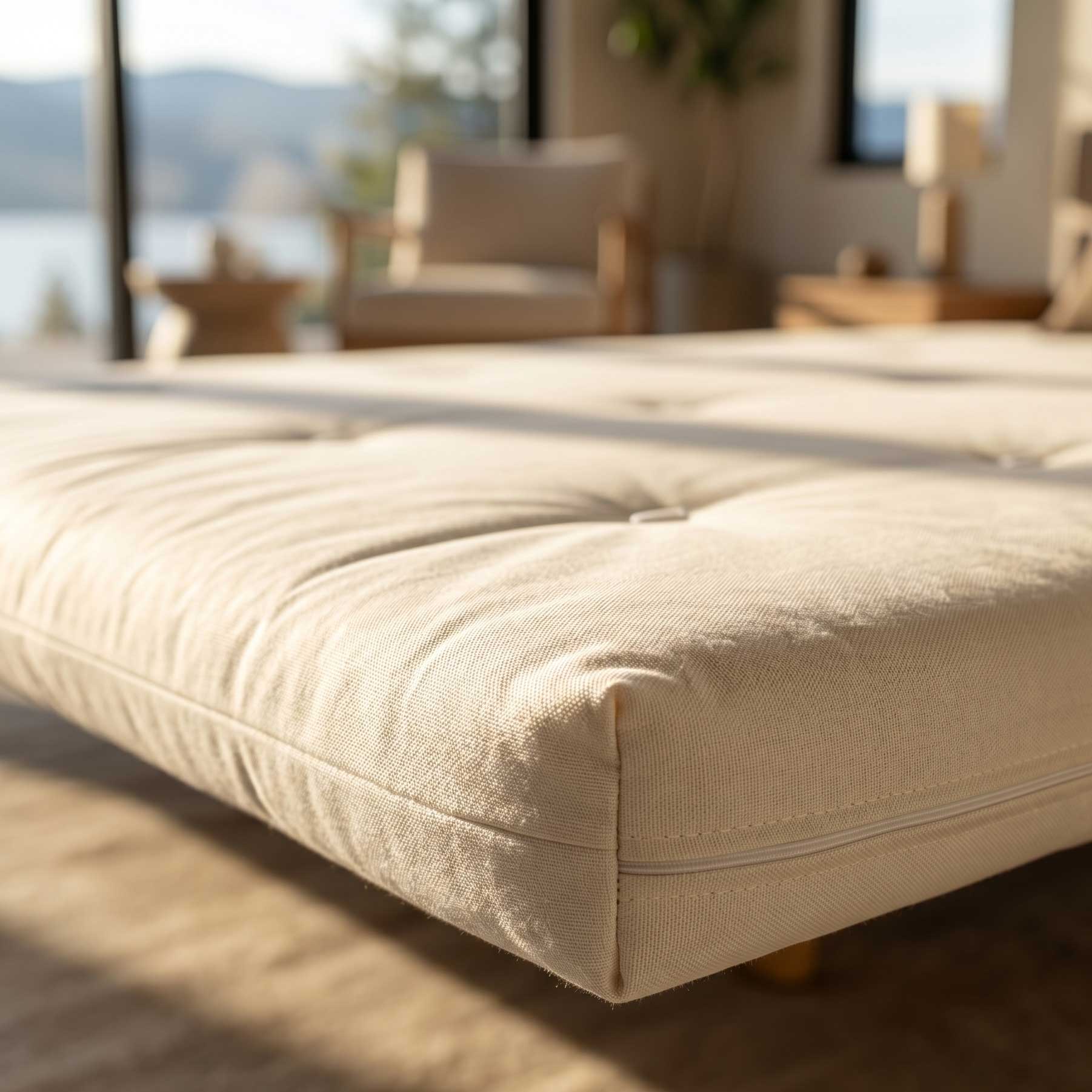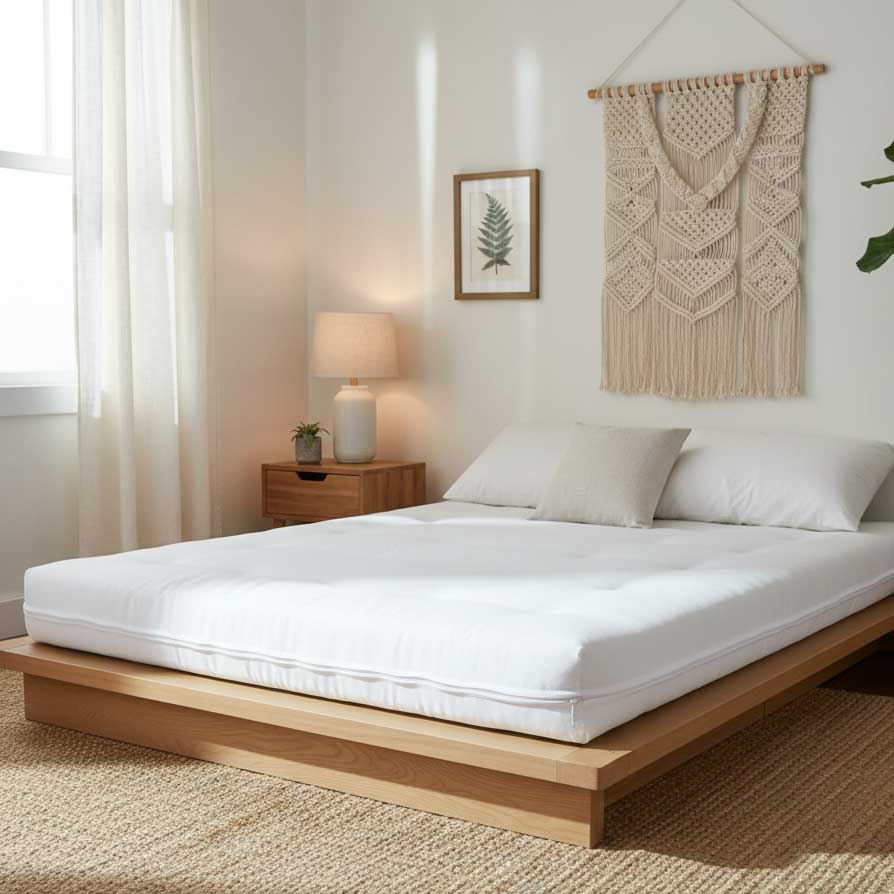
Sleepmaxxing is the practice of treating sleep the way athletes treat training: as something to be deliberately optimised rather than passively experienced. The term exploded on TikTok, where the hashtag has accumulated over 500 million views, and it's filtered steadily into mainstream wellness conversations across Canada. Elaborate bedtime protocols, sleep-tracking rings, temperature-controlled mattress pads, mouth tape, targeted supplements — the market for sleep optimisation tools is growing fast.
Some of what the trend recommends is genuinely well-supported. Consistent sleep and wake times, a cool and dark bedroom, reducing screen exposure before bed, avoiding caffeine in the afternoon — these are the same recommendations that sleep researchers have made for decades, and they work. The viral packaging has given people motivation to actually follow through on them, which has real value.
The problem is in the emphasis. Sleepmaxxing content spends most of its time on gadgets and supplements, and very little on the surface you're sleeping on. That's a significant blind spot.
The Protocols That Actually Work Are Free
The core of any effective sleep hygiene practice costs nothing. A consistent wake time, even on weekends, is probably the single highest-leverage change most people can make. Your body's sleep-wake cycle is anchored to a consistent rise time more than a consistent bedtime — if the wake time drifts, the whole rhythm shifts with it.
Bedroom temperature matters more than most sleepmaxxing content acknowledges. Your core body temperature needs to drop by one to two degrees Celsius to initiate and sustain deep sleep. Research from the University of South Australia found that poor temperature regulation is a primary cause of insomnia in adults. The ideal bedroom range is roughly 16 to 19°C. A room that's too warm doesn't just make you uncomfortable — it actively delays sleep onset and reduces the amount of slow-wave sleep you get.
Light management is the other foundational lever. The cells in your eyes that regulate circadian rhythm respond to blue and white light — the kind that comes from screens and overhead lighting. Dimming lights and avoiding screens in the hour before bed is not a minor tweak. It's a direct intervention in your melatonin production cycle, which controls when your body is ready to sleep.
Where the Gadgets Fall Short
Temperature-controlled mattress pads have a reasonable evidence base — cooling the sleep surface does support the body's natural heat-shedding process. But validation studies on consumer sleep trackers show accuracy rates of roughly 79 to 89 percent for sleep stage detection compared to clinical polysomnography. The detailed sleep stage graphs in an app look precise. The data underlying them has significant error margins. For most people, the information is interesting but not particularly actionable.
The deeper issue with the gadget-first approach is that it treats symptoms rather than foundations. A temperature-controlled pad on a mattress that doesn't support your spine properly doesn't fix the fundamental problem. Neither does a tracking ring that tells you your deep sleep percentage if you're waking up with shoulder pain every morning.
Smart mattress systems in Canada run from two to four thousand dollars. A quality conventional mattress with proper firmness, temperature-neutral materials, and the right configuration for your sleep position delivers most of the same benefit at a fraction of the cost. The sleepmaxxing trend rarely discusses this, because it's not a recurring subscription or a wearable with social content built in.
Natural Materials as Temperature Regulation
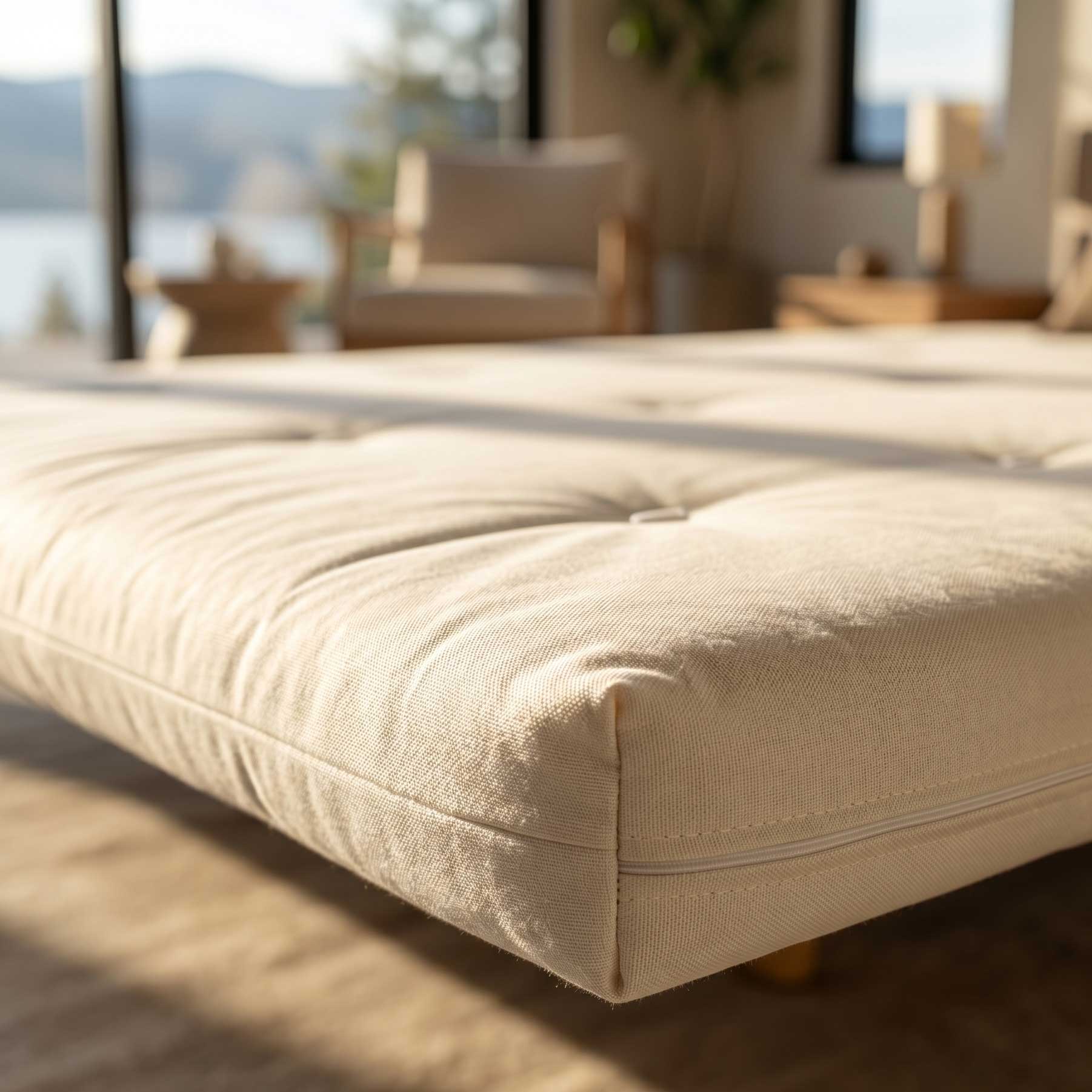
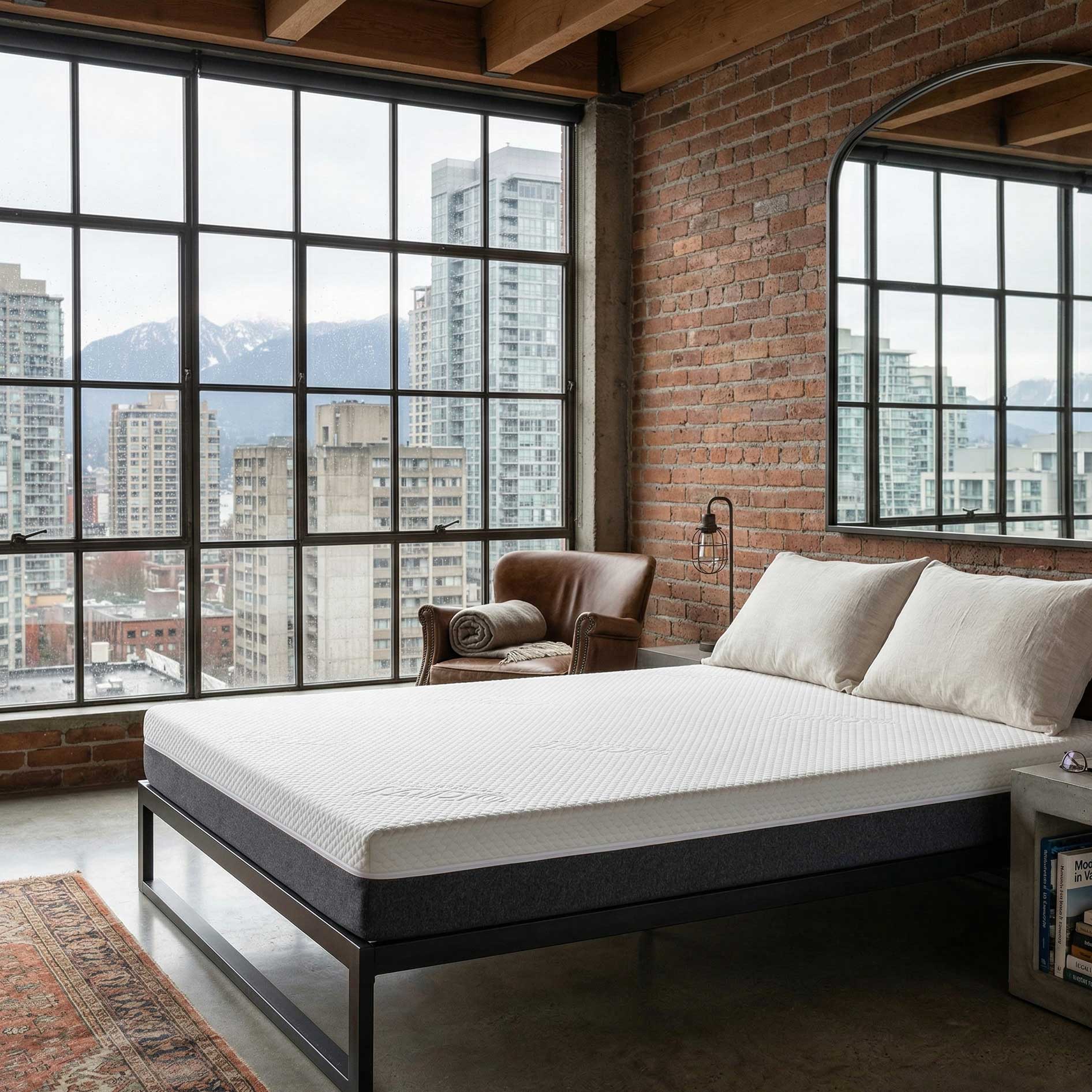
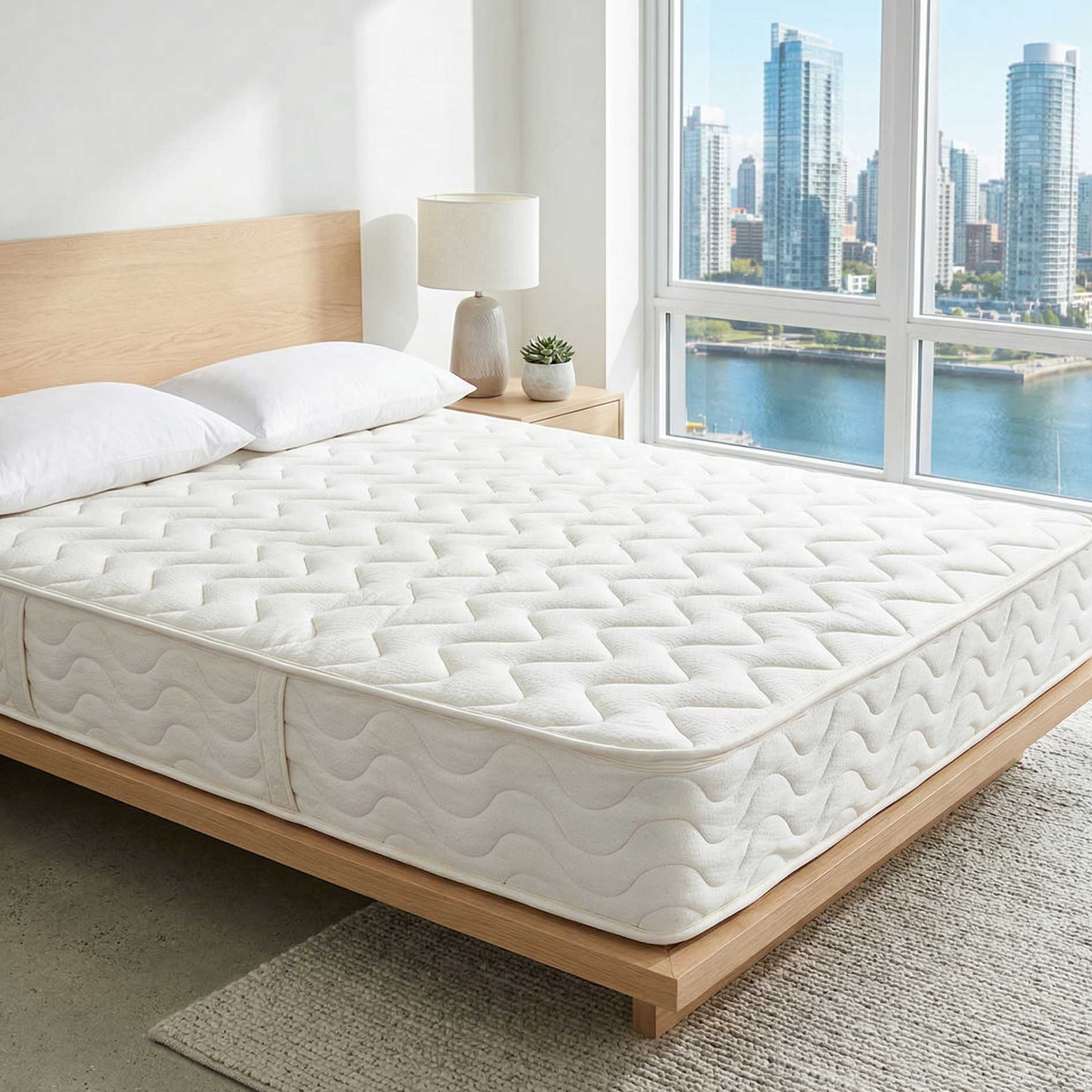
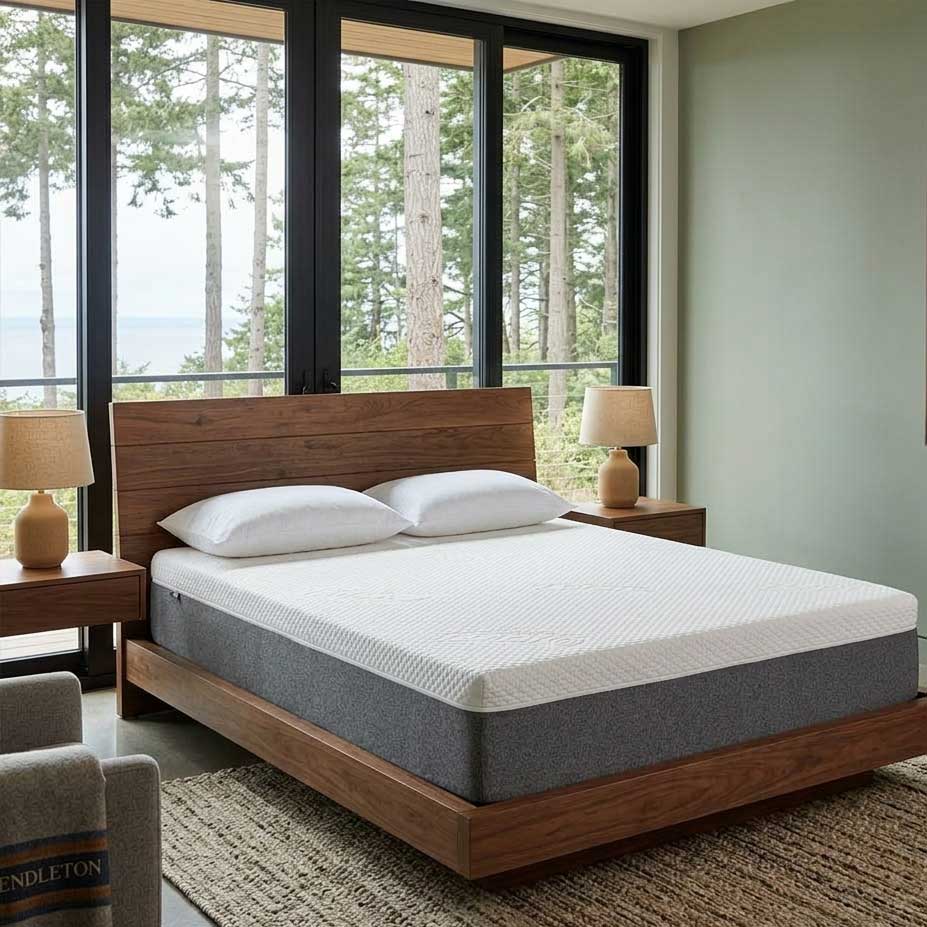
The materials a mattress is made from have a direct effect on how well it regulates temperature, and this is where natural materials have a genuine functional advantage over most synthetic foams.
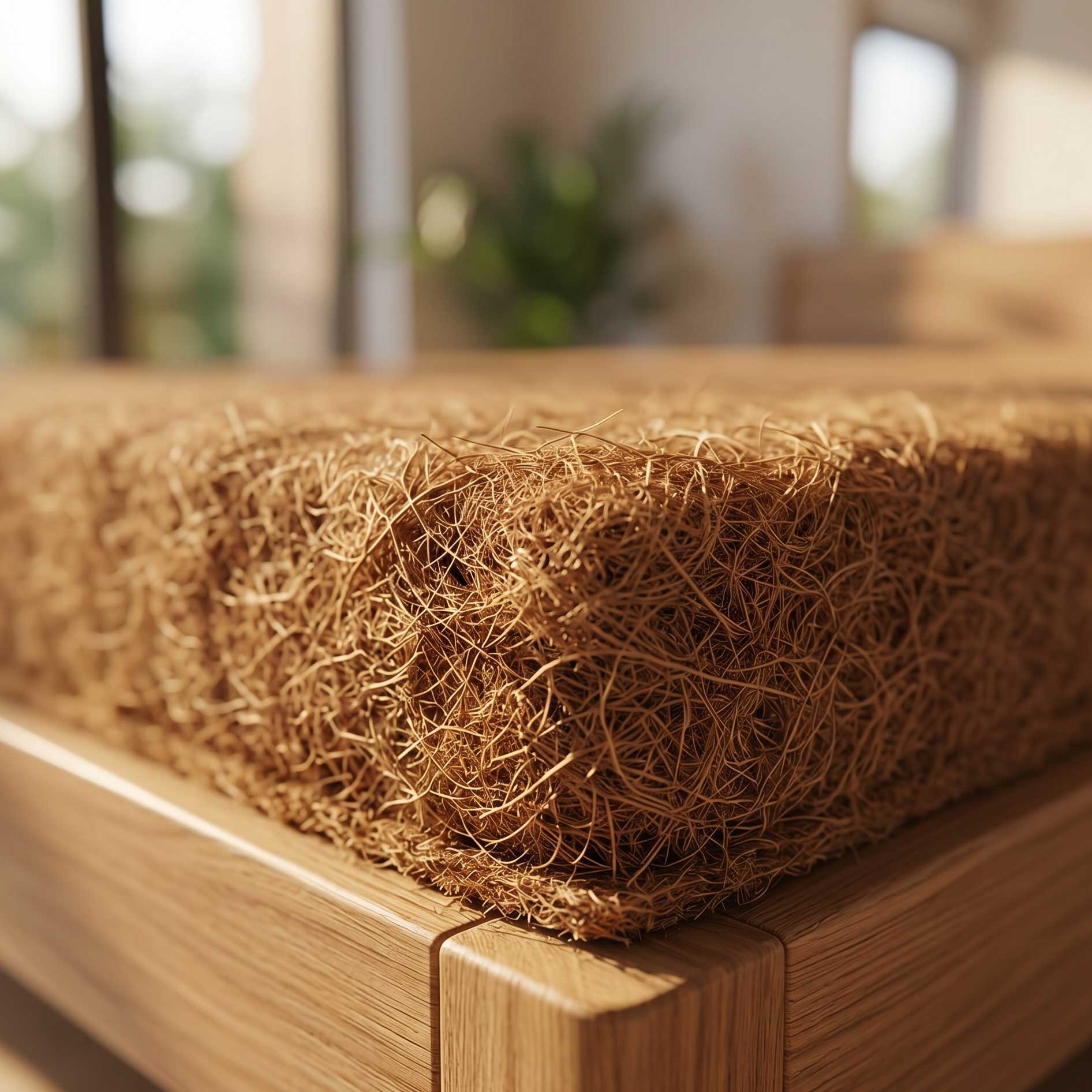
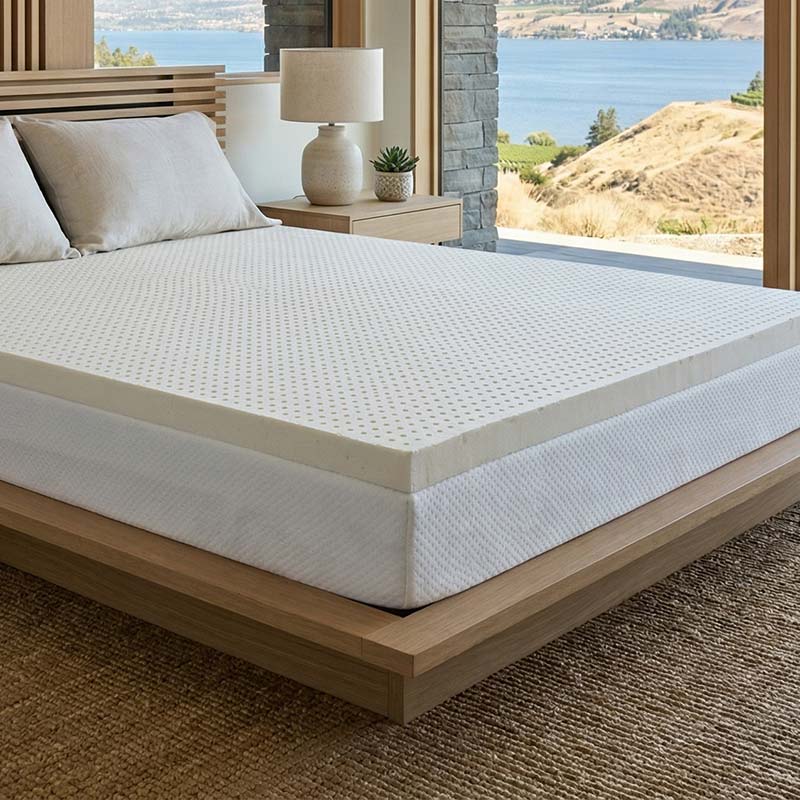
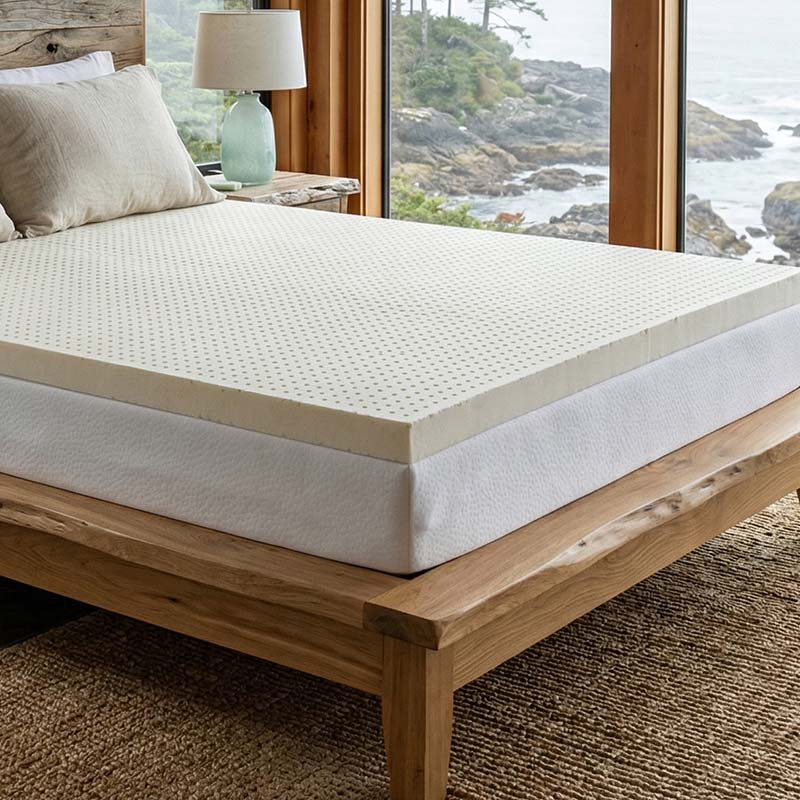
Latex has an open-cell structure. As you shift position during the night, air moves through the material rather than being trapped. Closed-cell foam — the polyurethane and memory foam in most mattresses — doesn't breathe in the same way. It holds heat at the surface. This is why people who sleep hot consistently report that memory foam mattresses make the problem worse, not better.
Wool, when used in a mattress cover, regulates in both directions. It absorbs moisture from the skin and releases it into the air, which prevents the kind of humid surface warmth that disrupts sleep. Wool fibres trap air in cold conditions and release it as temperatures rise, which is why the same material works in both winter and summer bedding. This is not marketing language — it's the physical property that made wool the dominant textile for outdoor clothing and bedding long before synthetic alternatives existed.
For people trying to solve a temperature regulation problem at the mattress level, the cover choice matters as much as the latex itself. Tencel, a plant-derived fibre used as the standard cover on many natural mattresses, wicks moisture effectively and has a cooler surface feel. An organic cotton and wool cover takes a more active role, moderating temperature across a wider range of conditions.
What Sleepmaxxing Gets Right About Intention
The most useful thing the sleepmaxxing trend has done is shift how people think about sleep. Treating it as a system worth understanding, rather than something that either happens or doesn't, is a meaningful change. People who track their sleep, even imperfectly, tend to notice patterns they'd missed before — how alcohol affects the second half of the night, how a late workout shifts when they fall asleep, how the bedroom temperature on a warm evening changes how they feel the next morning.
That awareness tends to lead people toward the foundational questions eventually. How old is this mattress? Does it actually support my sleep position? Is it holding heat? Does the firmness still work for me after years of use? These are the questions that the $3,000 cooling pad skips over, but they're the ones worth starting with.
Frequently Asked Questions
Does latex regulate temperature better than memory foam?
Latex has an open-cell structure that allows air to circulate as you shift position during the night. Closed-cell polyurethane and memory foam do not move air in the same way, which is why many people who sleep hot find that memory foam makes the problem worse. The cover material also contributes significantly: a Tencel cover wicks moisture for a cooler surface feel, while an organic cotton and wool cover moderates temperature in both directions across seasons. The combination of open-cell latex and a breathable cover addresses temperature regulation more completely than either element alone.
Do sleep tracking devices accurately measure sleep quality?
Consumer sleep trackers, including mattress-based sensors and wearable rings, achieve roughly 79 to 89 percent accuracy for sleep stage detection compared to clinical polysomnography. They are reasonably accurate at measuring total sleep duration but significantly less reliable for staging sleep into light, deep, and REM phases. The detailed graphs look precise, but the data has real error margins. For healthy sleepers, the information can reveal broad patterns — how alcohol affects sleep architecture, for example — but it's better used as behavioural feedback than as a diagnostic tool.
What does "sleepmaxxing" actually mean, and is it worth doing?
Sleepmaxxing is the practice of systematically optimising sleep through protocols, products, and environmental adjustments. The evidence-backed core — consistent wake times, a cool dark bedroom, reduced evening screen exposure, limited late caffeine — is worth doing and costs nothing. The gadget-heavy end of the trend, including temperature-controlled mattress pads and high-end tracking devices, has a more mixed evidence base. For most people, addressing the foundational sleep environment first — mattress support, temperature regulation, light and noise management — will have more impact than any technology layered on top of a poor foundation.
Sleep Majestic makes handmade organic latex mattresses in Delta, BC, built around pressure relief and temperature regulation. In-person and phone fittings are available at sleepmajestic.com/pages/delta-latex-mattress-store or 604-731-8226.
---