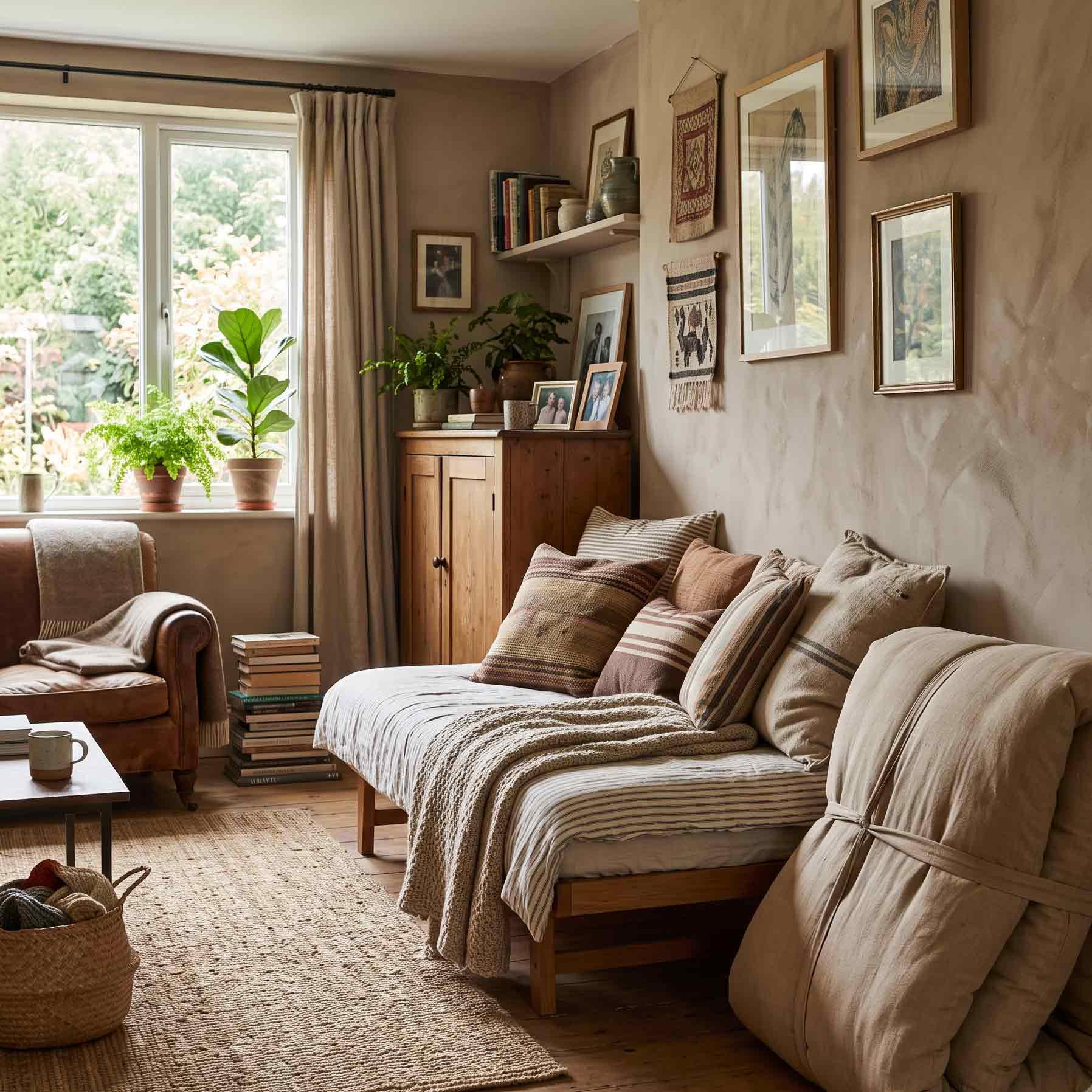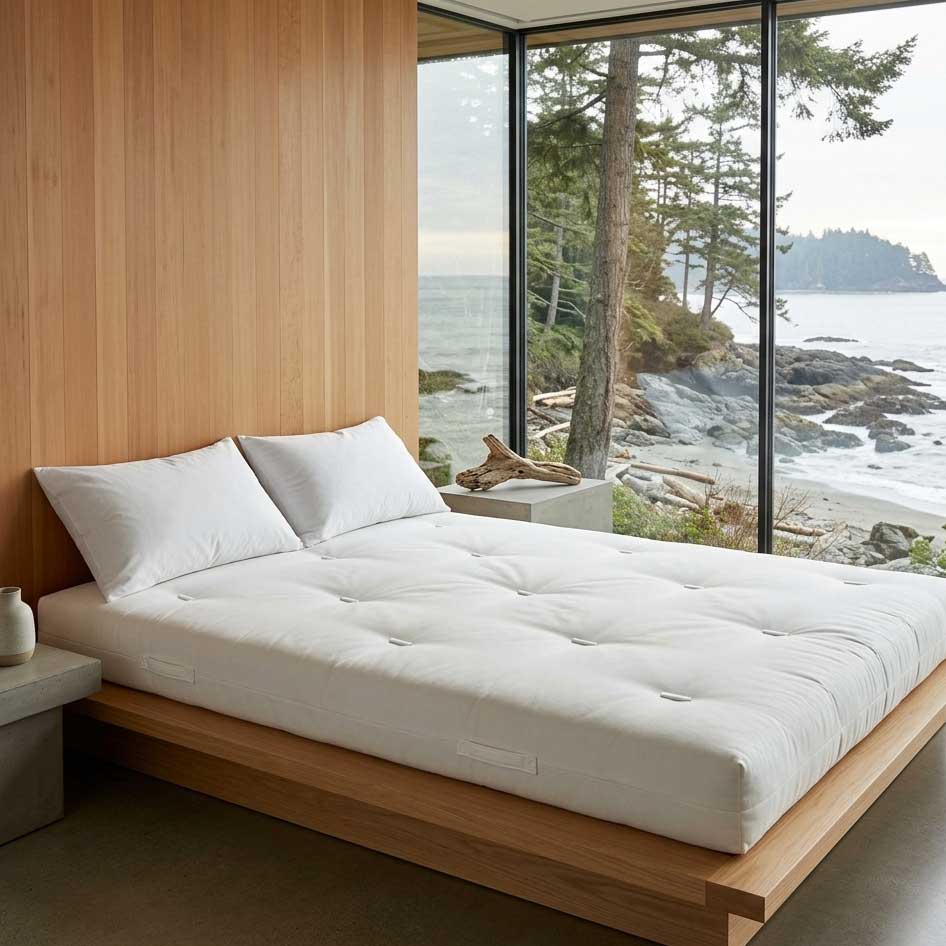
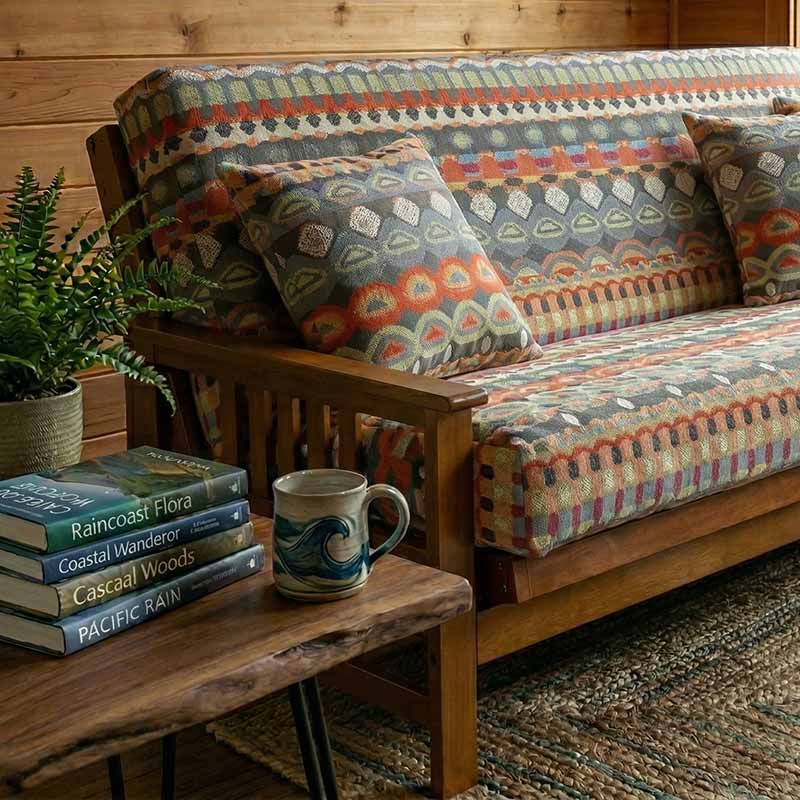
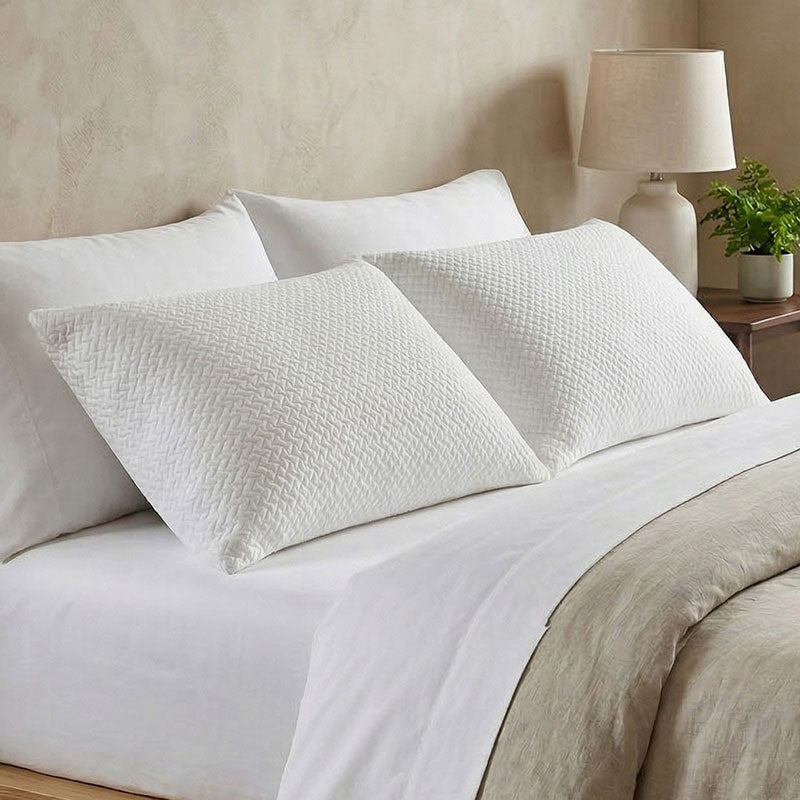
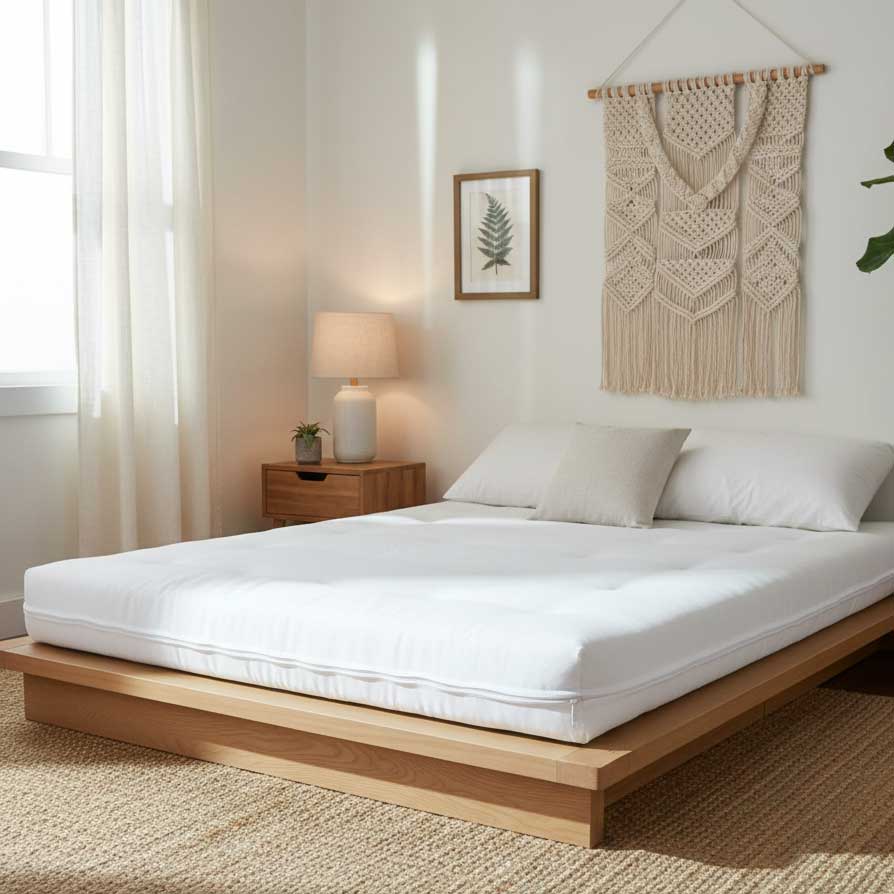
2026's biggest bedroom design trend has a name: cocooning. Designers are filling primary bedrooms with heavy layered textiles, deep warm palettes, blackout drapery, and canopy beds built to feel like a retreat from the rest of the house. It's a reaction to a few years of stark minimalism, and it photographs beautifully.
There's a practical wrinkle, though. The same years that pushed this trend also pushed Canadian summer nights warmer. Overnight lows in cities from Vancouver to Toronto have climbed enough that sleeping hot has become a regular complaint rather than an occasional one. Layering more fabric onto a bed that's already running warm doesn't resolve on its own.
The fix isn't abandoning the look. It's paying closer attention to what's actually holding the heat, starting with the mattress underneath all that styling.
What "Cocooning" Actually Means in a 2026 Bedroom
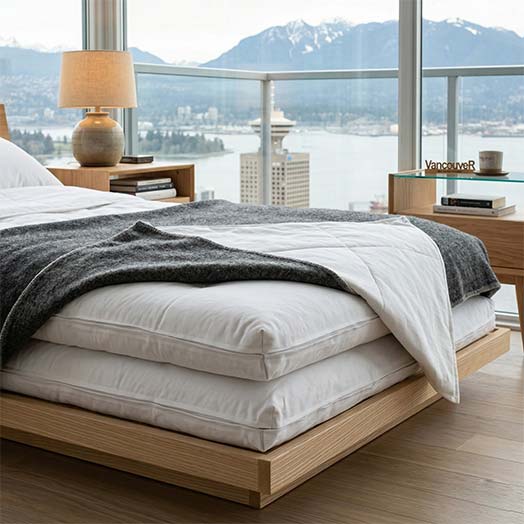
The bedroom trend dominating 2026 interior design coverage goes by "cocooning," and it's built around the opposite instinct of the stark, minimal bedrooms of the past few years. Designers are reaching for deep, earthy palettes like cocoa and clay, layered rugs stacked over each other, blackout drapery, and statement canopy beds that wrap the sleeper in fabric rather than open the room up. The goal is a bedroom that reads as a retreat the moment you walk in, somewhere that feels sealed off from the rest of the house.
It's a good-looking trend, and there's a real wellness logic behind it. A visually calming, enclosed space can genuinely help some people wind down. The design choices driving that feeling, though, are almost all about what's layered on top of the bed, not what's underneath the sleeper.
Where the Heat Actually Gets Trapped
Overnight temperatures across Canada have been trending warmer for several summers running, and cities that rarely needed cooling overnight are now seeing regular stretches above 18°C after dark. Add a cocooning bedroom's heavier textiles and blackout drapery on top of that, and airflow through the room drops just as the body needs to shed heat to fall asleep.
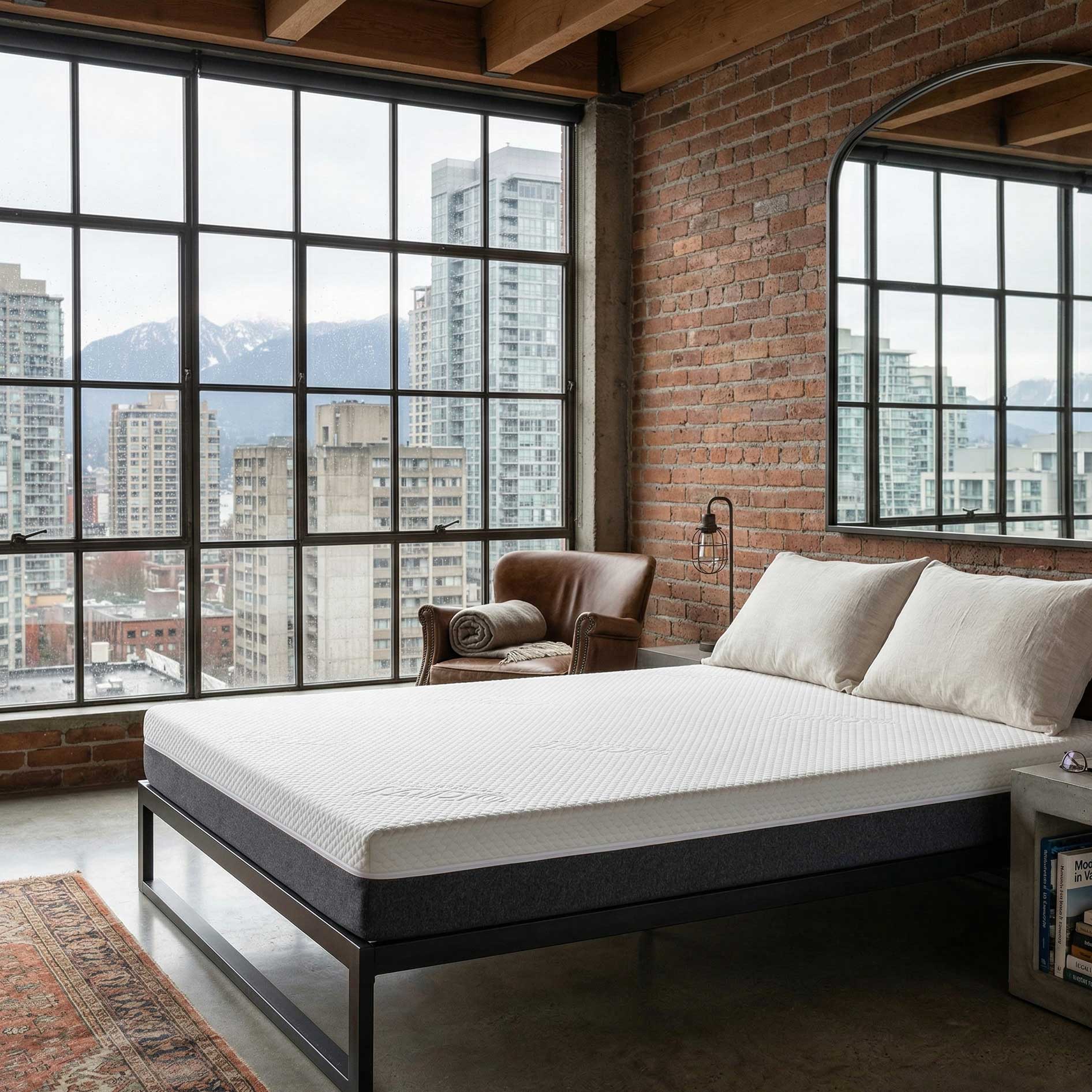
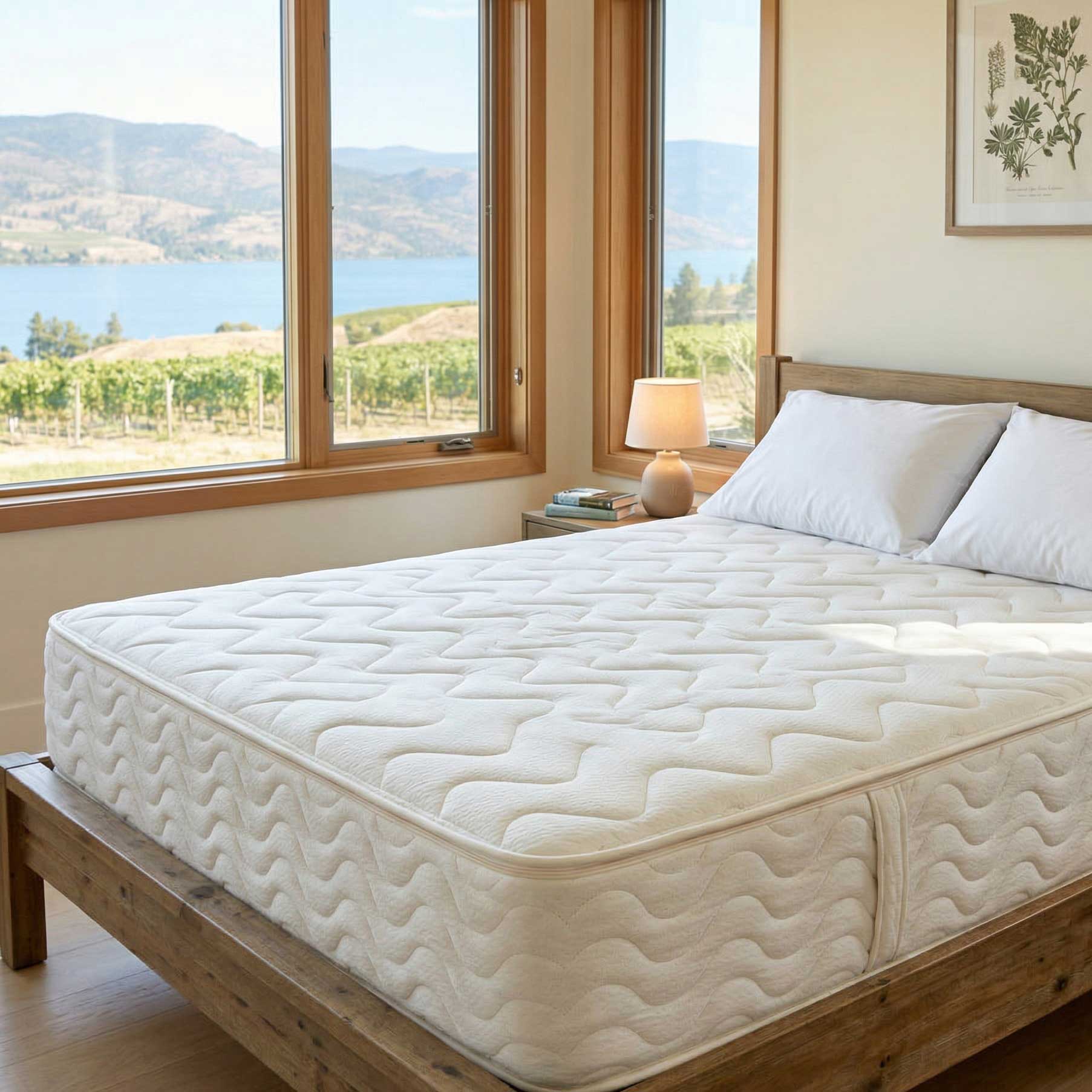
Most of that heat doesn't come from the blanket on top. It comes from what's directly underneath the sleeper. A dense foam mattress, or one built with limited airflow between layers, traps body heat against the skin all night regardless of how breathable the bedding on top of it is. In a cocooning bedroom that's already running warmer by design, the mattress becomes the one layer doing the most damage if it isn't built to move air.
What Breathable Materials Do Differently
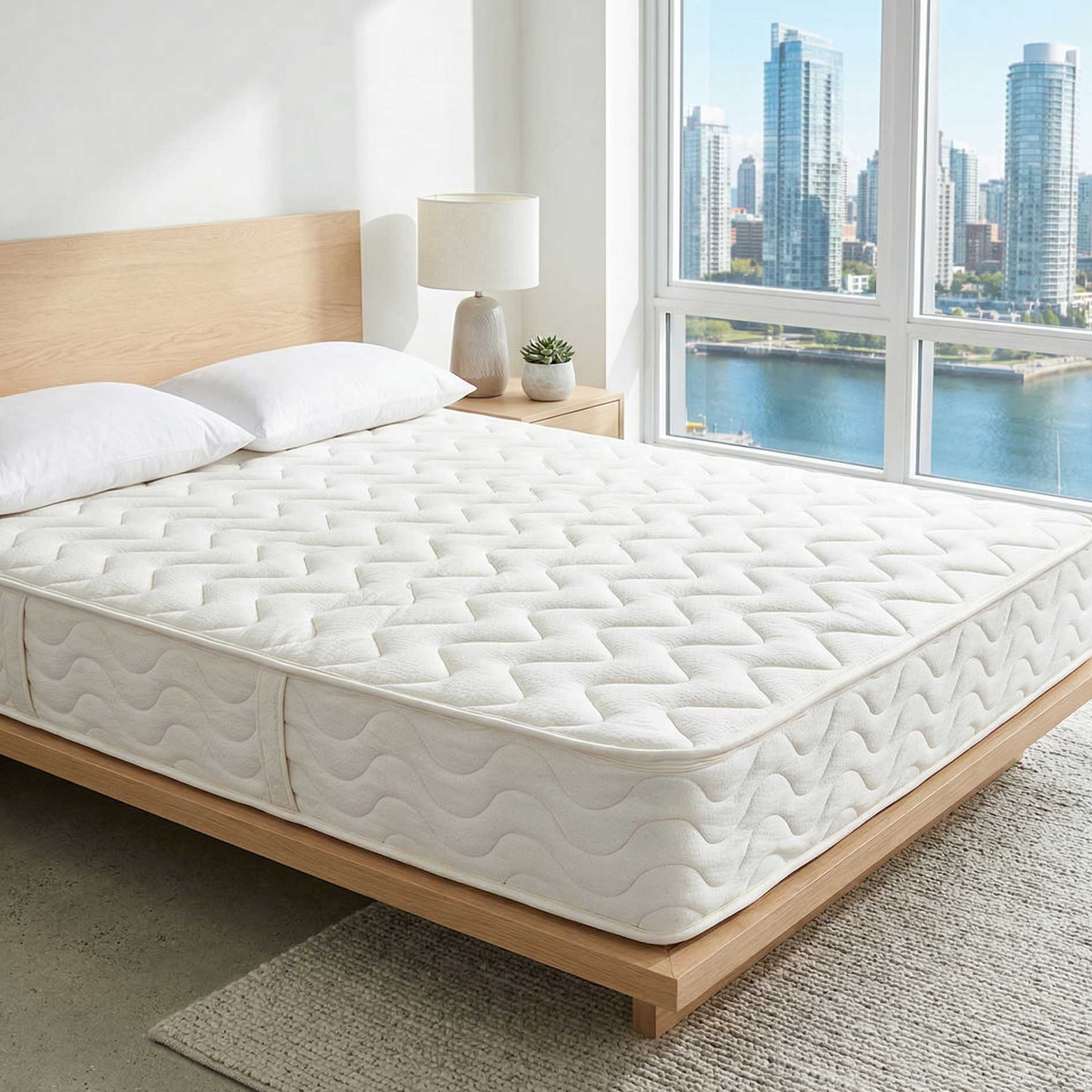
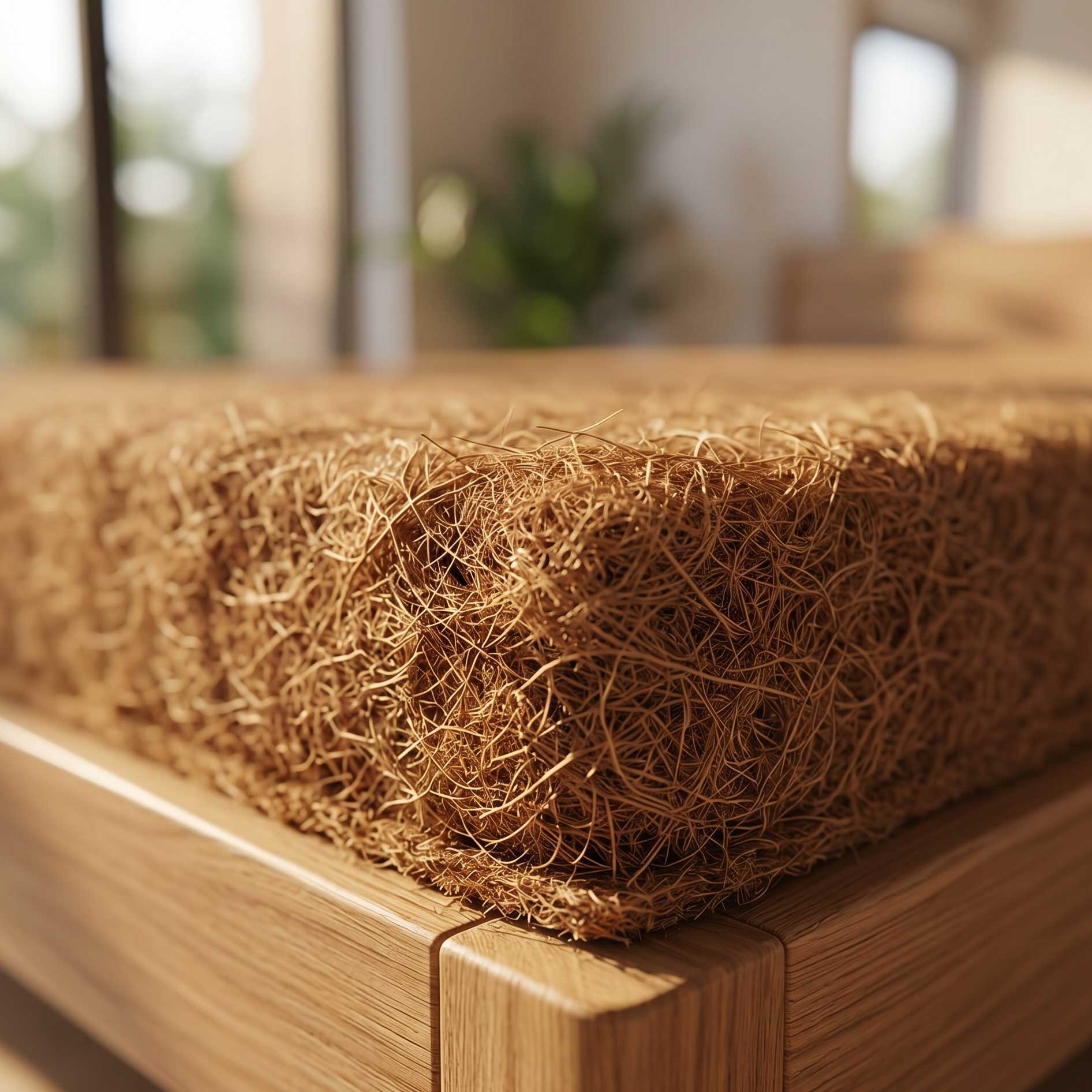
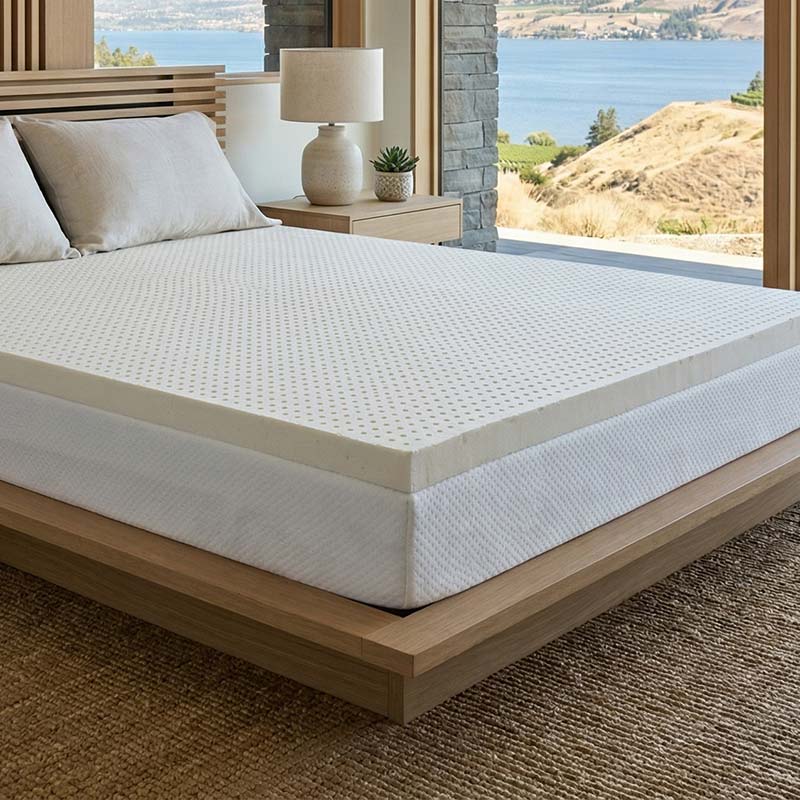
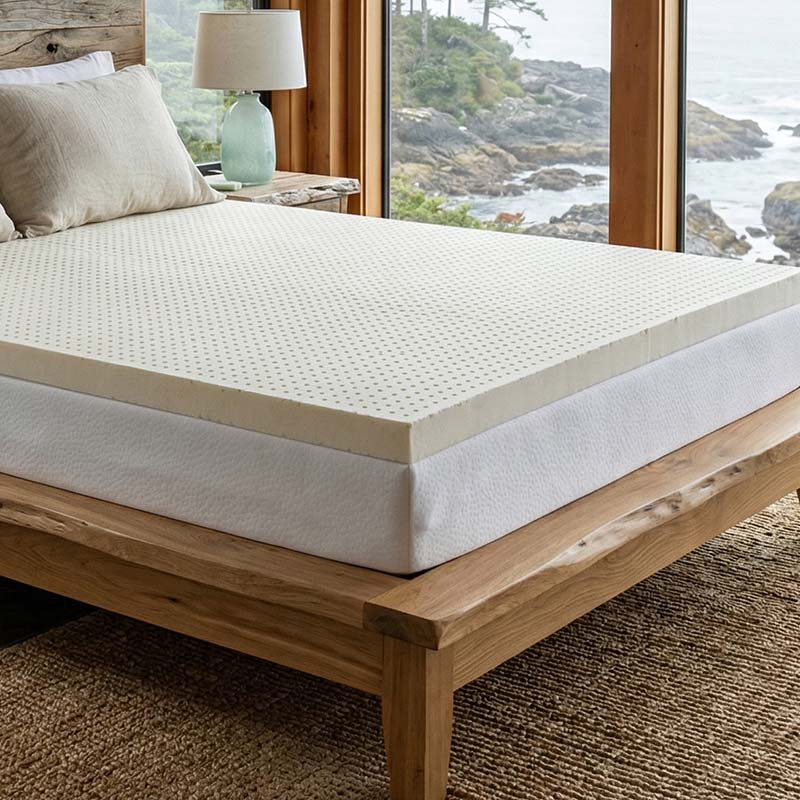
Natural latex has an open cell structure, which means air can actually move through the material instead of getting trapped the way it does in dense foam. GOLS-certified Dunlop latex in particular is built and tested to a standard that verifies both material quality and air quality, which matters when a mattress is going to sit under heavier bedding for months of the year.
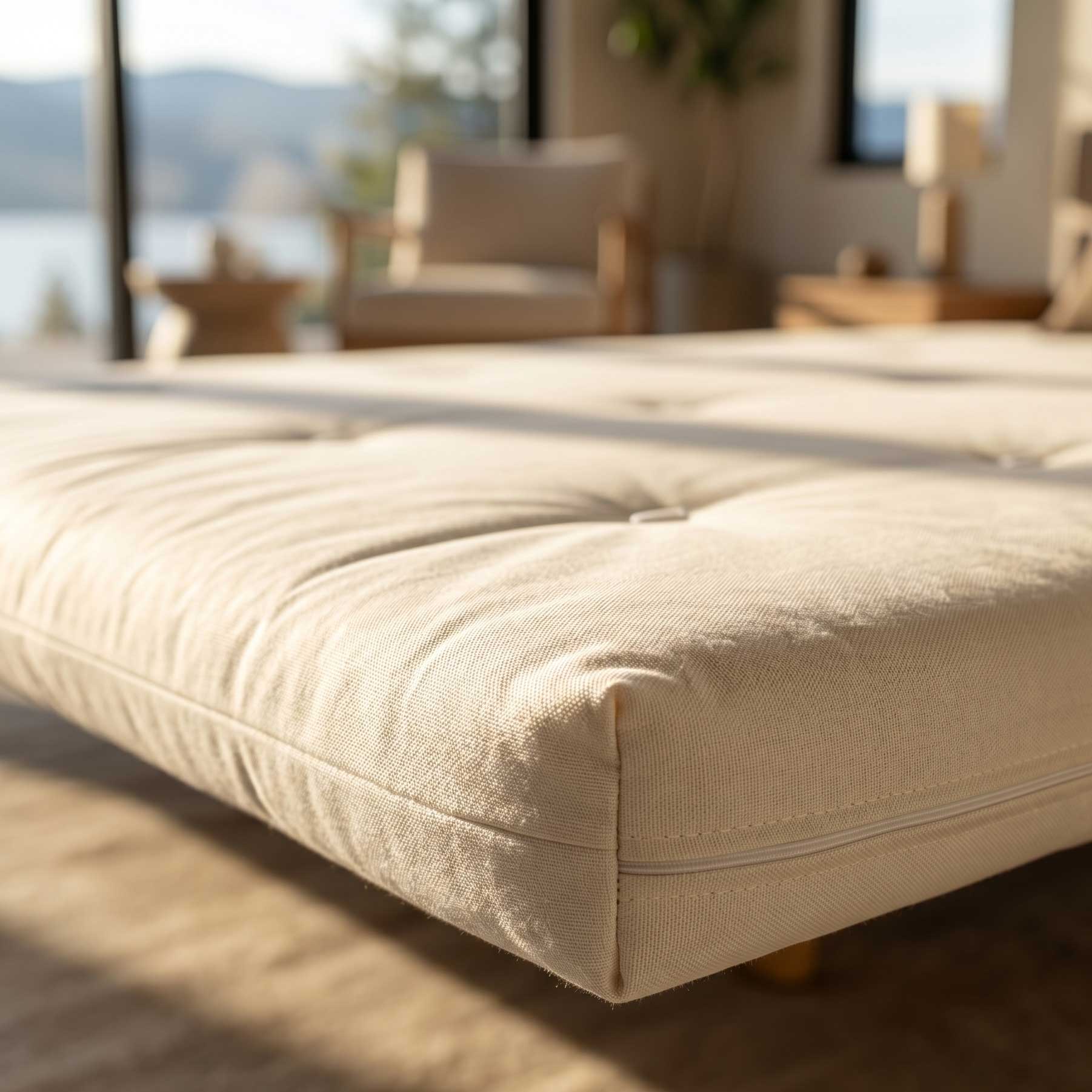
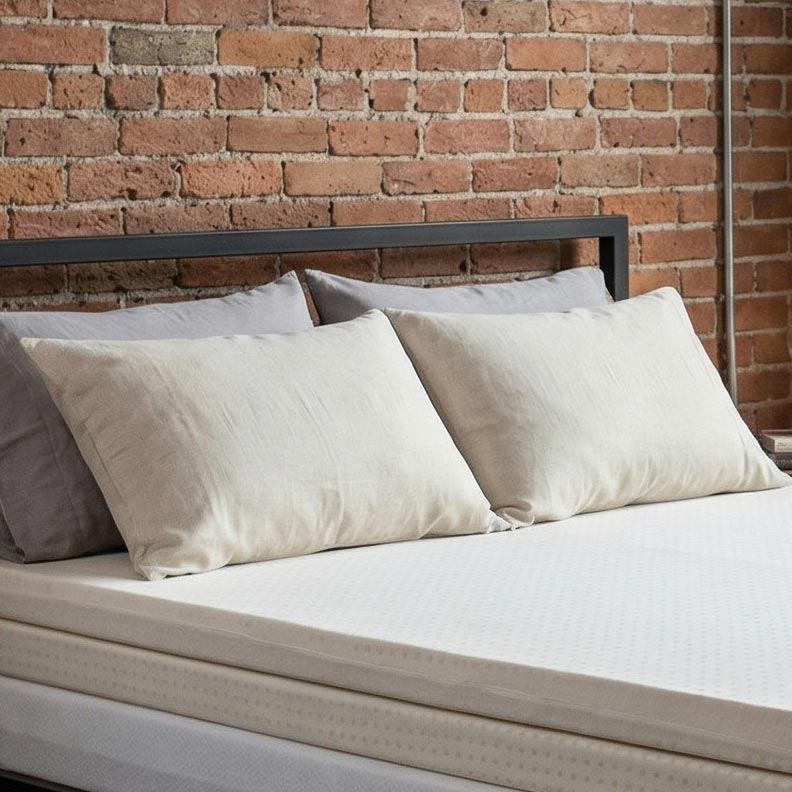
Natural fibre covers behave differently under heat too. A wool and organic cotton cover regulates temperature by wicking moisture rather than sealing it against the skin, working with a cocooning bedroom's heavier top-of-bed styling instead of against it. None of this requires giving up the layered, enclosed look. It just means the layer no one sees, the mattress itself, needs to be doing different work than the ones on top of it.
Keeping the Cocooning Look Without the Overheating
The easiest fix isn't a redesign. It's treating the heaviest textiles, the canopy drapery, the extra throws, the layered rugs, as elements that can be pulled back or removed at night rather than fixed in place. A canopy bed still reads as a cocooning bedroom during the day with its curtains open in the evening.
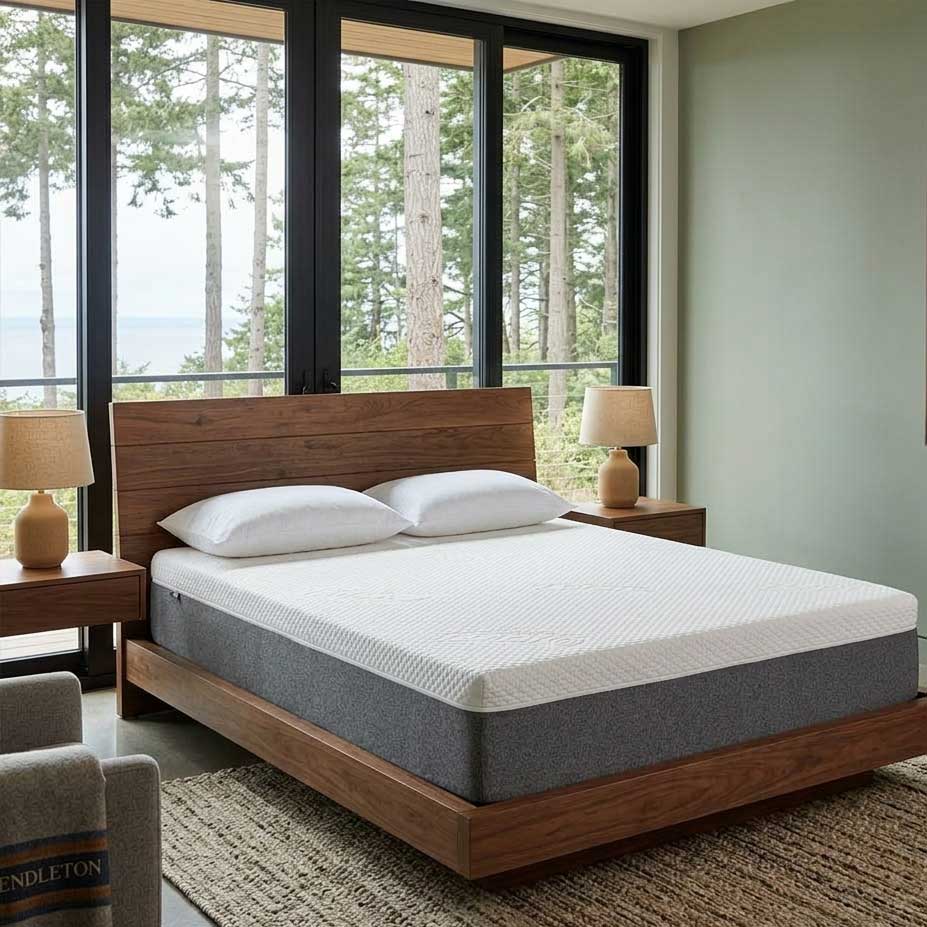
The harder-to-see fix is what's actually against the body overnight. A breathable mattress and a natural fibre cover do more for a hot summer night than any amount of styling adjustment, and they're also the layer that doesn't change with the season. Getting that part right means the cocooning look can stay exactly as designed without costing anyone a night's sleep in July.
Frequently Asked Questions
Does a cocooning bedroom design make you sleep hotter?
A cocooning bedroom's heavier textiles, blackout drapery, and layered rugs can reduce airflow in the room, but the bigger factor in sleeping hot is usually the mattress itself. A dense foam mattress traps body heat regardless of how the room is styled, while a breathable latex mattress moves air even under heavier bedding. The trend itself isn't the problem, what's underneath the sleeper often is.
What's the best mattress material for a warm bedroom in Canada?
Natural latex is generally the better choice for a warm bedroom, since its open cell structure allows air to move through the mattress rather than trapping heat against the body the way dense foam does. A cover made from organic cotton and wool regulates temperature by managing moisture rather than sealing it in, which matters more during Canadian summers that are trending warmer overnight than they used to.
Can you have a cozy-looking bedroom without overheating in summer?
Yes. The heaviest elements of a cocooning bedroom, canopy drapery, layered rugs, and extra throws, can be treated as removable styling rather than fixed features, pulled back on warmer nights. The bigger factor is what's underneath the sleeper. A breathable mattress and natural fibre cover manage heat year round, which means the layered, enclosed look can stay in place without changing anything that actually touches the skin at night.
Sleep Majestic makes handmade organic latex mattresses in Delta, BC, built around breathability as much as comfort. In-person and phone fittings are available at 604-731-8226.