Metro Vancouver summers have changed. Since the 2021 heat dome, late June through August regularly delivers overnight lows above 18°C in the city — in condos and older rentals without AC, it runs warmer than that. What you sleep on makes a measurable difference in how you get through it.
Most people reach for a fan first. A fan helps, but if the surface you're sleeping on is trapping heat, you're managing the symptom rather than the source. The mattress is the piece most worth looking at.
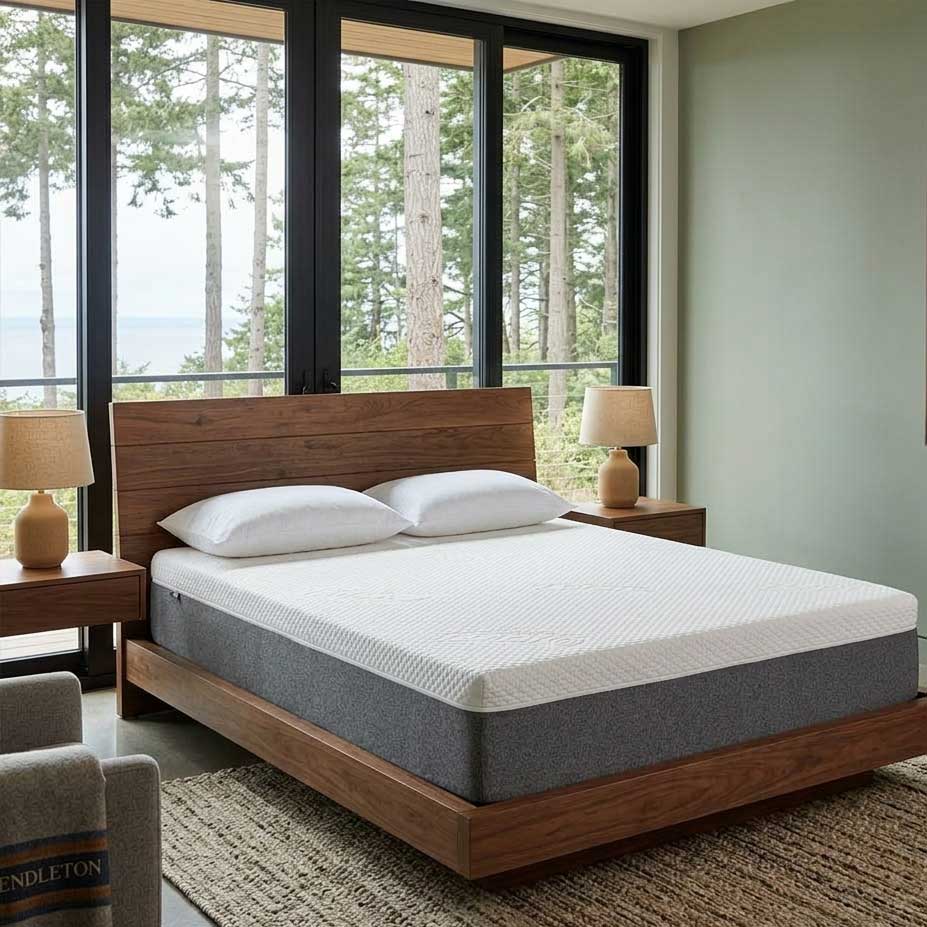
Why Memory Foam Struggles in a Vancouver Summer
Memory foam is temperature-sensitive by design. It softens and conforms as it warms — which is what gives it that slow-sink feel. In cool months that's tolerable. In July, when the room is already warm and the mattress surface is absorbing body heat, the material holds that warmth against you through the night.
Poly foam and memory foam also have closed-cell structures. Air doesn't move through them. Whatever heat builds up at the surface stays there, which is why sleeping hot is one of the most consistent complaints people have about conventional foam mattresses — and why it gets significantly worse in summer.
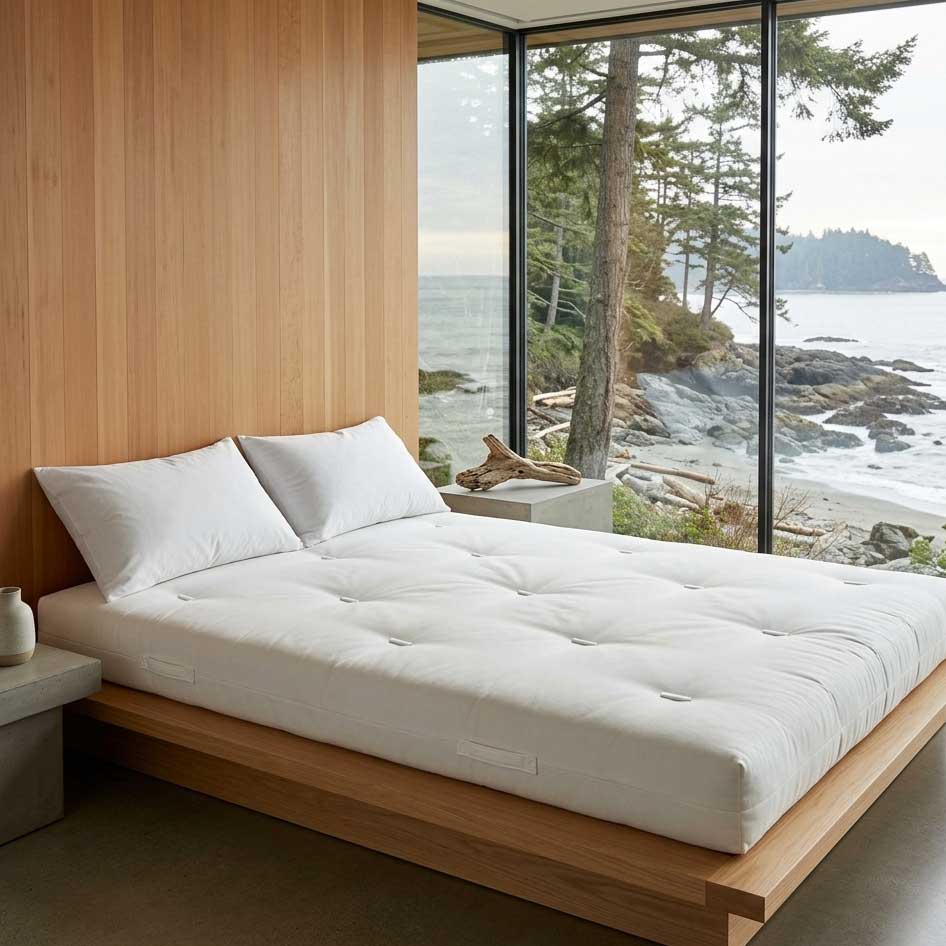
What Latex Actually Does Differently
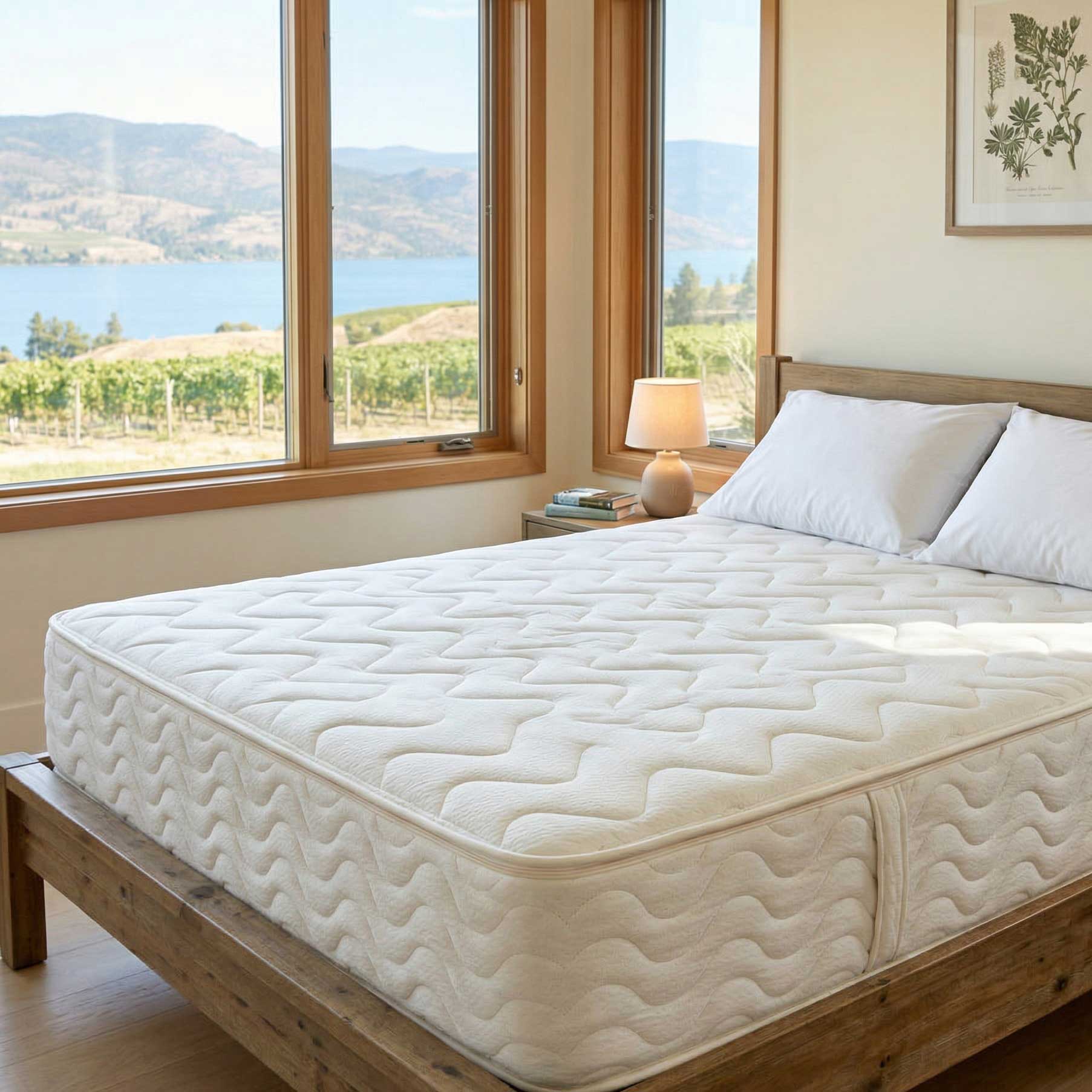
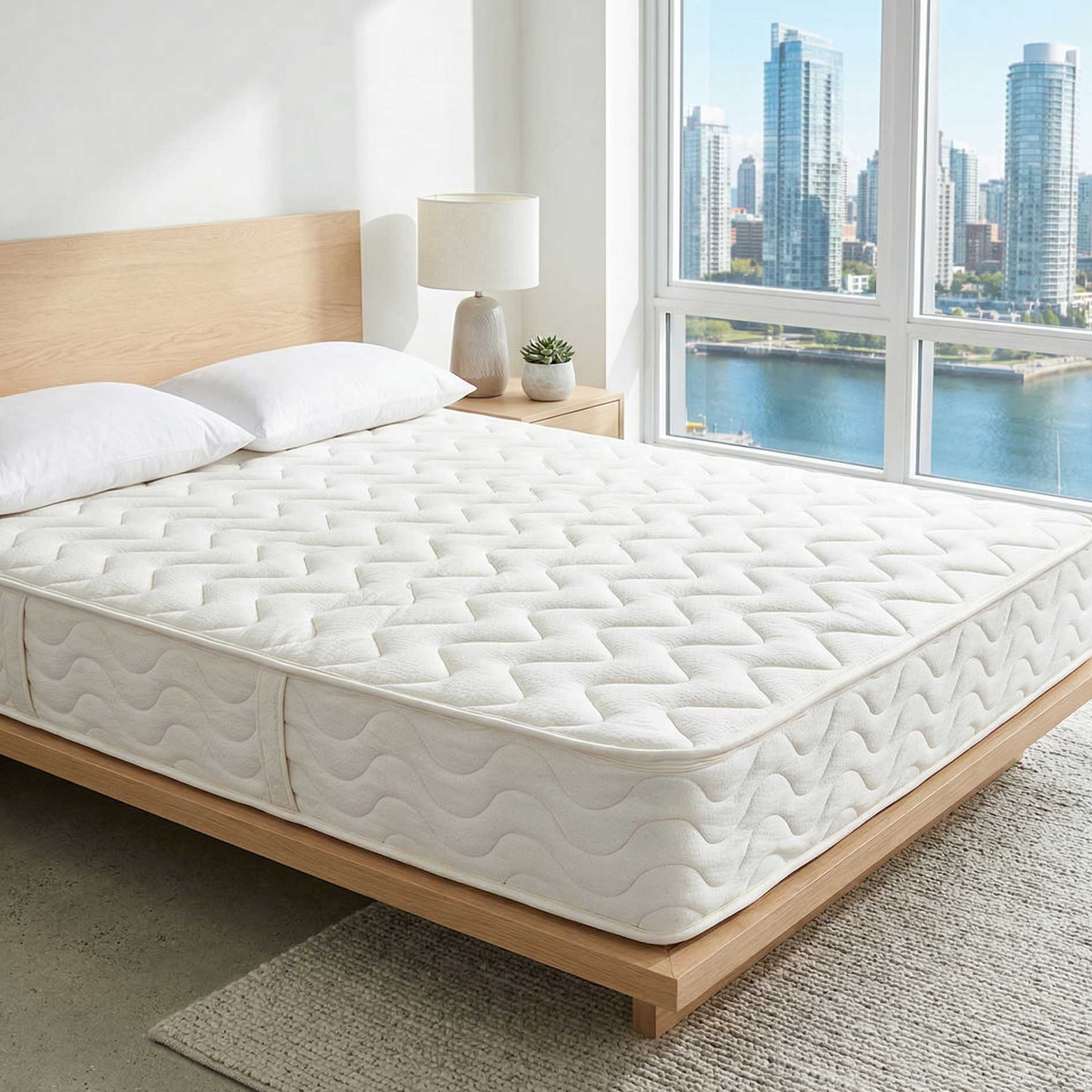
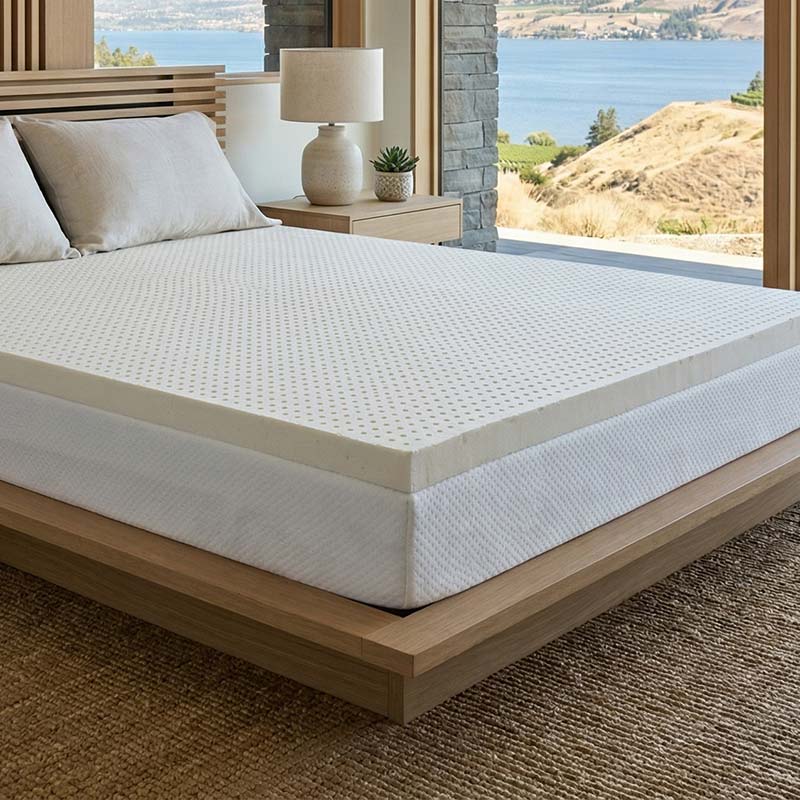
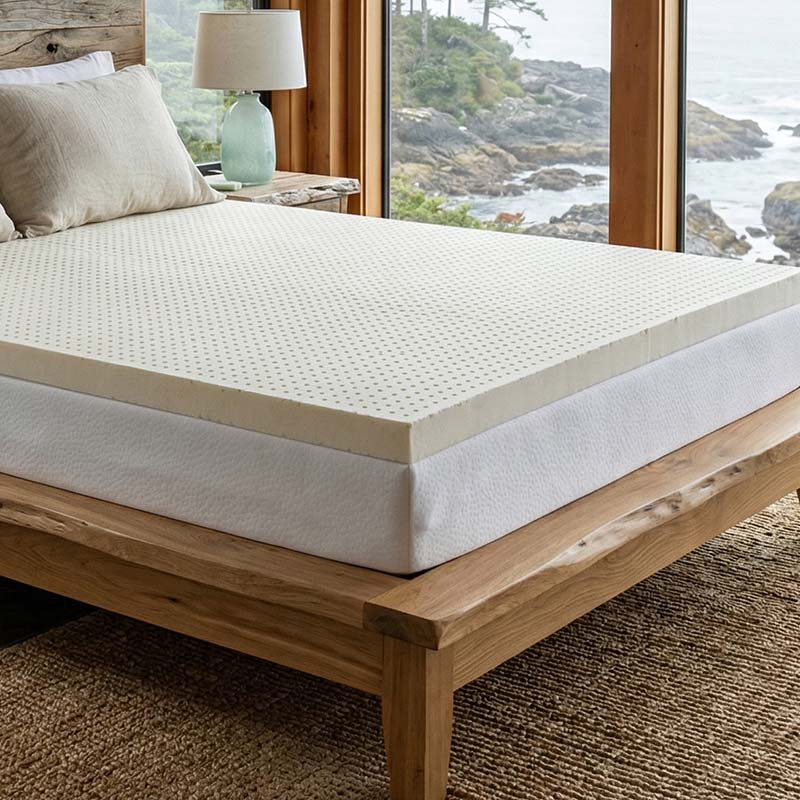
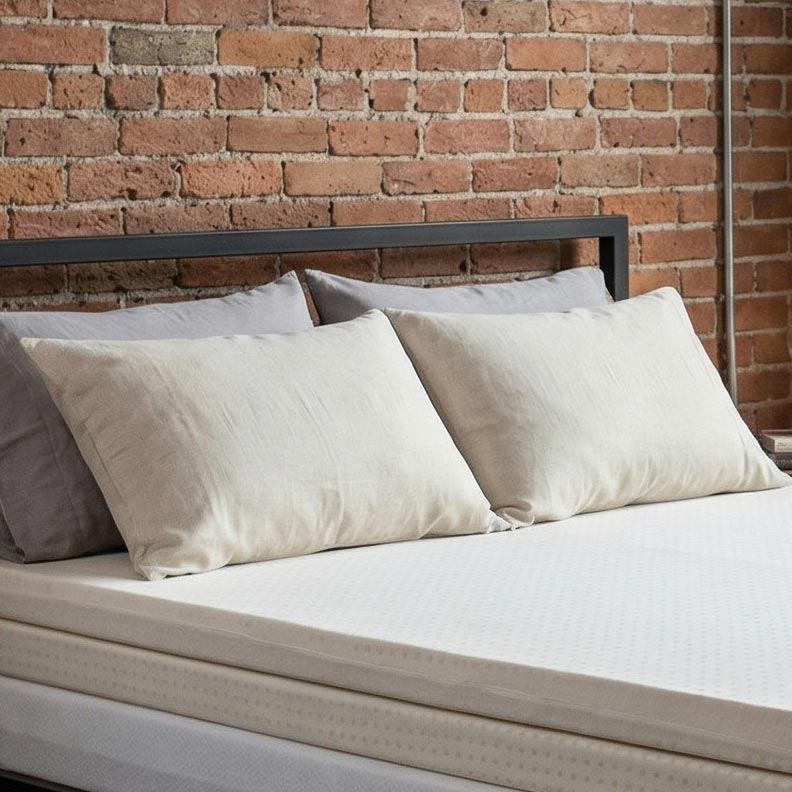
Natural latex has an open-cell structure with a pinhole pattern that runs through every layer. Air circulates as you move. Heat doesn't pool at the surface the way it does in denser, closed-cell foams. It's not air conditioning — but it is a material that doesn't actively work against you on a warm night.
Dunlop latex runs slightly denser than Talalay. Both breathe better than poly foam, but Talalay's lighter, more open structure moves more air. For people who sleep warm year-round, not just in summer, that distinction matters when choosing layers.
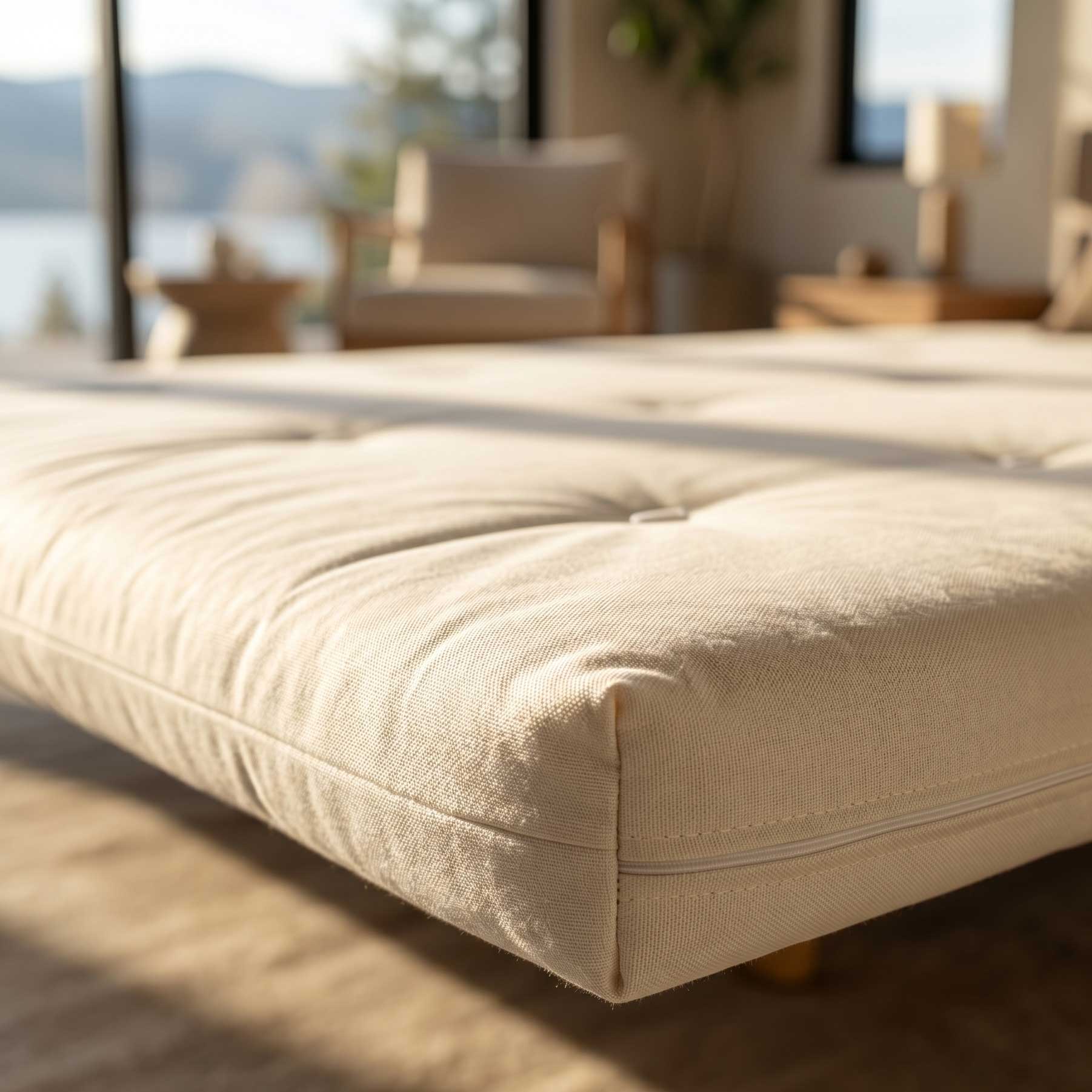
The Cover Makes More Difference Than Most People Expect
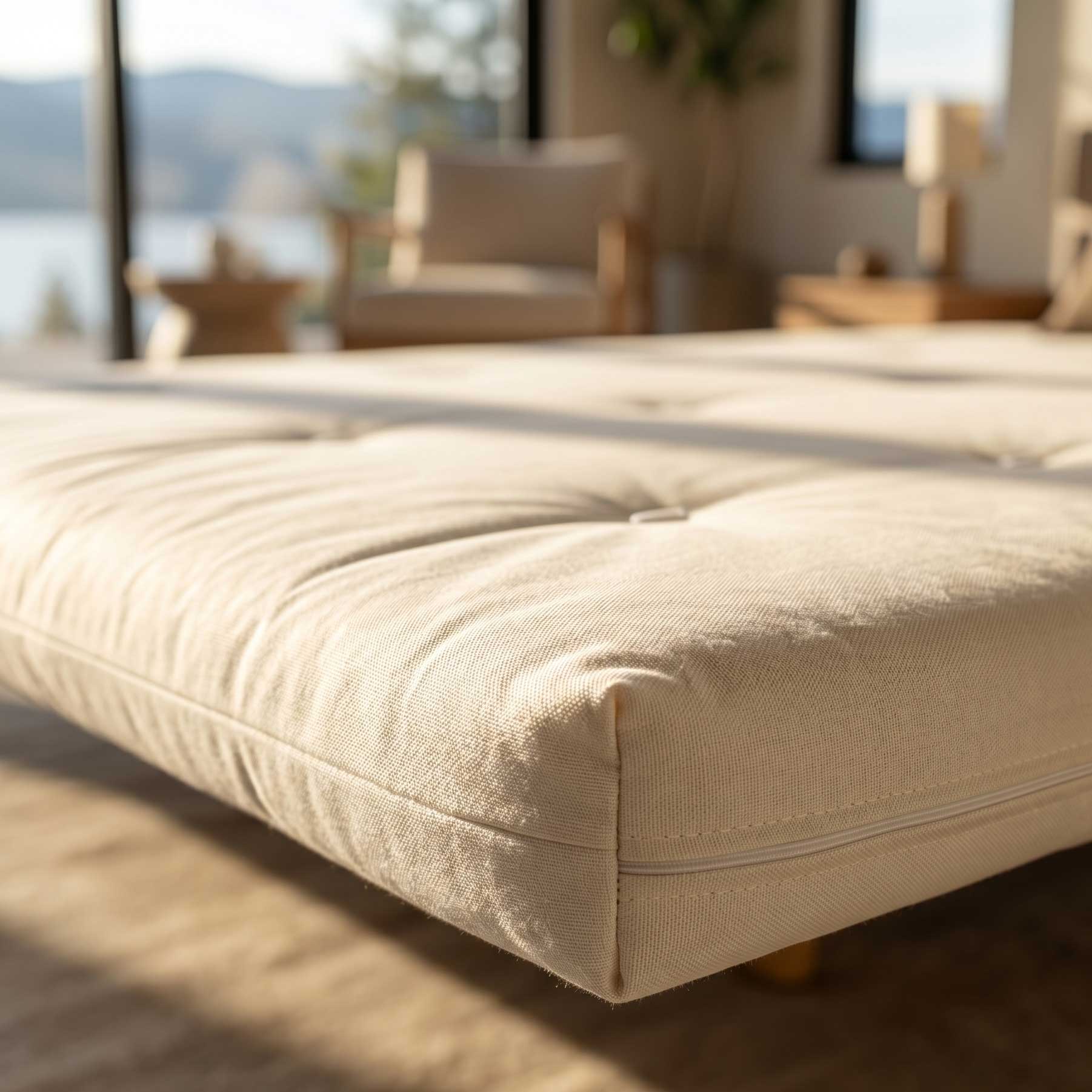
The surface you're actually touching is the cover, not the latex itself. A Tencel cover is moisture-wicking and feels cooler to the touch than cotton on first contact. An organic cotton and wool cover runs warmer initially but regulates better across the full night — wool moves moisture away from the body rather than letting it sit.
In a Vancouver summer context, Tencel tends to feel better on the hottest nights. The organic cotton and wool cover performs well for people who go from cold to warm across a night rather than staying consistently hot.
Older Buildings and the Condo Reality
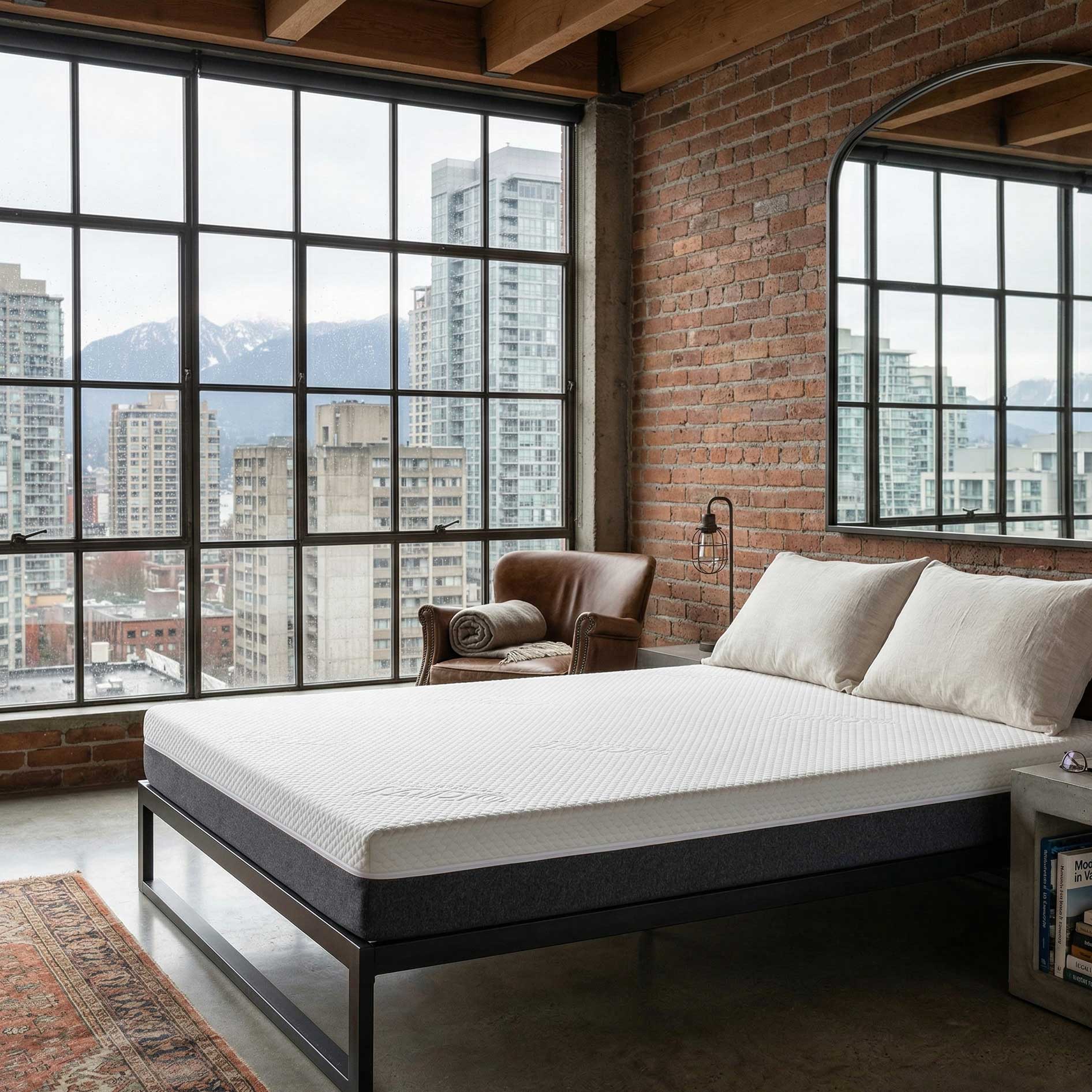
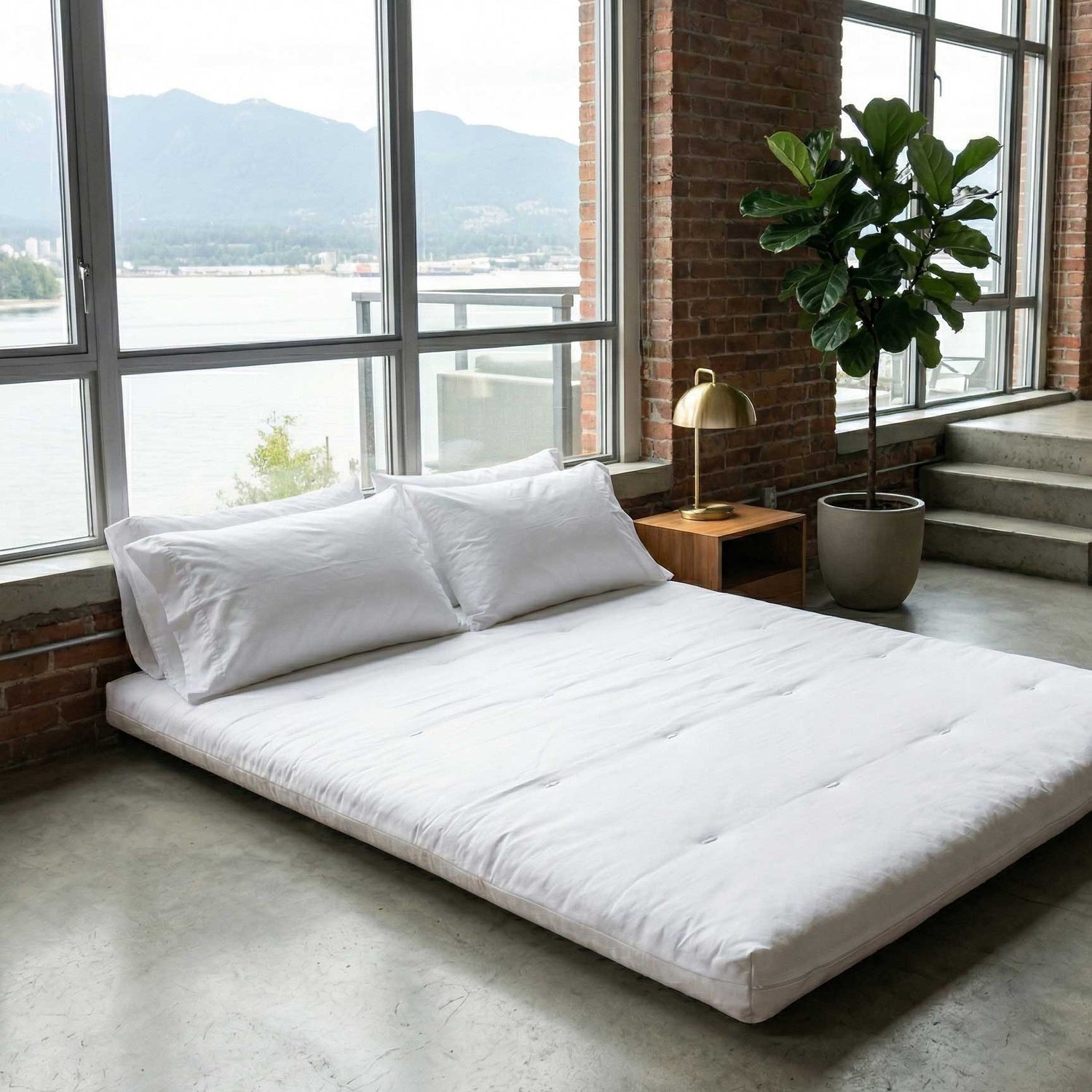
A significant portion of Metro Vancouver's housing stock pre-dates central air conditioning as a standard feature. Concrete towers hold heat through the evening. East-facing suites cool down faster; west and south-facing units stay warm well past midnight.
Renters and condo owners in these buildings are making sleep work without the infrastructure that newer builds in the suburbs often include. The mattress and cover combination becomes more important in that context, not less — it's often the one variable people can actually control.
What to Do If Summer Sleeping Is Already a Problem
If you have an existing mattress that sleeps warm, a latex topper is worth considering before a full replacement. A 2" or 3" Dunlop or Talalay topper over a conventional mattress changes the sleeping surface without replacing the whole thing. The breathability benefit is immediate.
For a full mattress replacement, the firmness and layer configuration are worth thinking through properly — a fitting by phone or in person takes about half an hour and covers sleeping position, body type, and temperature preferences together. Getting the configuration right matters as much as the material choice.
Sleep Majestic makes handmade organic latex mattresses in Delta, BC, and ships across Canada. The showroom on Annacis Island has the full range to try in person. Fittings are available six days a week at sleepmajestic.com/pages/delta-latex-mattress-store or 604-731-8226.
Frequently Asked Questions
Does a latex mattress actually sleep cooler than memory foam, or is that marketing?
Natural latex has an open-cell structure and a pinhole pattern that allows air to move through the material. Memory foam uses a closed-cell structure that holds heat at the surface. The difference is real and comes from the physical construction of the foam, not from a coating or treatment. In warm conditions, the distinction is more noticeable because there is more heat to manage.
Which is better for sleeping hot in Vancouver — a Tencel cover or an organic cotton and wool cover?
Tencel feels cooler on initial contact and is better for people who sleep consistently warm all night. The organic cotton and wool cover regulates temperature more actively across the full night, moving moisture away from the body as you shift between warm and cool. For Vancouver summer conditions specifically — warm evenings, cooler early mornings — either works depending on how you sleep. A fitting can help narrow it down.
Can a latex topper fix a mattress that sleeps hot, or is a full replacement the only real solution?
A latex topper changes the sleeping surface and adds the breathability of natural latex without replacing the whole mattress. For a foam mattress that sleeps warm, a 2" or 3" Talalay or Dunlop topper makes a genuine difference. It is not the same as a full latex mattress, but it addresses the surface heat problem directly and at a lower cost.