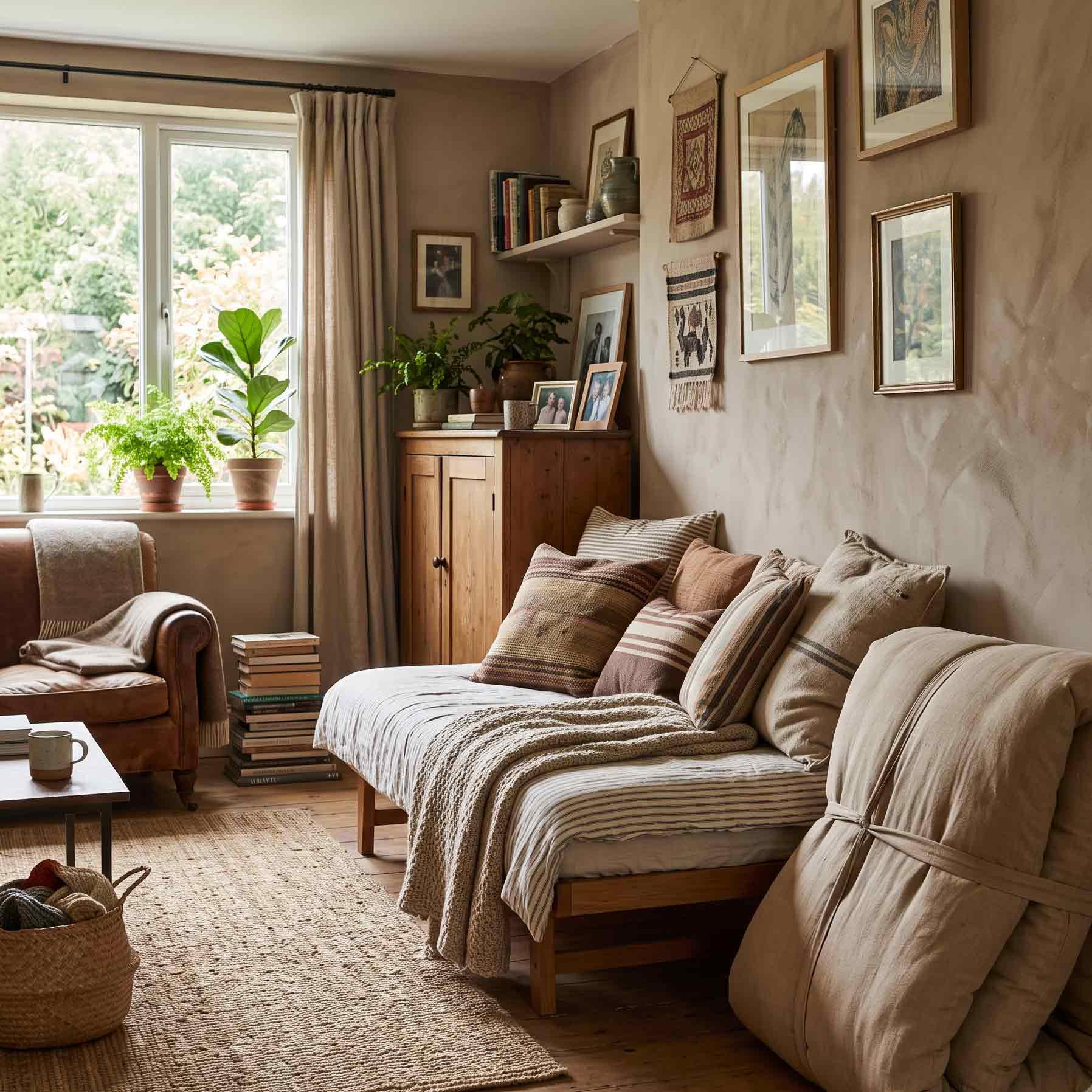
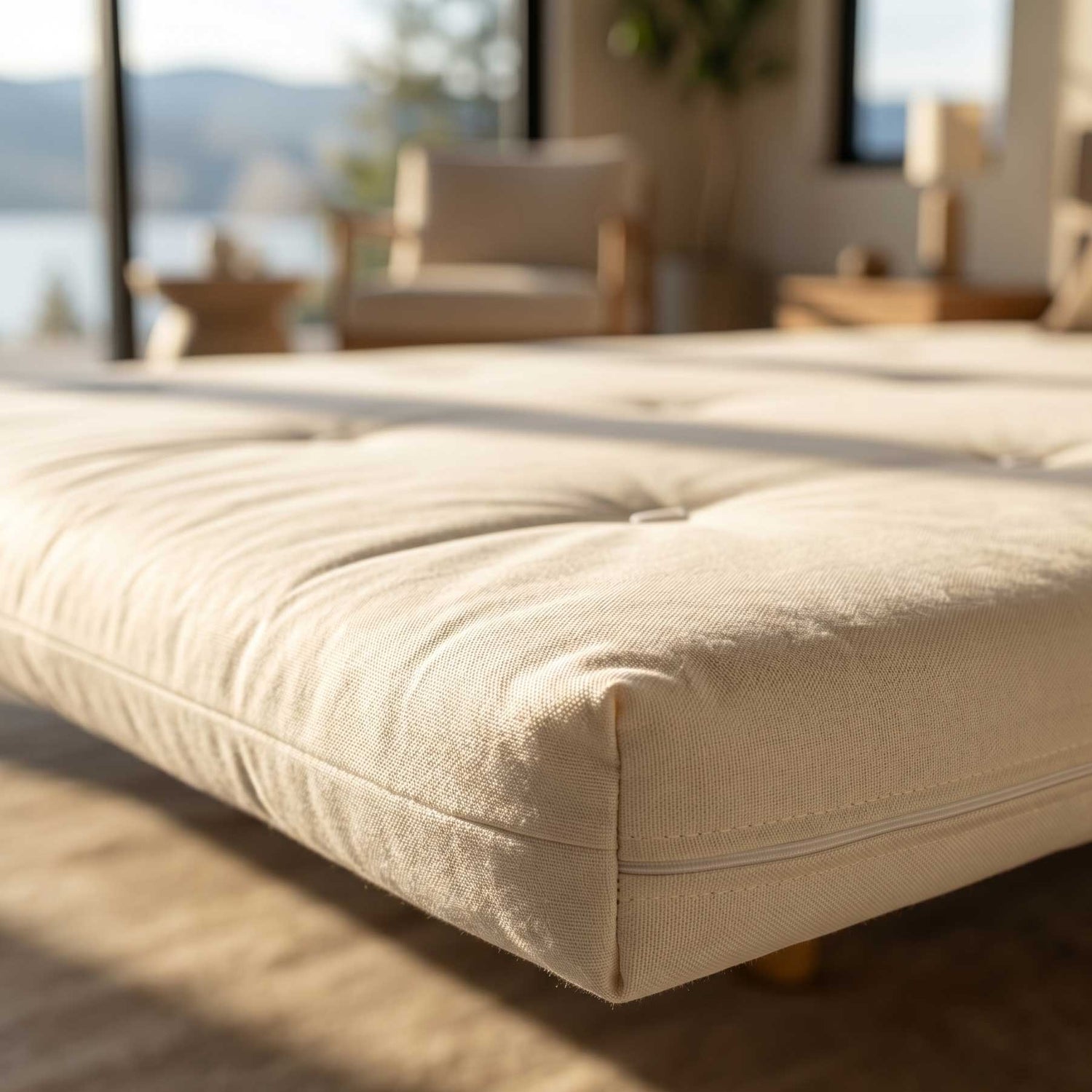
Quiet luxury has moved from fashion runways into Canadian bedrooms: natural fibres, understated palettes, nothing that looks cheap or synthetic. The irony is that most bedrooms pursuing this aesthetic are still sleeping on a polyurethane foam mattress hidden under expensive linen. The most used surface in the room is the least considered one.
The trend itself is straightforward. Fewer things, better quality. Warm neutrals and natural textures over fast-fashion maximalism. Linen over polyester. Oak over laminate. It's a design sensibility that prioritises material integrity over visual noise — and it's showing up across Canadian home interiors in a way that feels less like a trend and more like a correction.
Where the Trend Stalls
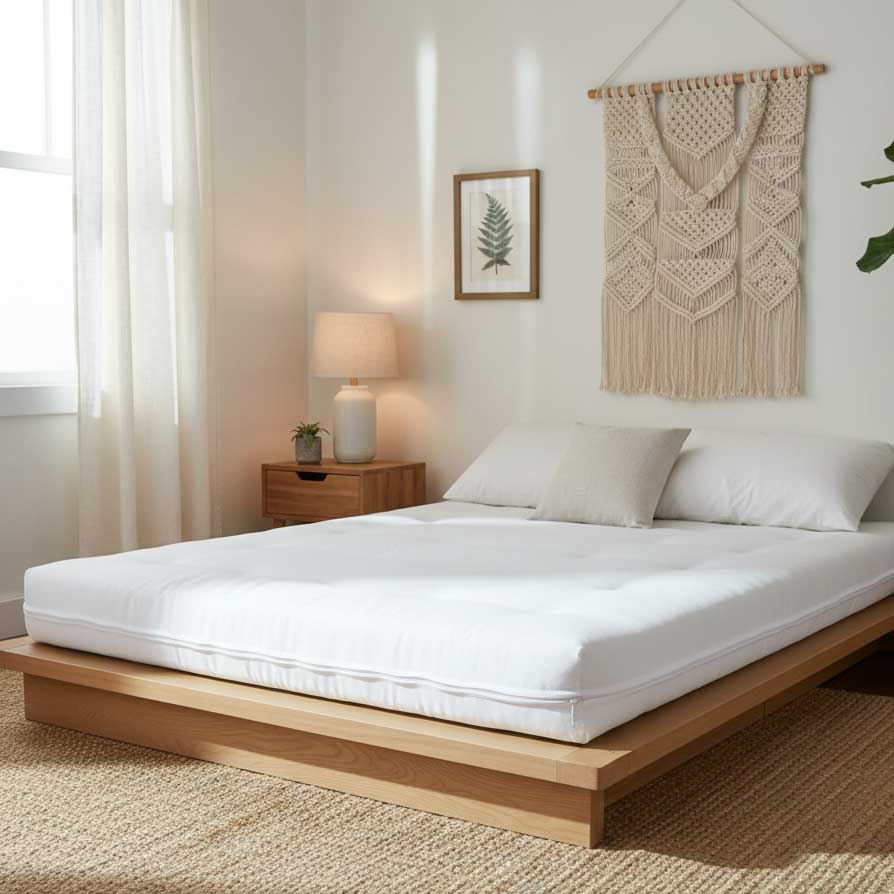
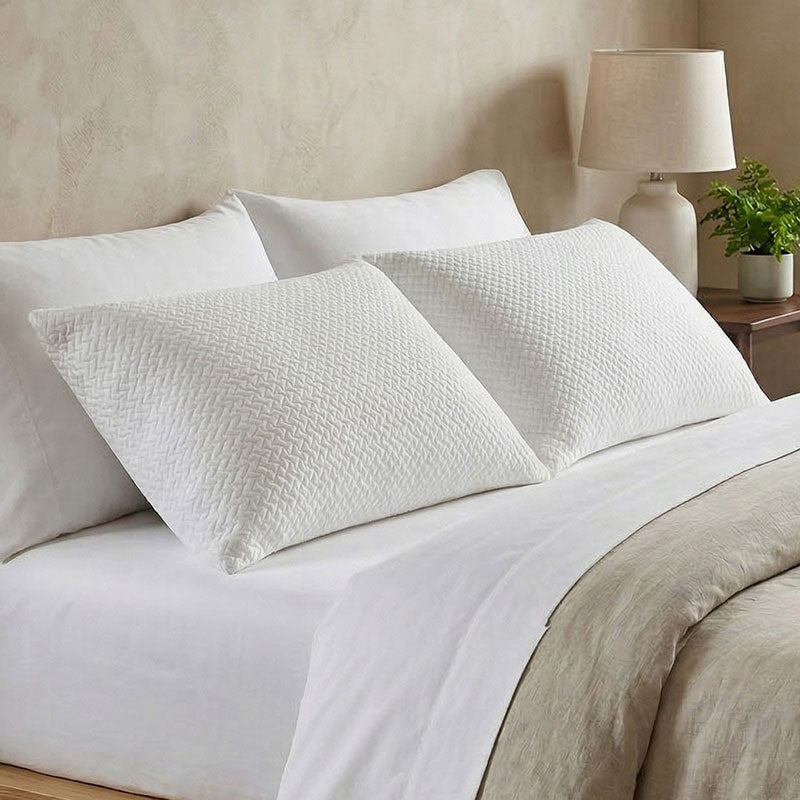
Walk into most bedrooms styled around quiet luxury and you'll find the same contradiction: hand-stitched linen duvet covers, wool throws, solid wood nightstands — and underneath all of it, a memory foam or hybrid mattress built around a polyurethane foam core. The thing you spend eight hours in contact with every night is the one place where material integrity quietly gets abandoned.
This isn't an accident. Mattresses are a considered purchase, and most people buy them infrequently enough that the material conversation never really comes up. The design conversation and the sleep product conversation have operated separately. Quiet luxury is starting to close that gap.
What Natural Materials Actually Feel Like
Natural latex has a distinct feel that's hard to replicate with synthetic alternatives. It's responsive rather than slow-conforming — when you shift position, it moves with you rather than gradually reforming. Dunlop latex is denser and more supportive; Talalay is lighter and softer in feel. Both are derived from the sap of rubber trees and processed without petrochemicals.
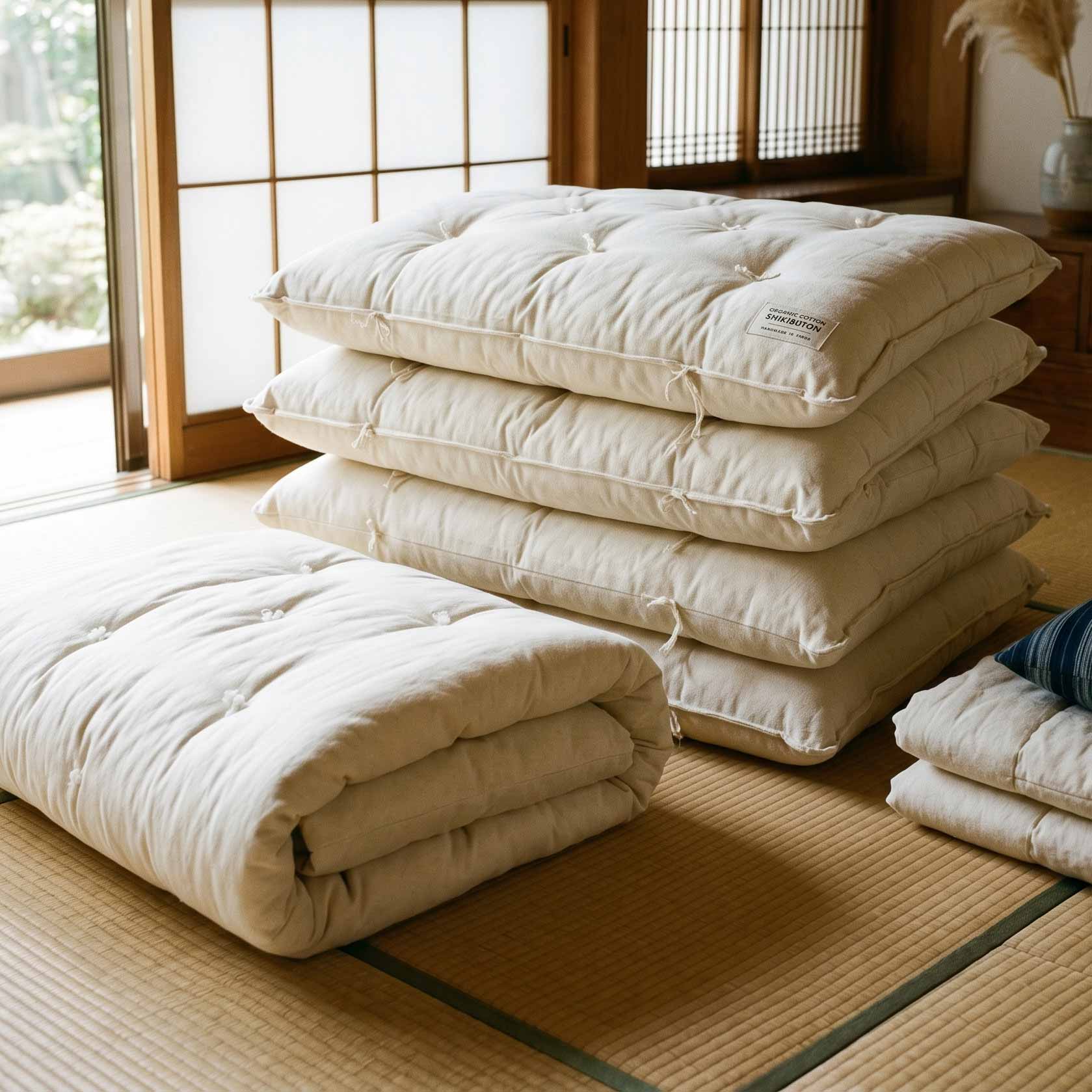
Wool and organic cotton, used in the cover, contribute to the overall feel in ways that go beyond aesthetics. Wool regulates body temperature across the night and moves moisture away from the body. Organic cotton breathes. These are materials that work rather than materials that perform on paper.
The Certification Question
Quiet luxury as a design ethos values provenance — knowing where something came from and what it's made of. For natural latex, GOLS certification is the relevant standard. It verifies the latex content, the farming practices, and the processing conditions. For a mattress category full of vague "natural" claims, it's a meaningful distinction.
Eco-Institut and Oeko-Tex testing adds air quality verification — independent confirmation that the material meets stringent chemical standards. This matters for a product you're breathing near for eight hours. Natural latex does produce a scent, particularly when new. That scent comes from the material itself, not from chemical treatments, and it dissipates over time.
How It Fits Into a Bedroom Designed Around Restraint
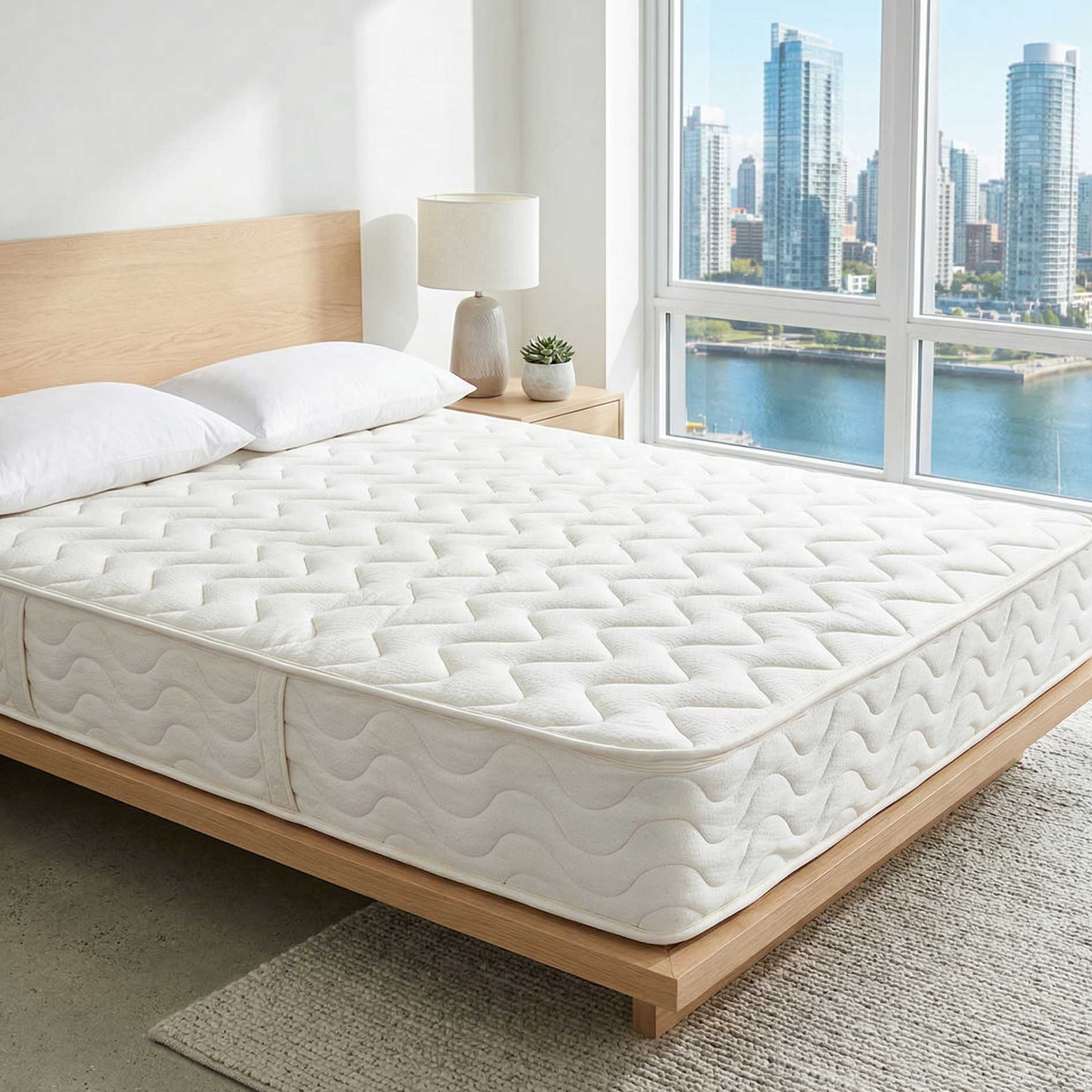
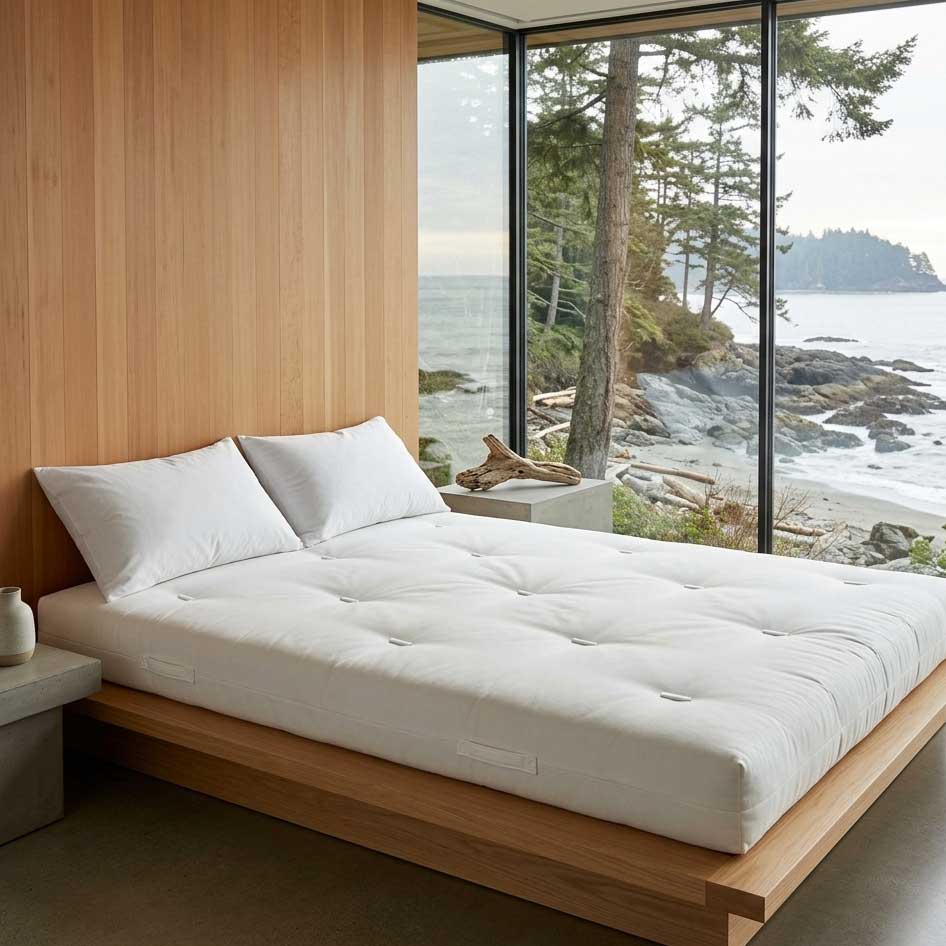
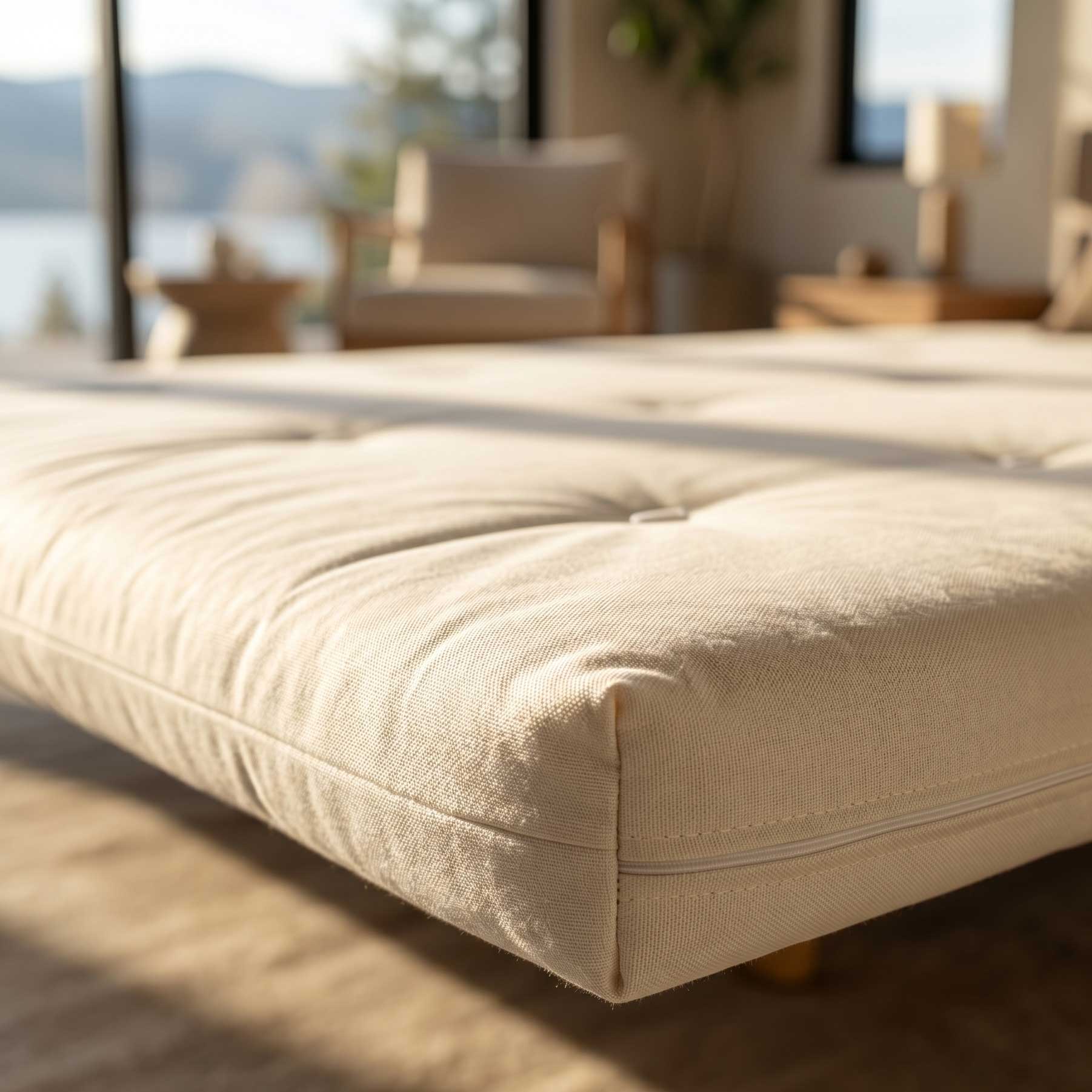
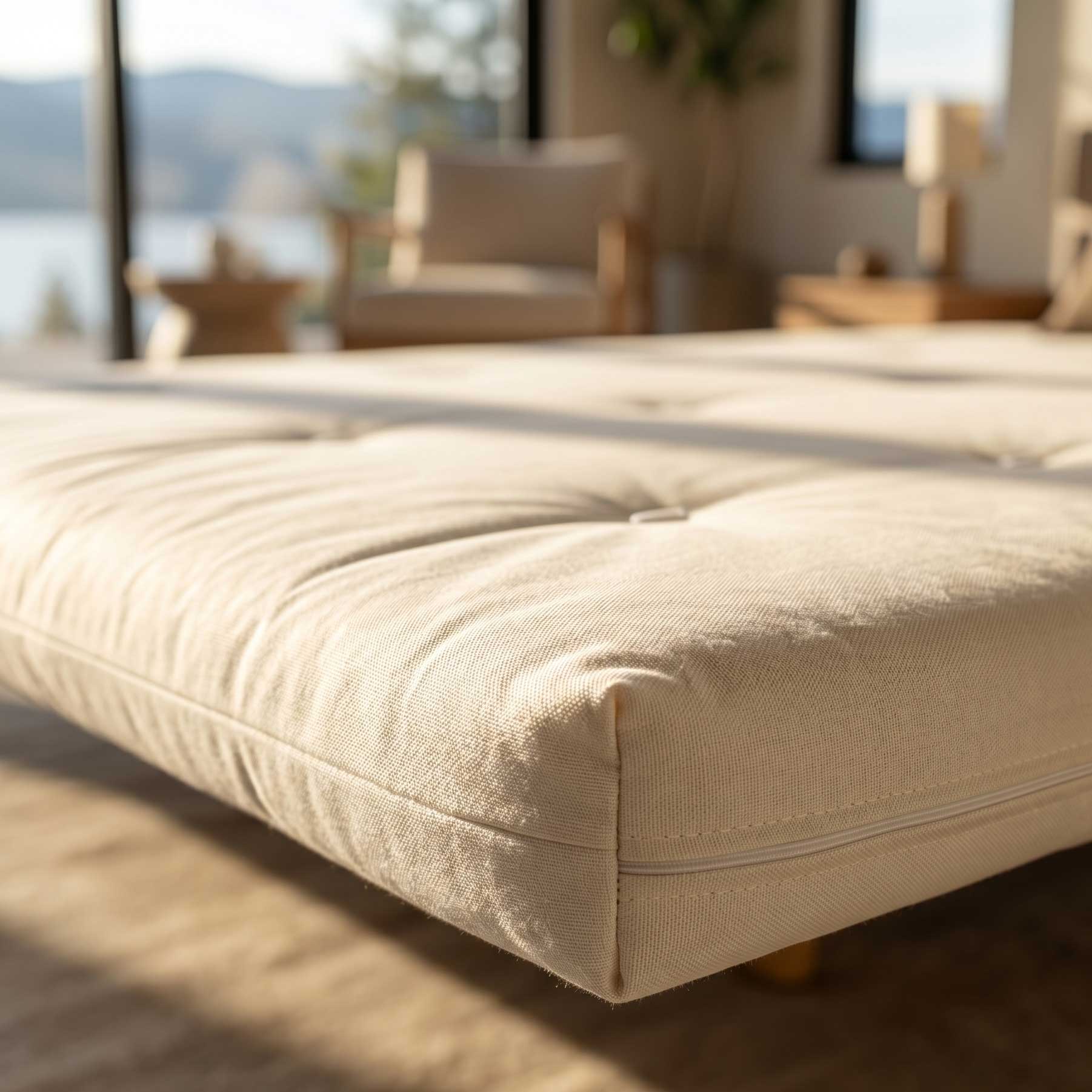
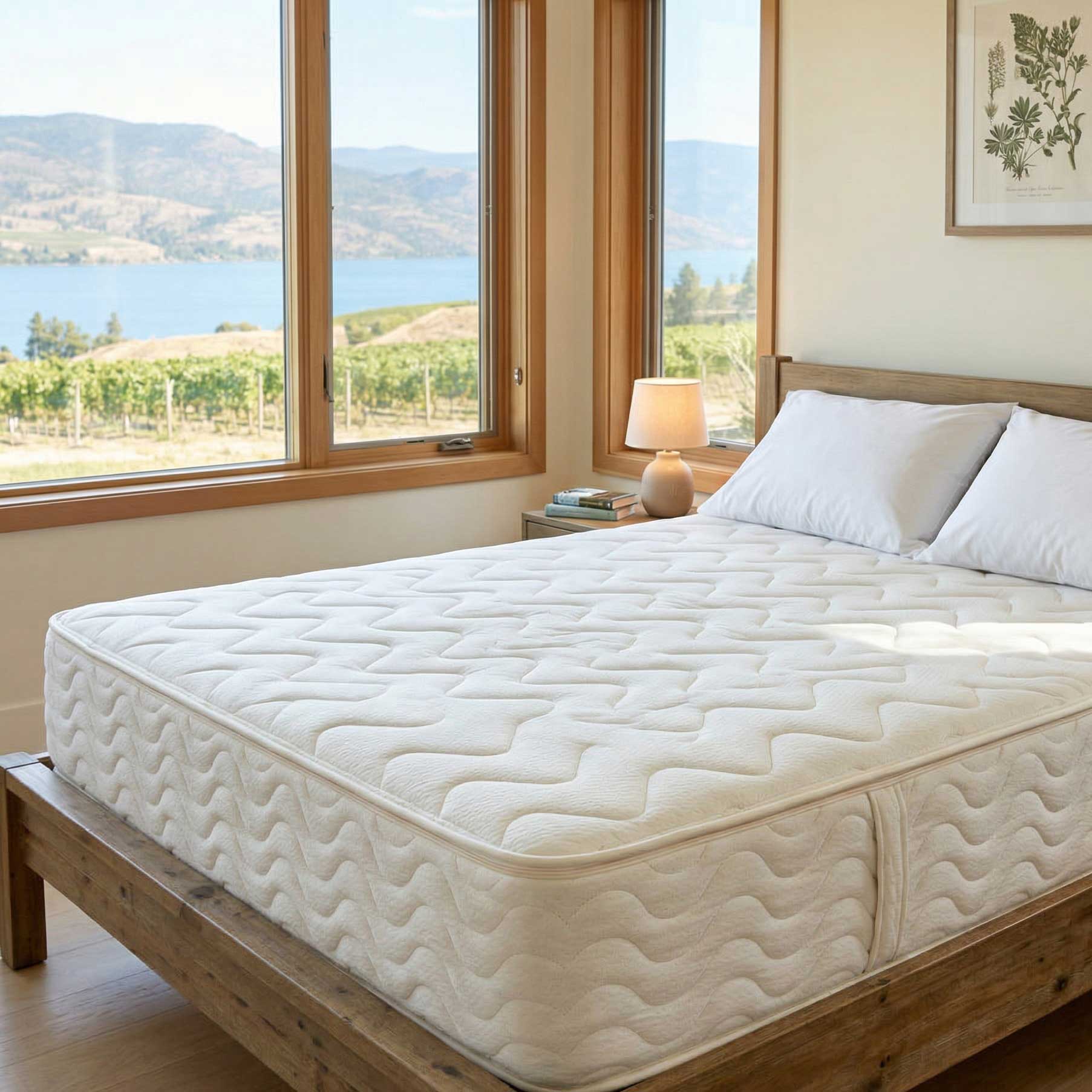
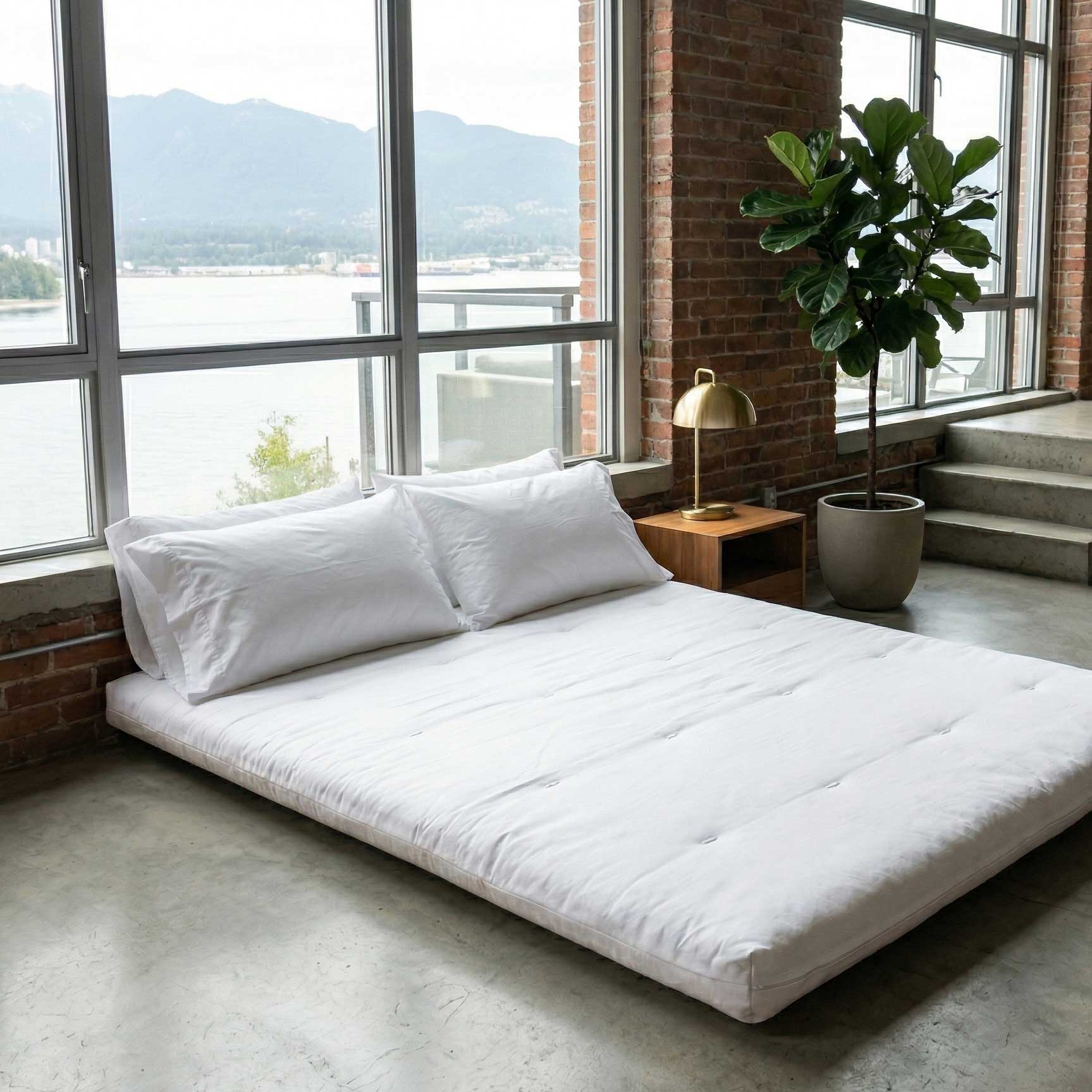
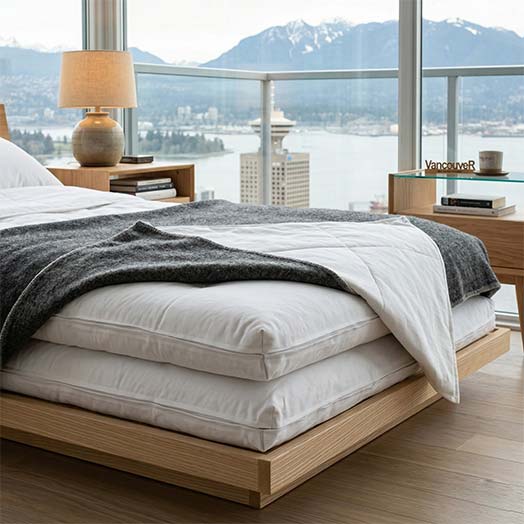
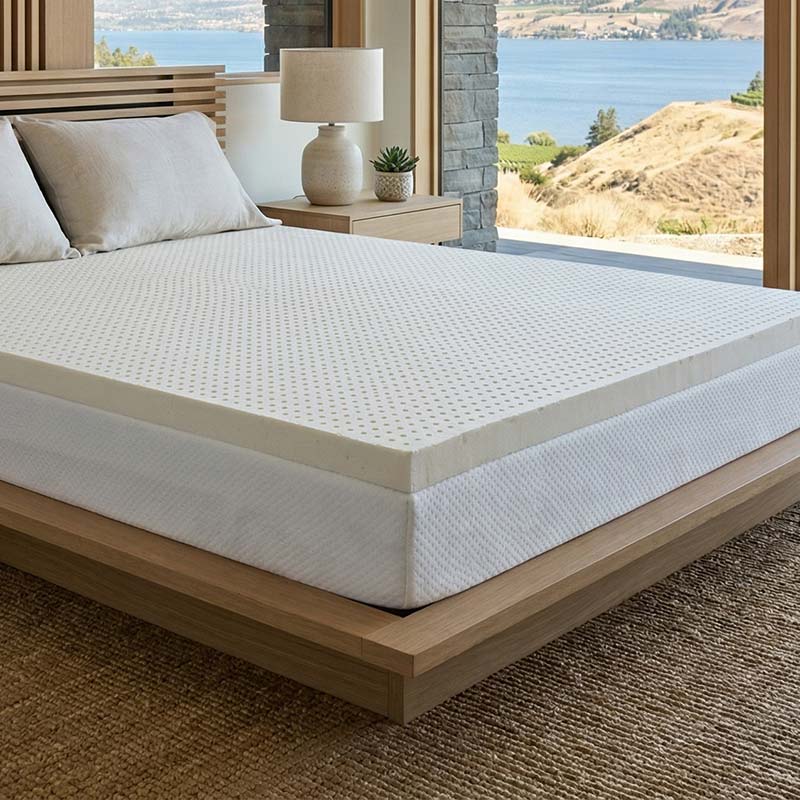
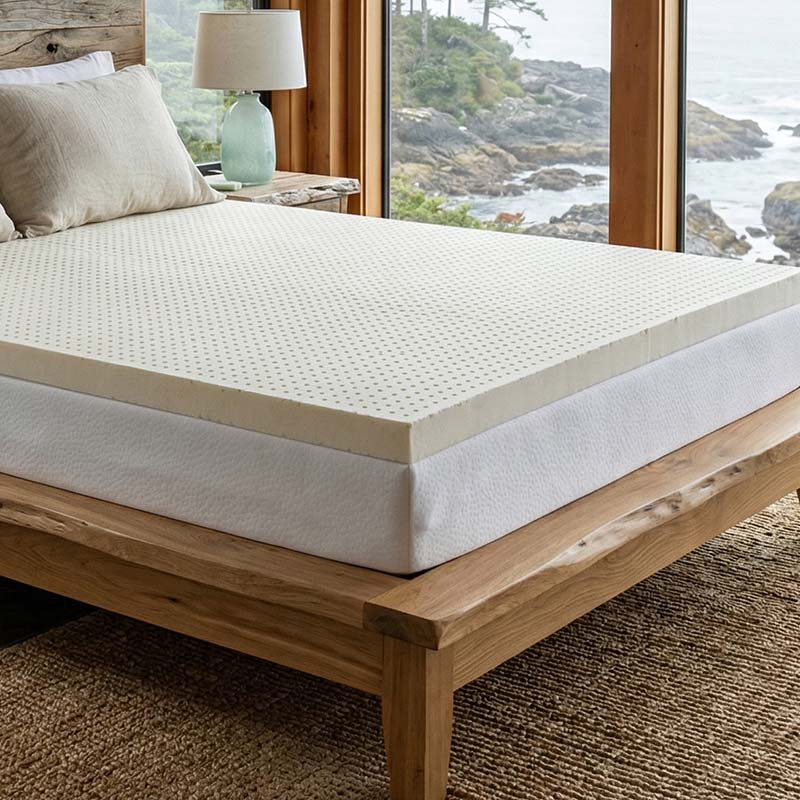
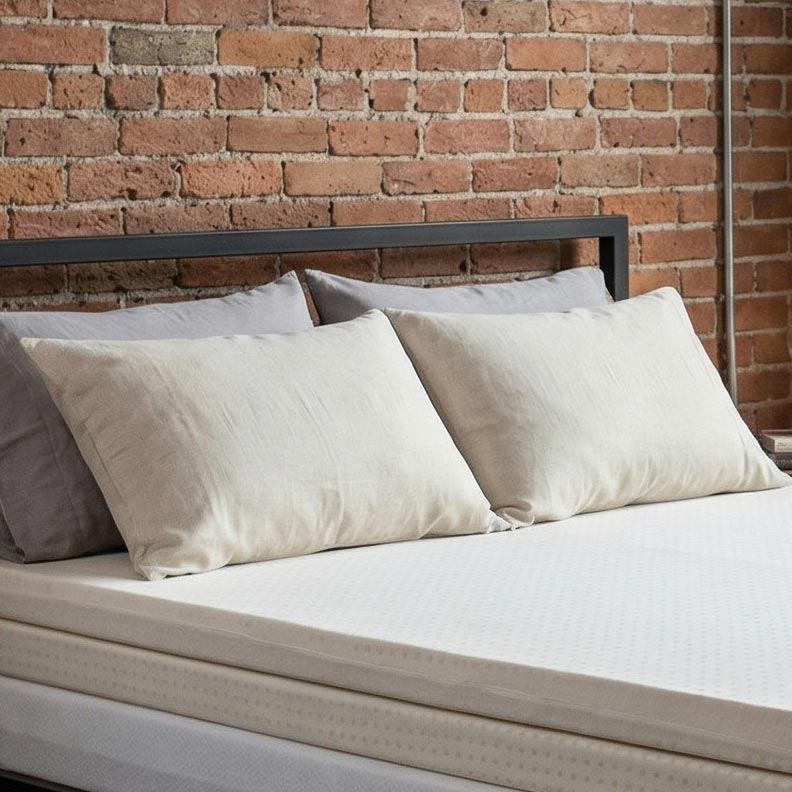
A latex mattress doesn't announce itself. The aesthetic is clean and the construction is modular — zipped covers, stacked layers, nothing glued or bonded. It sits under the same linen and wool bedding without contradiction. The difference is what's underneath: a material that matches the ethos of the room rather than undercutting it.
For bedrooms where the design intention is explicit — where every other material choice has been made with care — the mattress is the last piece that usually gets addressed. It's also, practically speaking, the piece that matters most.
Sleep Majestic makes handmade organic latex mattresses in Delta, BC. In-person fittings are available at the showroom on Annacis Island, and phone fittings are available for customers across Canada. Book at sleepmajestic.com/pages/delta-latex-mattress-store or 604-731-8226.
Frequently Asked Questions
What makes a latex mattress different from a "natural" or "organic" foam mattress sold at mainstream retailers?
Most mattresses marketed as natural or organic at mainstream retailers contain a latex or foam comfort layer over a polyurethane foam base. A 100% natural latex mattress is built entirely from latex throughout — base, transition, and comfort layers — with no polyurethane foam in the construction. GOLS certification verifies that the latex content and farming practices meet organic standards, which is the relevant distinction to look for.
Does an organic latex mattress actually smell, and is that a concern?
Natural latex has a distinct scent when new, similar to rubber. This is a property of the material itself, not a sign of chemical treatments. GOLS-certified latex is the most independently tested foam available and passes stringent air quality guidelines verified by GOLS, Eco-Institut, and Oeko-Tex. The scent dissipates with ventilation over the first few weeks. It is not a chemical concern.
Can you use a natural latex mattress with any bed frame, or are there specific requirements?
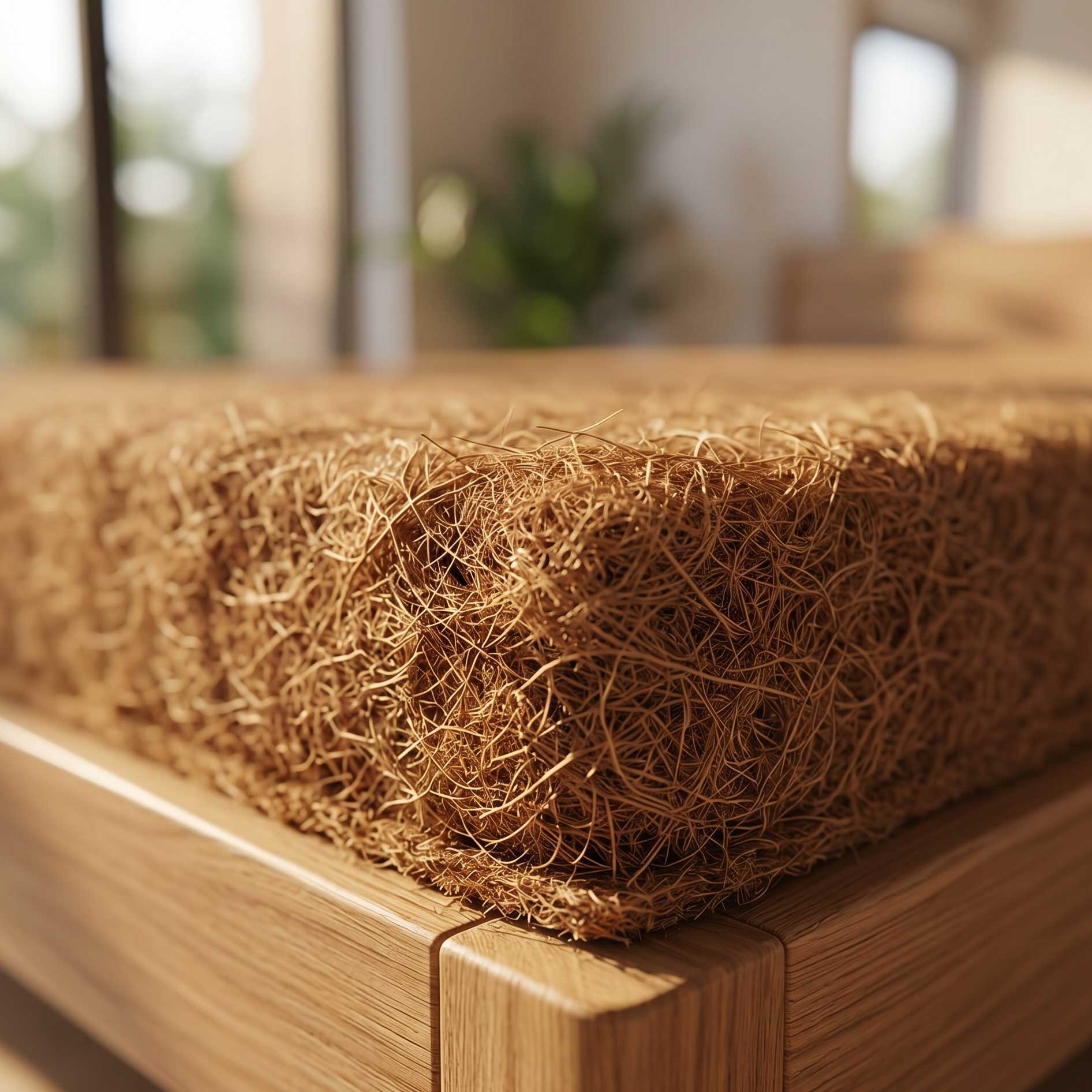
Natural latex mattresses require a slatted base with slats no more than 3 inches apart to provide adequate support and maintain warranty coverage. Most standard platform frames and slatted bases meet this requirement. Frames that don't can be brought up to standard with a Coir Bunkie Board, which is a straightforward and inexpensive fix. Box springs are not compatible with latex mattresses.