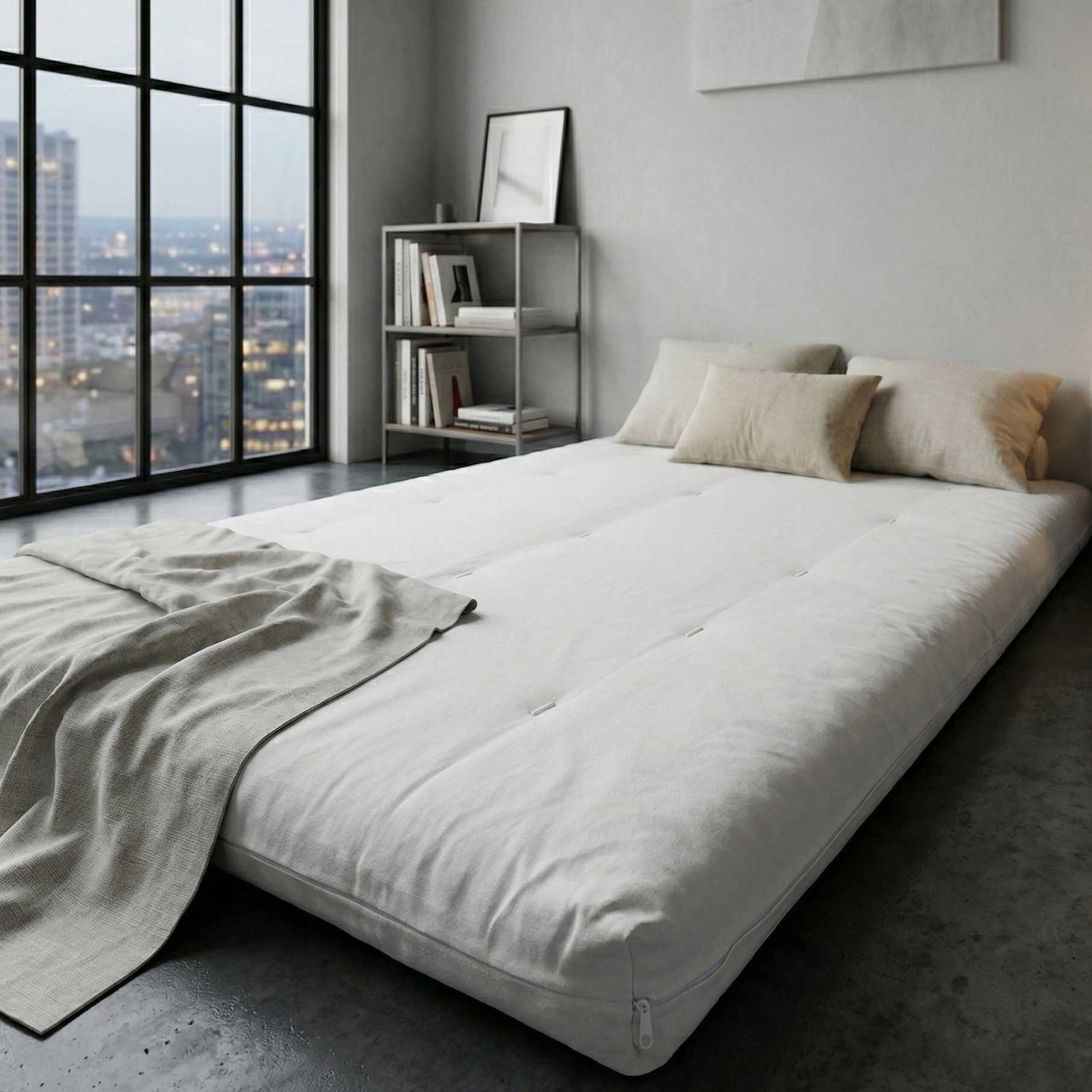
The Considered Bedroom: Why 2026 Is About Materials, Not Colours
Interior designers have a word for the bedroom trend that replaced the all-grey room: cocooning. It's not a new concept, but in 2026 it's become specific enough to be useful. The trend isn't primarily about colour palettes. It's about texture, weight, and what things are made of. The question driving bedroom decisions right now isn't "what should this look like?" It's "what should this feel like at midnight?"
That shift matters because it changes which decisions actually drive the outcome. A paint colour can be redone in a weekend. A material choice in a mattress, a cover, a foundation layer tends to stay for years. The considered bedroom is one where those longer-term choices get the same attention as the shorter-term aesthetic ones.
What Cocooning Actually Means in Practice
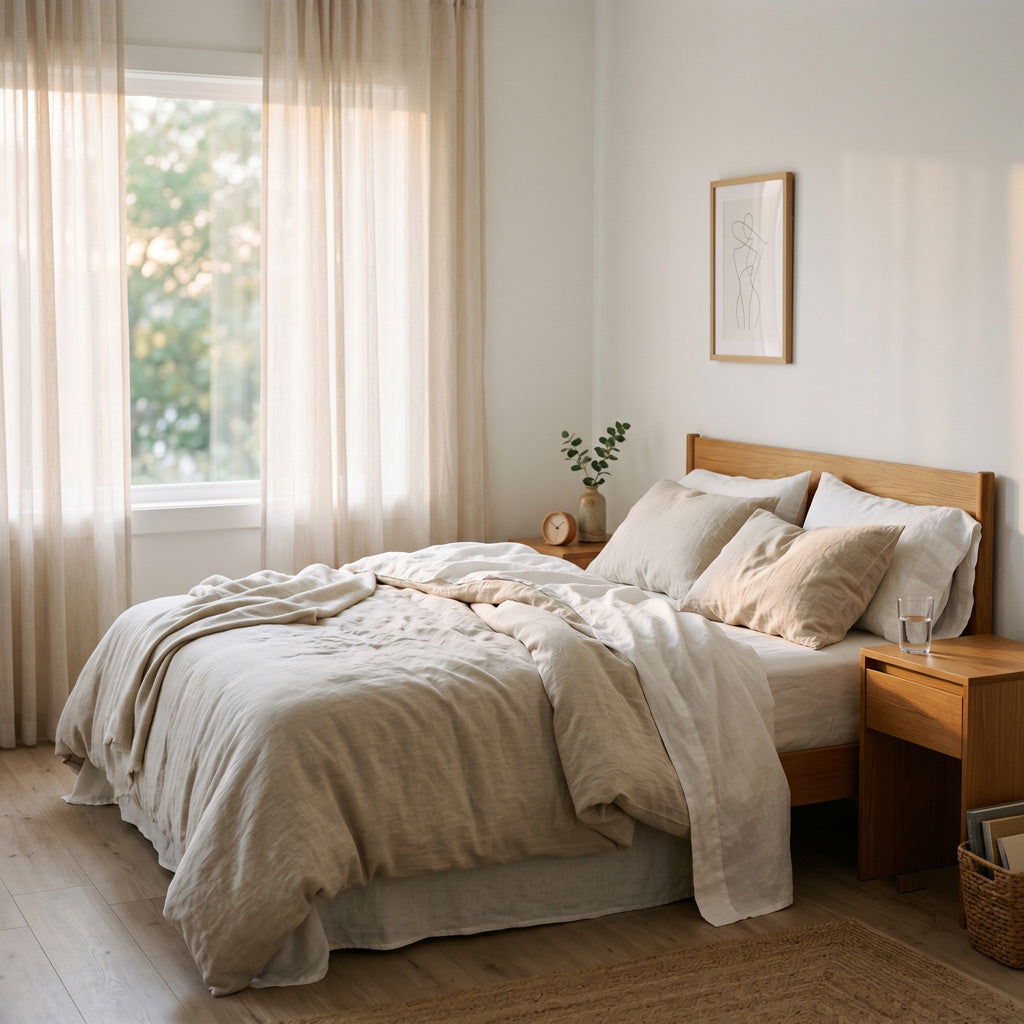
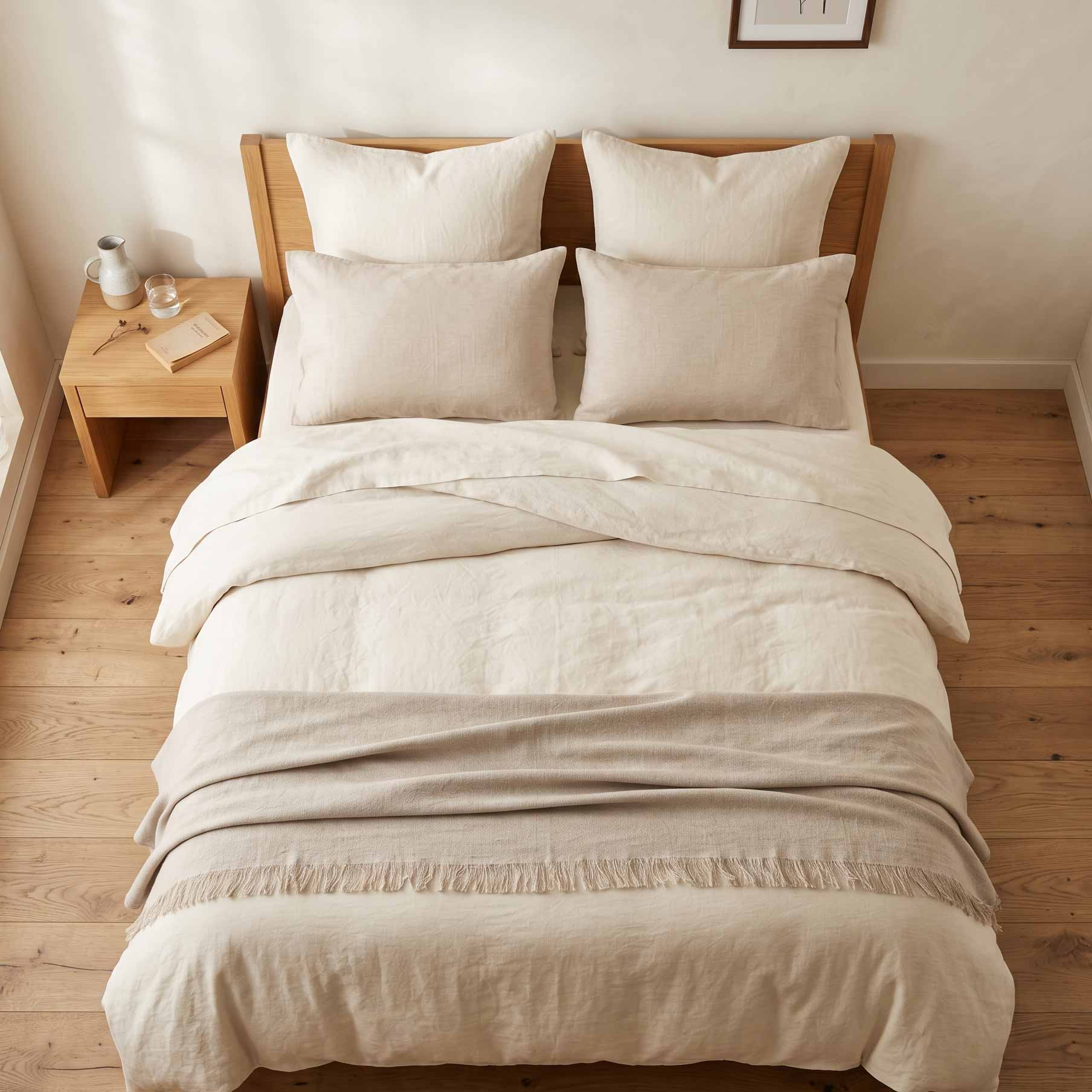
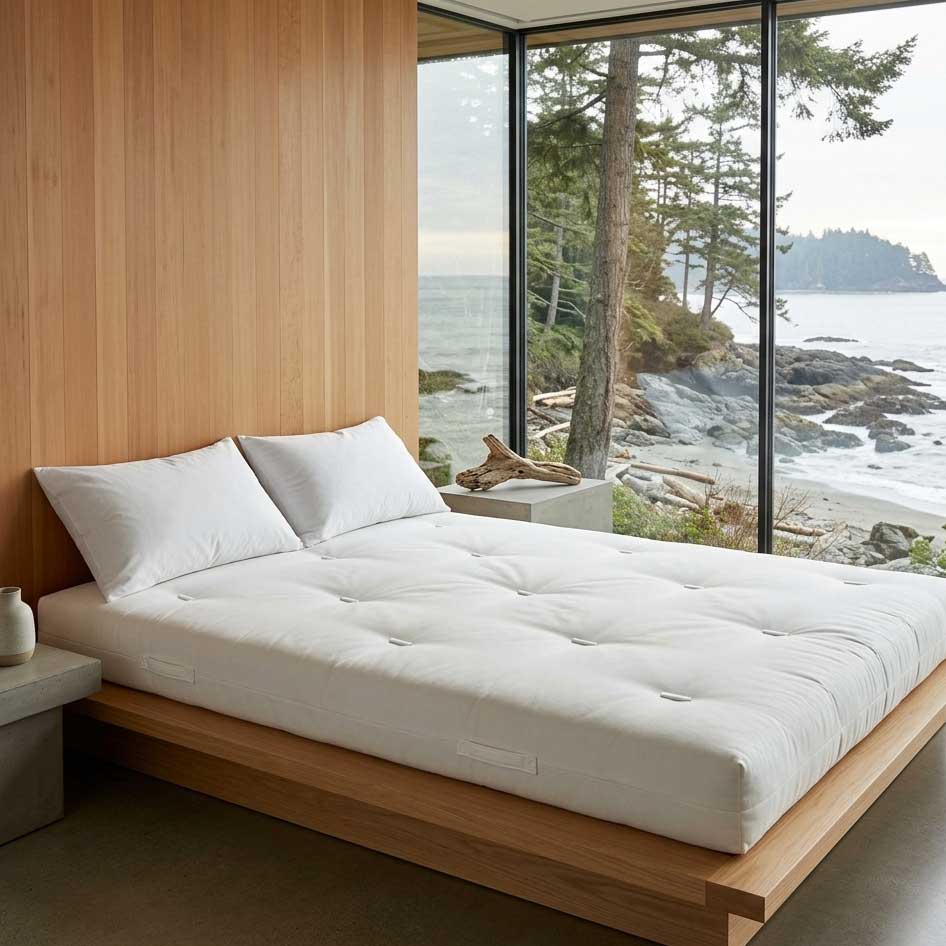
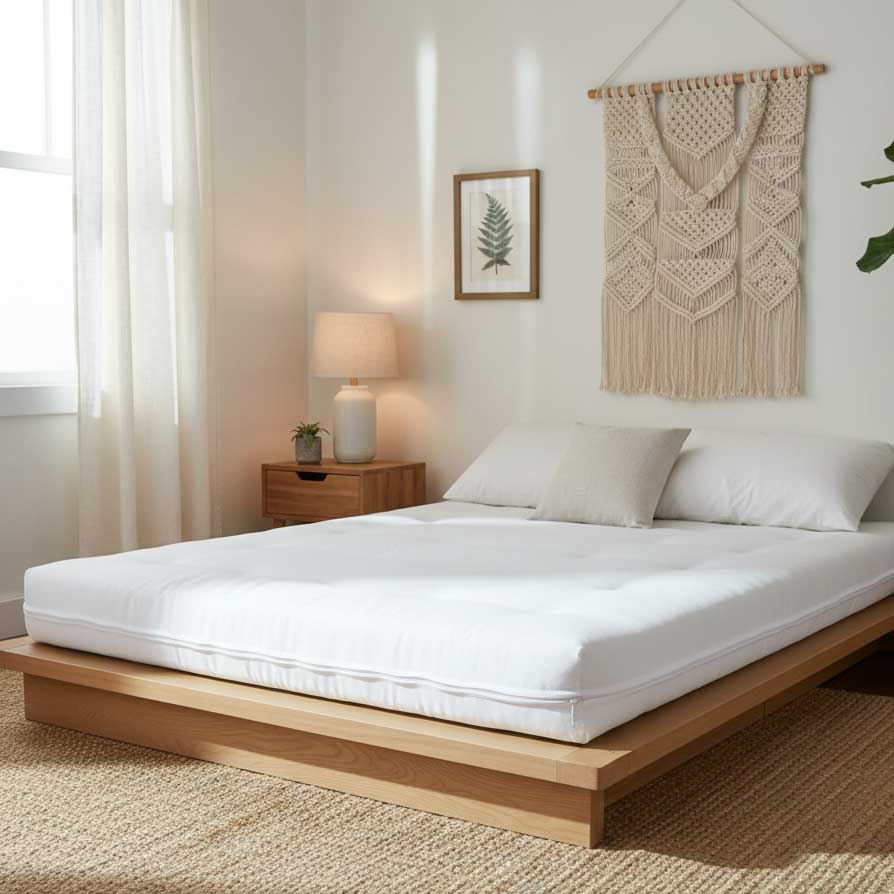
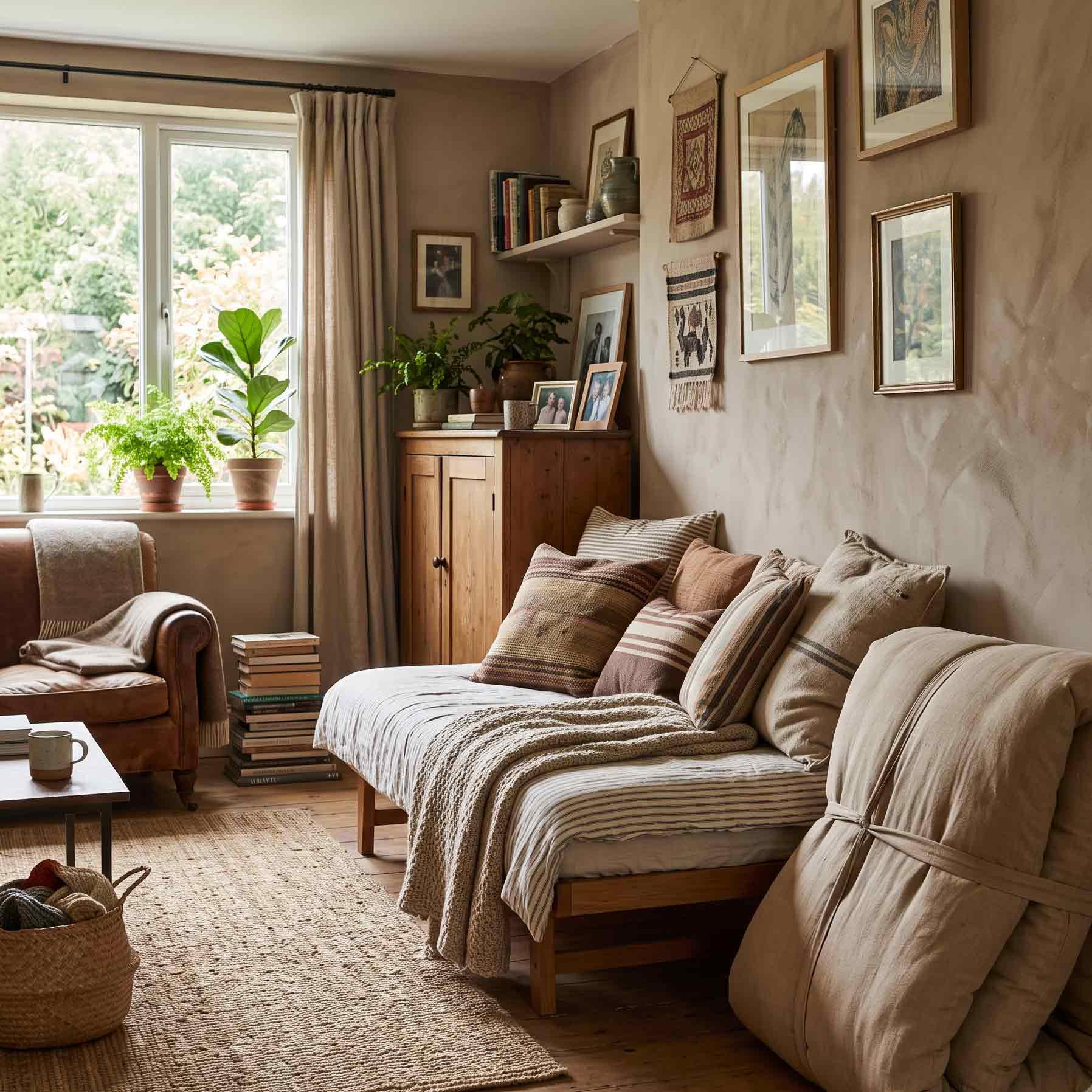
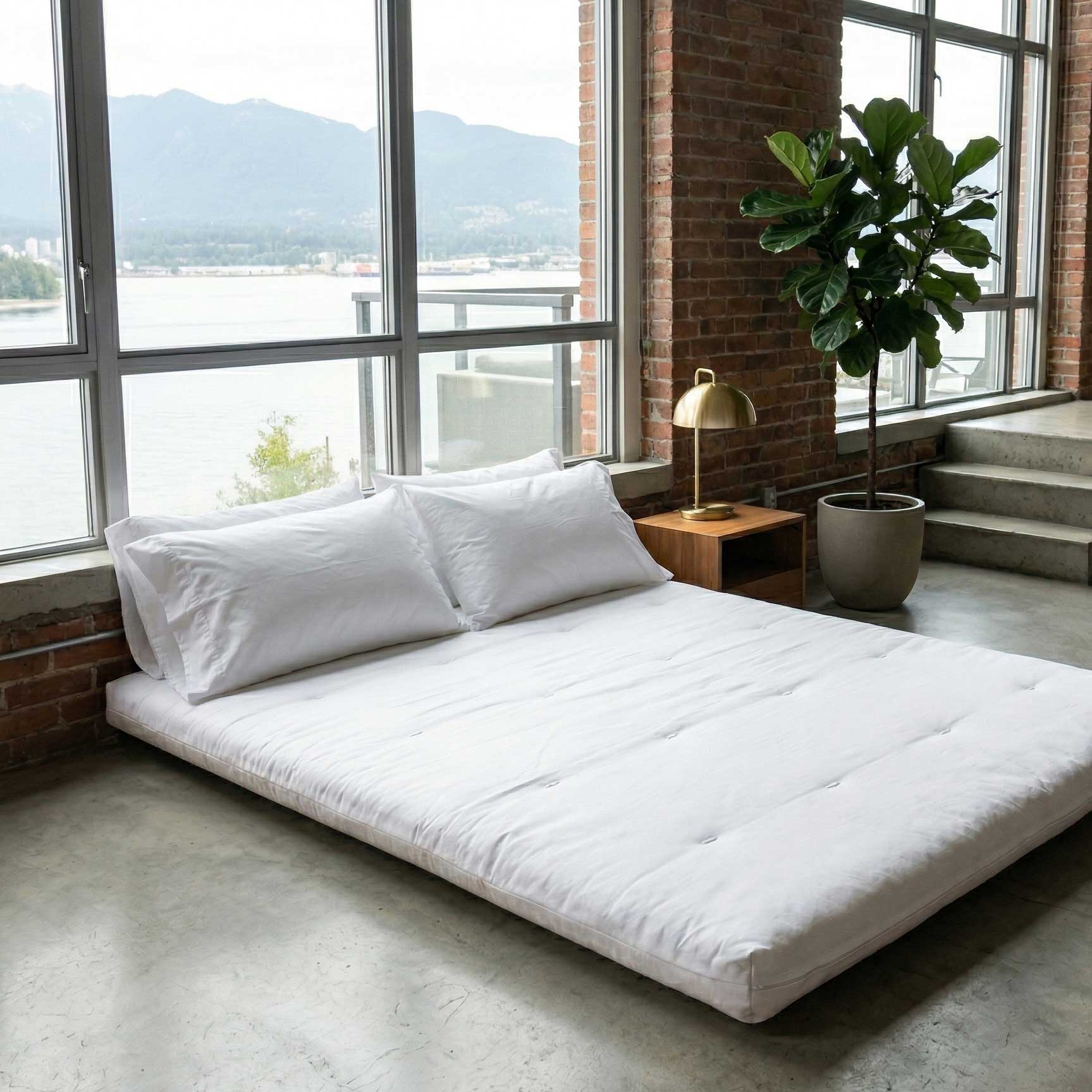
The cocooning bedroom is warm and grounded. Designers describe it in terms of enclosure: a space that feels like something rather than just looking like something. The palette runs toward chocolate browns, terracotta, clay, warm cream, and eucalyptus greens. The texture work involves linen, wool, and natural wood. The goal is a room that feels weighted and intentional, one that doesn't require visual tricks to feel restful.
That's a notable departure from the dominant bedroom design of the previous decade, where the objective was a clean, photogenic surface. "Earthy cocooning" is how one designer described it: palettes that feel like a deep exhale at the end of a long day. The Canadian bedroom design coverage in 2026 is consistent on this point: warm neutrals, botanical greens, tactile layering, and materials with provenance.
What makes this cycle different from previous natural-material trends is the durability angle. The cocooning bedroom isn't just choosing wool over polyester because it feels better. It's choosing wool because it lasts differently, ages differently, and behaves differently across the seasons. That's a longer time horizon than trend-driven design usually operates on.
Why Natural Fibres Are Doing the Heavy Lifting
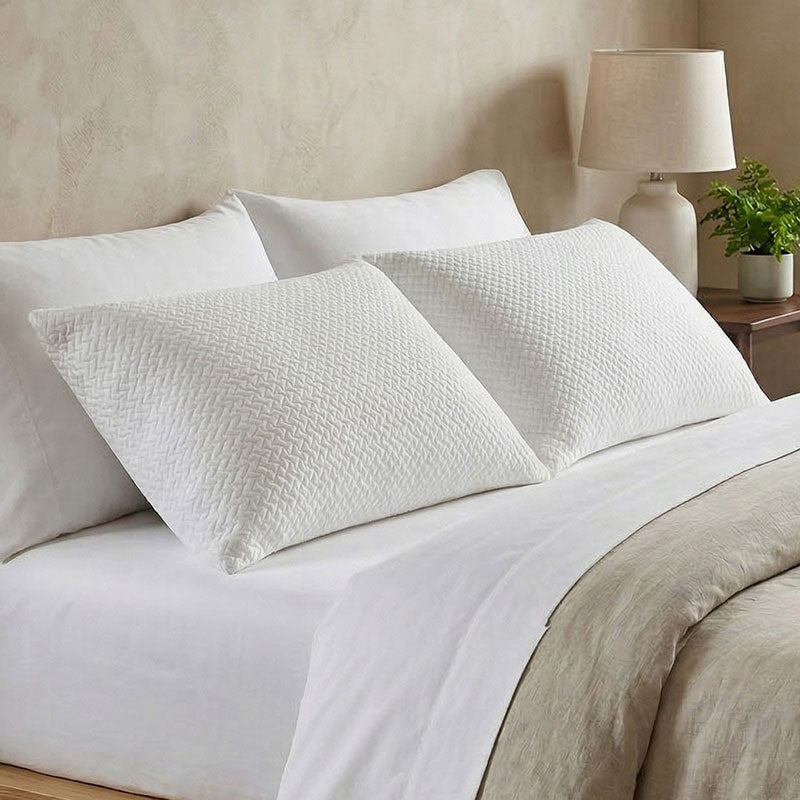
When the goal is a room that feels a specific way rather than looks a specific way, the surface treatments matter less than what's underneath them. Linen sheets feel different from polyester blends in a way that paint colour doesn't. Wool throws have thermal properties that synthetic alternatives don't replicate at the same quality. The tactile quality of materials, how they feel at 2 a.m. when everything else is quiet, is what determines whether a bedroom achieves the cocooning effect designers are describing.
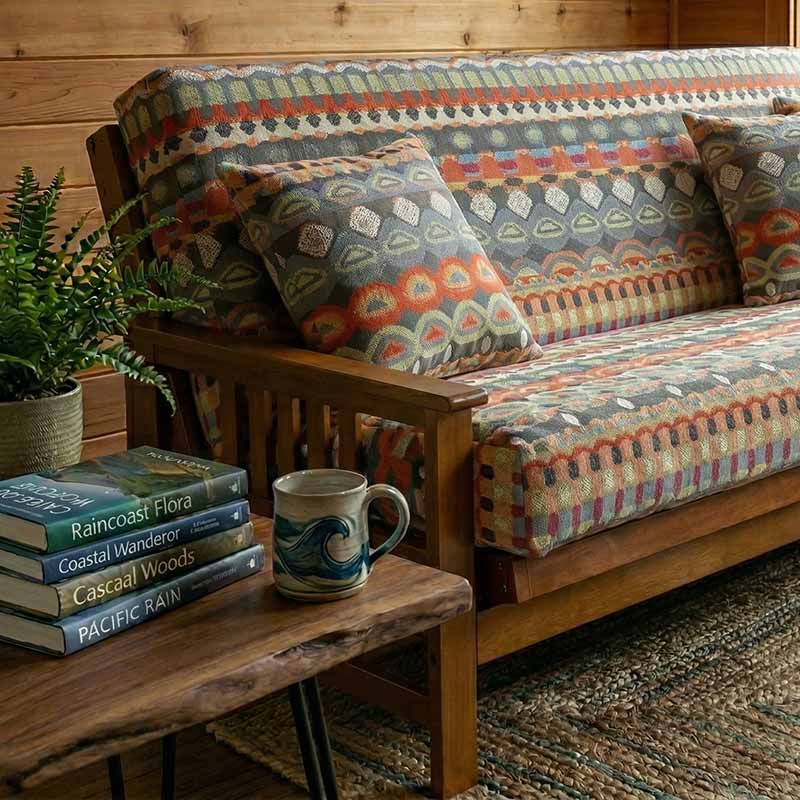
Wool in particular is showing up across 2026 bedroom design coverage in multiple roles: as bedding, as upholstery, as a wall texture. The thermal logic is consistent. Wool fibres respond to body heat and ambient humidity rather than simply trapping or releasing heat. That passive regulation is the physical mechanism behind the cocooning effect.
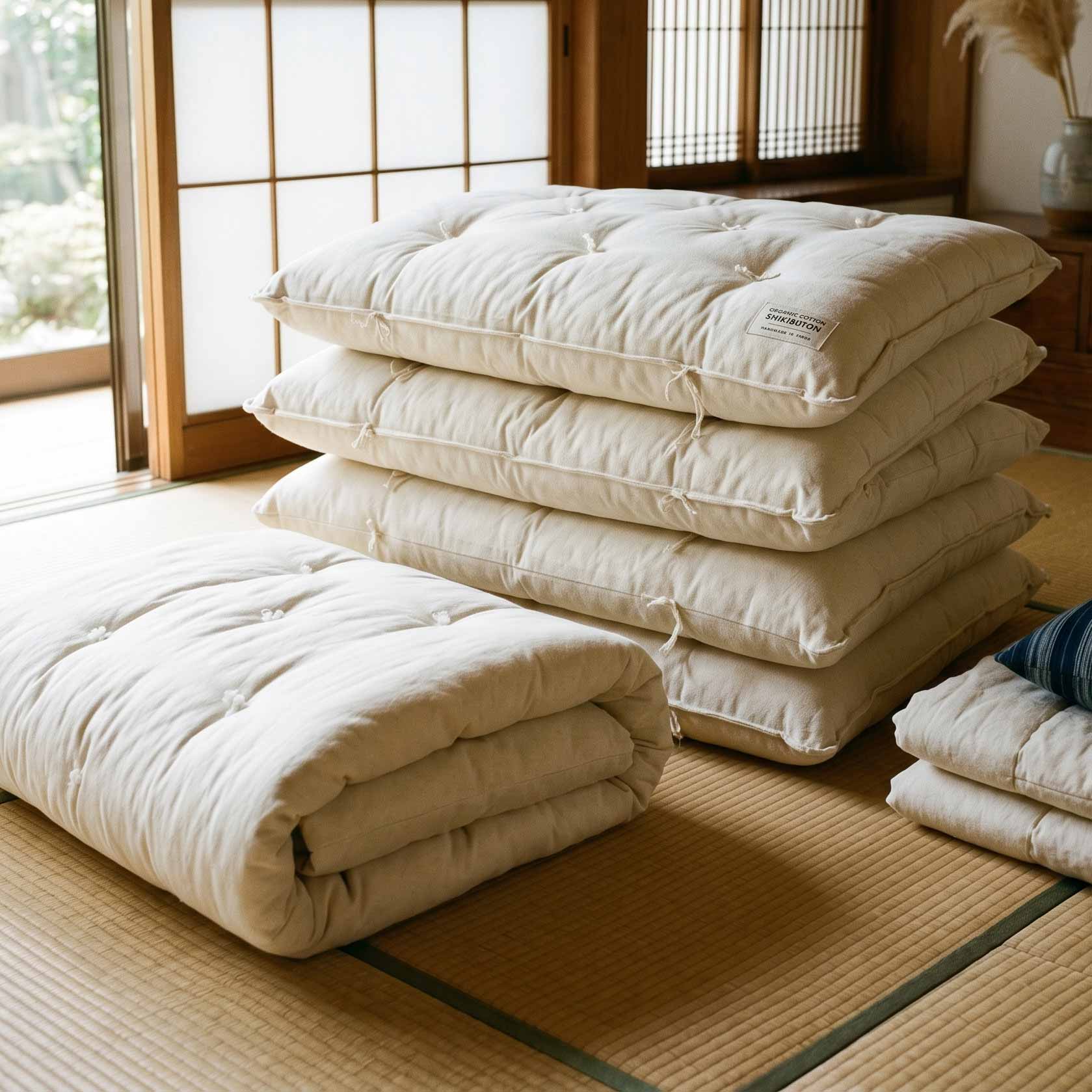
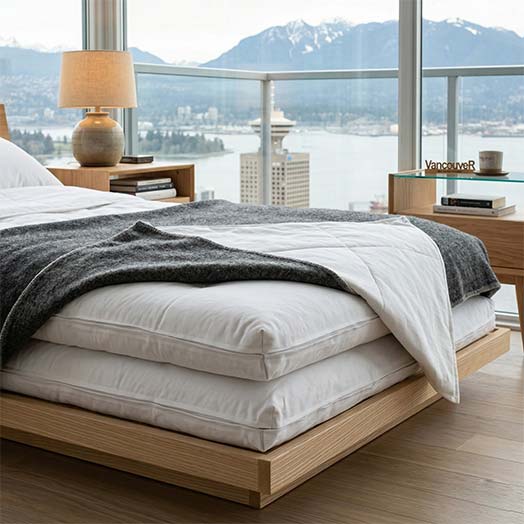
The same properties apply in less obvious places. A wool layer quilted into a mattress cover does the same thermal work it does in a blanket, just closer to the sleep surface. In that context, the cover is part of the bedroom's material stack rather than an afterthought underneath the sheets.
The Mattress as a Material Decision
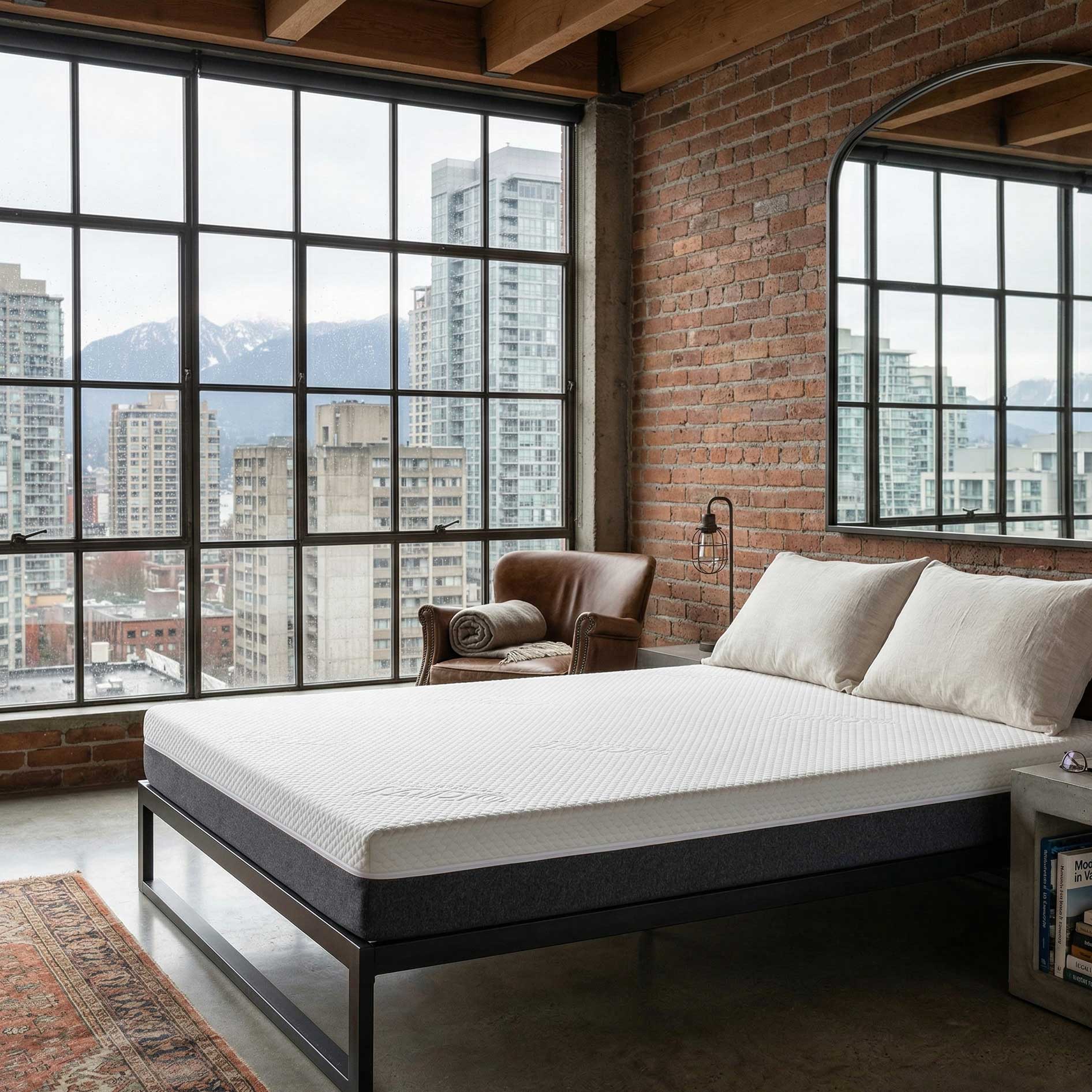
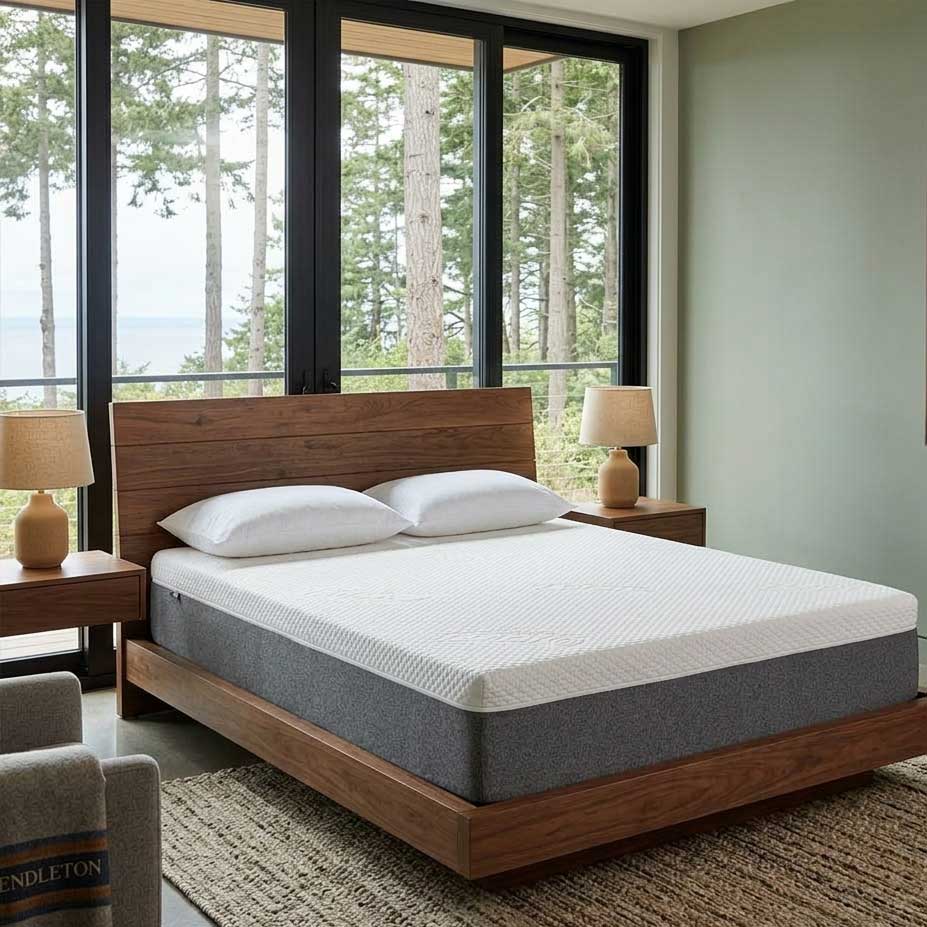
In a bedroom built around material intentionality, the mattress is the most significant decision in the room. It's the largest surface, the most physically present object, and the one that determines sleep quality more directly than anything else in the space. It also tends to be decided last and thought about least.
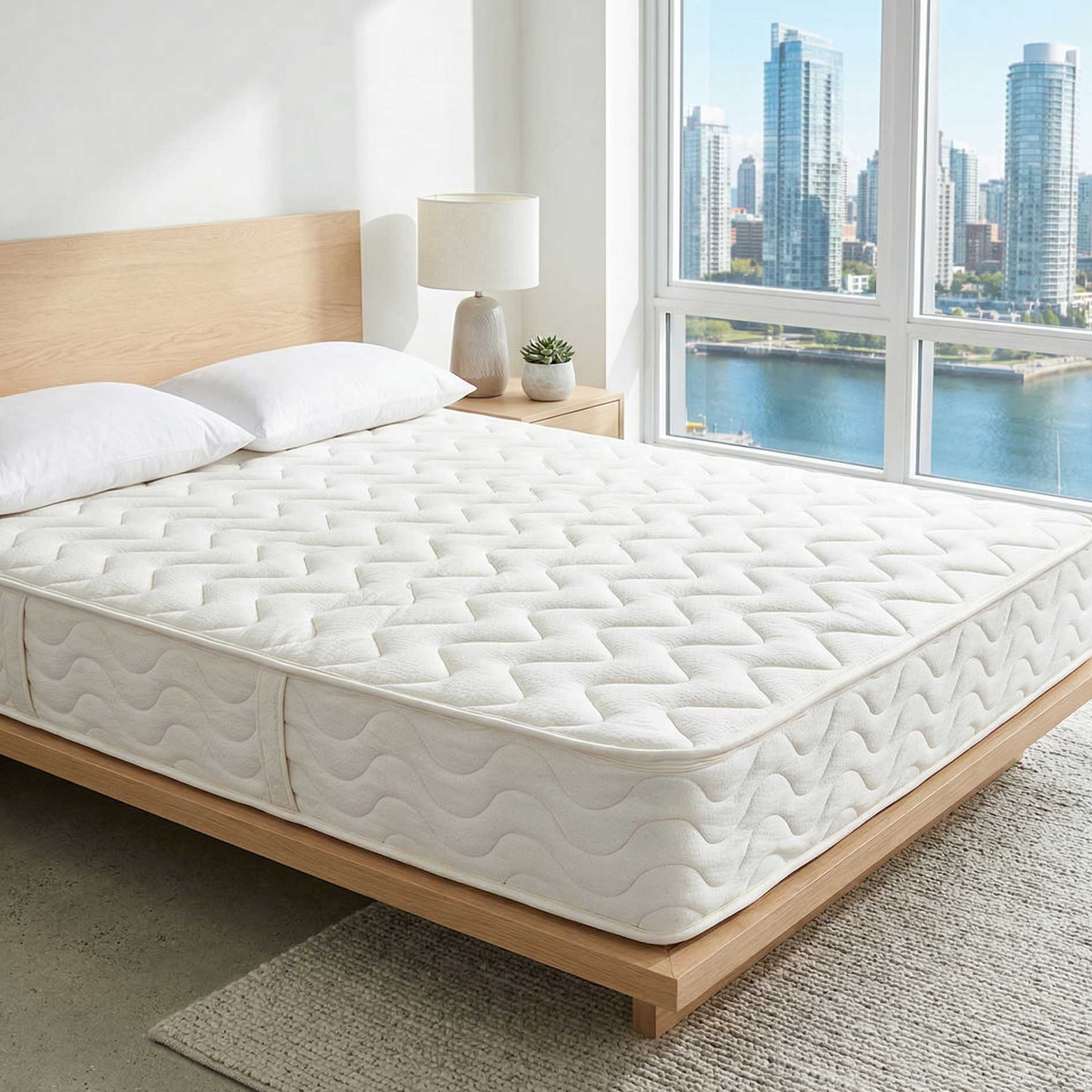
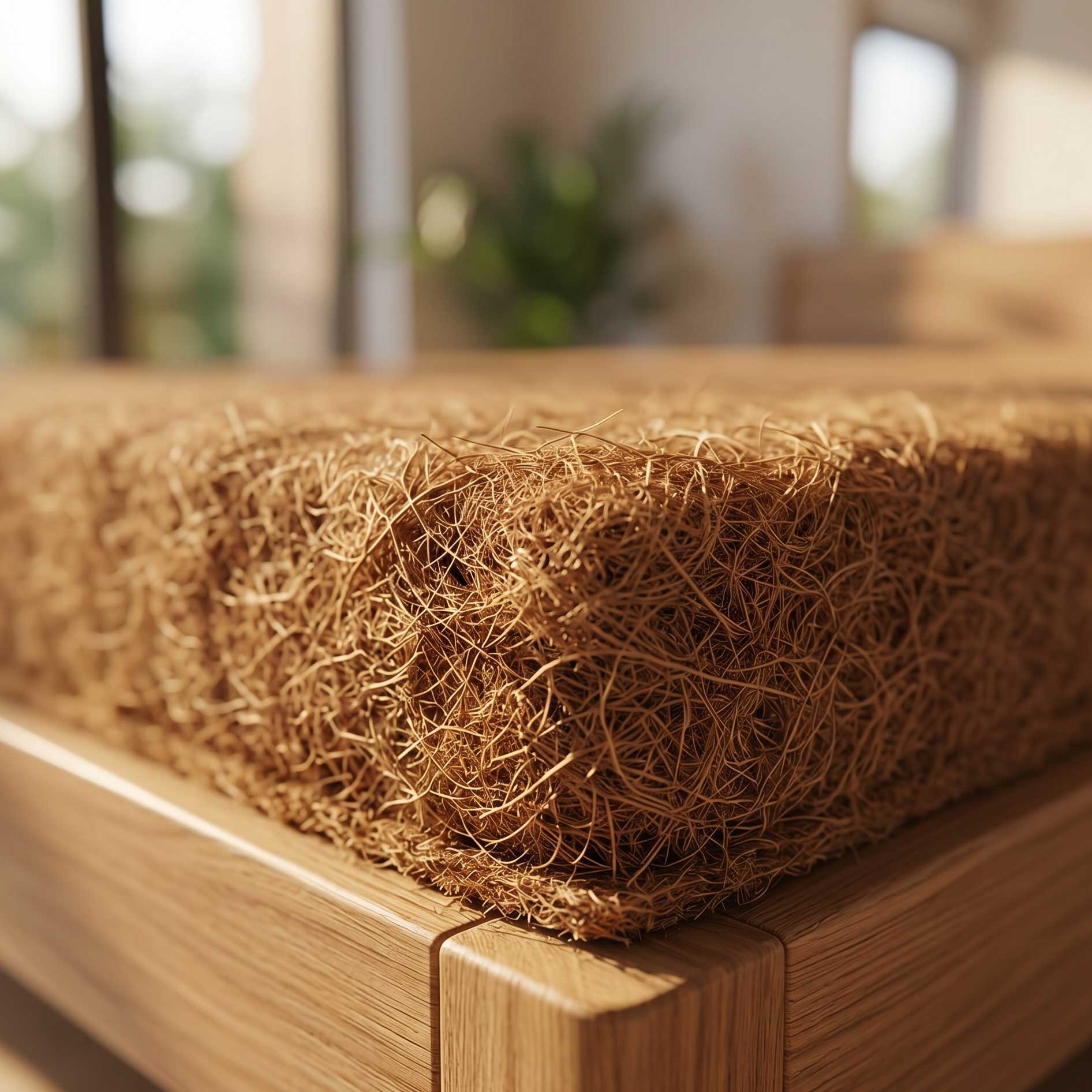
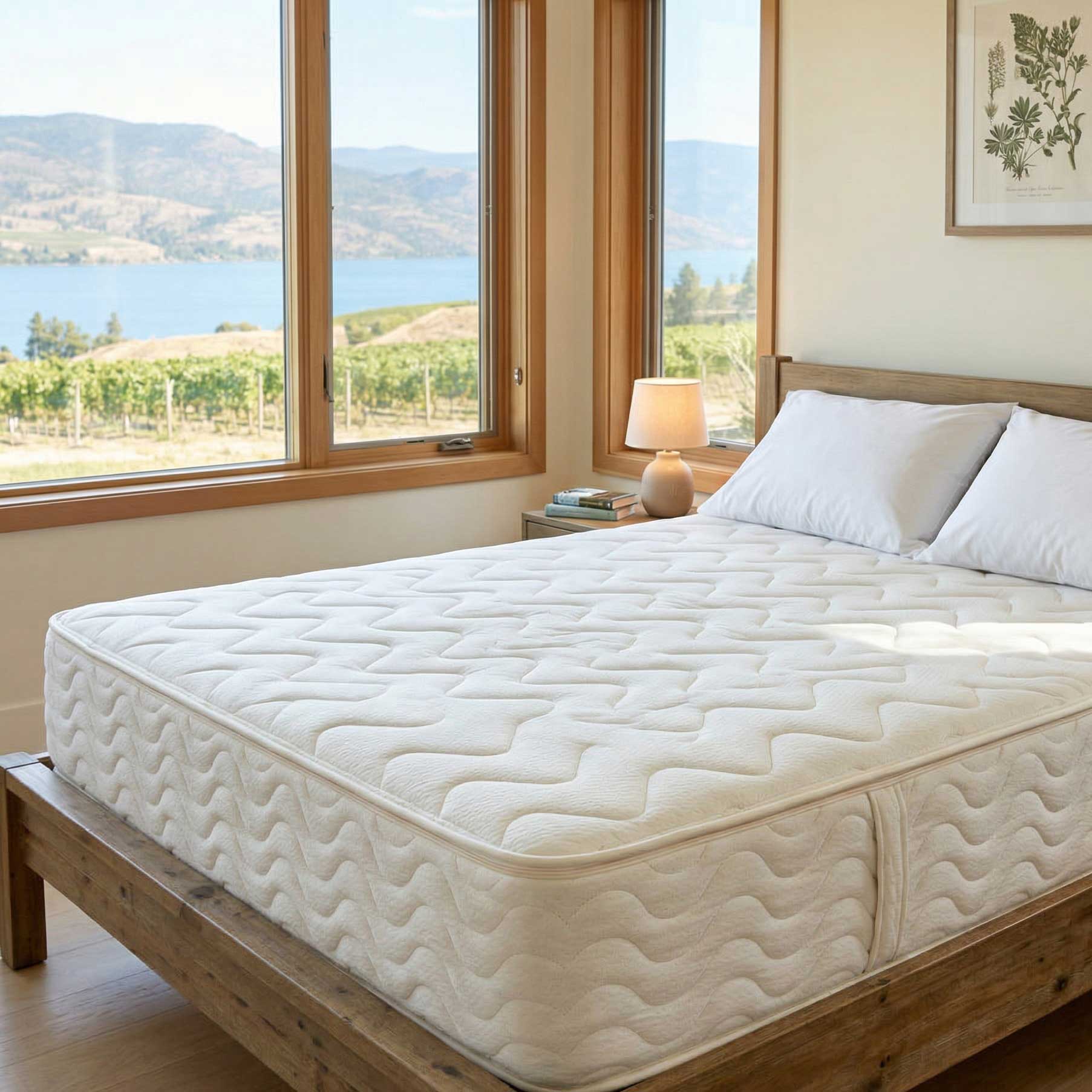
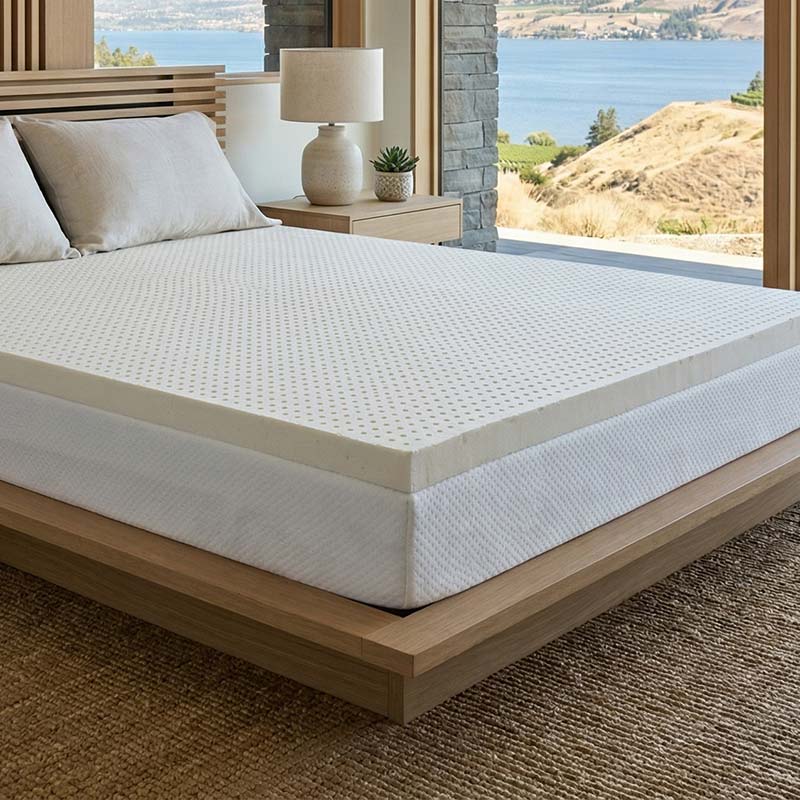
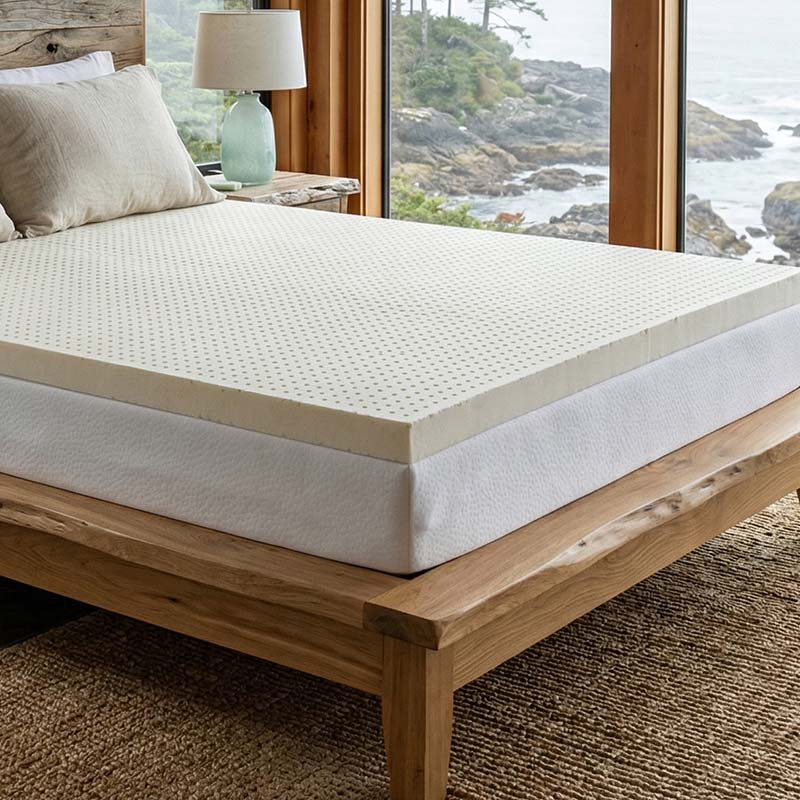
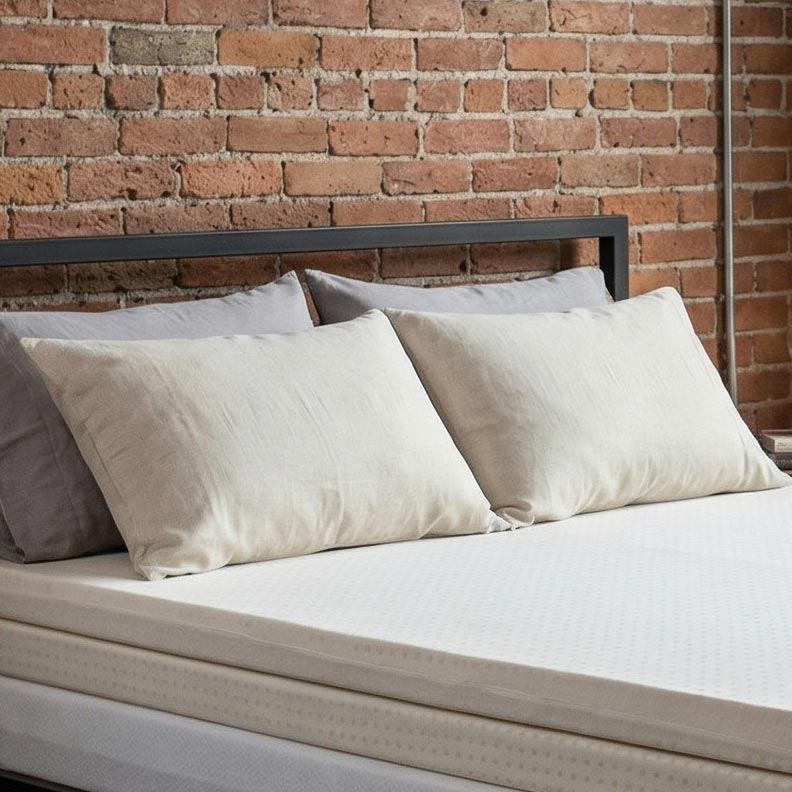
Natural latex is one of the few mattress materials that fits the cocooning framework on every axis. It's an agricultural product, produced from rubber tree sap, with a supply chain that's independently certified through GOLS. It performs differently from synthetic foam: it responds to pressure rather than conforming uniformly, which produces support that's calibrated to the sleeper rather than averaged. And it holds up. A natural latex mattress doesn't compress into a permanent body impression the way most synthetic alternatives do.
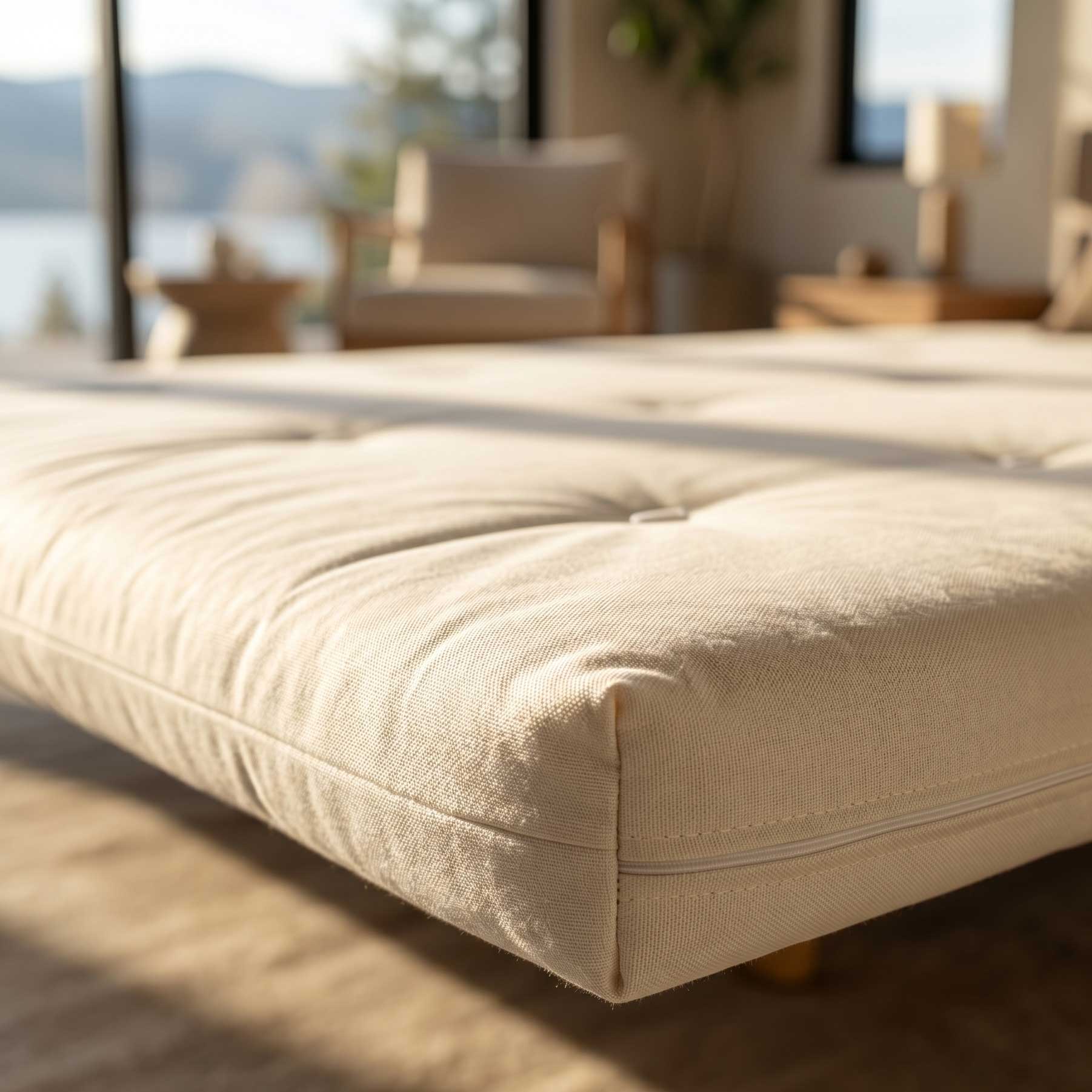
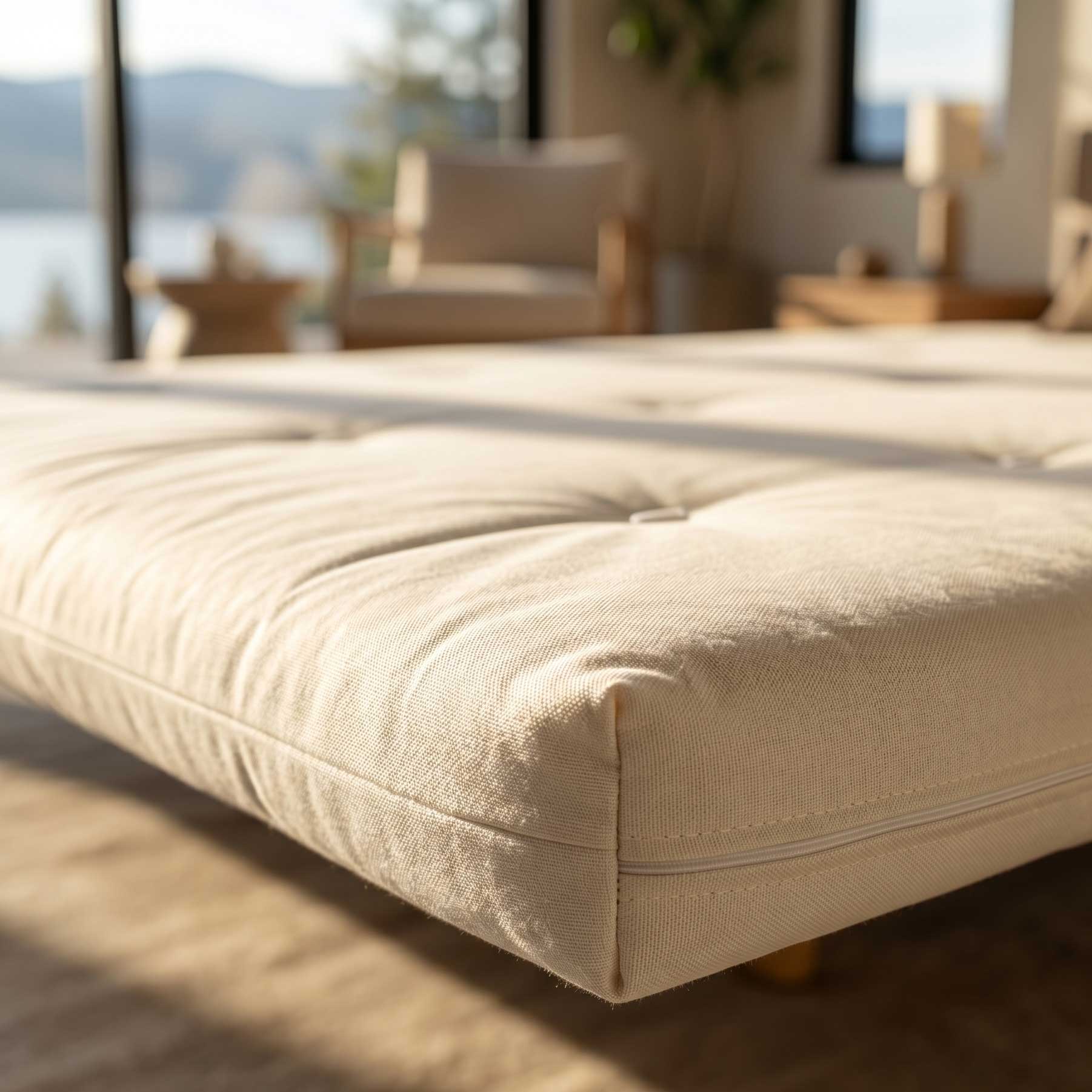
The cover choice extends that logic. The Organic Cotton and Wool cover option brings wool's thermal regulation into the sleep surface directly, doing the same job in the mattress that wool bedding does across the rest of the room. The considered bedroom, done fully, reaches all the way down to the mattress.
Long-Term Thinking in a Fast-Furniture Market
The cocooning trend is partly a reaction against disposability. The fast-furniture bedroom, replaced every few years because it was never designed to last, has reached a saturation point. Canadians spending time and money on bedrooms in 2026 are increasingly choosing to accumulate rather than turn over. That means investing in materials that age with character rather than degrading uniformly.
Natural latex sits well in that framework. The 15-20 year lifespan of a properly maintained natural latex mattress means the choice made now is not a choice that needs revisiting soon. That durability isn't about endurance for its own sake. It's about the materials delivering what they promised across the full time horizon.
FAQs
What is the cocooning bedroom trend in 2026, and how is it different from previous minimalist bedroom trends?
The cocooning bedroom trend prioritises warmth, enclosure, and material depth over visual minimalism. Where the previous decade's bedroom design focused on how a room photographed — clean lines, neutral palettes, uncluttered surfaces — the 2026 cocooning approach is built for how a room feels to spend time in. Warm tones like chocolate brown, terracotta, and clay replace cool greys. Wool, linen, and natural wood replace synthetic and lacquered surfaces. The design question has shifted from visual clarity to tactile quality.
Why does wool keep appearing in 2026 bedroom design across so many different applications?
Wool's recurring presence in 2026 bedroom design is driven by its thermal properties, not just its texture. Wool fibres respond to body heat and ambient humidity, moderating temperature passively rather than trapping or releasing heat in bulk. That regulation works in blankets, upholstery, wall textiles, and mattress covers for the same physical reason. The cocooning bedroom is built around materials that respond to the sleeper rather than imposing a fixed thermal environment, and wool is one of the most effective natural materials for that purpose.
How does the cocooning trend apply to the mattress decision specifically?
The mattress is the largest material decision in a bedroom and the one that most directly affects how the room actually performs rather than how it looks. Natural latex fits the cocooning framework because it responds to pressure rather than conforming uniformly, its supply chain is independently certified, and it holds up across many years of use. A wool-quilted cover extends that logic to temperature regulation at the sleep surface. The considered bedroom, taken seriously, reaches all the way down to the mattress.
Sleep Majestic makes handmade organic latex mattresses in Delta, BC — natural materials, built for the long term. In-person and phone mattress fittings available here: Book a Fitting