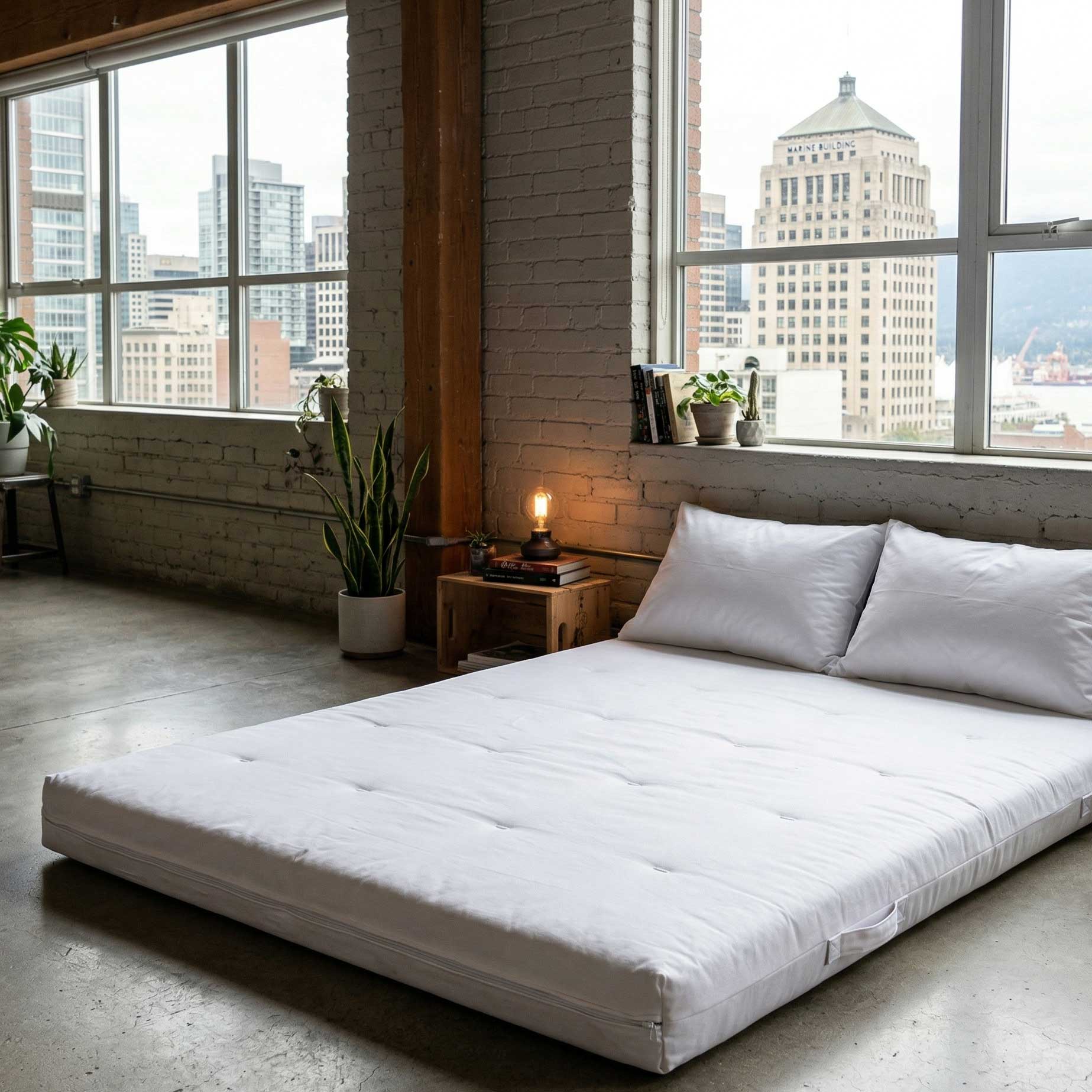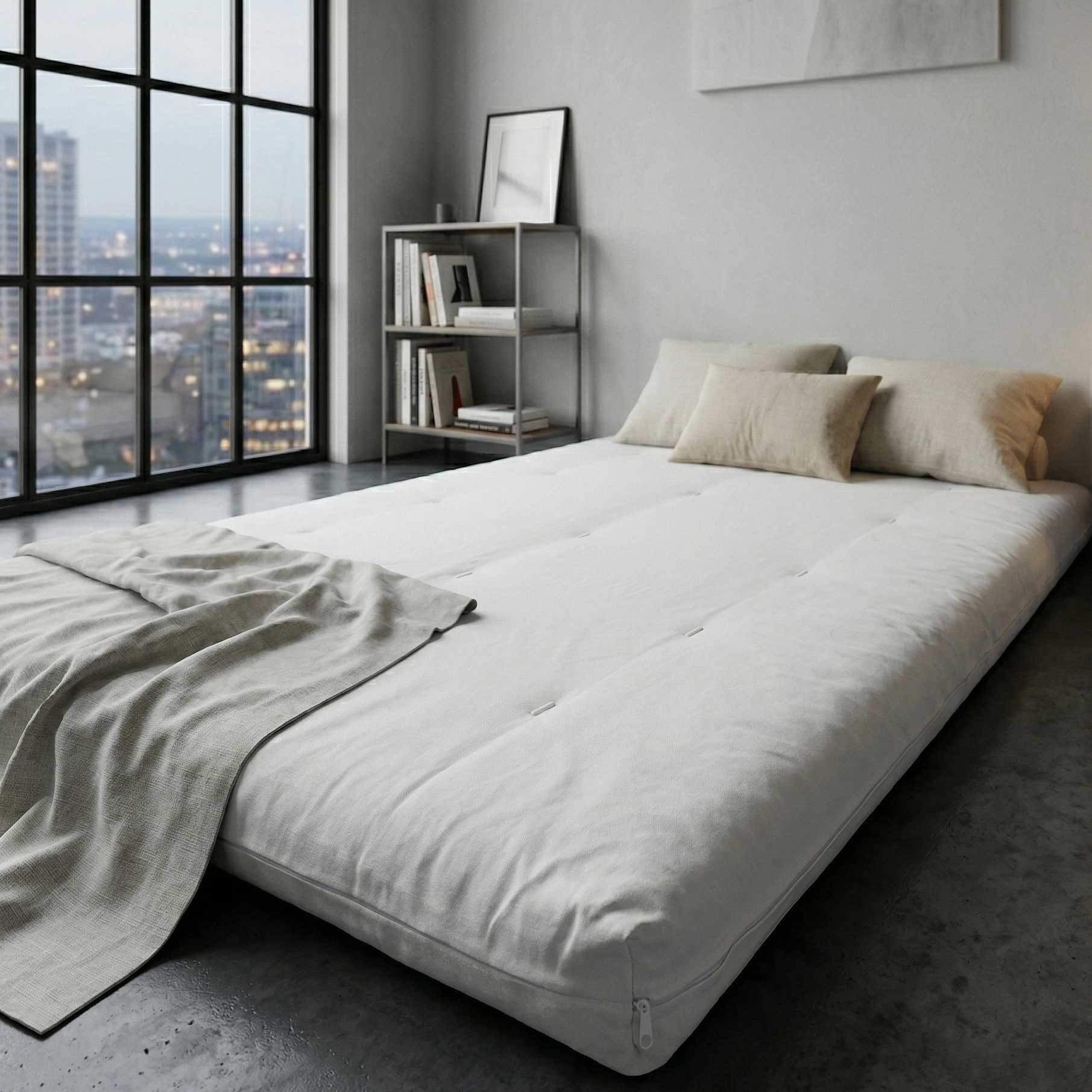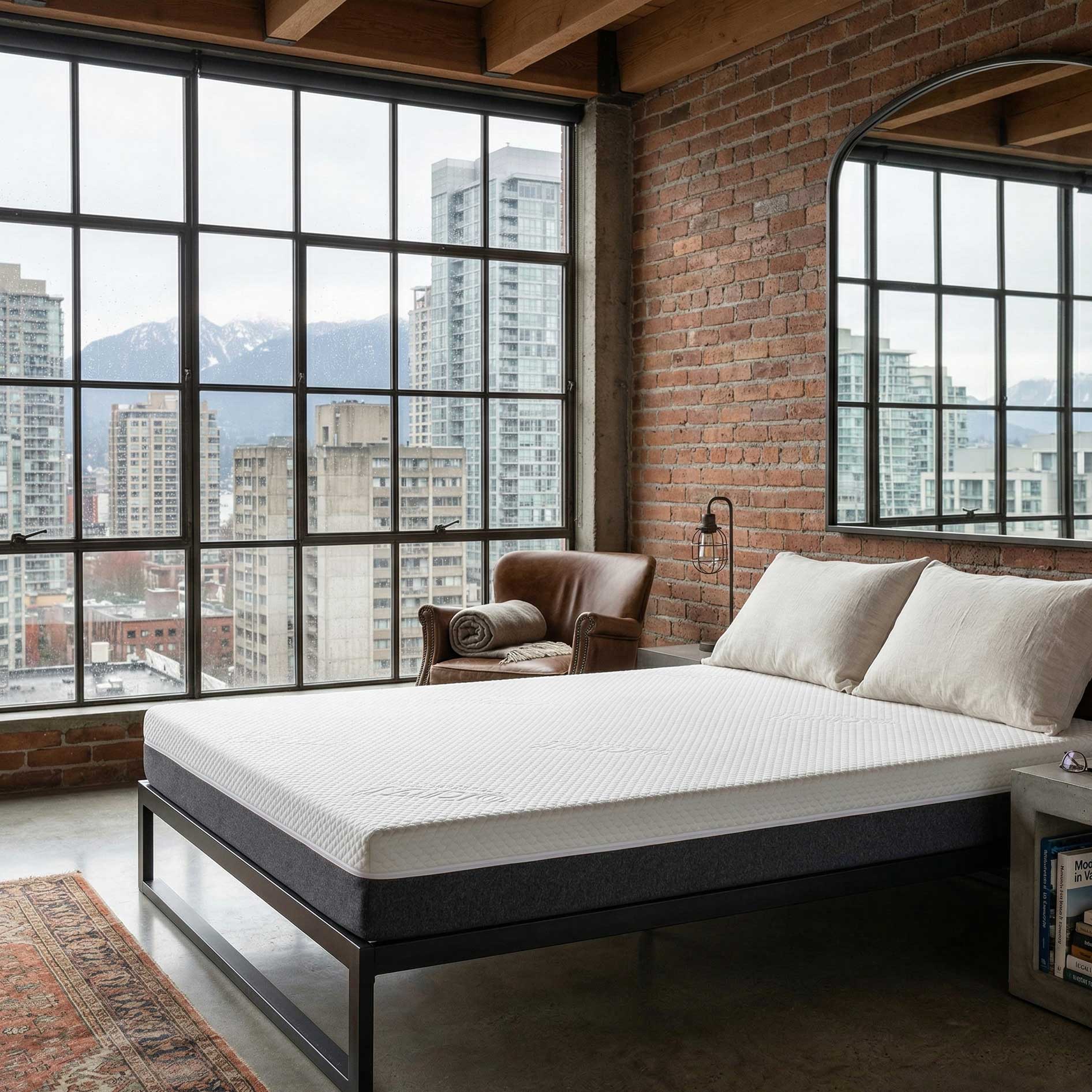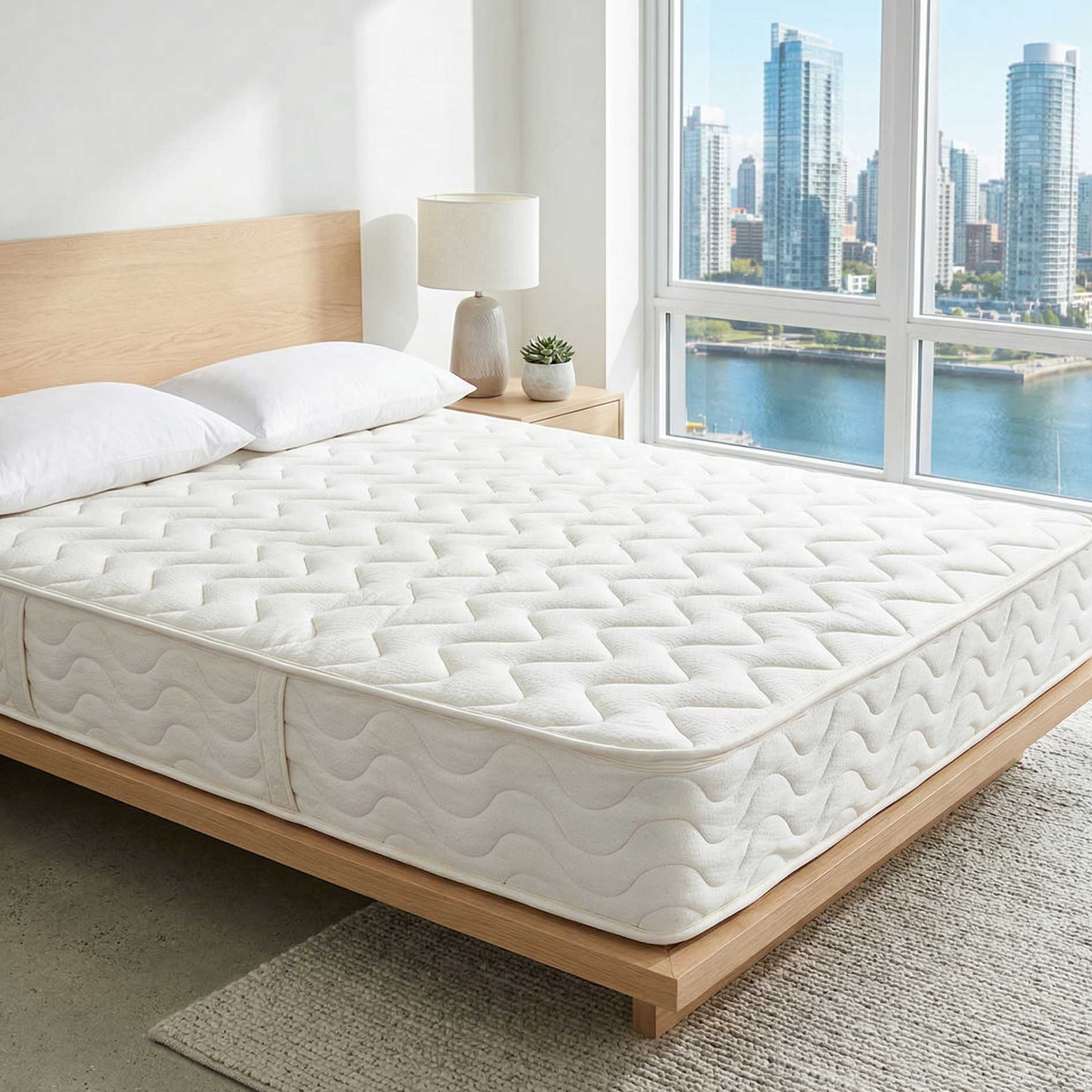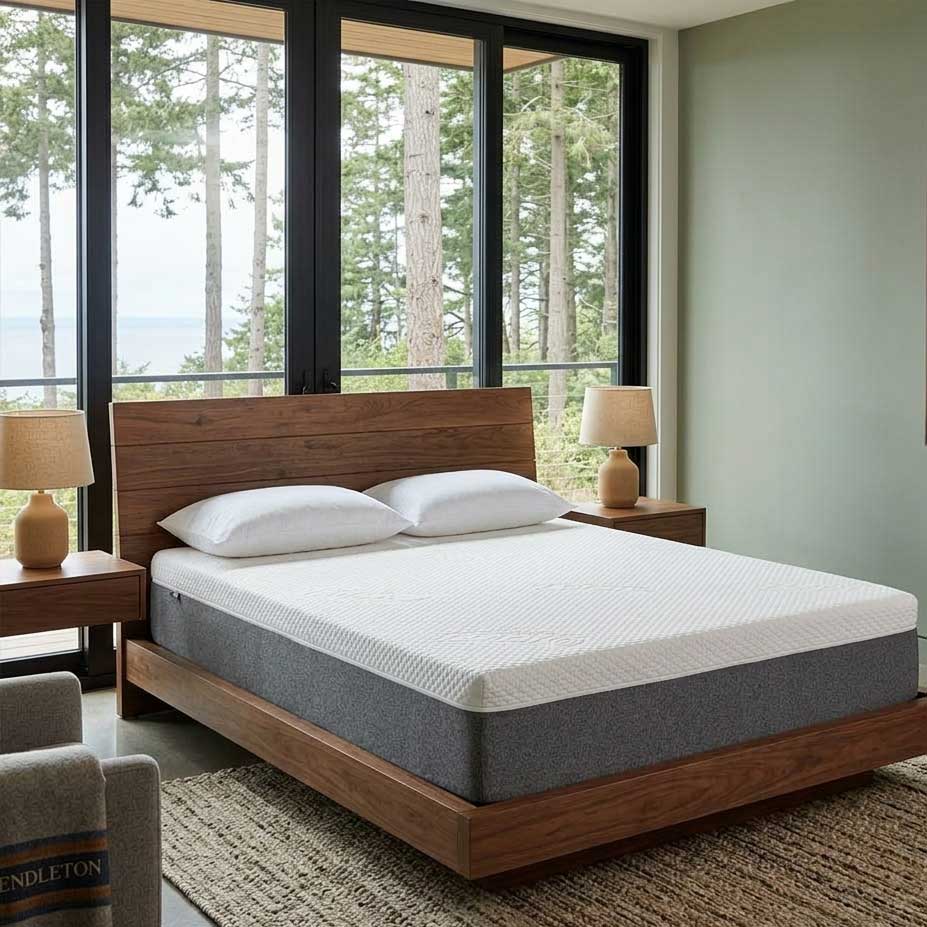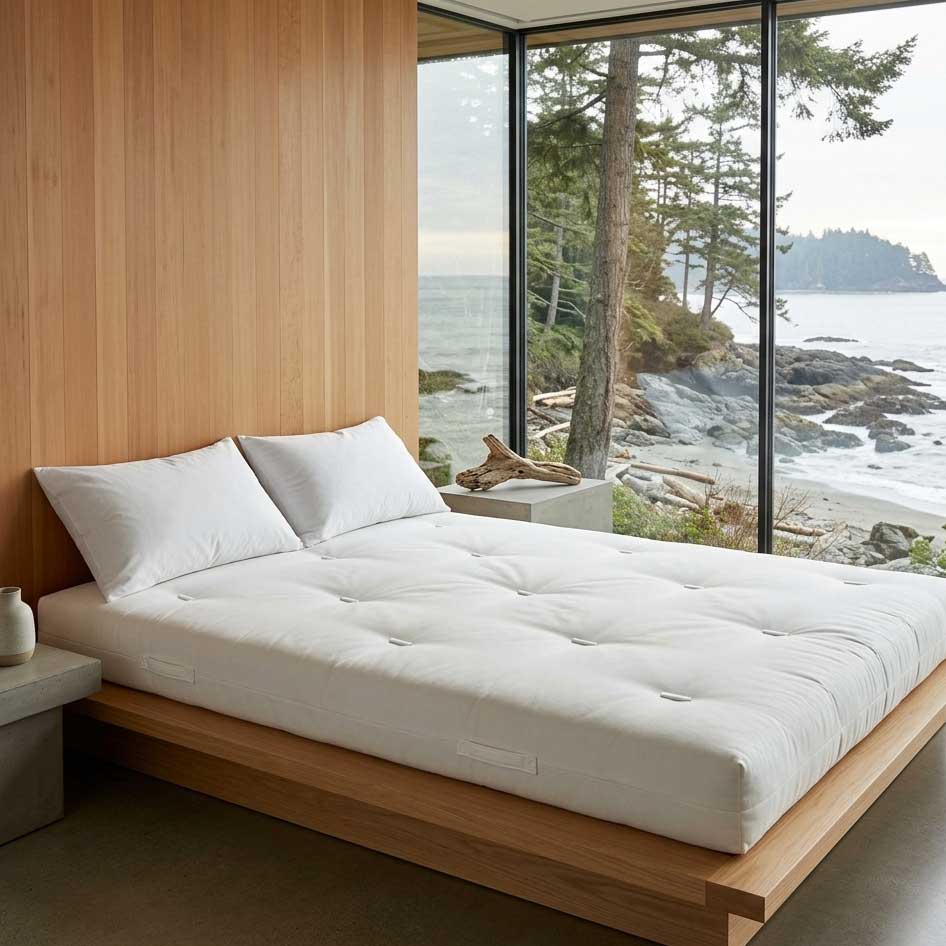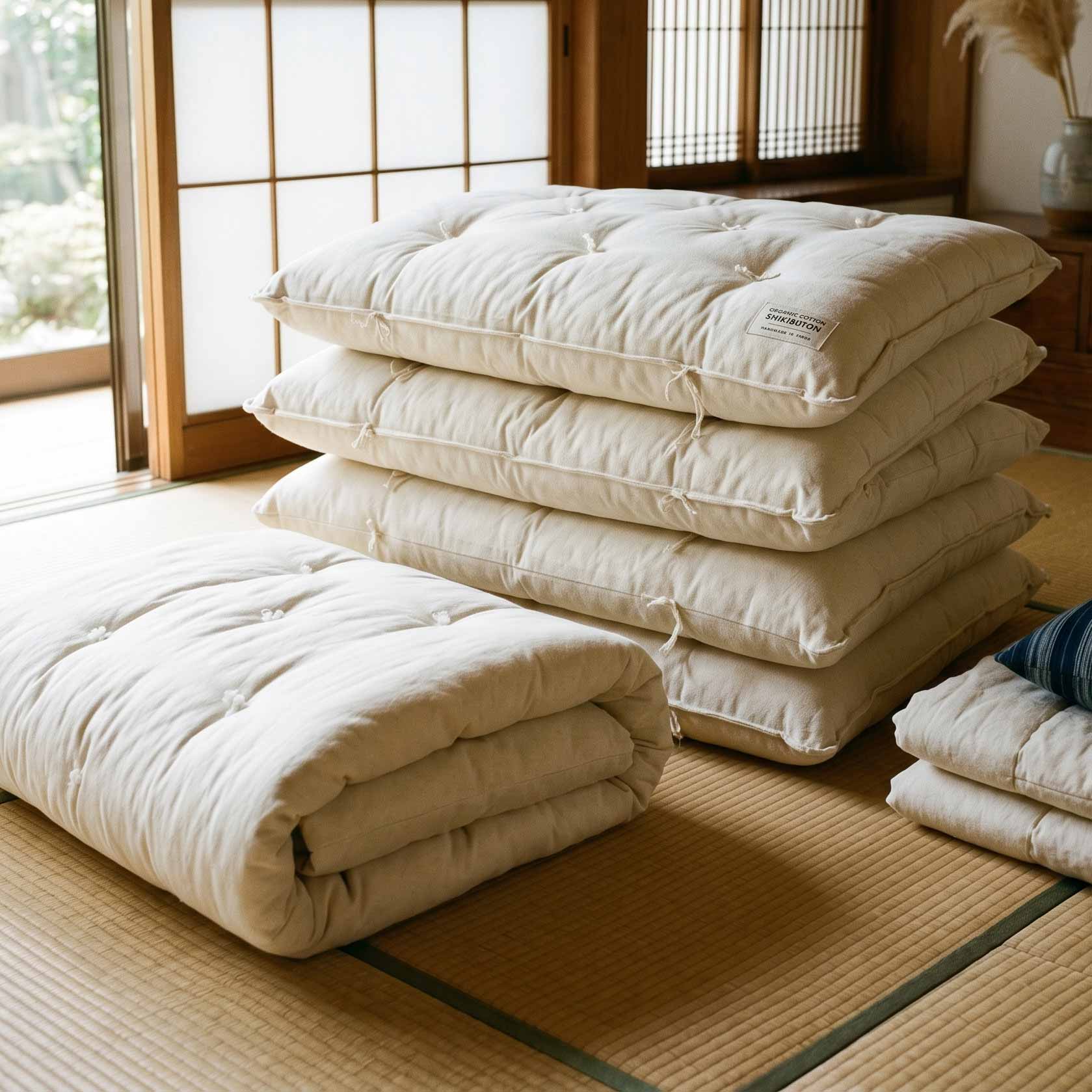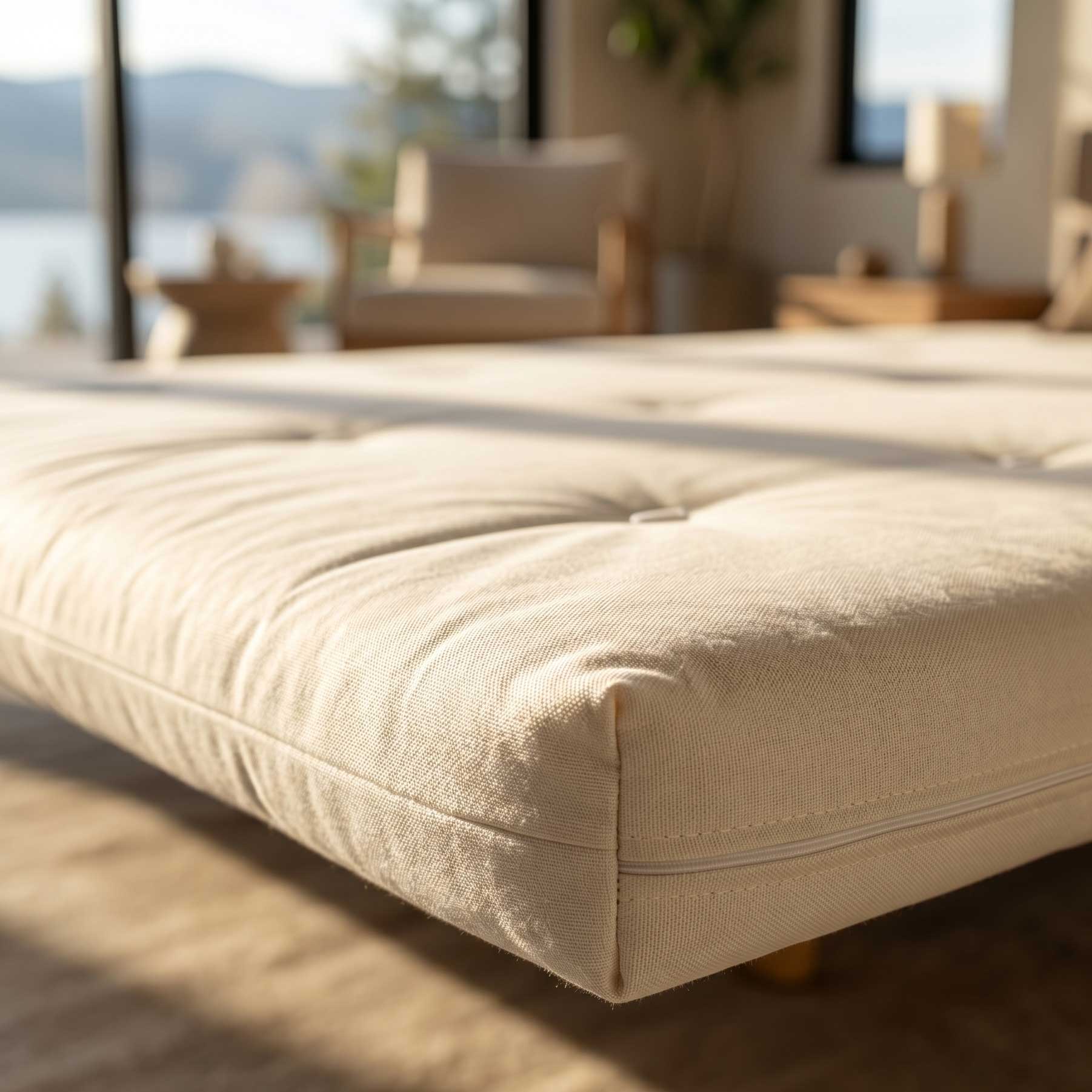
Canadian summers are short. That compression changes how people use them — more packed into fewer months, more activity, later evenings, longer weekends. Festivals, hiking, paddling, long dinners that run until dark at ten o'clock. It's genuinely one of the better things about living in this country.
What doesn't get talked about much is what that pace requires on the other end. Recovery is how the body consolidates what it did during the day — muscle repair, immune function, memory consolidation, hormonal regulation. Poor sleep doesn't just make you tired the next morning. Over weeks, it accumulates into something that affects how you feel through the whole season.
The bedroom is where that recovery happens. It's worth thinking carefully about what that room is set up to do.
The Bedroom Has Become Something Else
For a lot of people, the bedroom has quietly absorbed a second function. It's where the phone charges, where the late-night scroll happens, where work email gets checked one last time. The physical environment reflects that ambiguity — a mattress bought years ago when budget was the only real criterion, pillows that have flattened out, a room that isn't really set up for anything in particular.
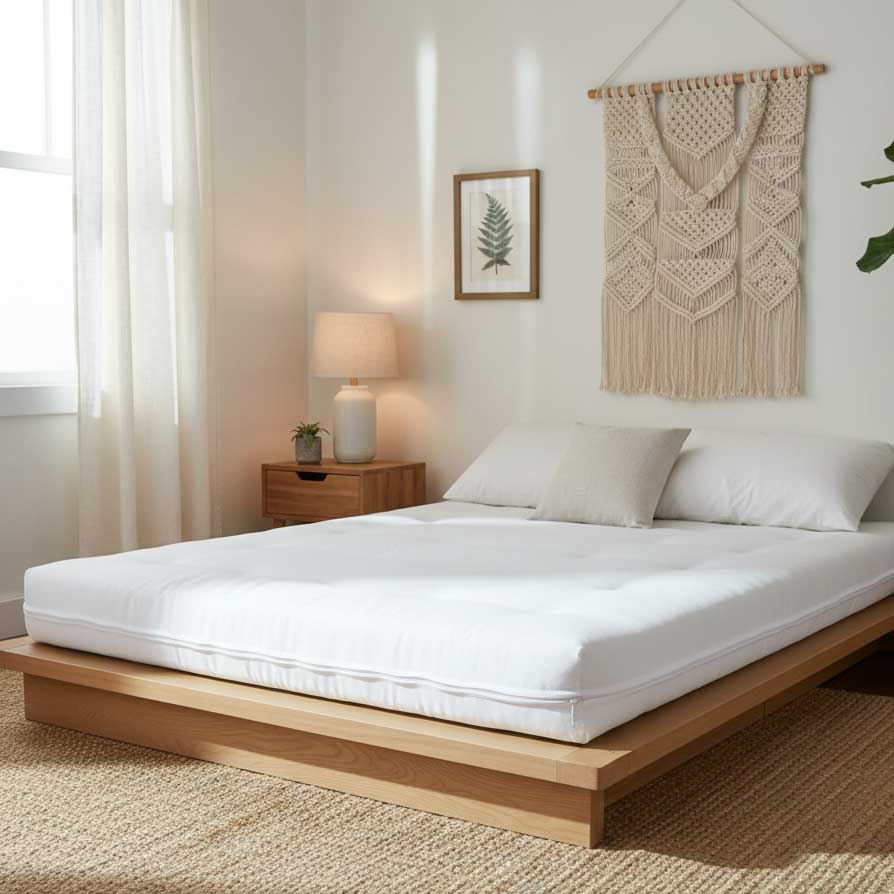
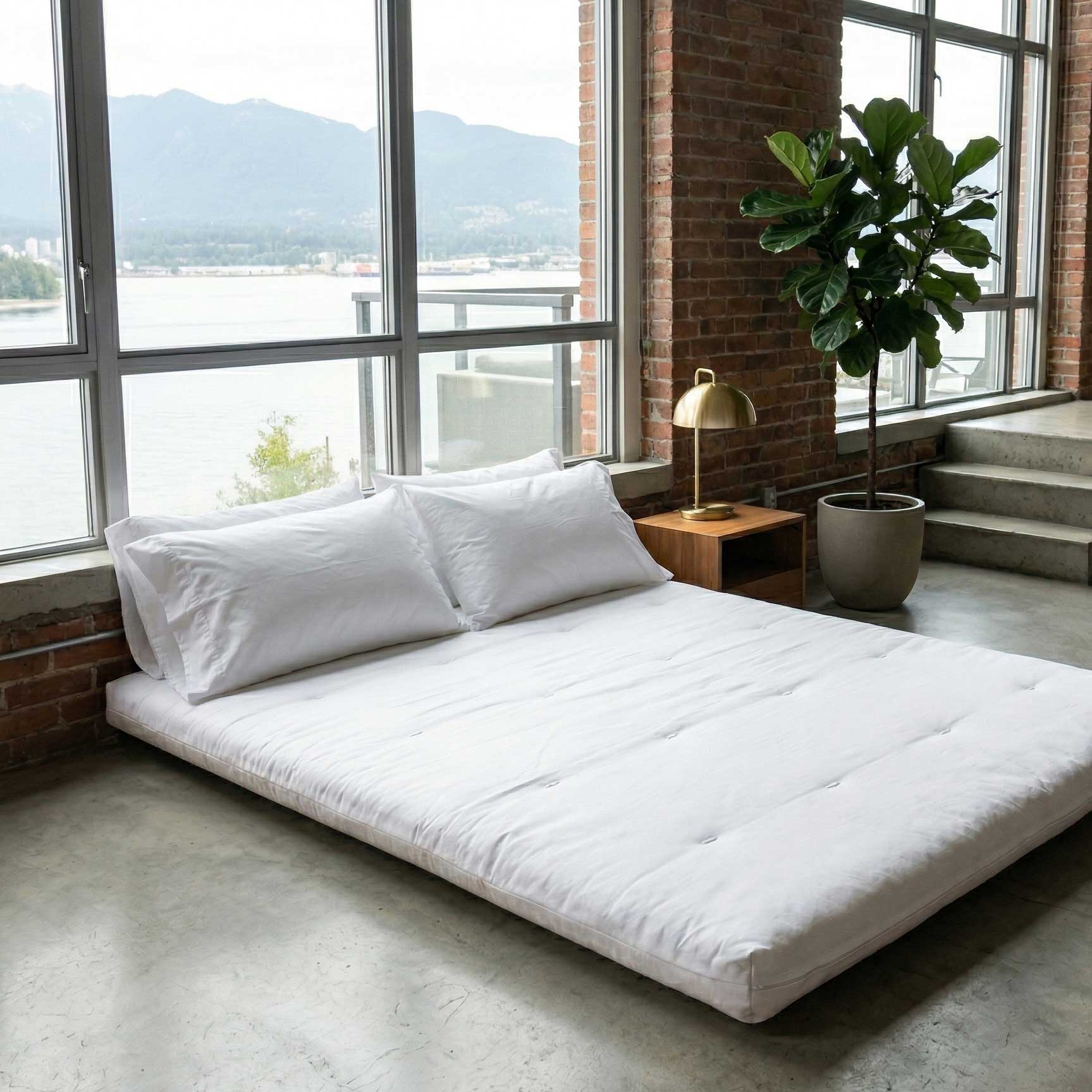
The shift gaining ground in home and wellness culture is the idea that the bedroom should be singular in its function: a room for sleep and recovery, designed deliberately for that purpose. That's not a complicated idea, but acting on it tends to start with the mattress, because the mattress is what the body is actually in contact with for seven or eight hours.
What that mattress is made of matters more than most marketing language suggests.
What Pressure Relief Actually Means
The term pressure relief gets used loosely, but it has a specific meaning in mattress construction. When you lie on a surface, your body weight concentrates at contact points — shoulders and hips for side sleepers, the lumbar region for back sleepers. A surface that doesn't conform to those contact points creates pressure, which the body responds to by shifting position, even during sleep.
Frequent position changes during sleep fragment the sleep cycle. They interrupt the deeper stages of sleep where most physical recovery occurs. A mattress that distributes pressure well reduces the need for those shifts and allows the body to spend more time in the deeper stages.
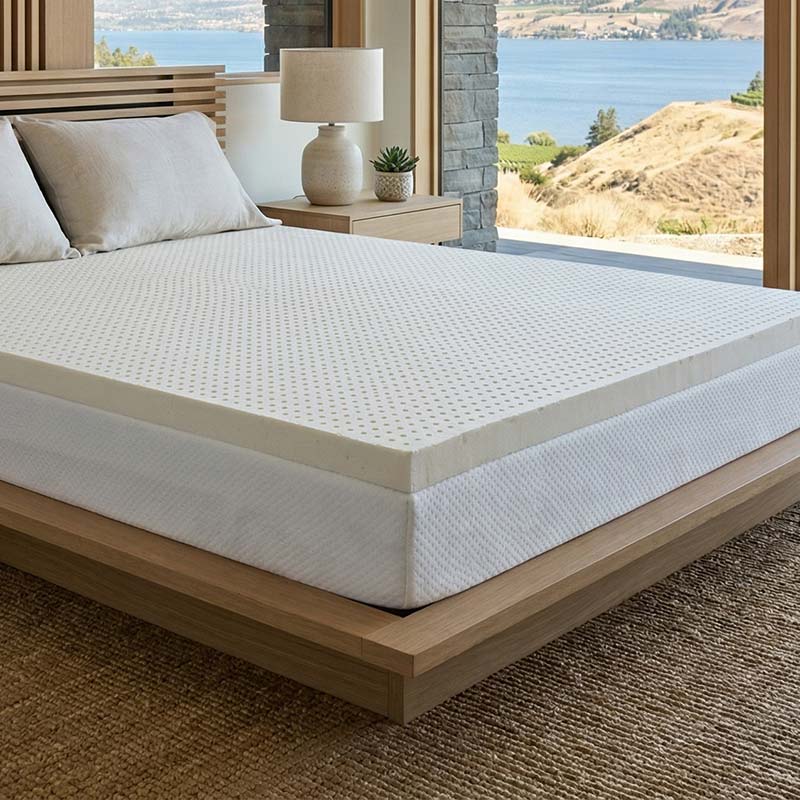
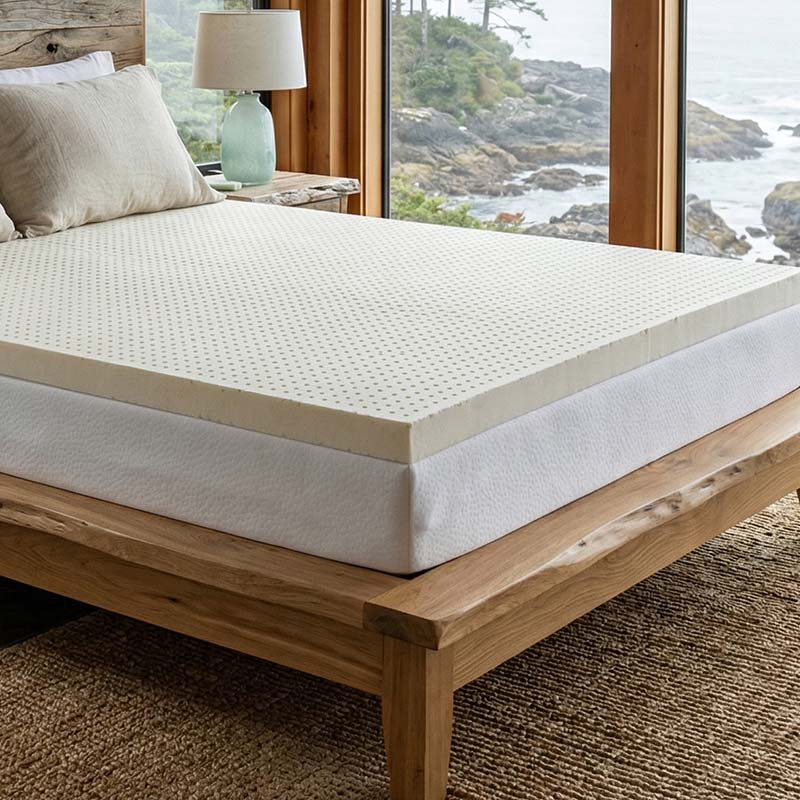
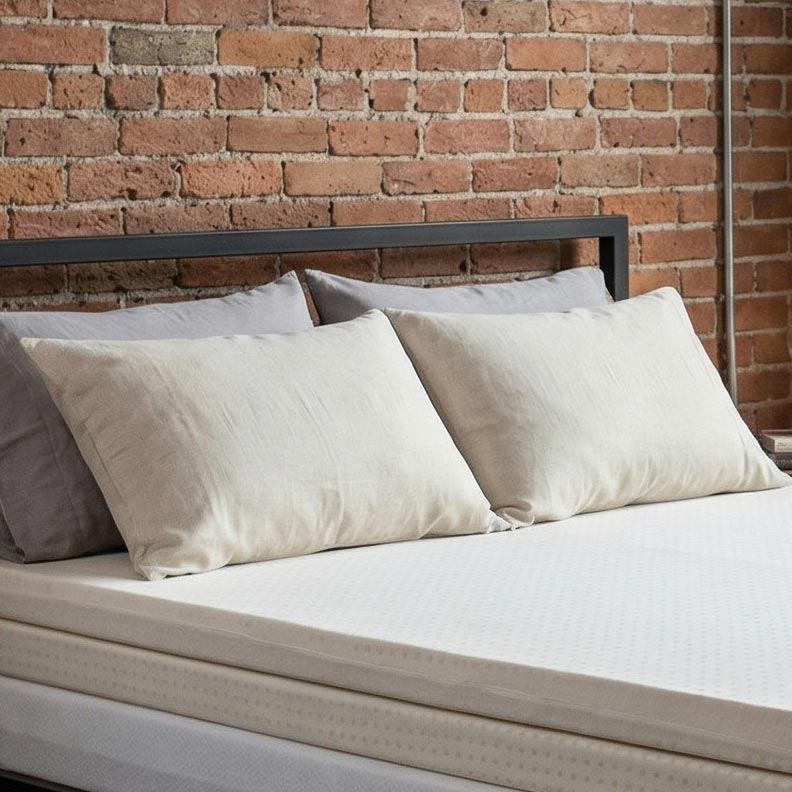
Latex does this well because it's a responsive material — it conforms to the body under pressure and returns immediately when pressure is removed. It doesn't create a sinking, enveloping sensation the way memory foam does. The surface remains supportive while accommodating the body's contours.
Temperature Across a Canadian Summer Night
Summer sleep in Canada involves a temperature range that doesn't exist in most of the world. June evenings can be cool enough that you want a cover. July nights in many parts of the country are genuinely hot. The same bedroom, the same mattress, needs to work across that range.
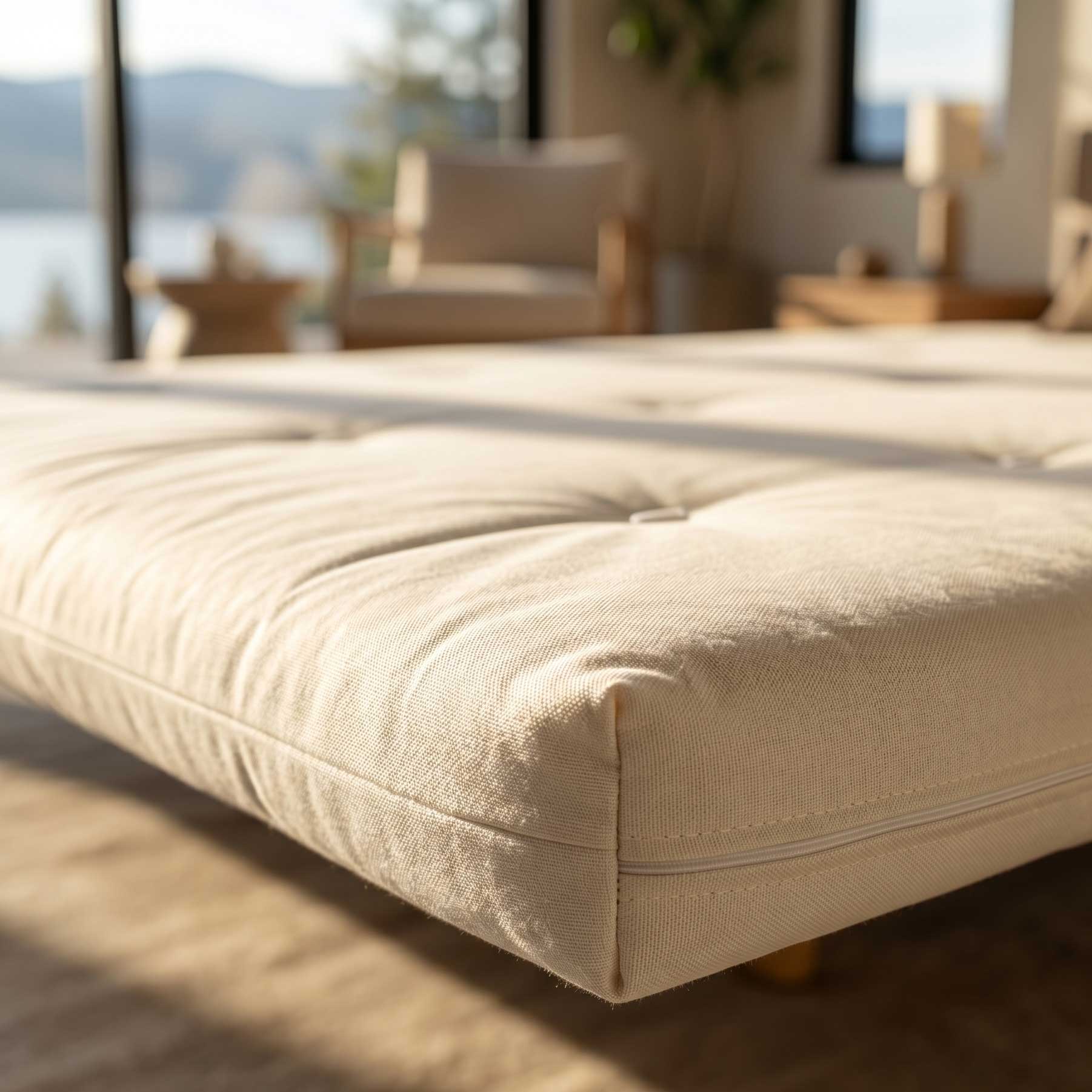
Latex handles this better than foam because of its open-cell structure. Air moves through the material rather than accumulating heat the way dense closed-cell foams do. The cover choice matters too. Sleep Majestic's Tencel cover is a plant-based, moisture-wicking option that keeps the sleeping surface cool and dry. The organic cotton and wool cover is available as an upgrade and works well across seasons — wool provides natural temperature regulation and wicks moisture when it's warm.
For people who run particularly warm in summer, the DIY Dunlop Talalay Hybrid pairs a Dunlop base with a Talalay comfort layer. Talalay has a lighter, less dense feel than Dunlop and is generally perceived as slightly cooler. It comes standard with the organic cotton and wool cover.
Building a Room That Does One Thing Well
The recovery-focused bedroom isn't about aesthetics or any particular design style. It's about reducing the variables that interfere with sleep. That usually means: a mattress that fits the sleeper's body and position, a room temperature the body can work with, and a clear functional distinction between the bedroom and everywhere else in the home.
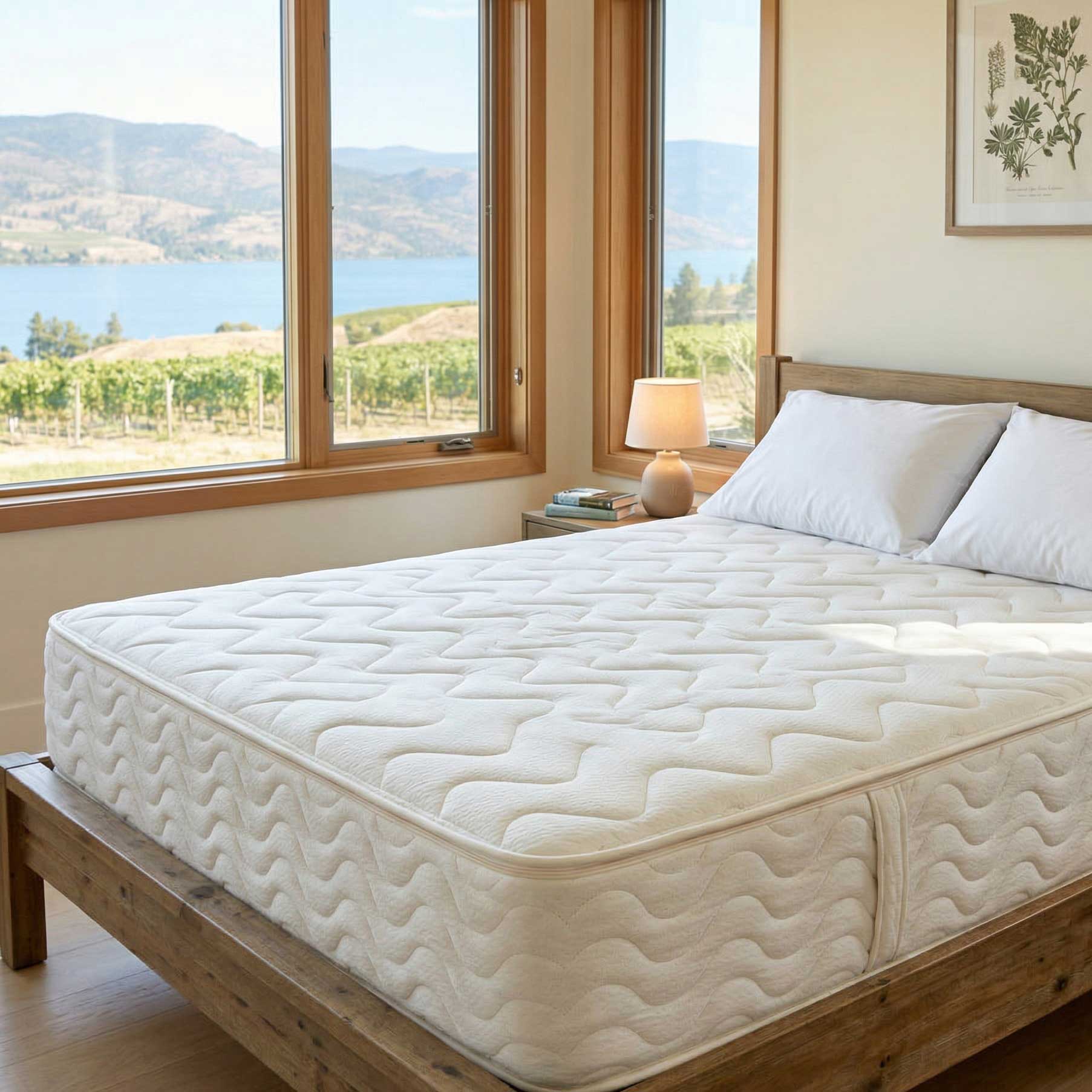
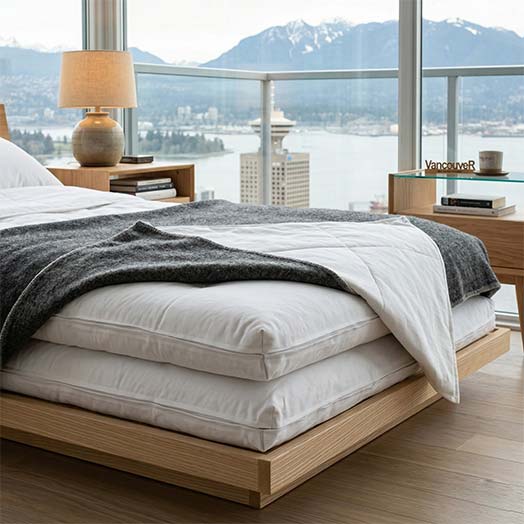
The mattress is the place to start because it's where the most direct impact is. Sleep Majestic makes 100% organic Dunlop latex mattresses in Delta, BC — GOLS-certified, modular, built in configurations for back, side, and stomach sleepers. The layer exchange program means the initial firmness choice isn't final. If the comfort layer isn't right after sleeping on it, it can be exchanged without returning the whole mattress.
A showroom fitting — in person at the Delta workshop or by phone for customers outside Metro Vancouver — is the right starting point for anyone who wants to work through the options before ordering.
Frequently Asked Questions
What mattress firmness is best for recovery sleep after physical activity?
It depends primarily on sleep position. Side sleepers generally do best with a Soft or Medium comfort layer — enough give to relieve shoulder and hip pressure points without losing support. Back sleepers recover well on a Firm or Medium Firm configuration that keeps the spine in a neutral position. Stomach sleepers need an Extra-Firm Dunlop core to prevent the pelvis from sinking. A Sleep Majestic fitting session can work through your specific position and body type before you order.
Does a latex mattress actually sleep cooler than memory foam?
Latex is an open-cell material, which means air moves through it rather than accumulating heat the way dense closed-cell memory foam does. Most people who switch from memory foam to latex report a noticeable difference in sleeping temperature. The cover choice amplifies this — Tencel is particularly effective at moisture management in summer. The organic cotton and wool cover regulates temperature across a wider seasonal range.
What is the layer exchange program and how does it work for recovery-focused sleepers?
The layer exchange program allows customers to swap an individual comfort or transition layer if the firmness isn't right after sleeping on the mattress. This is useful for people who are new to latex — it's hard to know exactly how a material feels for recovery purposes until you've slept on it for a few weeks. The exchange targets the specific layer rather than requiring a full return. The customer pays return shipping on the original layer; Sleep Majestic produces and ships the replacement.
Sleep Majestic makes handmade organic latex mattresses in Delta, BC — built around pressure relief and temperature regulation. In-person and phone fittings available by appointment here: Book a Mattress Fitting