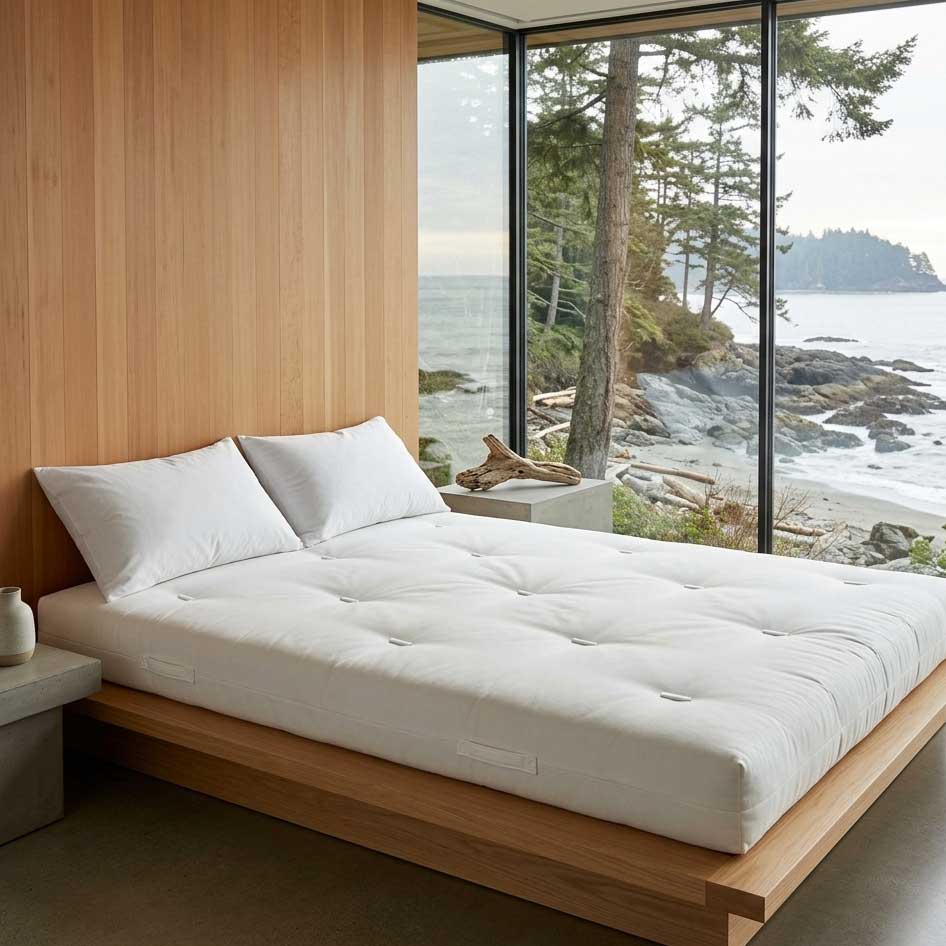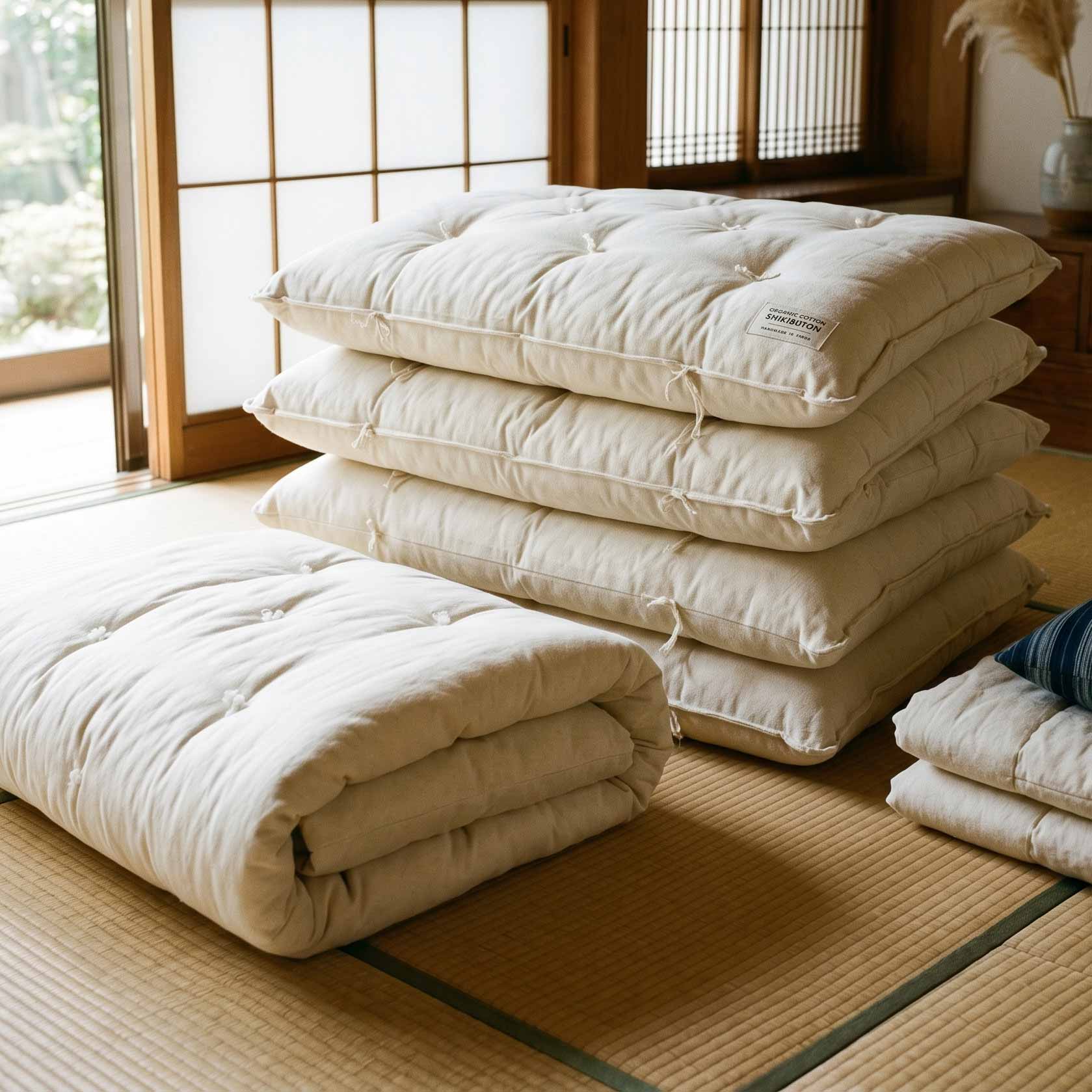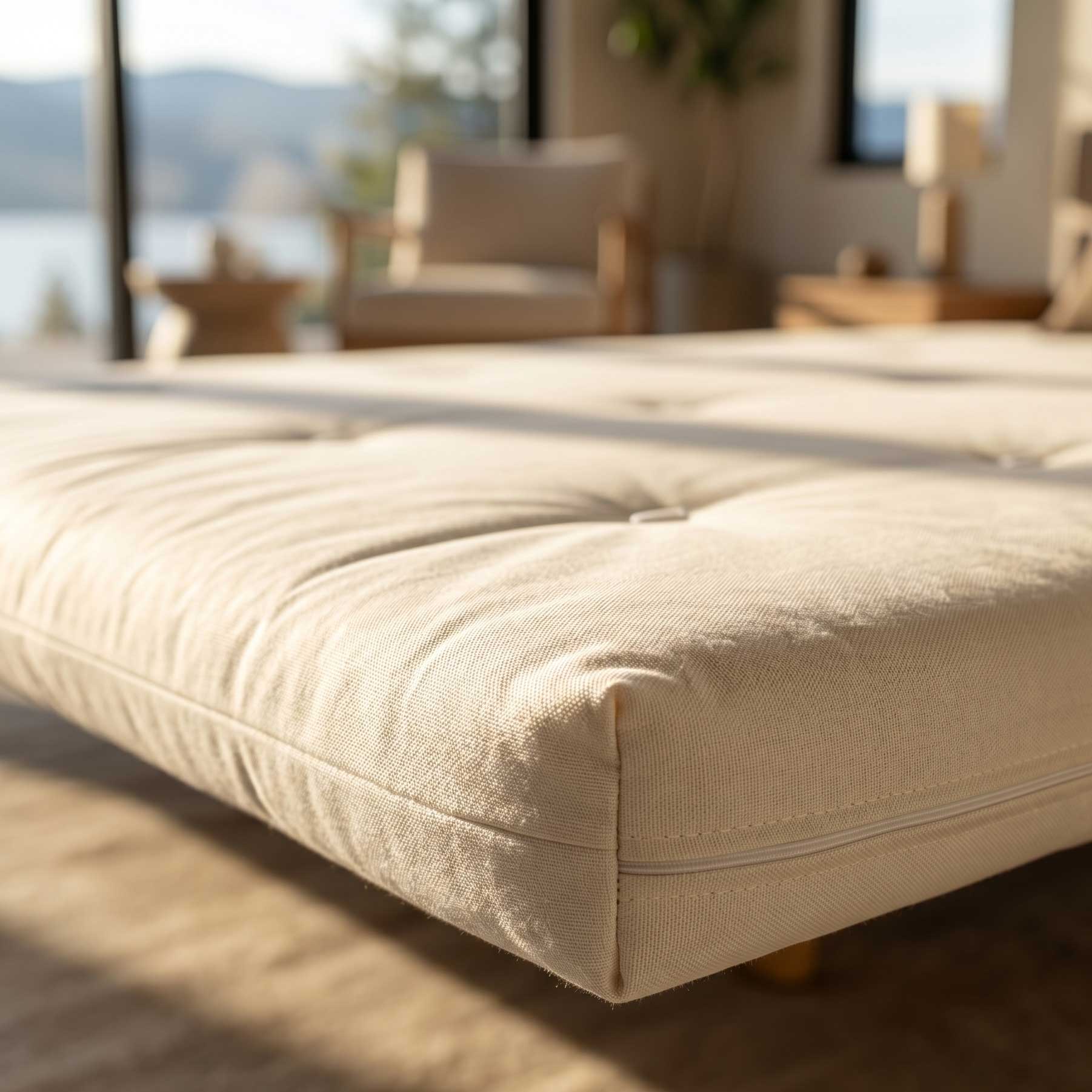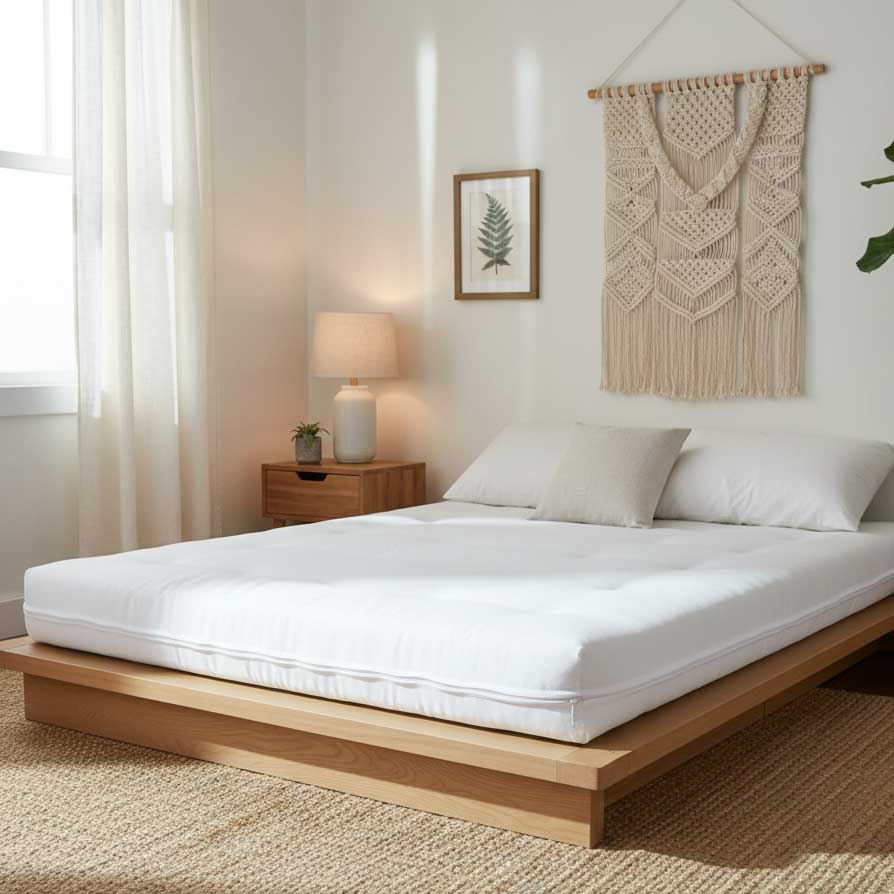
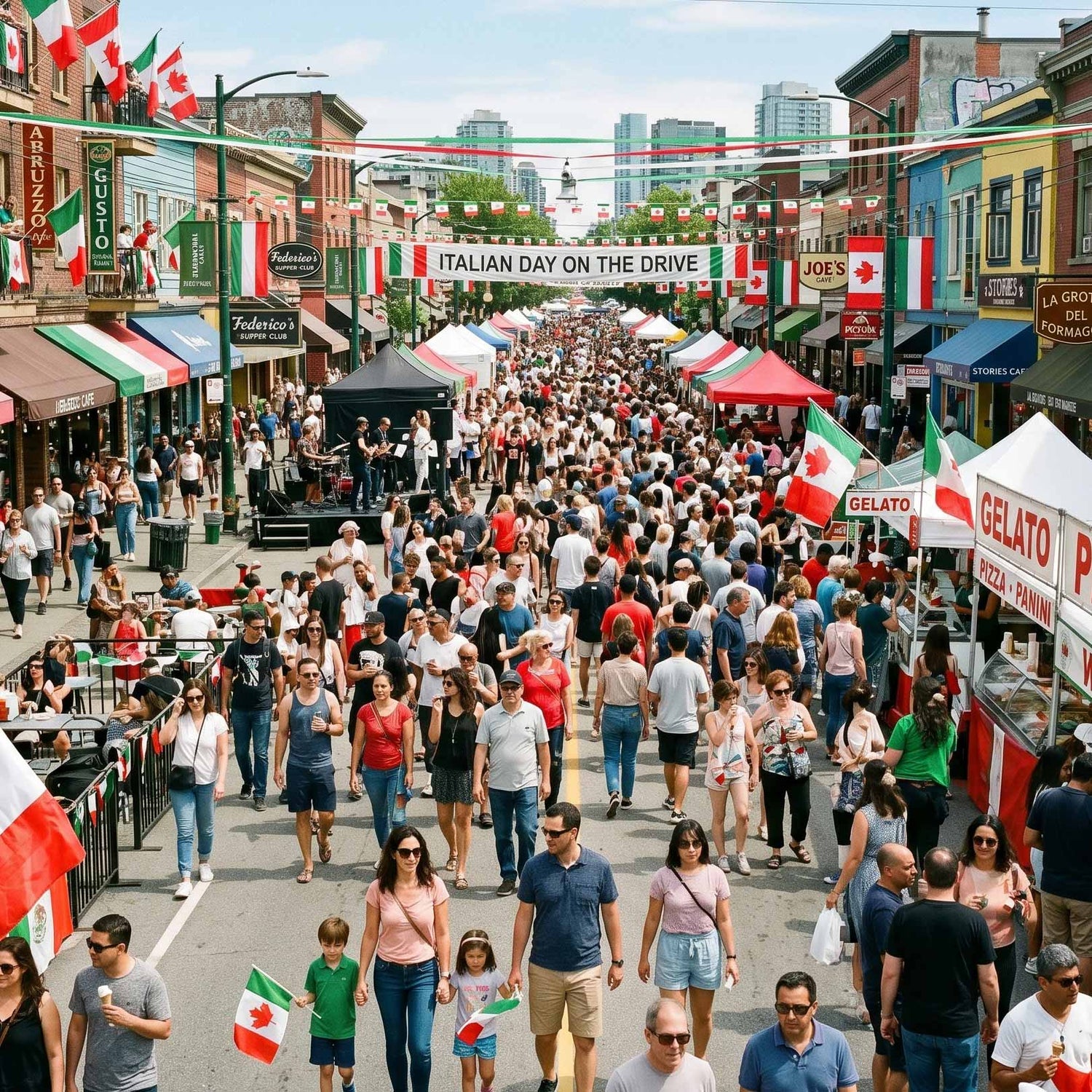
Commercial Drive's history as a maker neighbourhood runs deeper than the espresso. Italian immigrants who settled The Drive in the 1940s and 50s brought a culture of craft with them — a preference for things made by hand, made to last. The Italian Day festival on June 14 draws 300,000 people to celebrate exactly that. It's a good reminder that the things worth having usually start with someone who knows their materials.
A Street Built by People Who Made Things
Before Commercial Drive became known for coffee shops and record stores, it was the heart of Vancouver's Italian immigrant community. Families who arrived in the 1940s and 1950s set up grocery stores, bakeries, tailor shops, and trattorias along the 14-block stretch between Venables and Grandview. They weren't importing a lifestyle. They were building one from the materials they understood.
That culture of craft — knowing your ingredients, working with your hands, taking the time to do it properly — is what the Italian Day festival celebrates each June. The 2026 edition falls on Sunday, June 14, with this year's theme Campione: the spirit of the champion, of doing things with full commitment. Three hundred thousand people are expected on The Drive for food, music, and the particular energy of a neighbourhood that still takes pride in how things are made.
The Drive has changed over the decades, as all neighbourhoods do. But the underlying character has held. There's still a preference here for the particular over the generic, for the maker over the middleman.
What Craft Actually Means in Practice
The word handmade gets used loosely. But in the context of Italian Day on the Drive, it means something specific: the pasta is made in the kitchen, not shipped from a factory. The ceramics come from someone who knows clay. The tailor knows how fabric moves. The value isn't just aesthetic — it's functional. Something made with knowledge of its materials performs differently than something assembled without it.
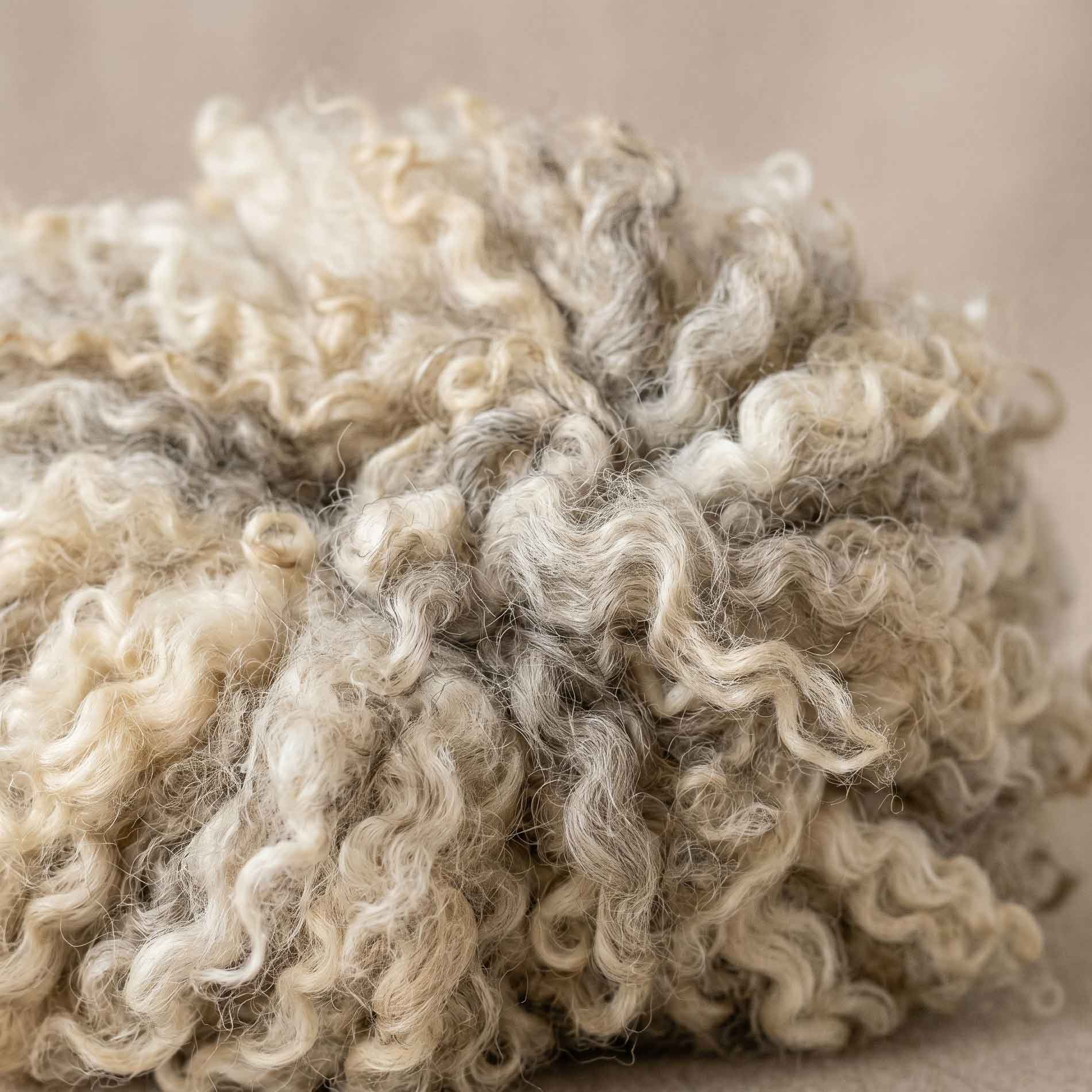
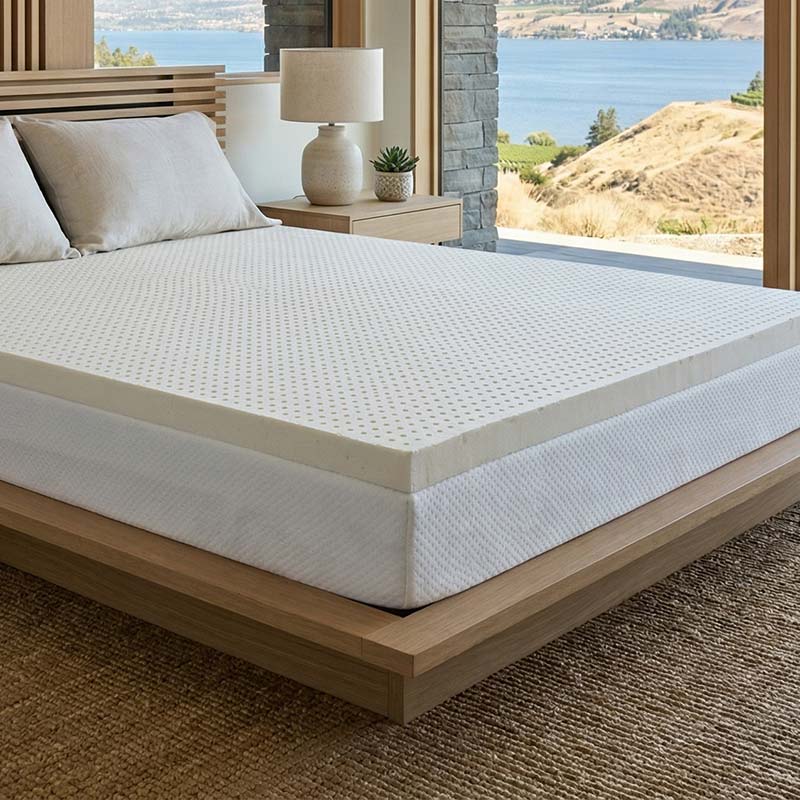
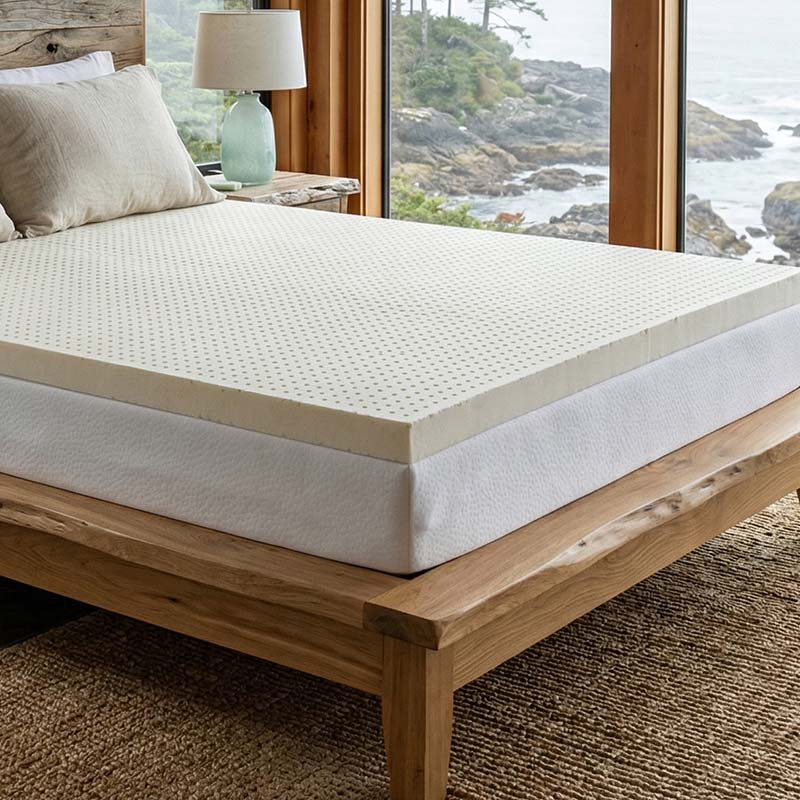
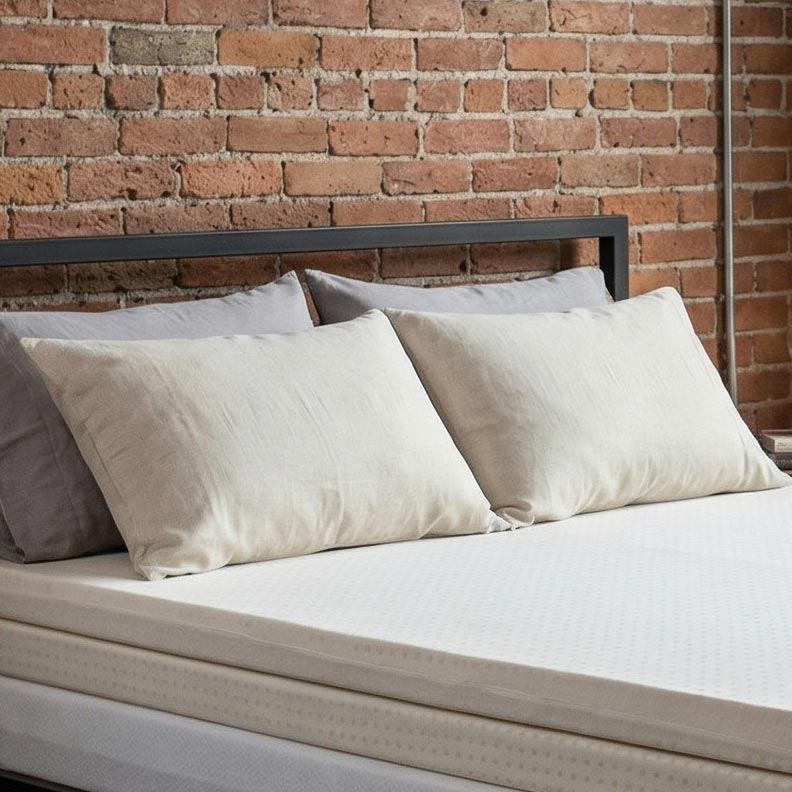
That principle holds across categories. Natural latex, for example, is a material with real variation in how it behaves. Dunlop latex, made by pouring and baking liquid rubber in a single process, produces a denser, more supportive foam. Talalay latex, made by spreading the same liquid into a mould and flash-freezing it before baking, produces a lighter, more consistent cell structure with a softer feel. The difference between them isn't marketing — it's chemistry and process. Understanding that distinction is what lets a mattress maker match the right material to the right sleeper.
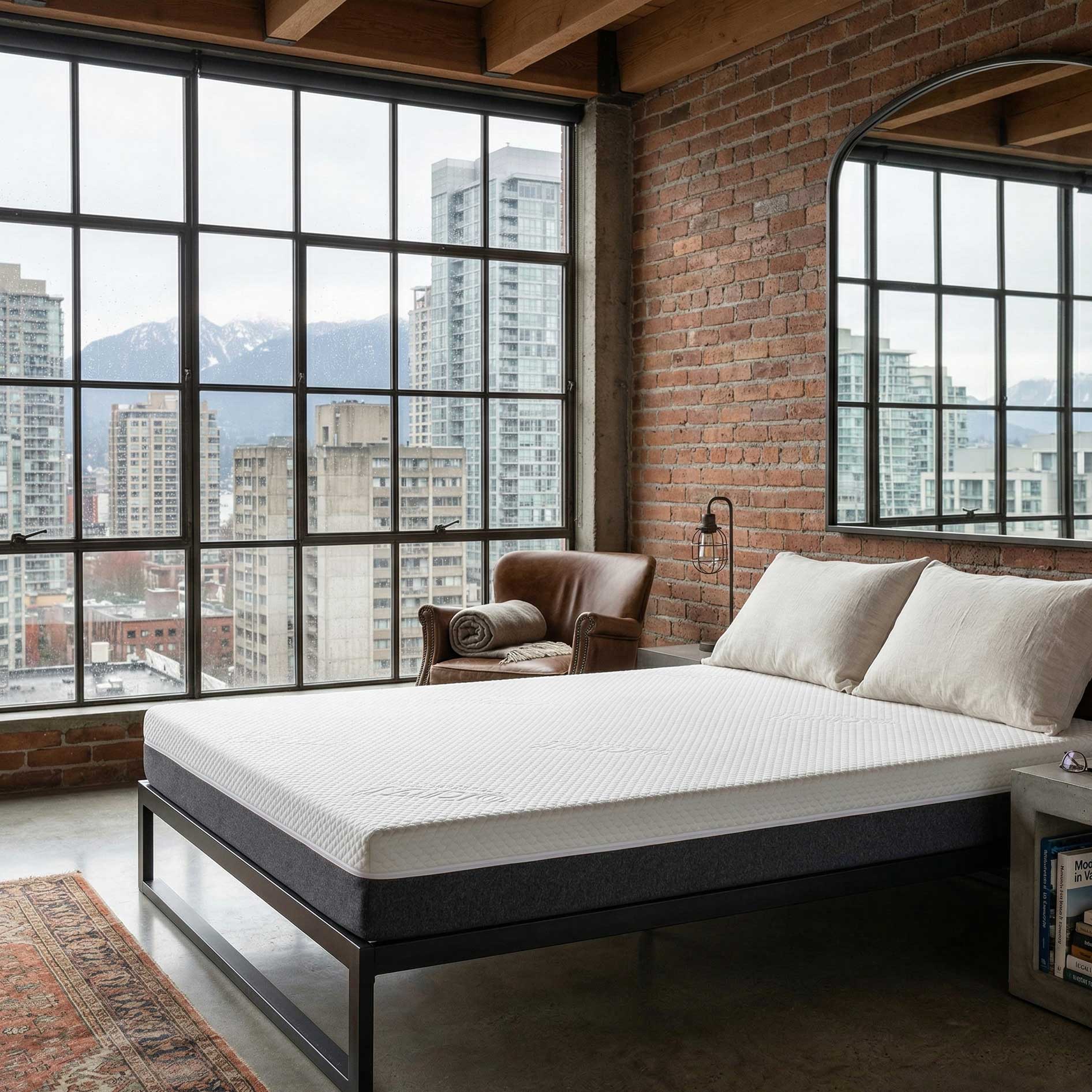
Most of what gets sold as a mattress today has no such story. It's layers of petroleum-derived foam assembled in a warehouse, with a fabric cover to hide the construction. The materials aren't chosen for what they do — they're chosen for what they cost.
The Summer Sleeping Problem Nobody Talks About
June in Vancouver brings long days and warmer nights. It also tends to bring a slower pace — festivals, patios, evenings that stretch later than they should. Most people sleep worse in summer than they expect to, and the culprit is usually heat retention in the mattress.
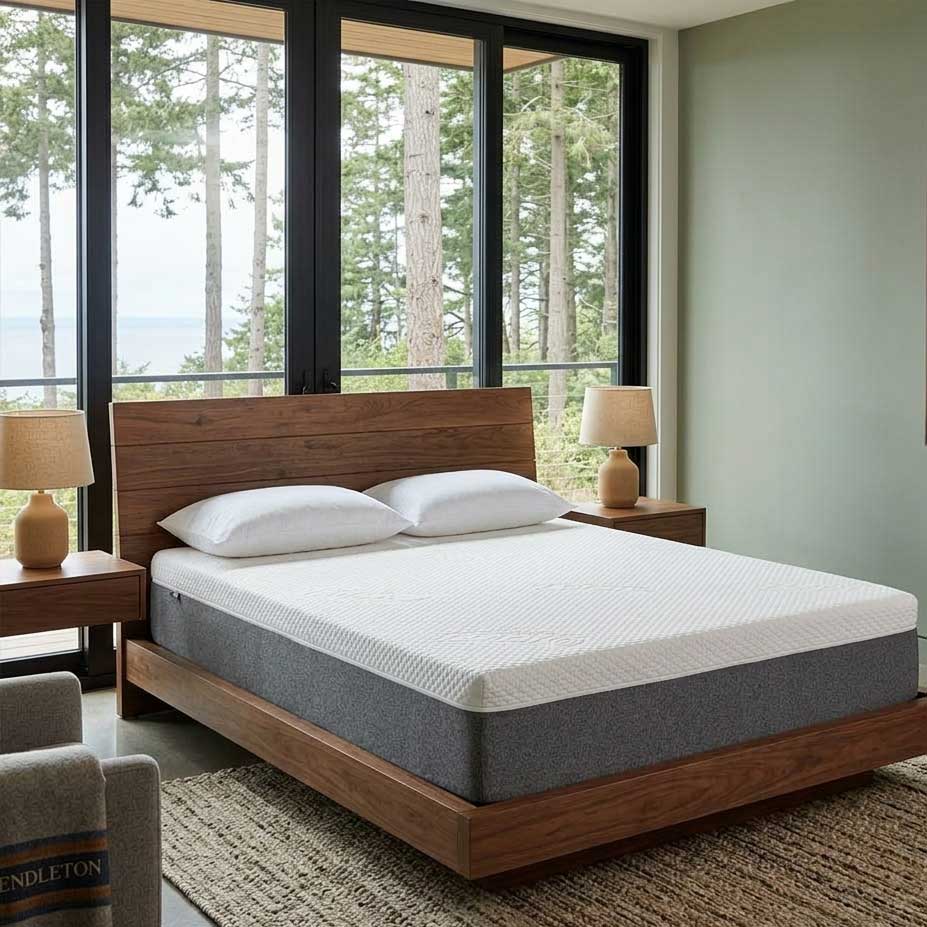
Conventional foam mattresses trap body heat because the cell structure is closed. There's nowhere for warmth to dissipate. Natural latex has an open cell structure that moves air more freely, which is part of why it sleeps cooler than most foam alternatives. Talalay latex in particular, because of how it's processed, has a more consistent open-cell structure than Dunlop — relevant for hot sleepers who want a softer surface without the heat trap.
This matters on a warm June night after a day on The Drive, when the last thing you want is to lie on something that holds heat like a storage unit.
The Logic of Knowing Your Materials
The Italian immigrants who built Commercial Drive didn't separate the quality of their work from the quality of their materials. A good loaf of bread requires flour worth using. A garment that holds its shape requires fabric worth cutting. The work and the material are part of the same decision.
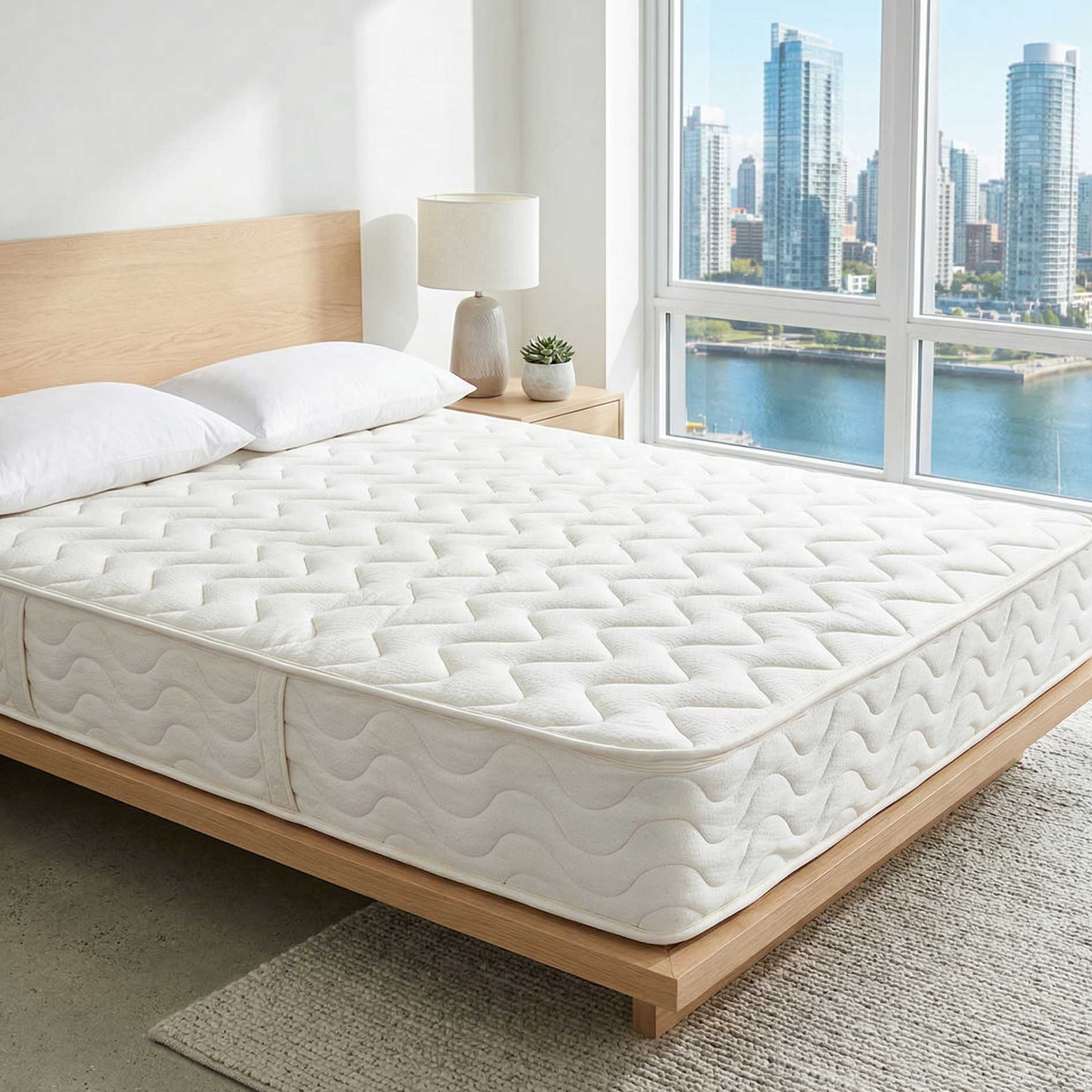
A mattress made from GOLS-certified organic Dunlop latex starts with rubber sourced from certified organic plantations in India and Sri Lanka, where the trees are tapped by hand and the latex is processed without synthetic additives. The certification covers the full supply chain — not just the finished product. That's a different category of thing than a mattress assembled from unlabelled foam components.
The people shopping Italian Day this June are mostly not thinking about their mattress. But if they were, the same instinct that draws them toward the handmade pasta and the artisan ceramics would probably point them in the same direction.
Frequently Asked Questions
What makes Commercial Drive a good parallel for thinking about mattress quality?
Commercial Drive developed its character through Italian immigrants who built businesses around craft and material knowledge — the same values that separate a well-made mattress from a cheaply assembled one. The instinct to know your ingredients, work with quality materials, and take the time to do things properly translates directly. A latex mattress made from certified organic rubber and handmade in Metro Vancouver reflects the same logic as a loaf of bread made from flour worth using.
Does natural latex really sleep cooler than foam in summer?
Natural latex has an open cell structure that allows air to move more freely than conventional closed-cell polyurethane foam, which traps body heat. Talalay latex has a particularly consistent open-cell structure due to how it's processed, making it a good option for warm sleepers. The difference is most noticeable on warm nights when body heat has nowhere to dissipate — a genuine practical distinction rather than a marketing claim.
What is GOLS certification and why does it matter for a latex mattress?
GOLS stands for Global Organic Latex Standard. It certifies that the latex used in a mattress meets organic production standards across the full supply chain, from the rubber plantation through to the finished product. A GOLS-certified latex mattress has been independently verified to contain at least 95% certified organic raw material and passes strict limits on harmful substances. It's the most rigorous organic certification available for latex, verified by third-party auditors including Eco-Institut and Oeko-Tex.
Sleep Majestic makes handmade organic latex mattresses on Annacis Island, a short drive from The Drive. If you're in the neighbourhood for Italian Day, fittings are available six days a week by calling 604-731-8226.