Halifax's Canada Day celebration on July 1 is the largest east of Montreal, filling the waterfront with music, the Sobeys Tattoo Parade, and fireworks over the harbour. The KANA'TA format, developed in close collaboration with Indigenous communities, re-envisions the national holiday. A city that runs hard on long summer days needs a mattress that keeps up.
What KANA'TA Looks Like in 2026
The Halifax Regional Municipality's Canada Day program spans multiple sites across Halifax and Dartmouth. The Sobeys Tattoo Canada Day Parade kicks off at 10 a.m. from Scotiabank Centre, winds through downtown Halifax with over 25 groups and floats, and is the largest Canada Day parade east of Montreal. The main waterfront program runs throughout the day with cultural performances, family activities, and music at multiple stages.
The African Nova Scotian Music Association performs live at Dartmouth Ferry Terminal Park, drawing on a musical tradition rooted in a community that has been part of Nova Scotia for over 400 years. The Desi Summer Music Fest brings global beats to the Halifax Waterfront. Fireworks over Halifax Harbour close the evening, best viewed from the Dartmouth Ferry Terminal Park or Foundation Wharf.
All of the main events are free. The KANA'TA format reflects a broader shift in how Canada Day is being approached nationally: less flag-waving for its own sake, more attention to what the country actually is and who has always been part of it. Halifax has been ahead of that conversation for a while.
Halifax in July
Halifax in summer runs at a pace that suits people who like being outside. The waterfront is the centre of it: a working harbour with a boardwalk that connects the ferry terminal to the seaport, lined with restaurants, patios, and market stalls. Georges Island sits in the middle of the harbour, open for the season from June. The Citadel on the hill above downtown offers free admission on Canada Day.
The city is compact enough to move through on foot, which is part of why summer events here feel different from larger urban centres. You can walk from the parade route to the waterfront stage to the ferry terminal without a car. The neighbourhoods behind the waterfront, the South End, the North End, and the West End, each have their own independent food and retail strips that stay busy through the summer without the density of a downtown core.
Nova Scotia's summers are short and taken seriously. The light lasts long in July, the ocean keeps temperatures moderate, and the social calendar compresses everything worth doing into roughly twelve weeks. Halifax residents know this and plan accordingly.
The Materials Behind Atlantic Canada's Wool Tradition
Nova Scotia has a deep connection to wool as a working material. The province's sheep farming goes back to early colonial settlement, and wool processing, from raw fleece to woven fabric, was part of domestic life in rural communities for centuries before it became a craft revival. Cape Breton in particular has maintained a tradition of handwoven wool textiles that has outlasted every wave of synthetic alternatives.
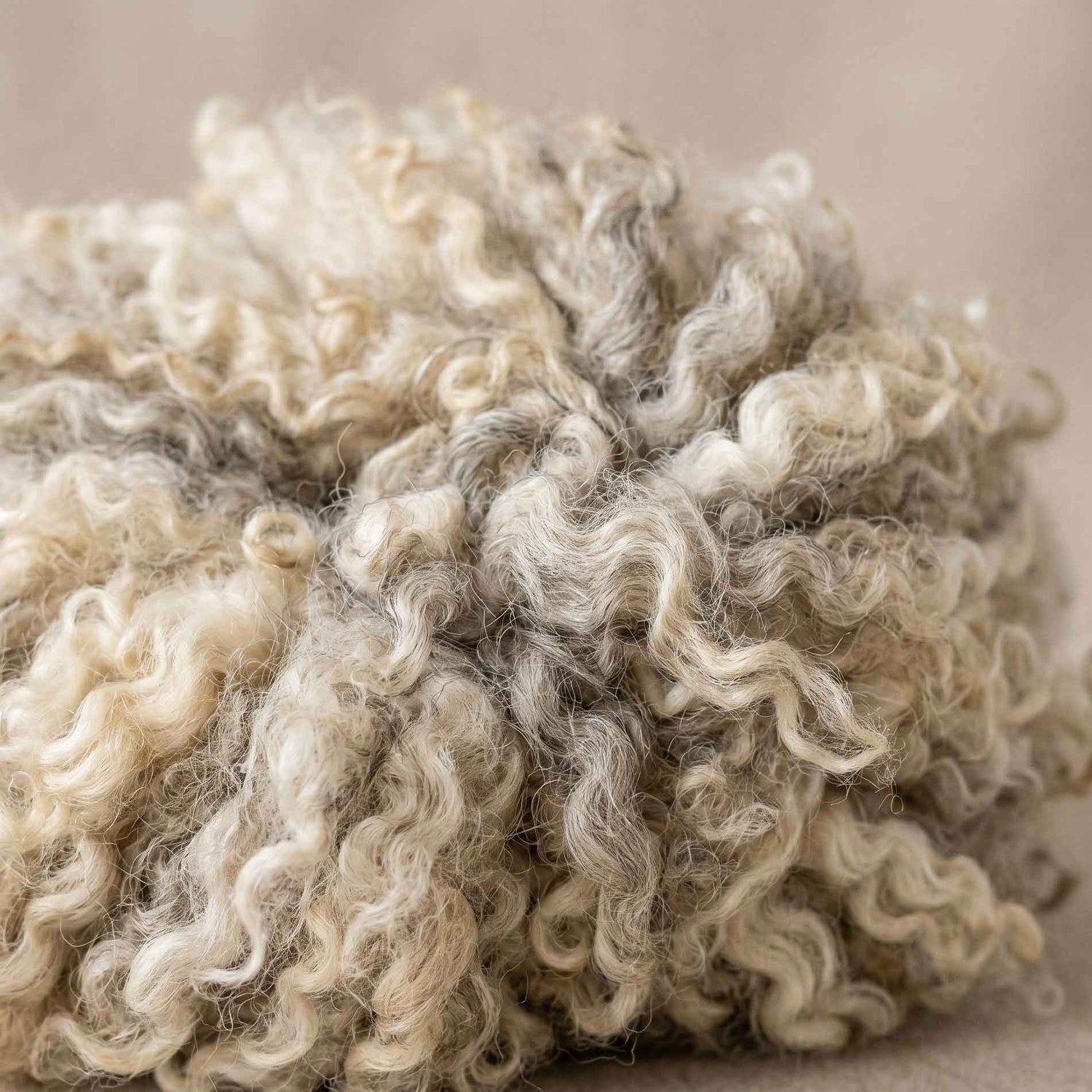
Wool behaves differently from synthetic fibres in ways that matter for sleep. It absorbs moisture up to 30 percent of its own weight without feeling wet, releasing it gradually rather than holding it against the body. It responds to temperature dynamically, providing insulation in cool conditions and moisture management in warm ones. These are the properties that make wool useful as a mattress cover material: it works with the body's own temperature regulation rather than overriding it.
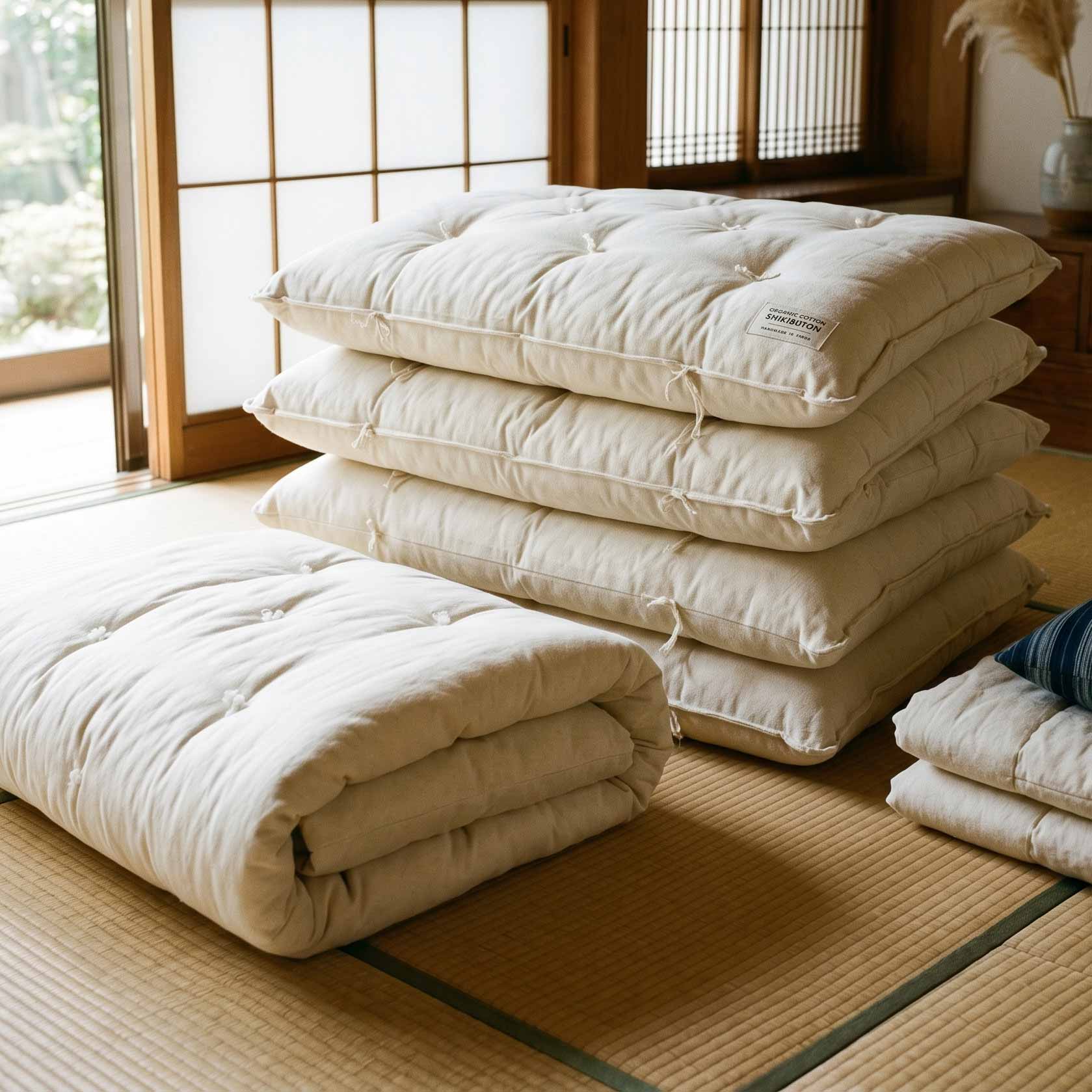
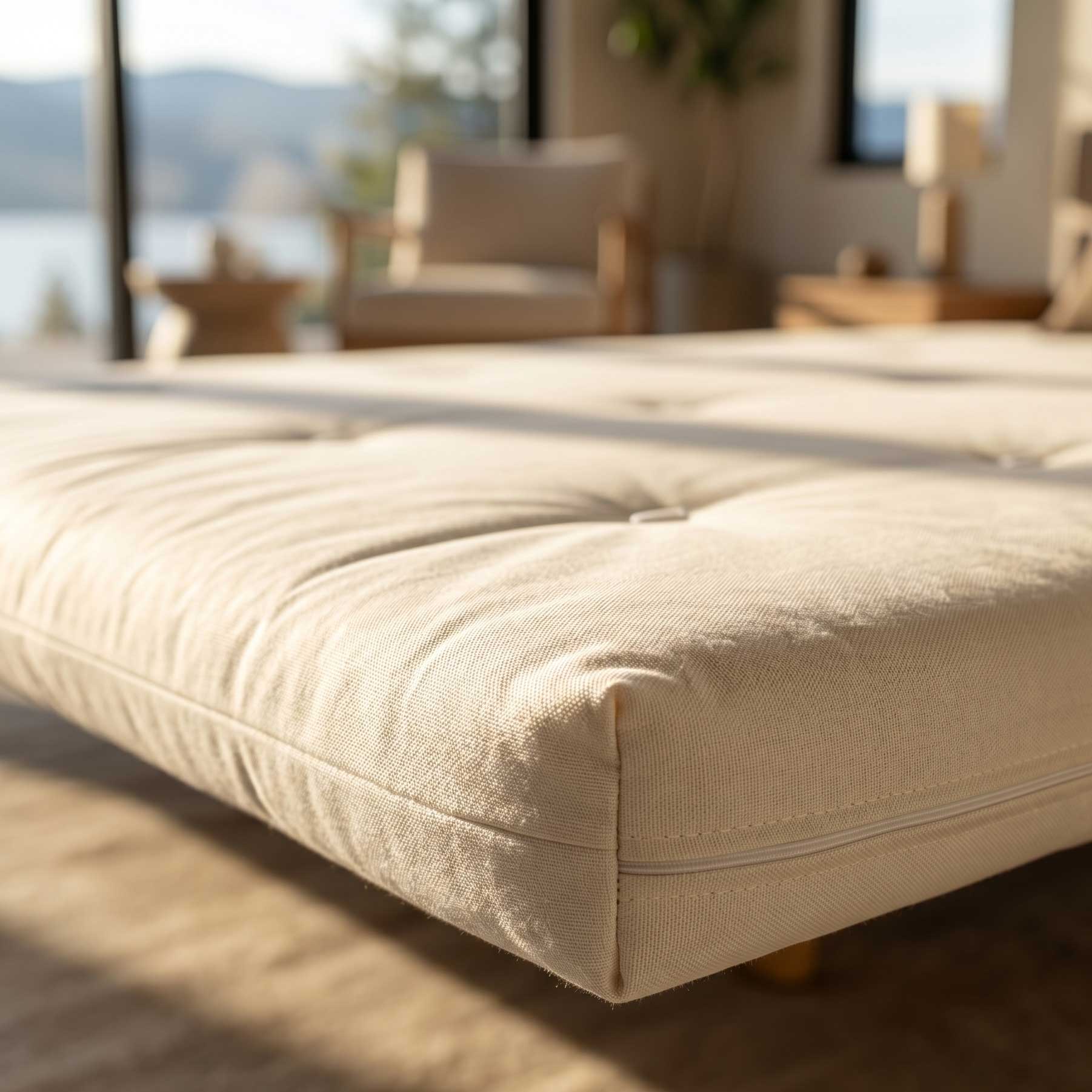
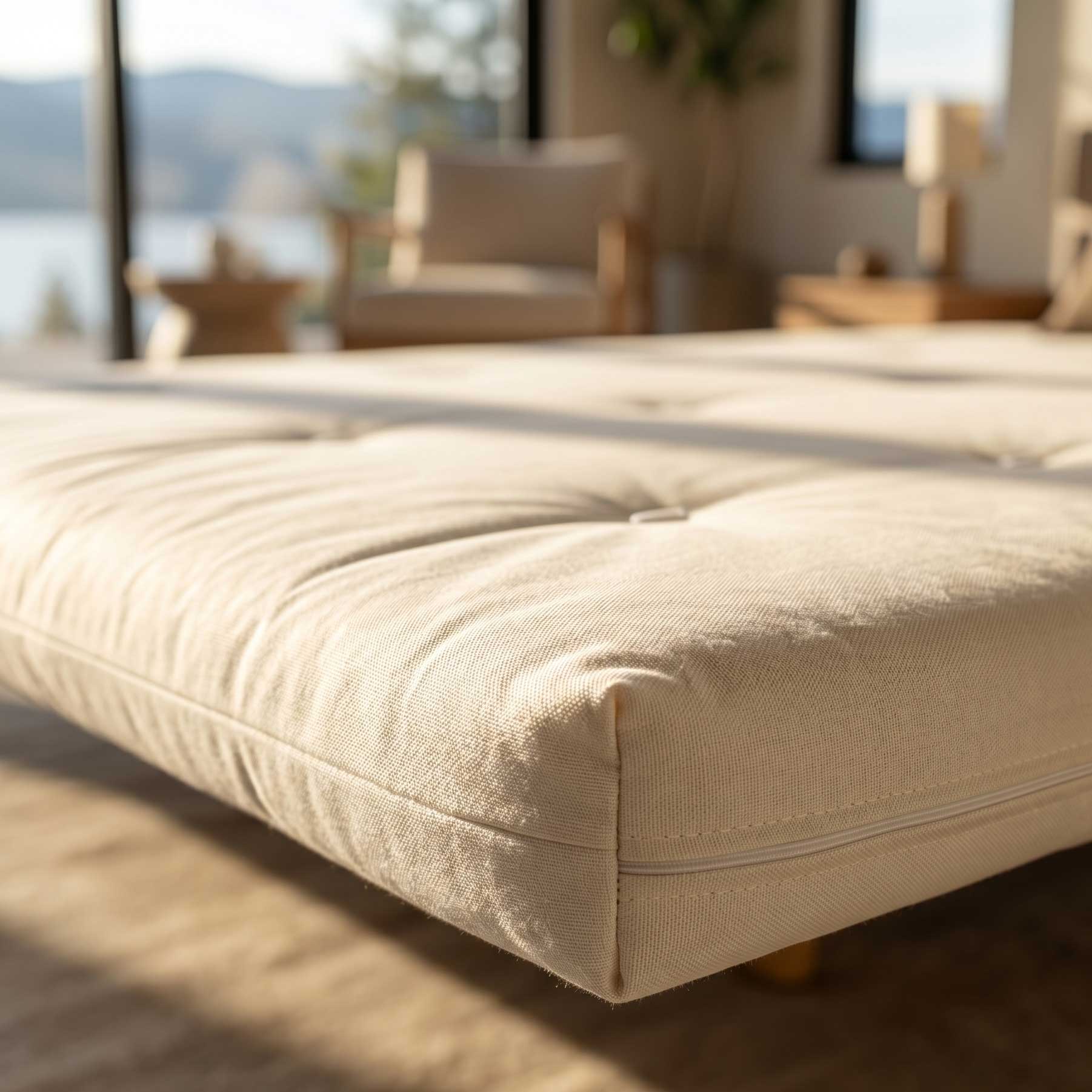
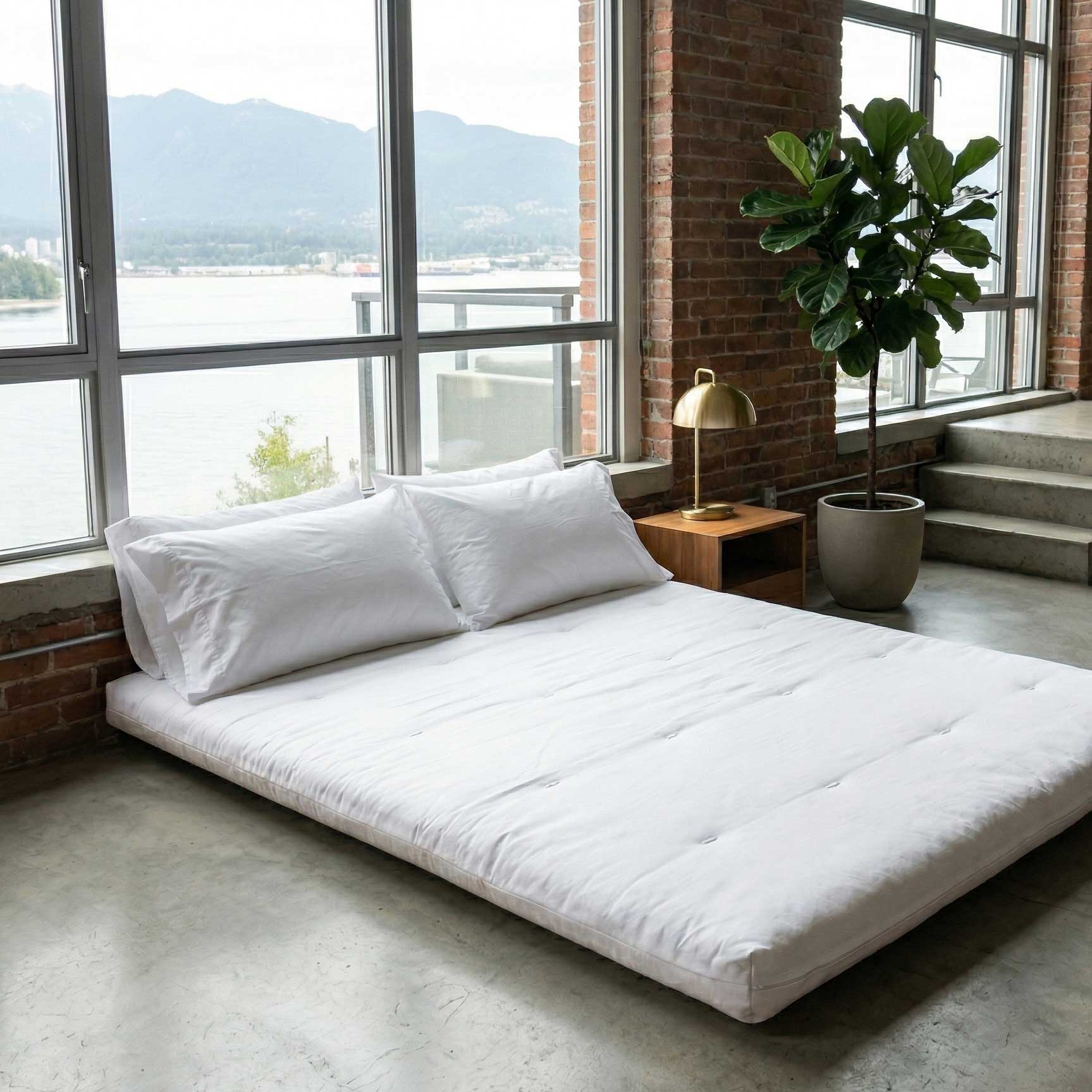
The organic cotton used in futon mattresses and mattress covers comes primarily from India and the United States, but follows the same agricultural logic: a material grown and processed to preserve what makes it useful. The cotton batting in a well-made futon mattress is the same raw material that has been used in sleep products across cultures for thousands of years.
Sleeping Through a Maritime Summer
Atlantic Canada's climate creates a specific summer sleep challenge. July nights in Halifax are cooler than inland Canadian cities, with average overnight temperatures in the low to mid teens, but the humidity off the ocean can make a warm night feel warmer than the thermometer suggests. A mattress that holds moisture rather than releasing it makes that worse.
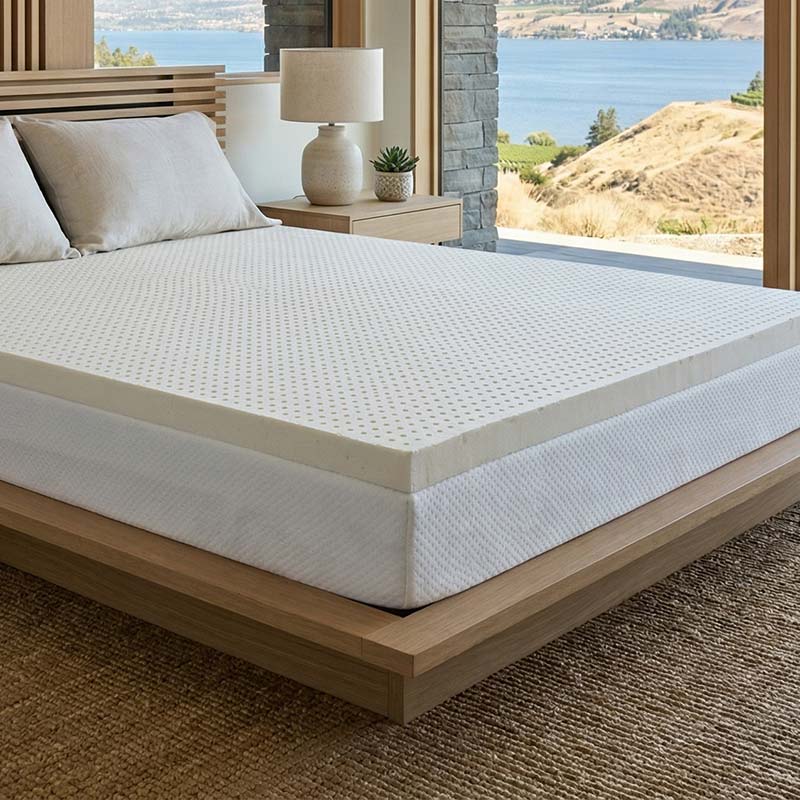
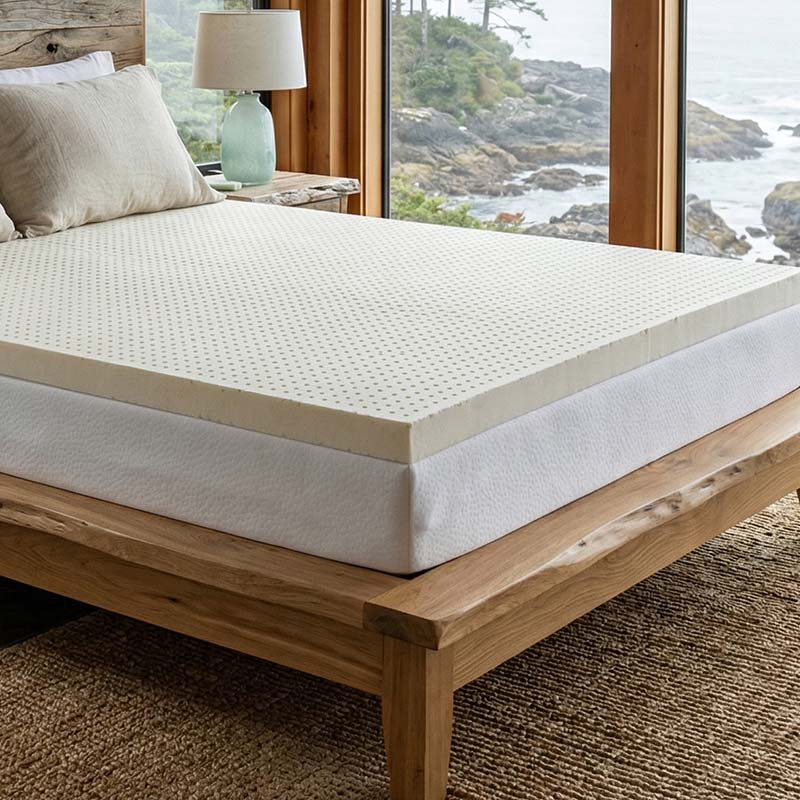
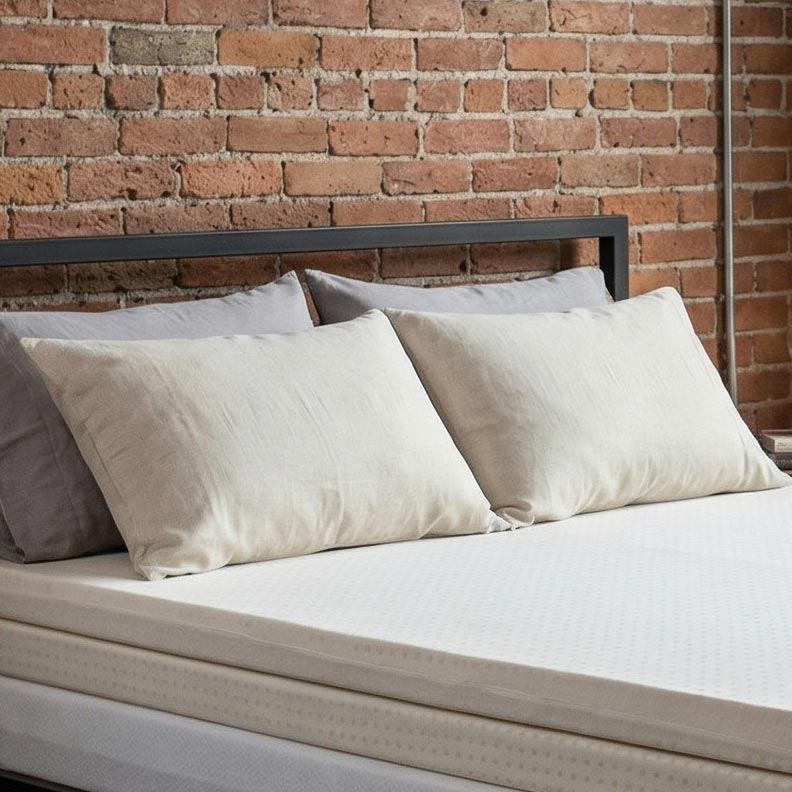
Natural latex handles humidity better than conventional foam because its open-cell structure allows air to circulate rather than trap it. The difference is most noticeable in the first half of the night, when body temperature is still regulated by the surface you are sleeping on. A wool cover adds the moisture-management layer: absorbing and releasing rather than holding, which keeps the sleep surface from becoming the reason you wake up at 3 a.m.
Canada Day is a long day. The parade in the morning, the waterfront in the afternoon, fireworks after dark. The recovery starts the moment you get home.
Frequently Asked Questions
Can I order a latex mattress in Halifax and have it delivered?
Yes. Production takes 3 to 15 business days depending on the current queue, plus freight delivery to most Halifax addresses once shipped. Atlantic Canada transit is typically 5 to 7 business days after the mattress leaves the facility. If you are working around a firm possession date, placing the order a few weeks ahead gives enough buffer. Sleep Majestic can also hold the mattress for longer in case of delays and will confirm the production timeline and shipping date once your order is placed.
Does humidity affect how a latex mattress performs?
Natural latex has an open-cell structure that allows air to move through the foam rather than trapping it, which means it handles humidity better than closed-cell synthetic foams. The cover material also matters: wool absorbs moisture without feeling wet and releases it over time, keeping the sleep surface drier than a synthetic cover in humid conditions. In high-moisture environments, a slatted base that allows airflow underneath the mattress prevents moisture from building up against the bottom of the latex, which is the main risk in humid climates.
What is the difference between Dunlop and Talalay latex for someone buying without trying it first?
Dunlop latex has a more supportive feel throughout the layer and is slightly denser than Talalay at the same firmness rating. Talalay has a more consistent, pressure-relieving feel and is generally softer at the same ILD number. For back sleepers buying without a showroom visit, Dunlop in a Medium or Firm is the lower-risk choice: it provides full-body support without the risk of sinking too far. Side sleepers and those with shoulder or hip pressure sensitivity tend to do better with a Talalay comfort layer or a softer Dunlop. A phone fitting covers this in 30 minutes and makes the decision straightforward.
Sleep Majestic makes handmade organic latex mattresses in BC and ships across Canada, including Atlantic Canada. Phone fittings are available if you want to work through options before ordering. Book online or call 1-866-590-2228.