


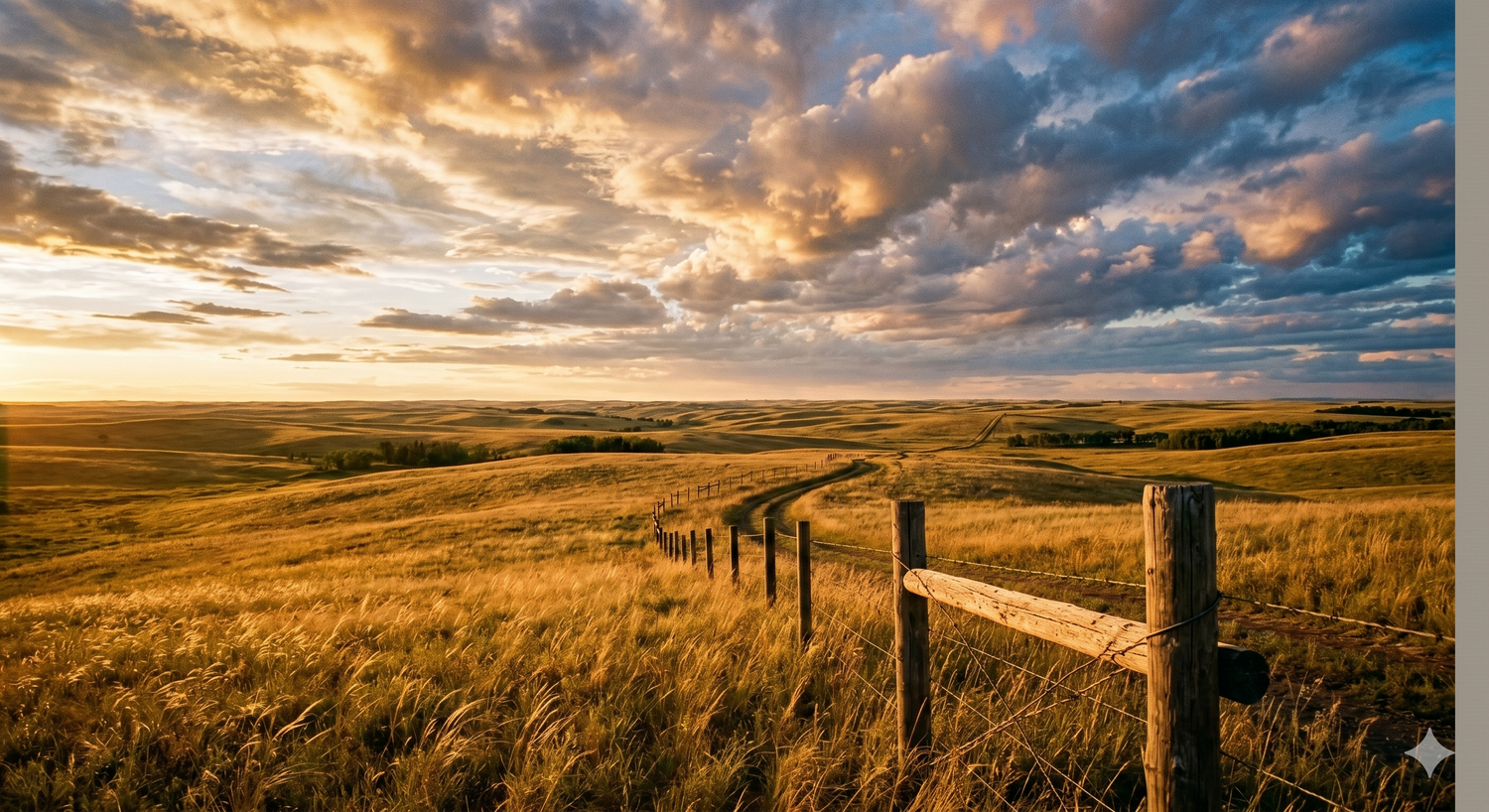
The Calgary Stampede runs July 3 to 12, 2026, at Stampede Park. Ten days of rodeo, chuckwagon racing, livestock competitions, live music, and an evening show that's been filling the GMC Stadium for generations. Attendance reached over 1.4 million in 2025. The 2026 edition marks the latest chapter of an event whose roots go back to an 1886 agricultural fair.
That agricultural origin isn't incidental. The Stampede exists because ranching and farming built Alberta, and the people who built it wanted a place to celebrate what they'd done. The rodeo events — saddle bronc, bull riding, barrel racing, steer wrestling — are the competitive expression of skills that had practical value on working ranches. The livestock competitions are the same.
What the Event Actually Is
The Calgary Stampede is an agricultural fair that became a rodeo that became a festival. Those three things still coexist at Stampede Park, and understanding all three changes what you pay attention to during the ten days. The rodeo is the competitive core: the world's largest outdoor rodeo, with top athletes competing across six events every afternoon at 1:30 p.m. The evening show adds chuckwagon races and concerts. The exhibition side includes livestock competitions, agricultural displays, and the midway.
Alanis Morissette headlines the Scotiabank Saddledome on July 11. The free outdoor stages run across all ten days with no additional ticket beyond park admission. The Stampede manages the combination of elite athletic competition and accessible public entertainment better than most events of this scale.
The Stampede also formally recognises the role of Treaty 7 First Nations in the event and the region. Indigenous people have been central to the history of the Calgary Stampede since its earliest editions, and the 2026 program continues that acknowledgement through dedicated cultural programming.
The Ranching Heritage and What It Produced
Alberta ranching developed specific practices around specific conditions: cold winters, dry summers, a short growing season, and a grassland ecosystem that supported large-scale livestock operations. The wool clip from Alberta sheep was, for most of the twentieth century, a significant agricultural commodity. The ranchers who showed their animals at the Stampede's livestock competitions were competing on the quality of animals and husbandry that produced real commercial output.
Wool's properties as a material come directly from those agricultural conditions. A fibre that developed on animals living through Alberta winters is good at thermal regulation not by design but by evolution. That's why wool shows up in everything from industrial insulation to high-performance outdoor gear to mattress covers. The material does what it does because of where it came from.
The same logic applies to the other agricultural materials behind handmade natural mattresses. Cotton comes from farming. Natural latex comes from rubber tree cultivation in equatorial climates, with GOLS-certified organic latex representing the top tier of that supply chain in terms of independent verification. The Stampede is a celebration of the agricultural tradition that produced Western Canada's ranching economy. The raw material chain it honours runs, in parallel, through the supply chains behind any product built on agricultural sourcing.
The Chuckwagon Races and Why They Matter
The Rangeland Derby chuckwagon races are the Stampede's most distinctive event, and the most specifically Western Canadian. The chuckwagon was the mobile kitchen that fed ranch crews during roundup and cattle drives. Racing them is an invention of the Stampede itself, introduced in 1923, and it's the kind of event that doesn't translate cleanly to any other context. Four wagons, four outriders per wagon, a figure-eight start, and half a mile of track.
It's also genuinely fast and genuinely unpredictable. The evening show builds toward the Rangeland Derby races, and the combination of speed, noise, and the specific Western Canadian context of the event is hard to replicate. If you're going to the Stampede and haven't seen the chuckwagons, that's the thing to plan your evening around.
Planning Ten Days or One
The Stampede is designed to work at any scale. Park admission covers the outdoor stages and the midway. Rodeo, evening show, and concert tickets are separate. The afternoon rodeo starts at 1:30 p.m. daily and runs through July 12.
Calgary in early July is warm and long. The city extends the Stampede energy well beyond the park gates: pancake breakfasts run across the city in the mornings, and the neighbourhoods around Stampede Park have a consistent summer-festival pace for the full ten days. If the plan is a day trip rather than a full stay, midweek days are typically less crowded than the opening and closing weekends.
FAQs
What are the Calgary Stampede 2026 dates and what's included in general admission?
The Calgary Stampede 2026 runs July 3 to 12 at Stampede Park in Calgary, Alberta. General park admission includes access to the midway, free outdoor stages, agricultural displays, and the livestock competitions. The afternoon rodeo, evening show with chuckwagon races, and headliner concerts at the Scotiabank Saddledome are ticketed separately. Alanis Morissette headlines the Saddledome on July 11. The park opens daily at 8 a.m. for early-morning pancake breakfasts, with most programming running through the evening.
How far back does the Calgary Stampede's agricultural history actually go?
The Calgary Stampede traces its roots to the Calgary and District Agricultural Show, held in 1886. The modern Stampede format was established by Guy Weadick in 1912, and the event merged with the Calgary Industrial Exhibition in 1923 to form the Calgary Exhibition and Stampede. The chuckwagon races were introduced in that 1923 edition. The agricultural fair origin is still present in the livestock competitions and exhibition displays that run alongside the rodeo and entertainment programming across all ten days.
What does wool production have to do with Calgary Stampede ranching culture?
Alberta sheep ranching produced significant wool output for most of the twentieth century, and livestock competitions at the Stampede historically included sheep alongside cattle and horses. Wool's performance properties, particularly its thermal regulation and moisture management, come directly from animals adapted to cold, dry Western Canadian conditions. That agricultural origin explains why wool is used in high-performance applications from outdoor gear to mattress covers: it does what it does because of where it came from, not because it was engineered to.
Sleep Majestic makes handmade organic latex mattresses in BC using wool covers sourced from the same agricultural tradition the Stampede celebrates. Phone fittings available for Alberta customers by calling 1-866-590-2228.