Temperature is one of the most consistent predictors of sleep quality, and it's one of the areas where the material a mattress is made from has the most direct effect. Most people don't think about their mattress in thermal terms until they've had enough uncomfortable nights to start asking why.
Latex handles heat differently from conventional foam, and the reason is structural. Understanding how it works — and how the cover material either extends or limits that effect — is useful for anyone trying to figure out why their sleep improves or worsens with the seasons, or why a mattress that felt fine in winter is suddenly less comfortable in July.
Why Foam Traps Heat and Latex Doesn't
Conventional polyurethane foam, including memory foam, has a closed-cell structure. The material is made up of cells that are sealed off from each other, which gives it its characteristic feel but also means that air does not move through it easily. Heat from your body accumulates at the surface and stays there.
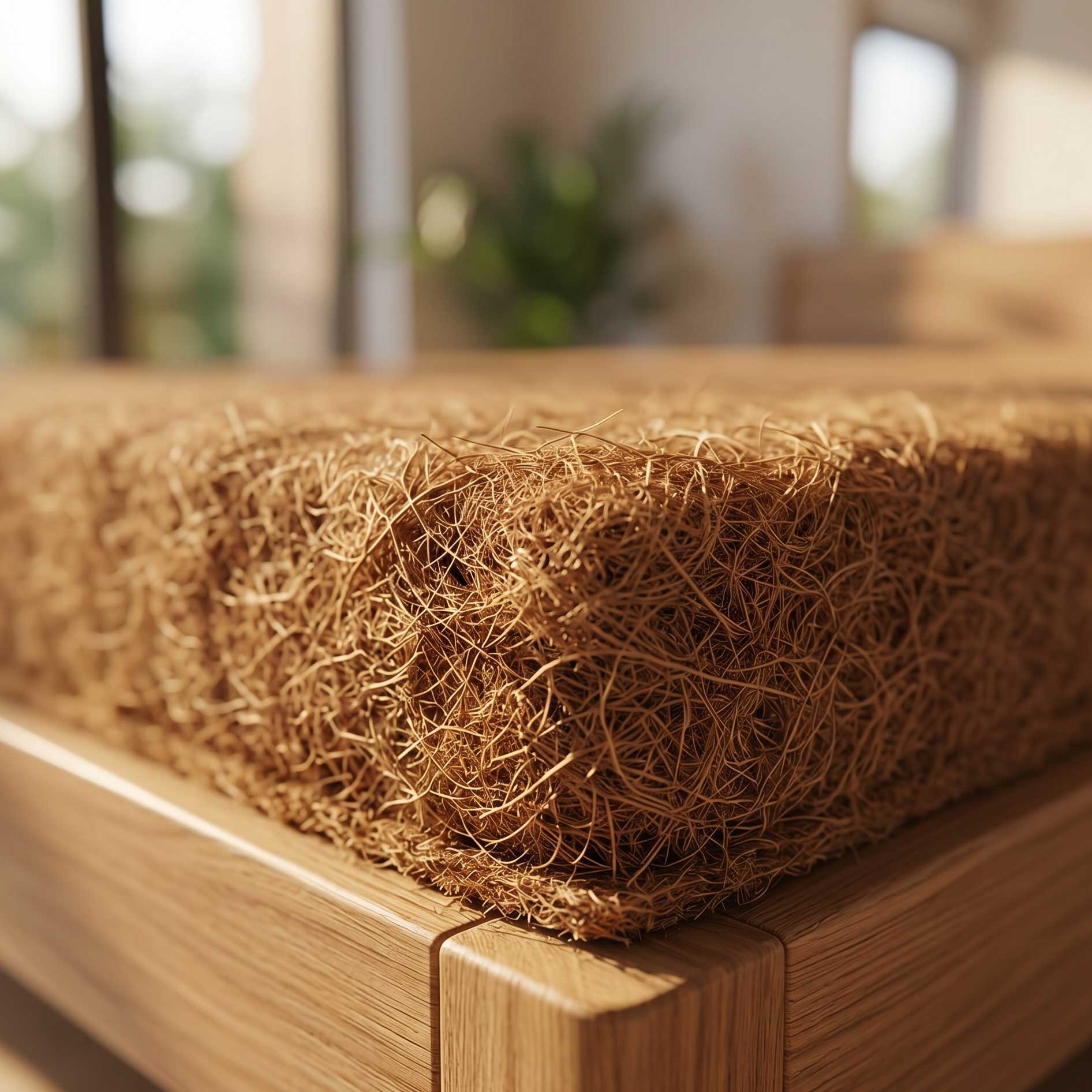
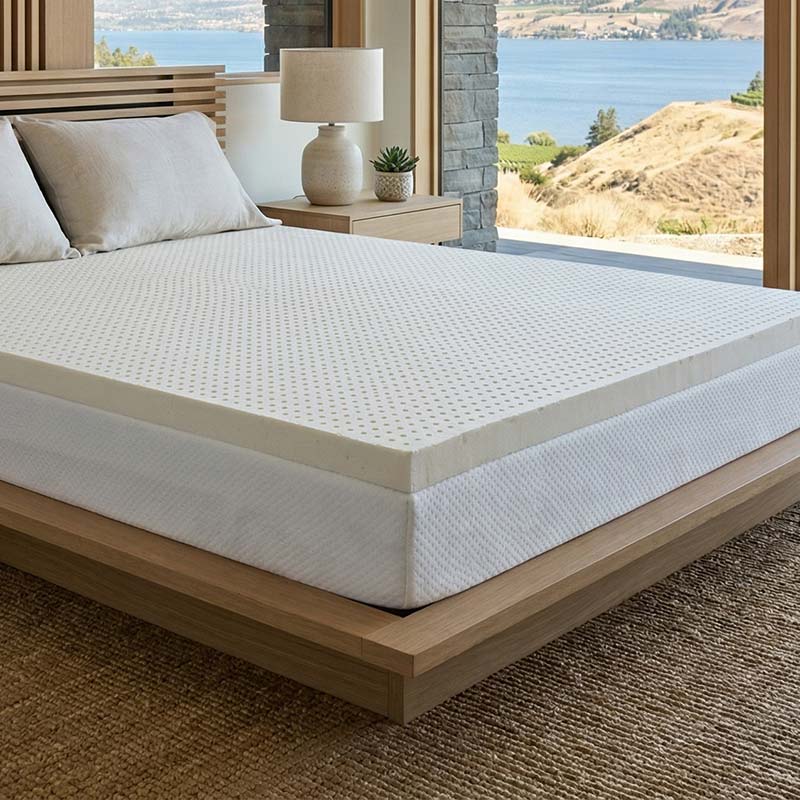
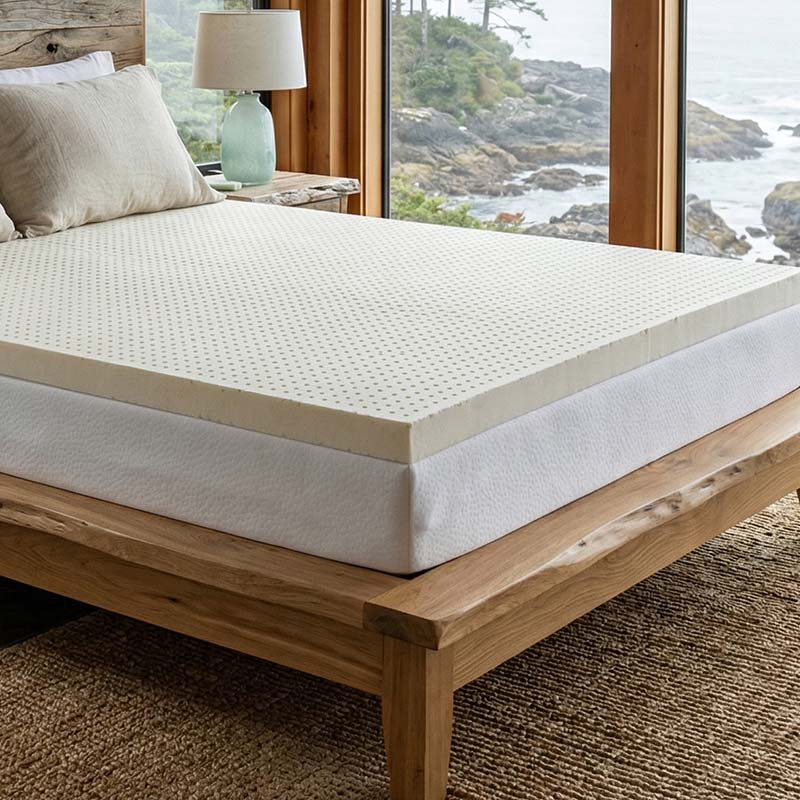
Latex foam, whether processed by the Dunlop or Talalay method, has an open-cell structure. The cells in the latex are interconnected rather than sealed, and the material also contains the pinholes introduced during manufacturing. When you shift position during the night, the compression and release of the latex causes air to move through those channels. It's a passive ventilation mechanism built into the material itself.
This is not a minor difference. It's the reason people who have slept on memory foam for years and then try a latex mattress often notice the temperature change immediately, particularly in the warmer months. The latex isn't actively cooling anything — it's simply not accumulating heat the way closed-cell foam does.
Dunlop and Talalay: Do They Regulate Differently?
Both Dunlop and Talalay latex have open-cell structures, but there are differences in how the cells are distributed through the material. Dunlop processing produces a latex with a slightly denser cell structure toward the bottom of the slab due to the way the rubber compound settles during vulcanisation. Talalay processing uses a vacuum and freeze step that distributes the cell structure more evenly throughout the material.
In practical terms, Talalay tends to have a more consistent feel and slightly more airflow through the full depth of the layer. Dunlop, being denser, holds its structure firmly but has slightly less cell-to-cell connectivity near the base. For most sleepers, this difference is less significant than the cover choice or the firmness configuration — but it's worth understanding if you're deciding between a Dunlop comfort layer and a Talalay one.
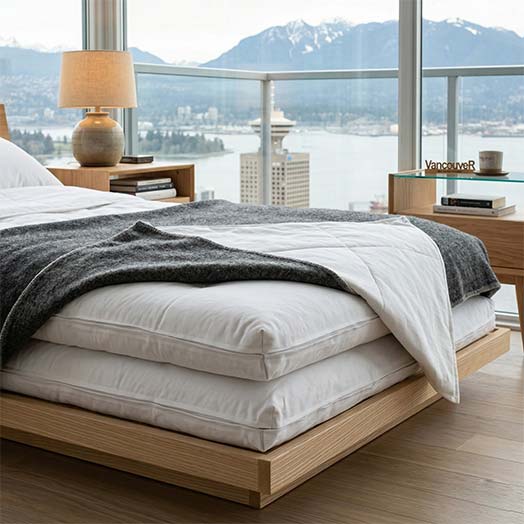
The DIY Dunlop Talalay Hybrid puts a Dunlop base beneath a Talalay comfort layer, which is one reason that configuration appeals to sleepers who want the support of Dunlop with the lighter, more breathable feel of Talalay at the surface.
The Cover Is Where Temperature Regulation Gets Decided
The latex structure creates the conditions for good temperature management, but the cover determines how much of that potential is realised. A cover that traps moisture and heat at the surface cancels out much of the thermal benefit from the latex below it.
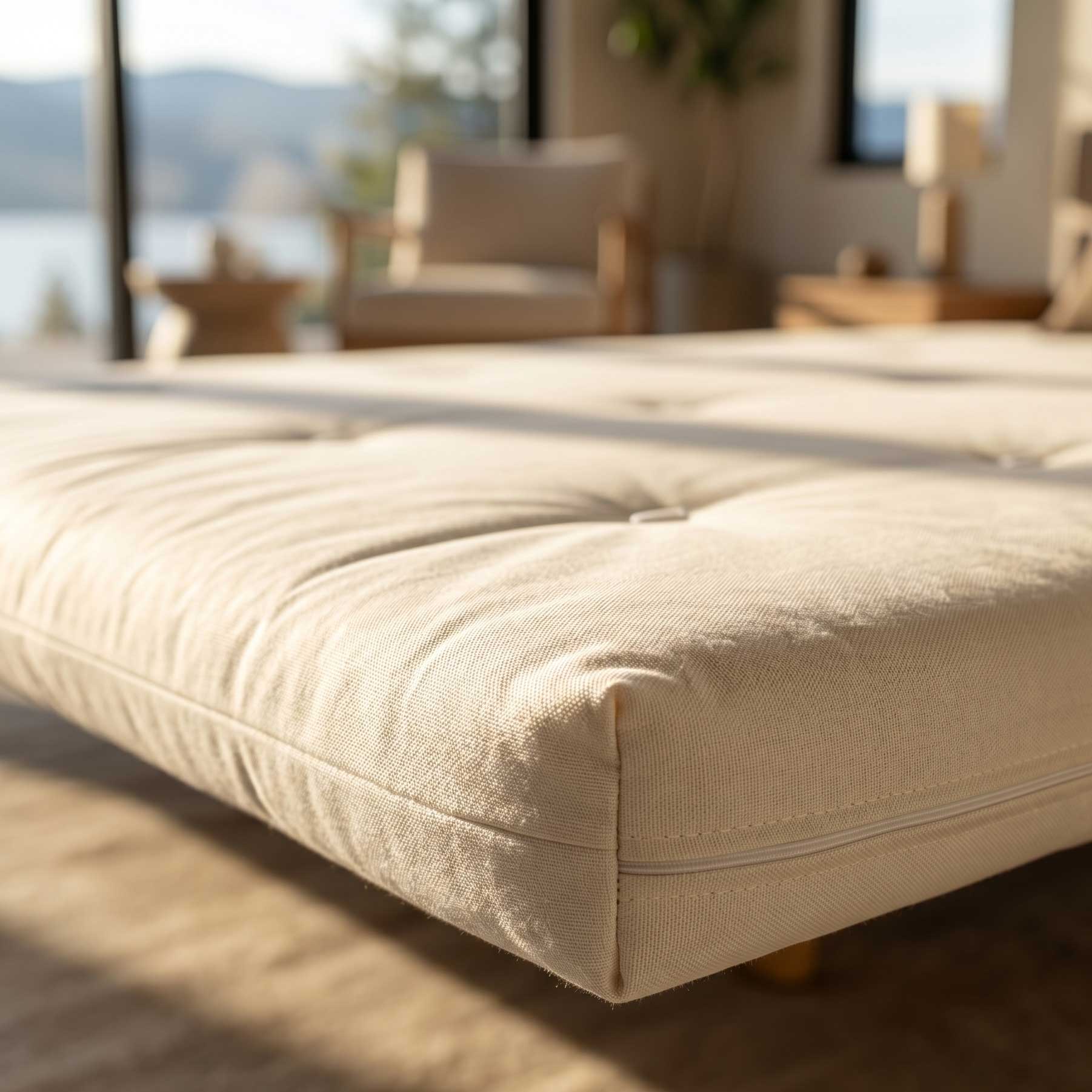
Tencel, derived from wood pulp, is the standard cover on most latex mattress models. It's a moisture-wicking fibre with a smooth surface feel and a slightly cool touch. It moves perspiration away from the skin effectively, which prevents the humid warmth that disrupts sleep. For sleepers in a reasonably temperature-controlled bedroom, Tencel is a strong everyday choice.
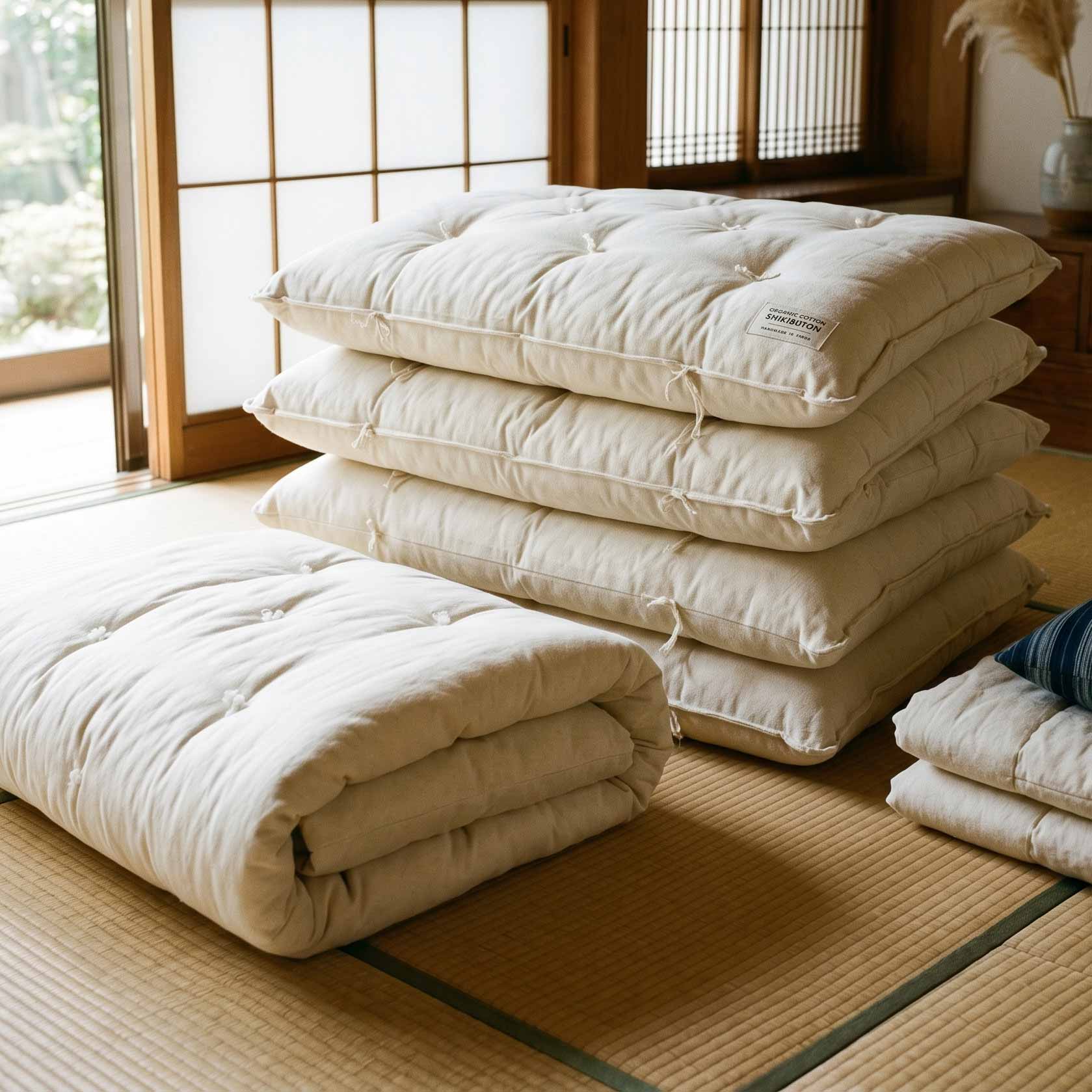
Organic cotton and wool covers work differently. Cotton is breathable and soft against the skin. Wool does the more complex work: it absorbs moisture vapour from the skin and releases it into the air rather than holding it at the surface. Wool fibres compress air in cold conditions and release it as temperature rises. This bidirectional regulation means the wool cover adjusts to conditions rather than performing well only in a narrow temperature range.
The organic cotton and wool cover is an upcharge on most latex mattress models and is not listed online — it requires contacting Sleep Majestic directly to arrange. For people who sleep hot across seasons, or who live in homes without air conditioning and experience wide temperature variation between winter and summer, it's worth the conversation.
Firmness, Body Weight, and Heat Build-Up
There's a firmness dimension to temperature regulation that doesn't come up often. When a mattress is too soft for a given sleeper's weight, the body sinks deeply into the surface material. That creates more contact area between the body and the mattress, which increases heat transfer. It also reduces the airflow around the torso and hips.
A mattress that's appropriately firm keeps the body riding on the surface rather than sinking into it. The contact area is smaller, more of the body's heat disperses into the air rather than into the mattress, and the latex's ventilation mechanism works as designed. This is one reason that firmness configuration matters for temperature regulation, not just for spinal alignment.
Heavier sleepers and those who sleep hot tend to benefit from a slightly firmer comfort layer than they might initially choose. The layer exchange program allows that adjustment after the fact — if the initial configuration is too soft and the mattress is sleeping warm, the comfort layer can be swapped for a firmer one without replacing the whole mattress.
Canadian Winters and the Case for Year-Round Natural Materials
Most of the conversation around mattress temperature focuses on sleeping hot. But Canadian winters present the other side of the problem. Bedrooms in houses with poor insulation or intermittent heating can drop significantly overnight, and a mattress that manages heat too aggressively becomes a liability when the room is already cold.
This is where wool's bidirectional regulation becomes most relevant. It doesn't just prevent overheating — it contributes to warmth when the environment is cool. The same fibre structure that releases moisture and heat in summer traps air against the body in winter. Natural materials that modulate rather than simply wick or insulate tend to perform across the full Canadian temperature range in a way that single-function materials don't.
Latex itself doesn't change its thermal properties significantly between seasons. The open-cell structure ventilates regardless of ambient temperature. What changes is how much you want that ventilation — which is another argument for a cover that can respond to conditions rather than treating every night the same.
A latex mattress configured for your sleep position and body weight, with a cover material suited to your thermal preferences, is the foundation that most sleep optimisation protocols skip past. Sleep Majestic works through that configuration layer by layer during a fitting. Book in person or by phone at sleepmajestic.com/pages/delta-latex-mattress-store or 604-731-8226.
Frequently Asked Questions
Why does a latex mattress sleep cooler than memory foam?
Memory foam is a closed-cell material: the cells within it are sealed off from each other, so air does not circulate through the material easily. Heat accumulates at the surface and stays there. Latex foam has an open-cell structure with interconnected cells and manufacturing pinholes throughout. When you shift position, the compression and release of the latex moves air through the material passively. This ventilation mechanism is built into the structure of the latex itself, not added through a gel layer or cover treatment. It's why the temperature difference between the two materials tends to be noticeable rather than marginal.
Does the cover material make a significant difference to how warm a latex mattress sleeps?
Cover material is the most direct point of contact between the body and the mattress, so it has a large effect on the sleep surface temperature. Tencel is a moisture-wicking fibre that moves perspiration away from the skin and has a cooler tactile feel. Organic cotton and wool covers regulate differently: wool absorbs moisture vapour and releases it into the air rather than holding it, and the fibre structure responds to both warm and cool conditions. For sleepers dealing with temperature variation across seasons, the wool cover addresses a wider range of conditions than Tencel alone. Cover choice is worth discussing during a fitting because the right option depends on the bedroom environment, not just personal preference.
Can changing the firmness of a latex mattress help with sleeping hot?
Yes, indirectly. When a mattress is too soft for a given body weight, the sleeper sinks more deeply into the surface material. That increases the contact area between the body and the mattress, which raises heat transfer and reduces airflow around the torso and hips. A firmer comfort layer keeps the body riding higher on the surface, reducing contact area and allowing the latex's open-cell ventilation to work as designed. If a latex mattress is sleeping warmer than expected, it's worth assessing whether the comfort layer firmness is the right match for your weight and sleep position before assuming the material itself is the problem.