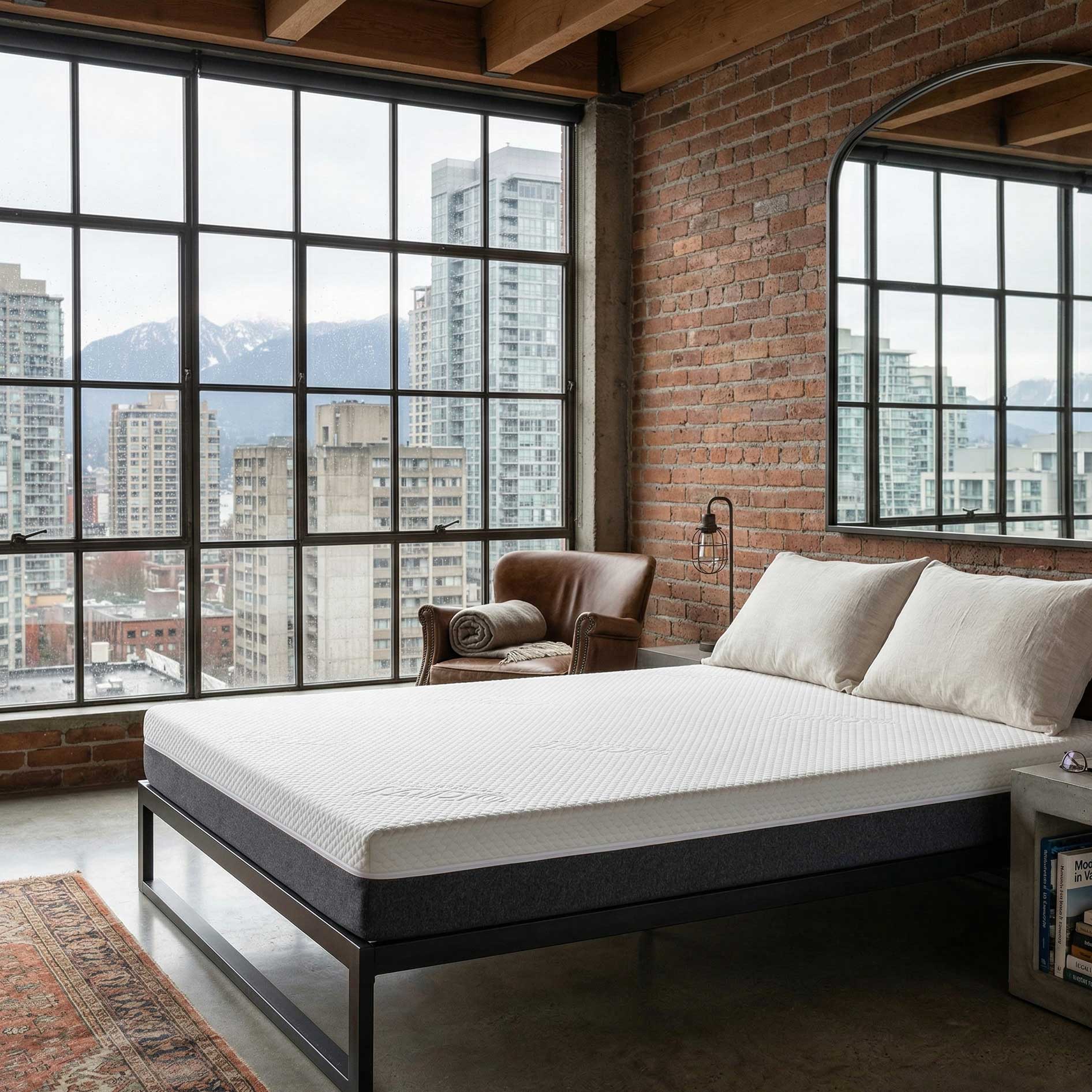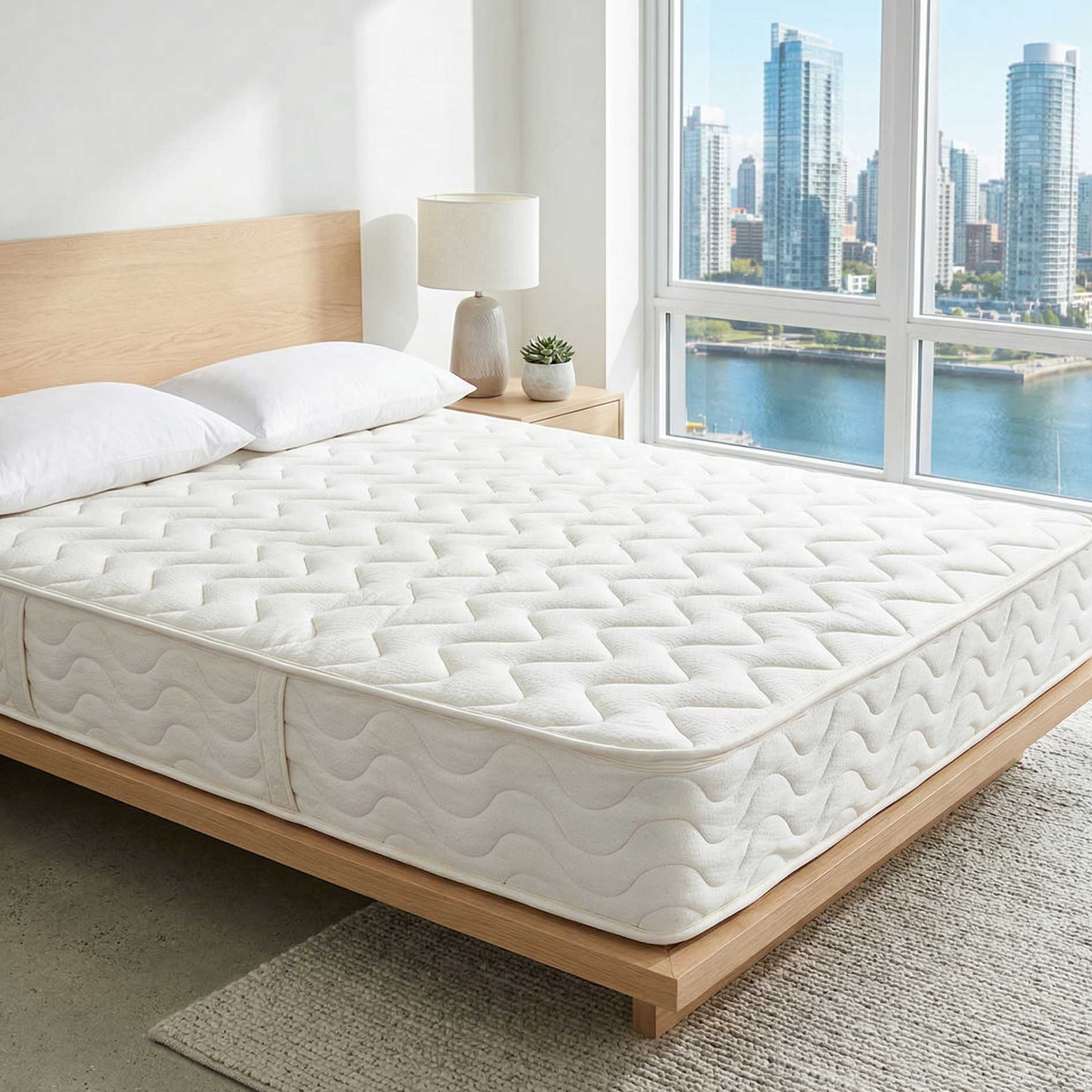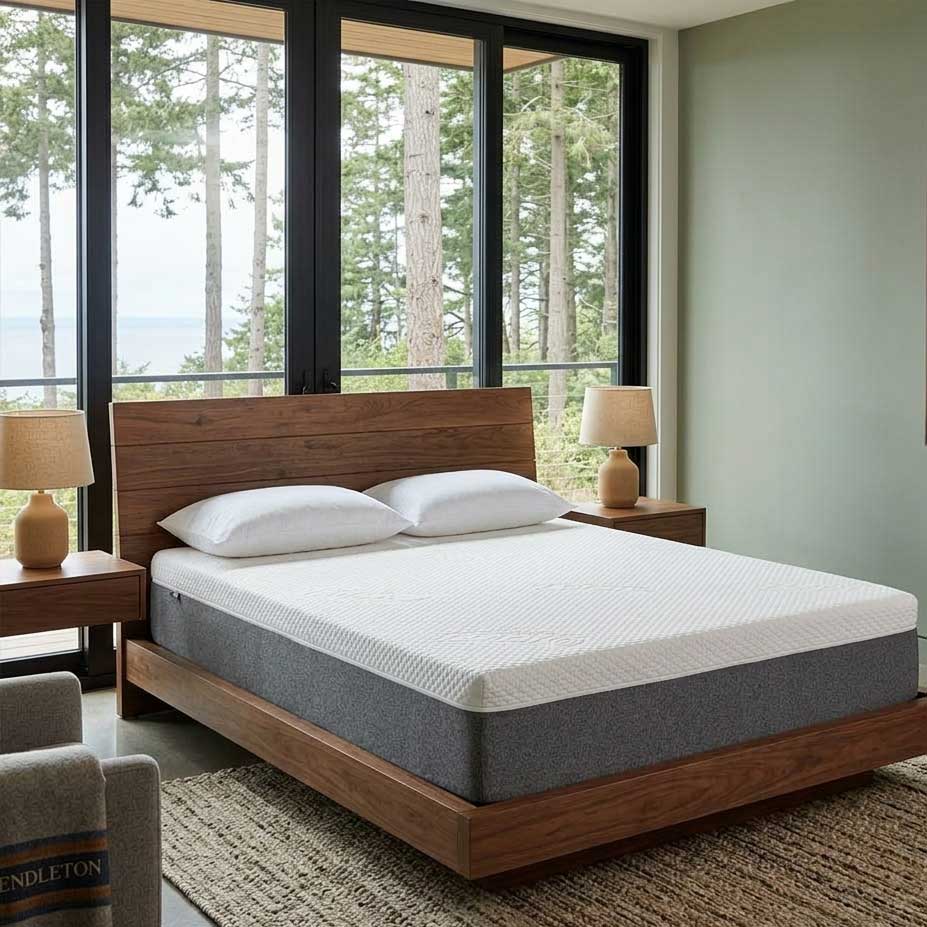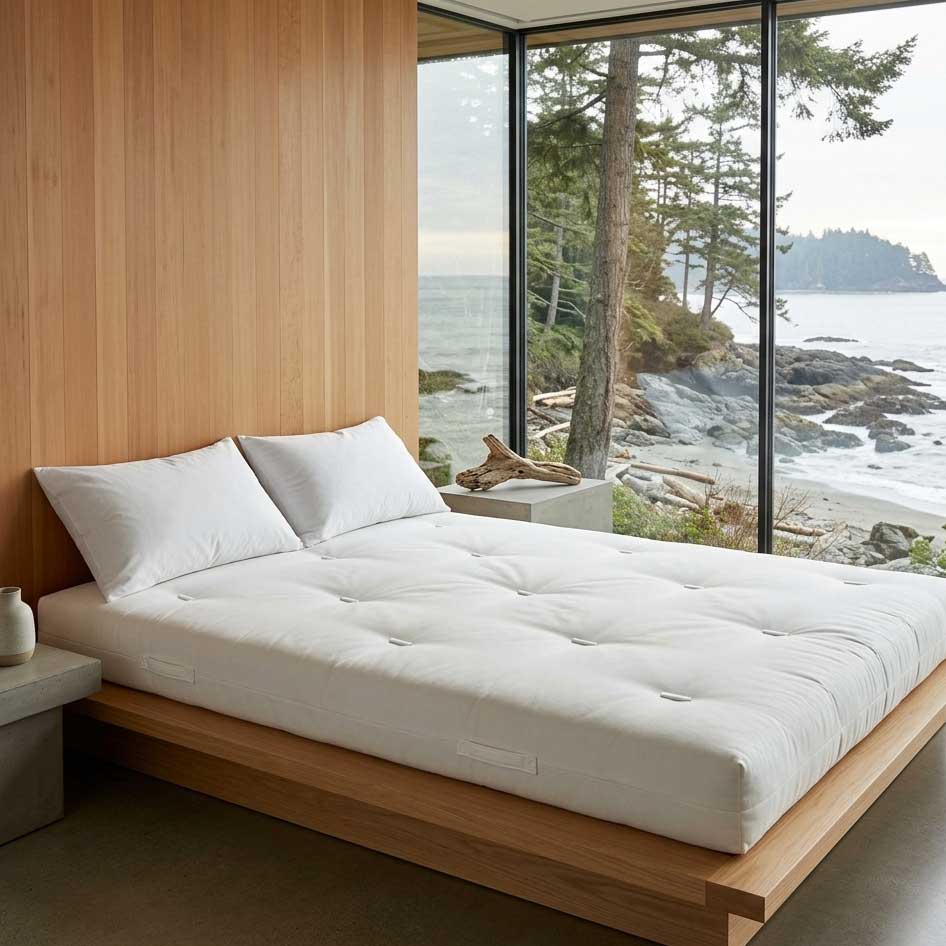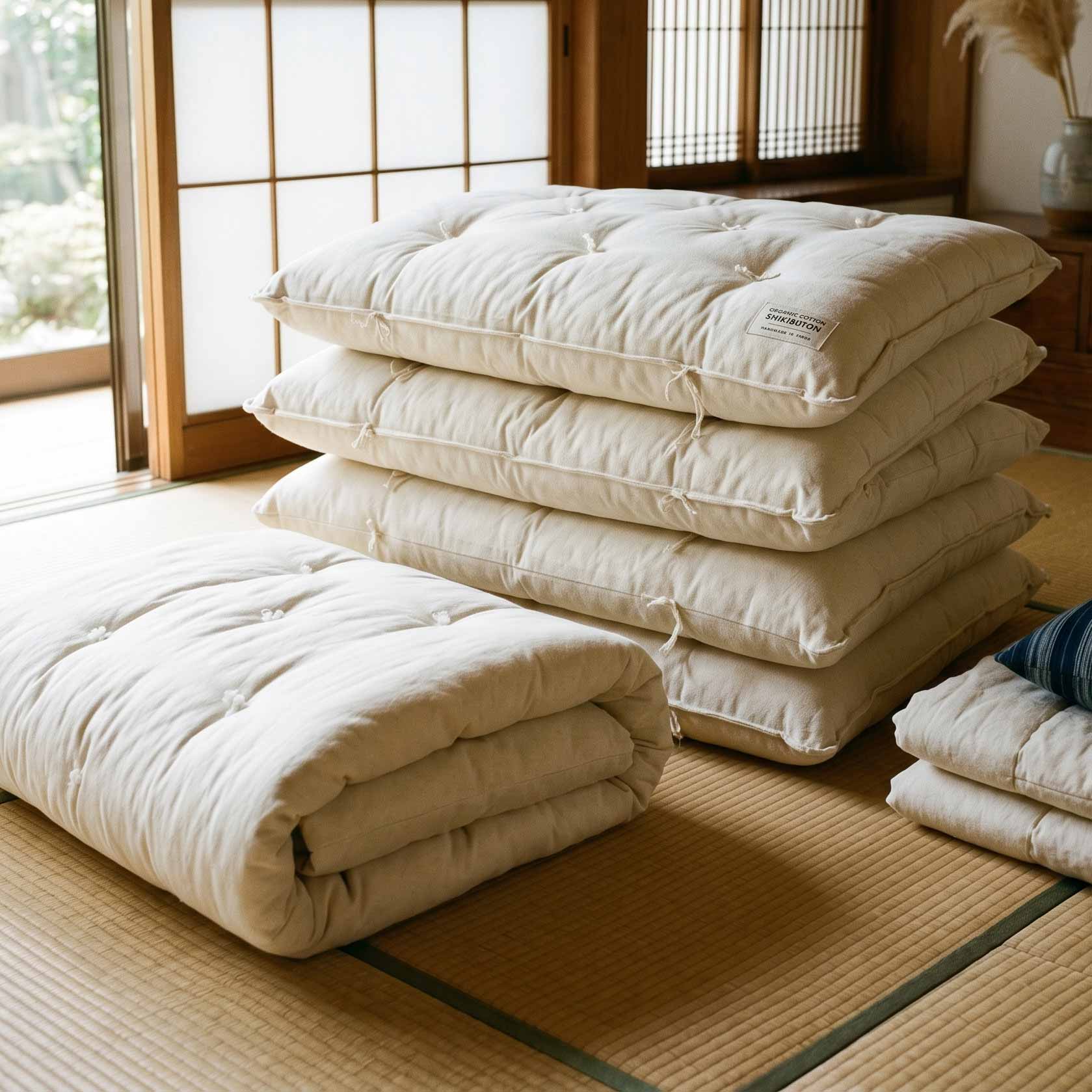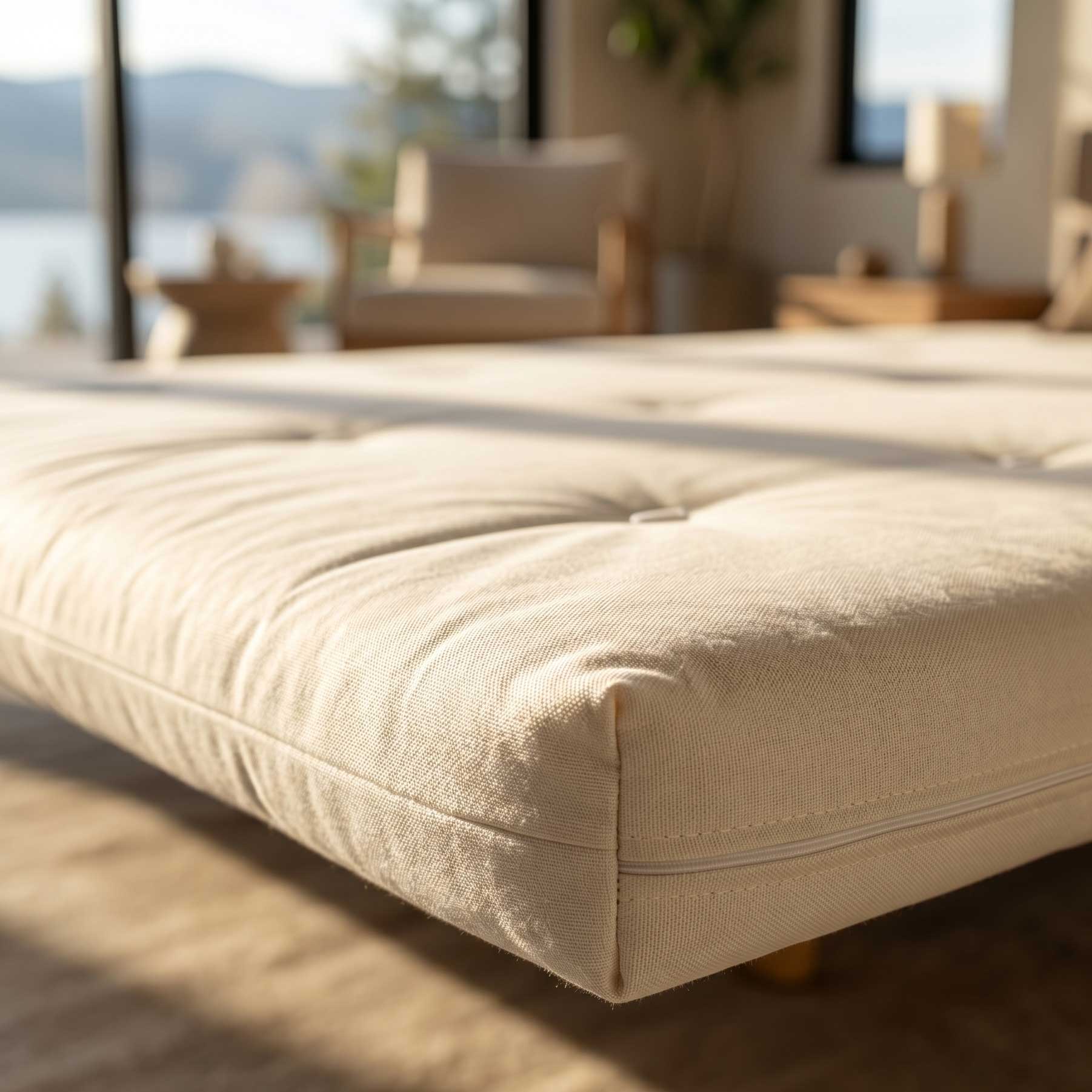
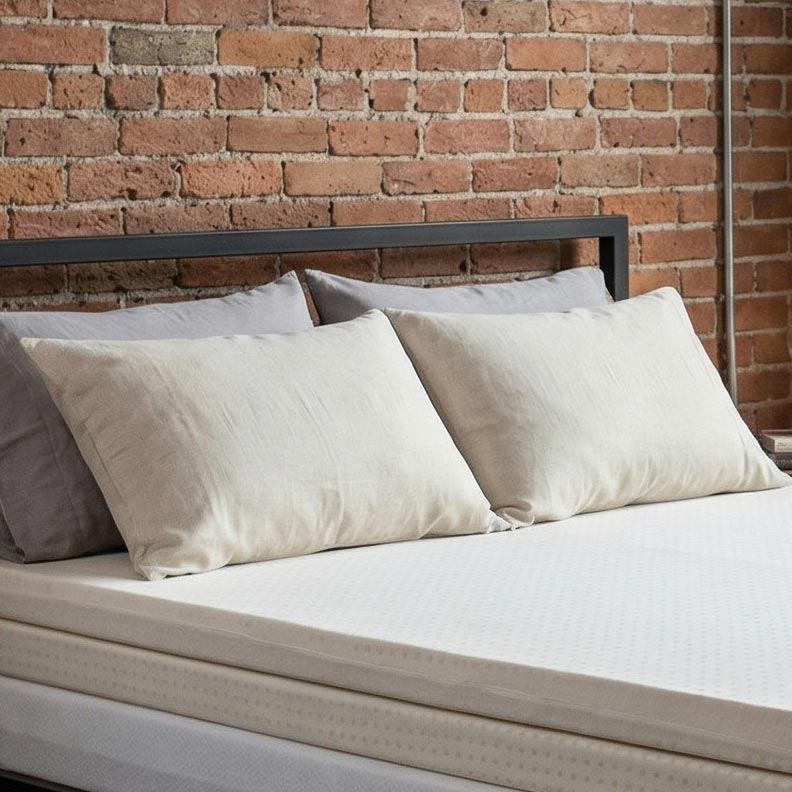
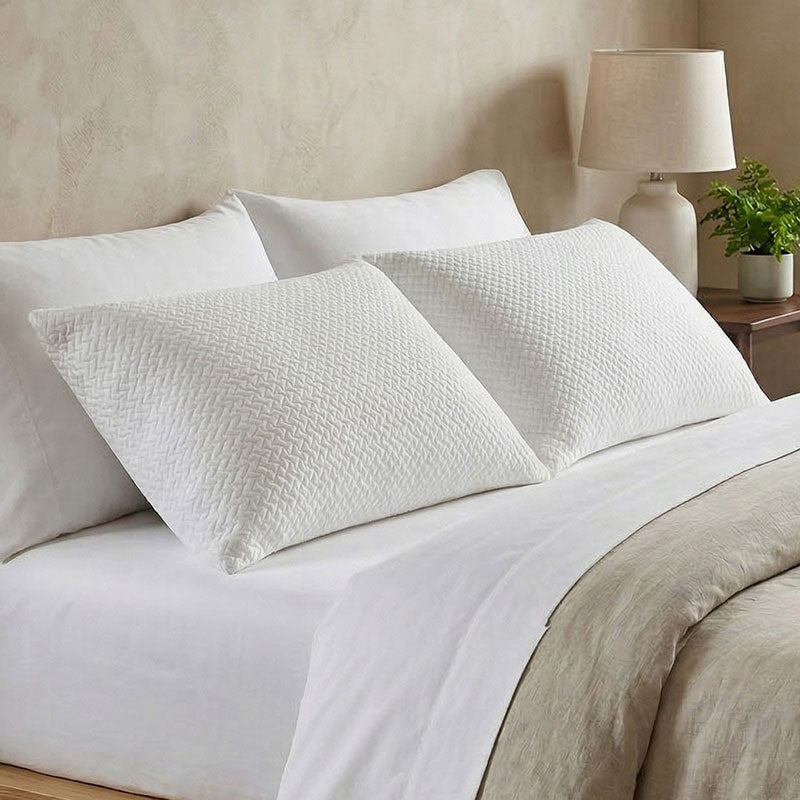
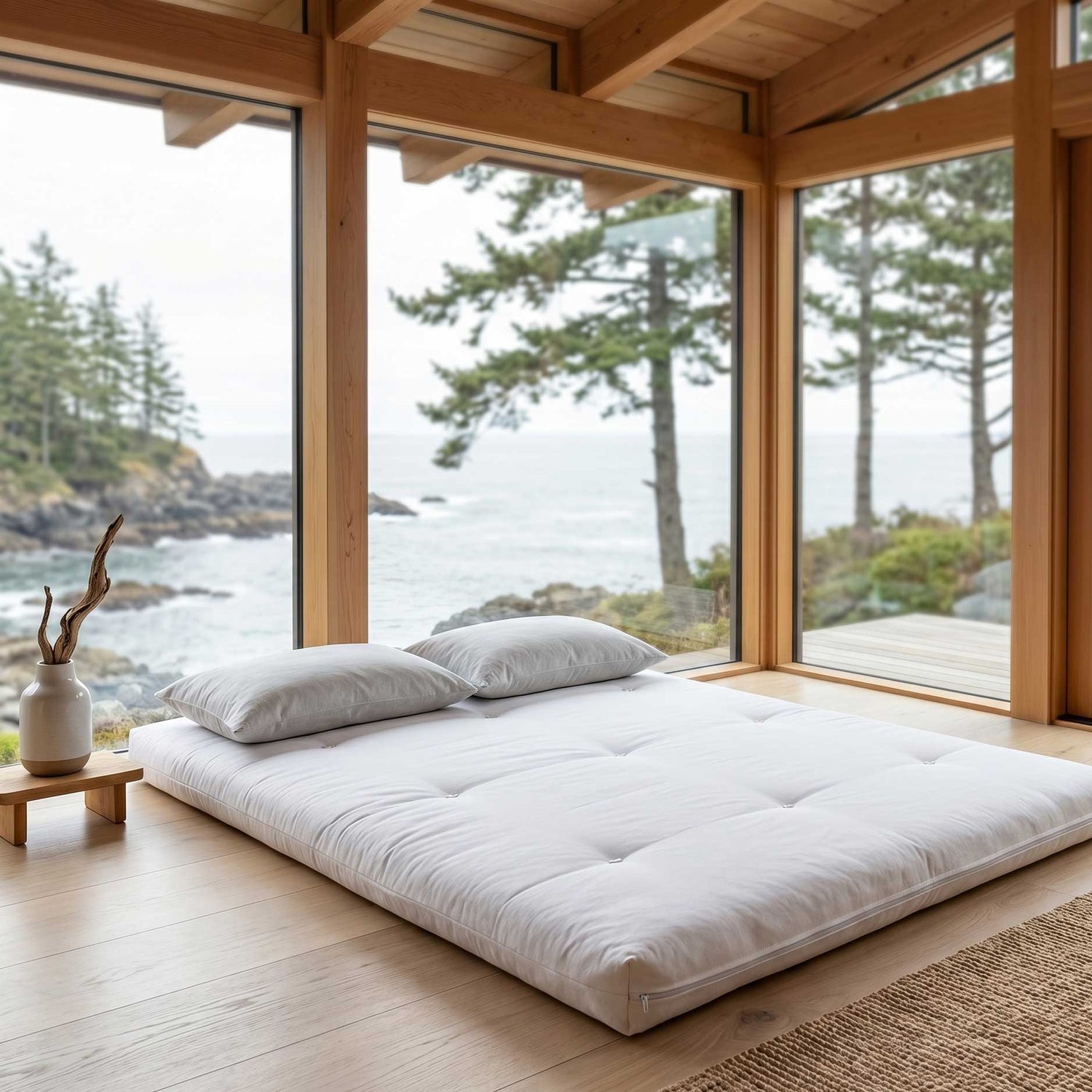
A shikibuton is a Japanese-style floor mattress, typically 3 to 5 inches thick, designed for sleeping directly on the floor or on a tatami mat. It's the traditional sleeping surface in Japanese homes and has been in use for centuries. The name comes from the Japanese words for spreading (shiki) and futon (buton).
In Canada, shikibutons appeal to a specific group of buyers: people who prefer floor sleeping for posture or lifestyle reasons, those setting up a flexible guest space without a dedicated bed frame, minimalist households, and parents who want a portable, practical mattress for kids. Sleep Majestic makes two models: the Cotton Shikibuton and the Latex Shikibuton.
The Cotton Shikibuton
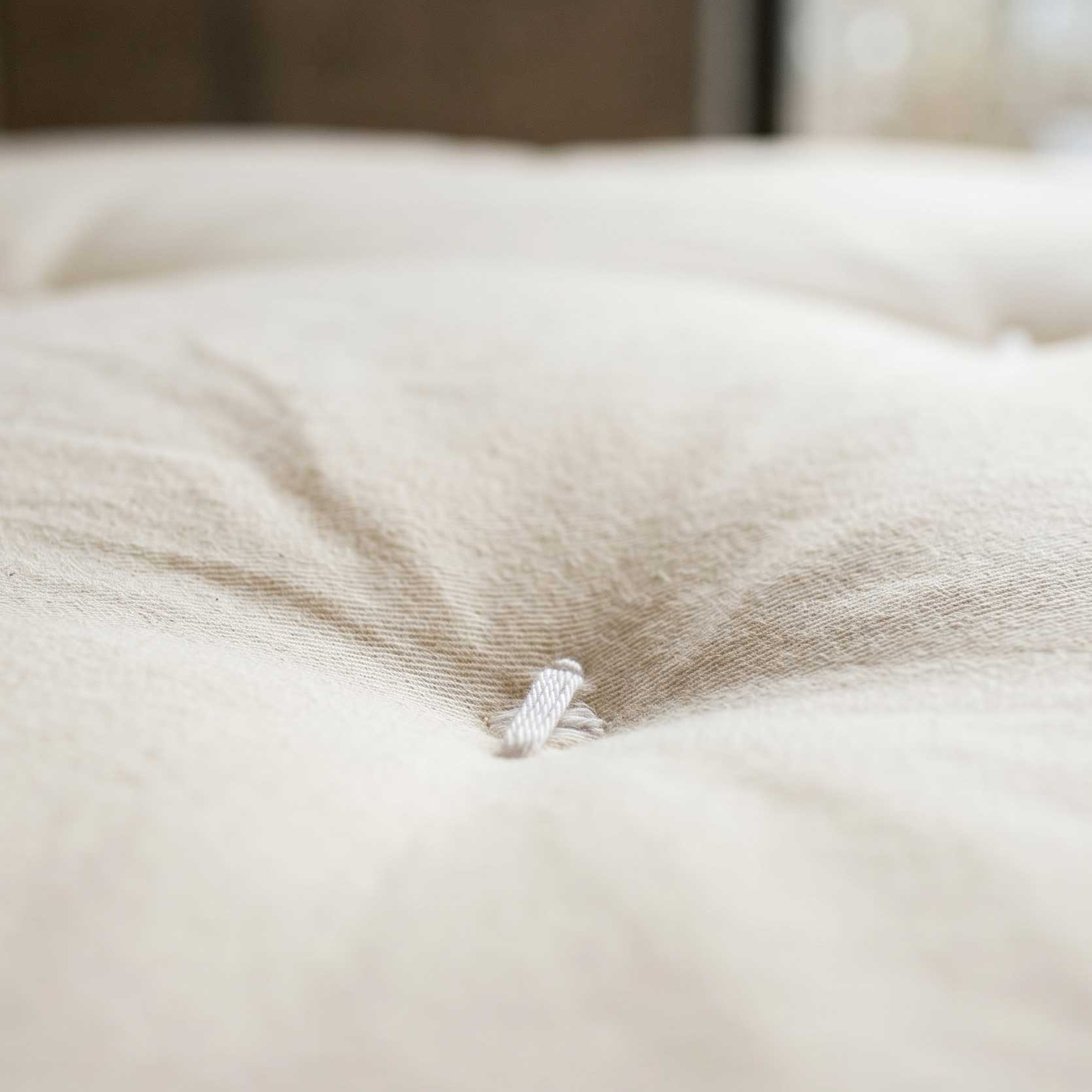
The Cotton Shikibuton is built from all-cotton batting with wool batting layers for natural fire protection, finished in an organic cotton outer cover. No foam, no latex. It's Extra-Firm by the nature of its thin, all-cotton design, which uses the floor itself as the primary support surface. That makes it well suited to back and stomach sleepers, and not a good fit for side sleepers who need more give at the shoulder and hip.
It's available up to Queen size. No King. It's not compatible with futon frames, which are designed for mattresses that fold between sofa and bed positions. It carries no GOLS certification because it contains no latex.
The Latex Shikibuton
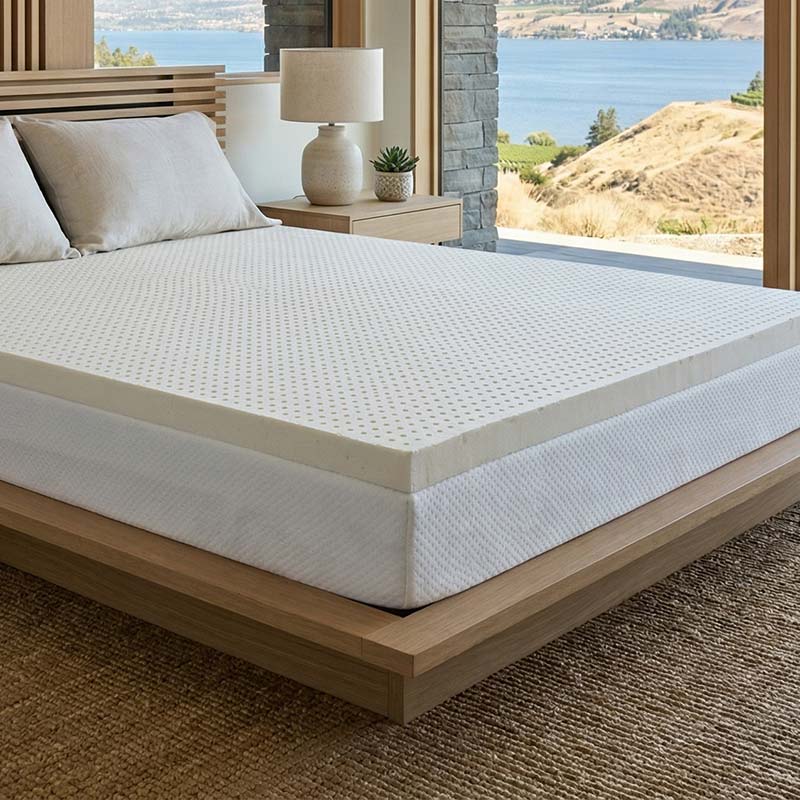
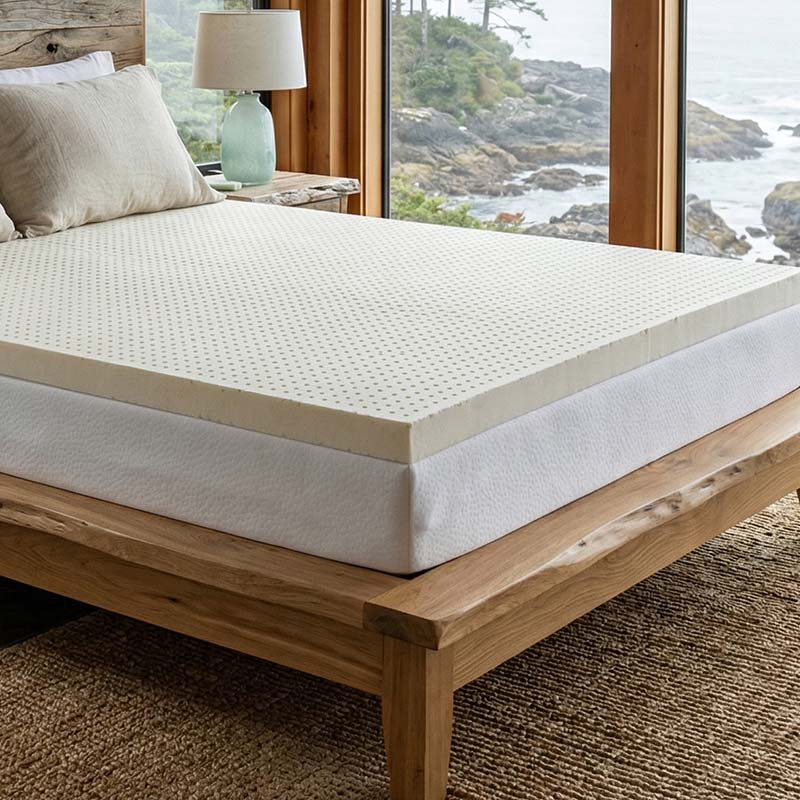
The Latex Shikibuton takes the Cotton Shikibuton as its base and adds a 2" GOLS-certified Dunlop latex comfort layer on top. The overall character is still Extra-Firm, still a floor mattress, but the latex adds resilience and slows the body impression that develops in cotton-only mattresses with regular use. It carries GOLS, Eco-Institut, and Oeko-Tex certification on the latex layer.
Like the Cotton Shikibuton, it suits back and stomach sleepers and is not compatible with futon frames. Available up to Queen size, 2-year warranty.
Care and Daily Routine
The most important thing with either shikibuton is airflow. On a bare floor, it needs to be lifted and leaned against a wall each morning so the floor surface can dry. Mould is not covered under warranty. Using the shikibuton on a slatted platform with slat spacing under 3 inches is the better long-term setup because it handles airflow without the daily lifting routine.
Cotton batting compresses over time with regular use, which is normal for the material. Rolling or folding and rotating the shikibuton regularly helps distribute compression more evenly. Neither model should be machine washed. Spot clean the outer cover only.
Shikibuton vs Futon Mattress
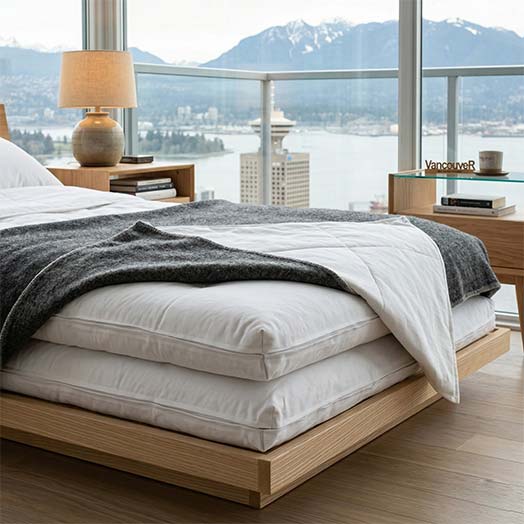
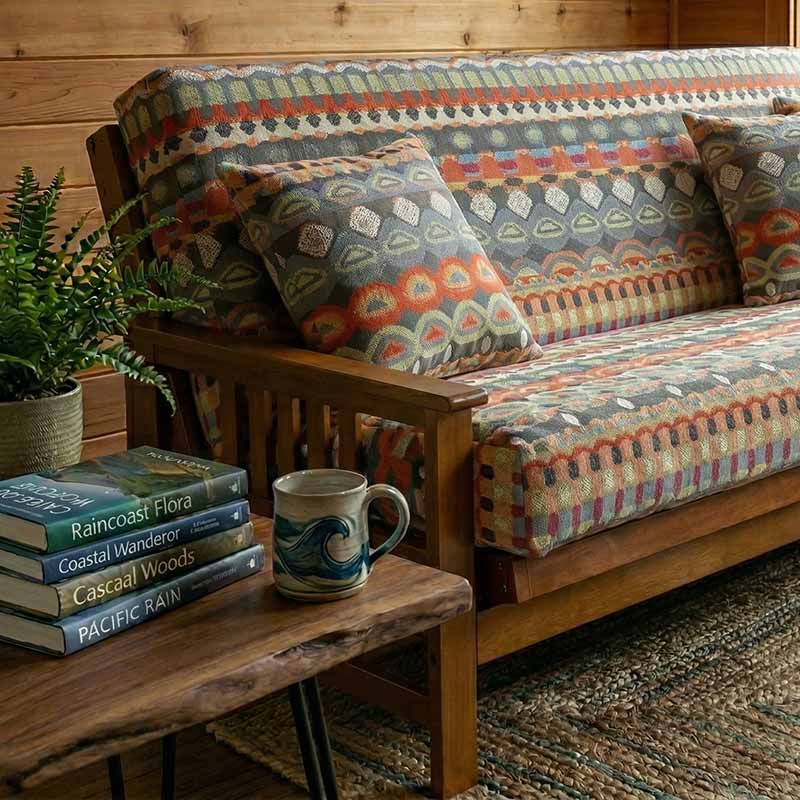
Shikibutons and futon mattresses share cotton batting and wool fire protection, but they're designed for different purposes. Futon mattresses are thicker (5 to 9 inches depending on the model) and built to fold with a futon frame, converting between sofa and bed. Shikibutons are floor mattresses. They don't fold for seating, and they won't work on a futon frame.
If you need a sofa-bed, a futon mattress is the right answer. If you need a floor mattress for sleeping, a guest setup without a frame, or something portable and storable, that's the shikibuton's purpose.
A shikibuton is a specific product for specific uses: floor sleeping, flexible guest setups, kids' rooms, and minimalist bedrooms. The Cotton Shikibuton is the all-natural, no-latex option. The Latex Shikibuton adds a GOLS-certified Dunlop latex layer for better resilience over time. Both are made in Metro Vancouver and ship across Canada. Contact Sleep Majestic to confirm shikibuton sample availability at the Delta showroom before visiting.