




Exploring the Natural Aromas of Latex, Cotton, and Wool
Natural materials don’t just feel different from synthetic ones—they smell different, too. These scents aren’t added or manufactured and don’t have the harsh chemical undertones in many synthetic products. They arise from the materials’ unique compositions and the environments they come from. For many, the natural aroma of a product can evoke a strong sensory response, whether it’s comfort, nostalgia, or simply a deeper connection to nature. On the other hand, no one wants a smelly mattress, and those with smell sensitivities may be overwhelmed by the natural odours. We will explain what to expect so you aren’t surprised when you open your new mattress.
Latex Rubber
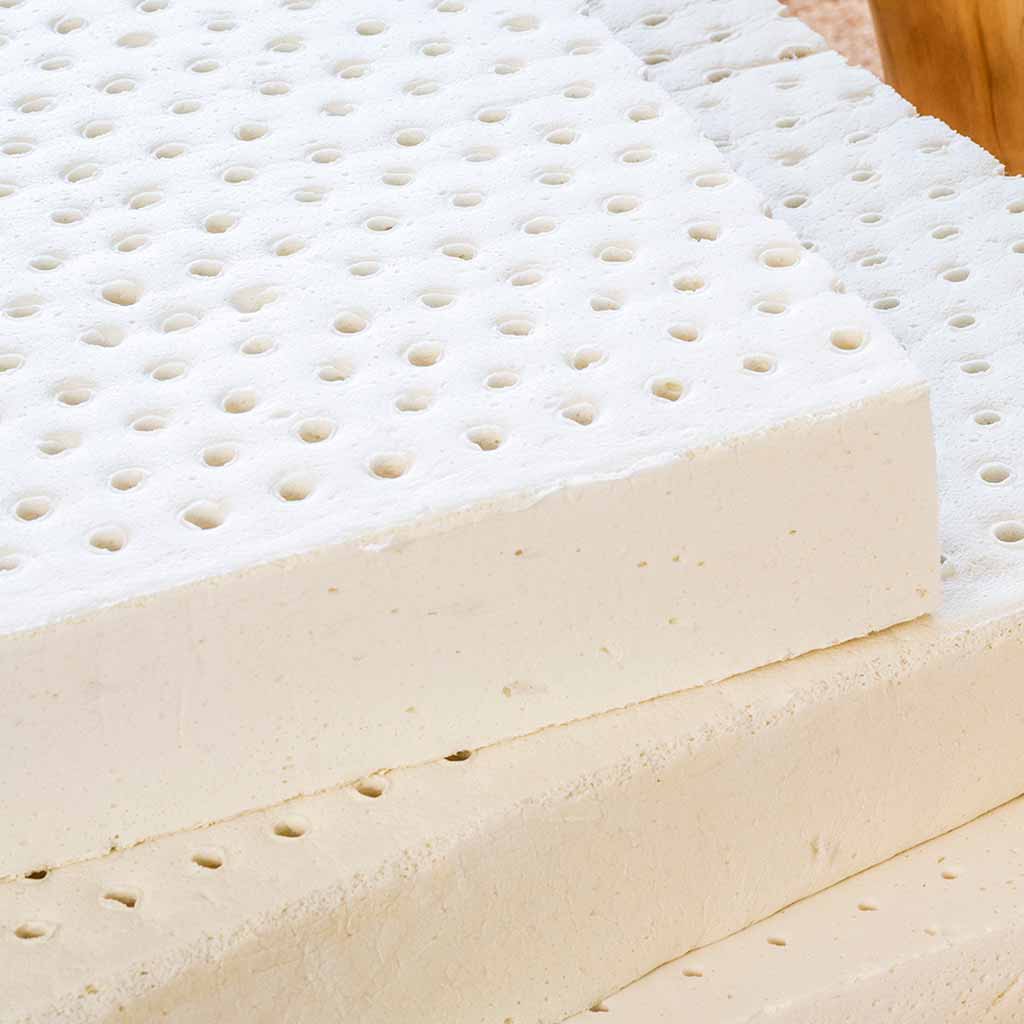
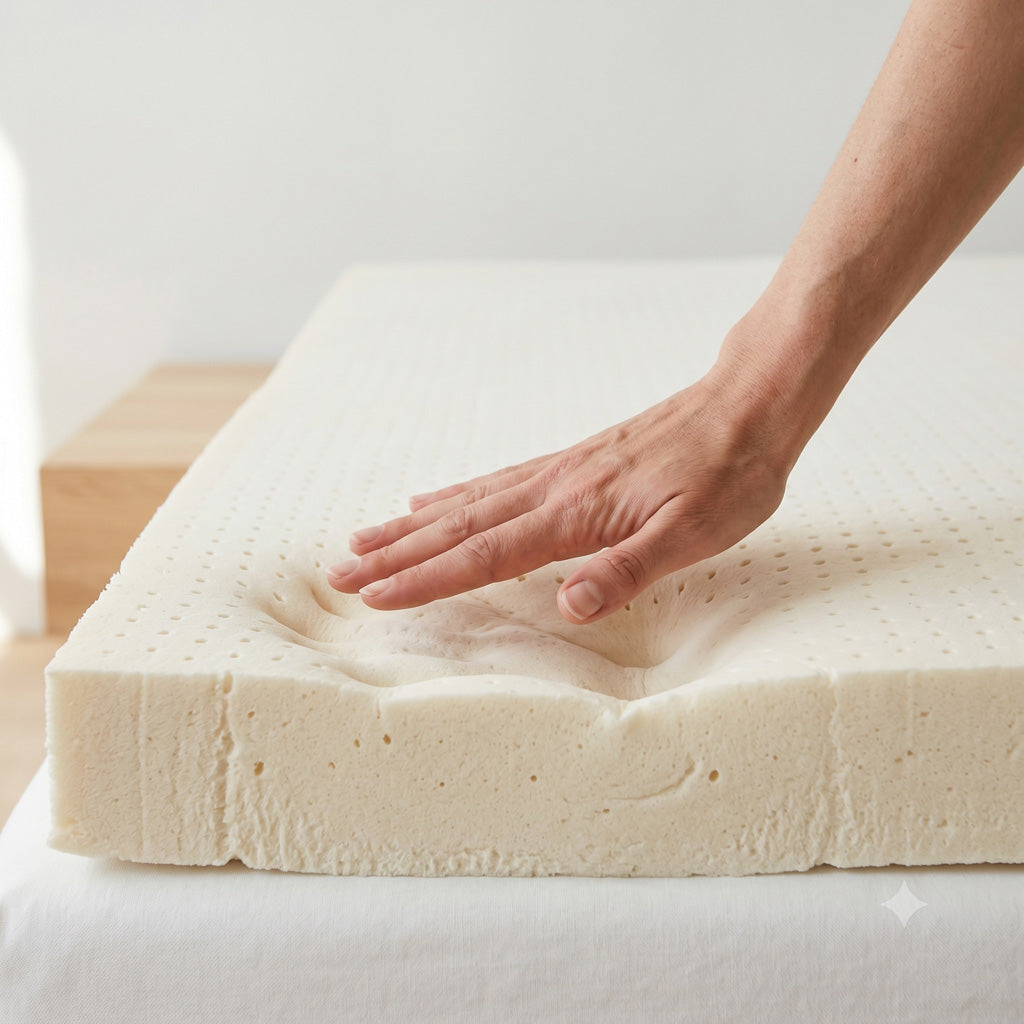
Natural latex rubber, tapped from the Hevea brasiliensis tree, carries a distinct and often polarizing aroma. Most people are somewhat familiar with the “rubber smell,” the latex rubber used in mattresses is no different. This smell is mainly due to the presence of polyisoprene, a naturally occurring polymer that not only gives latex its elastic properties but also releases a noticeable aroma when exposed to air. In unprocessed or natural latex products, proteins and resins from the tree sap add to the complex scent, which can become more pronounced when the latex is heated or cured.
Although it's somewhat counterintuitive, some smell is a good thing with latex as it’s a signal of purity. The only way to reduce the natural odour is through filler materials and masking agents. Even worse, the only way to completely eliminate the odour is by mixing the Natural Rubber with sodium hypochlorite and formaldehyde. This inhibits the growth of microbes and suppresses the odour of rubber. This type of rubber is called Odourless Natural Rubber (ONR). Don’t worry if you don’t smell anything. The latex odour is relatively mild and usually only bothersome to those with smell sensitivities, and ONR is never used in GOLS-certified latex.
If you are sensitive to smell, we can reduce the initial odour by airing out the latex for several weeks before making the mattress. We also suggest using a thicker wool quilted cover and avoiding shredded latex pillows. The increased surface area and proximity to your nose make them the smelliest latex product.
Raw Cotton Batting
Raw cotton batting, in contrast, has a much subtler scent. Derived from the fibres of the Gossypium plant, raw cotton carries a mild, clean aroma with faint nutty or grassy undertones. We like to describe it as an “earthy smell.” Because it’s minimally processed, raw cotton retains trace amounts of natural plant oils and waxes, such as cottonseed oil, contributing to its gentle, earthy fragrance. The overall aroma is light and unobtrusive, often associated with cleanliness and warmth.
Wool
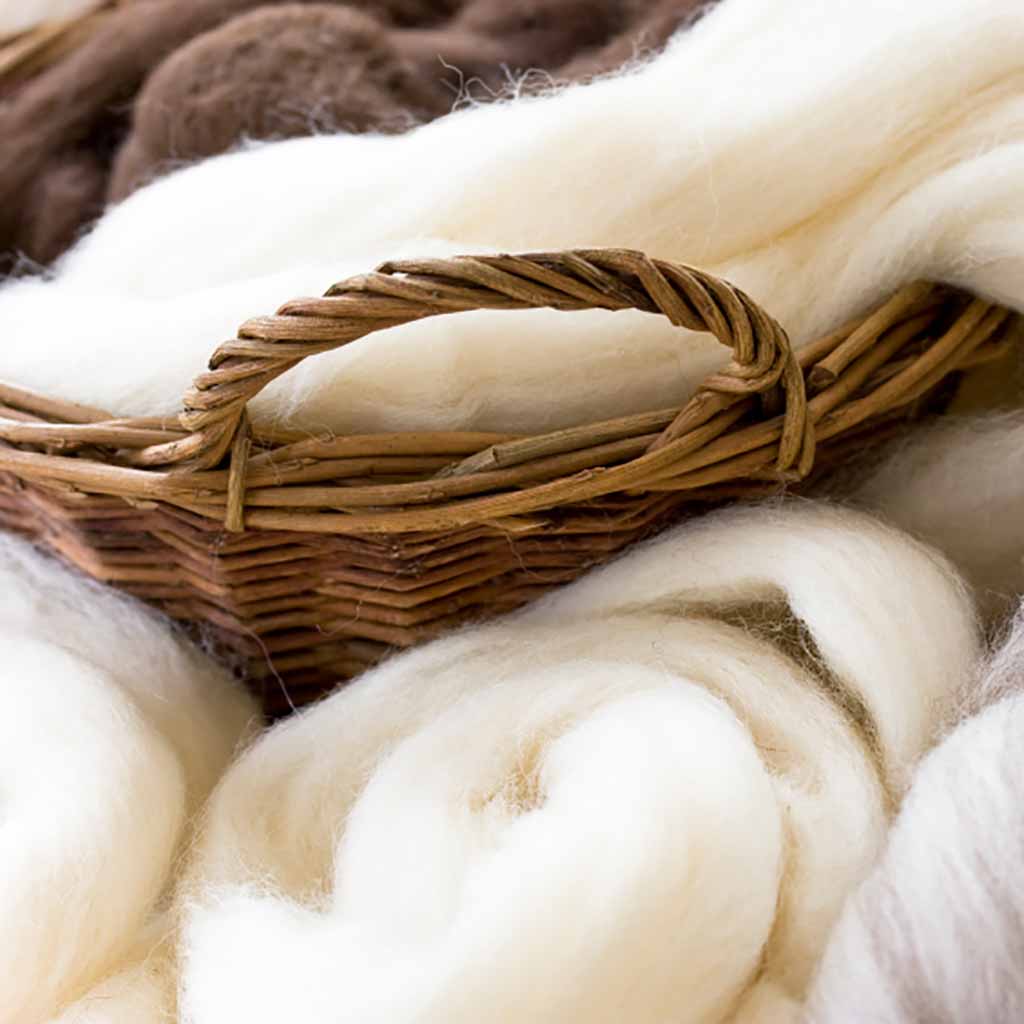
Wool has perhaps the most distinctive scent of the three, mainly when it’s in its raw or minimally processed form. The defining characteristic of wool’s aroma is lanolin, a natural wax produced by sheep to protect their fleece. Lanolin gives wool its rich, musky, and somewhat sweet smell. Some describe it as earthy, with subtle notes of grass, soil, or the outdoors, especially if the wool has not been thoroughly washed. Even when cleaned, high-quality wool often retains a faint trace of lanolin, which is not only beneficial for the wool’s softness and water resistance but also contributes to its signature scent.
Latex rubber, cotton, and wool each carry a fragrance that speaks to their origins—whether it’s the milk of a tree, the boll of a sunlit plant, or the fleece of a grazing animal. Their scents may not be as polished as synthetic perfumes, but that’s part of their charm. These aromas are real, raw, and alive, offering a direct connection to the earth and its intricate systems. For those who appreciate natural materials, scent is more than just a byproduct— they’re part of the authentic experience, a subtle yet powerful link to the natural world.